

You do not usually realise how many decisions you make for a dog until something feels a bit off. They start leaving kibble behind, they are slower on walks, their breath changes, or they suddenly seem restless at night. Most of dog care is like that, small clues noticed in ordinary moments, then a quiet question: am I doing enough, or doing the right things?
It is tempting to think good care is mostly love, plus a daily walk. Those things matter, but dogs also rely on us for the less visible basics: preventive health checks, safe boundaries, the right kind of stimulation, and routines that match their age and body. Getting those foundations steady tends to make everything else easier, including training, behaviour, and even appetite.
What follows is practical, Australia-focused care that holds up in real households, from busy families to single owners, from puppies to seniors. Not perfection, just the sort of steady attention that helps a dog stay well over the long haul.
Regular veterinary check-ups
Even the most observant owners miss things. Dogs are good at carrying discomfort quietly, and some problems develop slowly enough that they blend into the background. A routine appointment gives your vet the chance to notice changes in weight, joints, skin, ears, teeth, and heart and lung sounds, long before they become an obvious crisis.1
For most dogs, a check-up at least yearly is a sensible baseline. Puppies, seniors, and dogs with ongoing conditions often benefit from more frequent visits, because their needs can shift quickly.
Vaccinations and parasite prevention
Vaccination is not a single decision you make once. It is an ongoing plan, shaped by your dog’s age, health, where you live, and what your dog does, for example daycare, boarding, dog parks, farm stays, or travel. In Australia, vets commonly talk about core vaccines and optional vaccines, which are chosen based on risk.1, 2
Parasite prevention sits in the same category of quiet, boring work that pays off. Your vet can recommend an appropriate schedule for fleas, ticks, intestinal worms, and heartworm, based on your region and your dog’s lifestyle.3
Balanced diet and nutrition
Food is one of the few things your dog receives every day, so small mismatches add up. A diet that worked beautifully at eight months can be wrong at eight years. Neutering, activity level, weather, arthritis, gut sensitivity, dental disease, and stress can all affect appetite and weight.
A useful starting point is to choose a complete and balanced diet that suits your dog’s life stage, then adjust portions based on body condition rather than the packet alone. If you are unsure, ask your vet to show you how to assess body condition score, because it is more informative than the number on the scales.
Foods to avoid in the kitchen
Many households learn about toxic foods the hard way, usually when a dog raids a bag, a bench, or a lunchbox. Some common hazards include chocolate, grapes and raisins, onions and garlic, and xylitol (often found in sugar-free products). If you suspect ingestion, treat it as a time-sensitive problem and contact a vet promptly.4, 5
Exercise and physical activity
Dogs need movement for their joints, muscles, and digestion, but also for emotional regulation and focus. The tricky part is that exercise is not one-size-fits-all. Some dogs need long, sniffy walks and a bit of training work to settle. Others, especially dogs with short noses, arthritis, or heart disease, can be pushed into trouble if we chase a daily step count rather than watching how they cope.
As a general guide, aim for daily activity that matches your dog’s build and fitness, then adjust gradually. A dog that is returning to exercise after illness or surgery often does best with short, consistent outings, rather than weekend bursts.
Heat-safe movement in Australian weather
Hot days change the rules. Dogs cool themselves mainly by panting, and heat stress can develop faster than many people expect. On warm days, shift walks to early morning or evening, check surfaces with the back-of-hand test, and never leave a dog in a parked car. If you suspect heatstroke, start cooling with tepid or cool water and seek urgent veterinary care.6, 7
Training and socialisation
Training is often described as teaching manners, but in practice it is how we give a dog a predictable world. Clear cues, consistent routines, and calm repetition help dogs understand what works, which can reduce frustration behaviours like jumping, mouthing, pulling, or barking.
Early socialisation matters, but it is not about flooding a puppy with experiences. It is about safe, positive exposure at a pace the puppy can handle, especially during the early developmental window. If you are adopting an adult dog, you can still build confidence, just more gradually.
Reward-based methods
Reward-based training focuses on reinforcing behaviours you want to see again, using food, play, praise, and access to what the dog likes. It tends to support learning while reducing the risk of fear and fallout that can come with harsher methods. Many welfare and training organisations recommend positive reinforcement as a default approach.8, 3
Grooming and hygiene
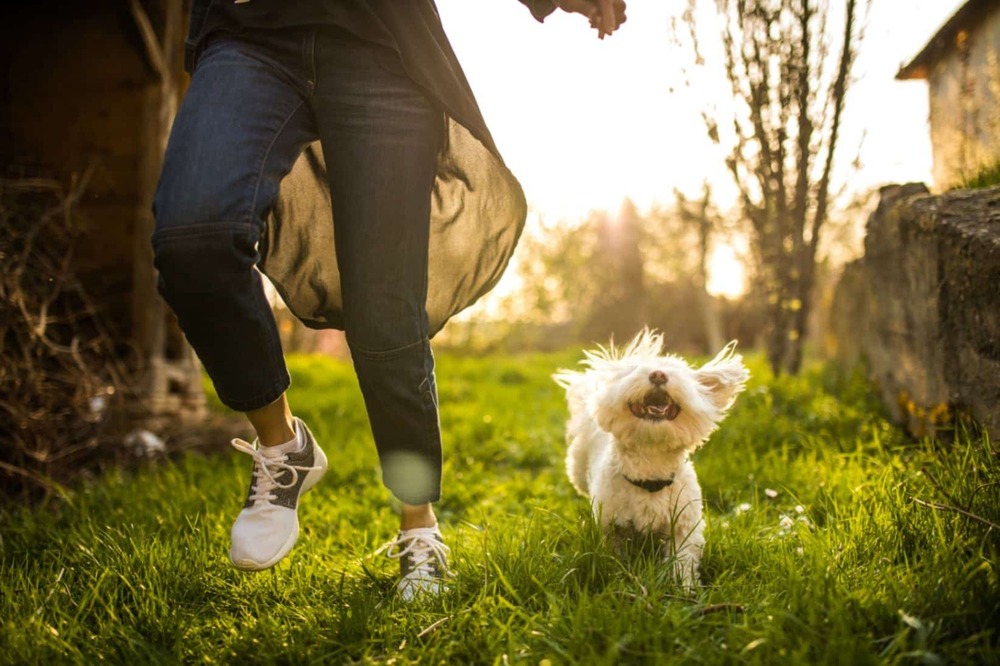
Grooming is not just about a tidy coat. Regular brushing helps you notice skin changes, lumps, parasites, ear irritation, and sore spots early. For long-coated dogs, it can also prevent matting that pulls on the skin and traps moisture.
Bathing frequency varies. Some dogs do well with occasional baths, others need more help due to allergies, oily coats, or a love of mud. Use a dog-appropriate shampoo and rinse thoroughly, because residue can irritate skin.
Dental care, the often-missed routine
Dental disease is common, and it can affect comfort, appetite, and overall health. Home care helps, especially daily tooth brushing with dog toothpaste where possible. Dental chews and other products can be useful, but they do not replace veterinary dental checks and professional treatment when needed.9
Safe and comfortable living environment
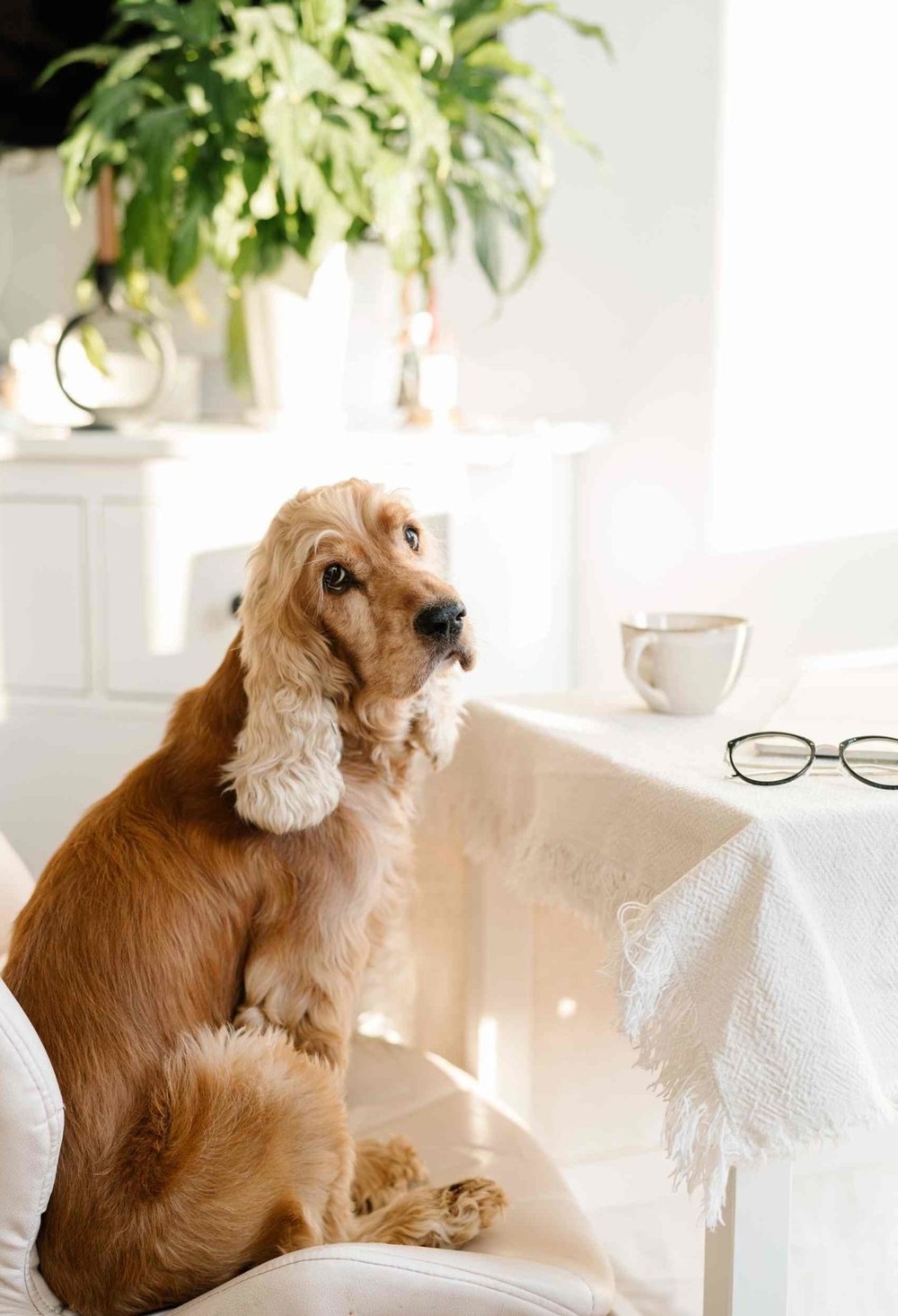
A safe home is built from small, thoughtful choices. Dogs explore with their mouths, noses, and paws, so everyday clutter can become a risk. Secure fencing, safe storage for medications and chemicals, and supervision around pools and balconies are simple protections that prevent heartbreaking accidents.
Comfort matters too. A quiet rest area, stable routines, and somewhere cool in summer and warm in winter all support better sleep and recovery, especially for puppies and older dogs.
Mental stimulation and enrichment
Most behaviour problems labelled as stubbornness are really a mismatch between what a dog needs and what their day provides. Dogs are problem-solvers and scavengers by nature, and when life is too repetitive, they create their own projects, like digging, chewing, pacing, or barking.
Mental enrichment does not have to be elaborate. A few minutes of training, food puzzles, sniff walks, and toy rotation can make a noticeable difference. The goal is not constant entertainment, it is giving your dog healthy outlets for their natural behaviours.8
Understanding behaviour and communication
Dogs communicate all day, just not in sentences. Body language can be subtle: a turned head, a stiffened posture, lip licking, yawning out of context, a tucked tail, a hard stare, or a sudden freeze. A wagging tail can mean many things depending on height, speed, and the rest of the body.
When you get into the habit of watching the whole dog, you can often prevent trouble. If your dog is showing signs of discomfort, give them space, reduce the intensity of the situation, and look for patterns. Behaviour changes can also be linked to pain or illness, so it is worth discussing unexpected shifts with your vet.3
Final thoughts
Good dog care is rarely about one big decision. It is the accumulation of small, steady choices: keeping up with health checks, feeding appropriately, moving in ways that suit the dog you have, and making home feel predictable and safe.
If you take one thing from this, let it be this: when something changes, even slightly, treat it as useful information. A dog does not need us to be perfect. They do need us to notice, adjust, and keep learning alongside them.
References
- RSPCA Pet Insurance: How often should our pets be vaccinated?
- World Small Animal Veterinary Association (WSAVA): Vaccination Guidelines
- RSPCA Pet Insurance: Essential dog care information
- Pet Poison Helpline: List of toxins that are dangerous to your dog
- Pet Poison Helpline: Kitchen toxins to pets
- RSPCA Australia: Keeping your pet safe during the heat
- RSPCA Queensland: It’s hot, remember your pets
- Animal Behavior Management Alliance (ABMA): Position statements (positive reinforcement and aversives)
- American Animal Hospital Association (AAHA): Dental care guidelines, recommending home oral hygiene