

You might notice a Dalmatian out on a morning walk and wonder if they are as easygoing as they look. Or you might remember the spots from films and assume they are a naturally “good family dog” in any home. In practice, people usually come to Dalmatians because they love the look, then realise the real question is about daily life: exercise, training, noise, shedding, and whether the dog will cope with the household you actually have.
Dalmatians can be wonderful companions, but they are not a “set and forget” breed. They tend to do best when their people enjoy moving, notice small changes in behaviour, and are willing to build routines that keep a busy mind and body settled. It also helps to understand a couple of breed-specific health realities early on, because good choices at puppy stage can shape the next decade.
Below is a grounded look at what Dalmatians were developed for, what that often looks like in modern homes, and how to support them kindly and practically.
At a glance: what a Dalmatian is like day to day

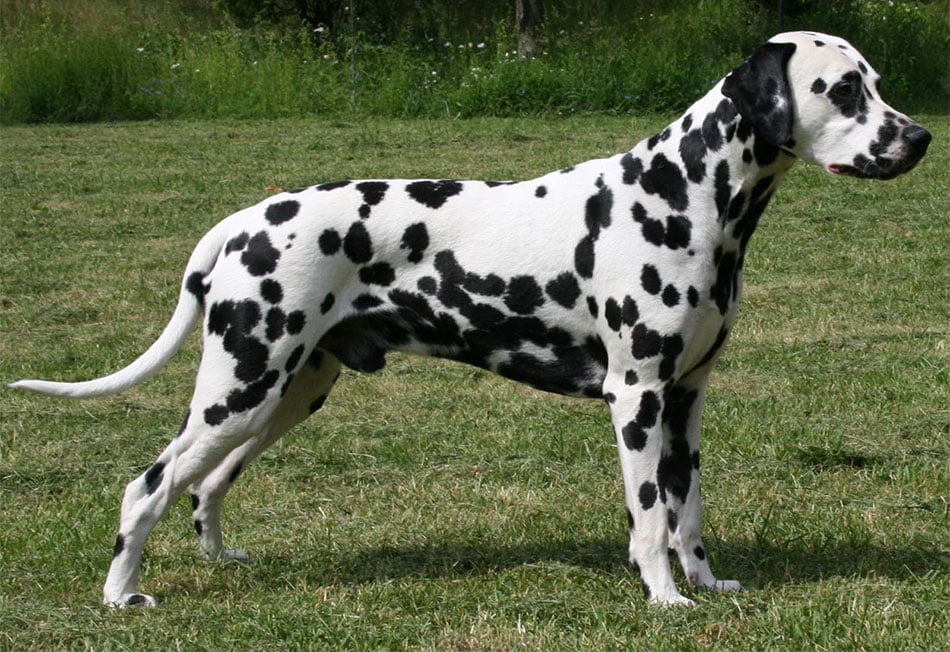
Dalmatians are medium-sized, athletic dogs with a short, dense coat and the breed’s signature spots. Adults are commonly around 56 to 61 cm at the shoulder and roughly 24 to 32 kg, depending on sex and build.
In many homes the defining feature is not the spots, it is the high daily activity need. When their physical exercise and mental engagement are met, they often present as bright, social, and keen to participate. When those needs are missed, restlessness, over-excitability, and nuisance behaviours are more likely to show up.
- Energy level: Very high
- Coat: Short, sheds year-round
- Training style: Learns quickly, does best with consistent reward-based work
- Typical lifespan: Around 10 to 13 years (many live into the early teens with appropriate care)
Origins and what they were bred to do
The Dalmatian is recognised internationally with Croatia listed as the country of origin, and historical sources place early references and depictions around the Dalmatian coast and wider Mediterranean region.1
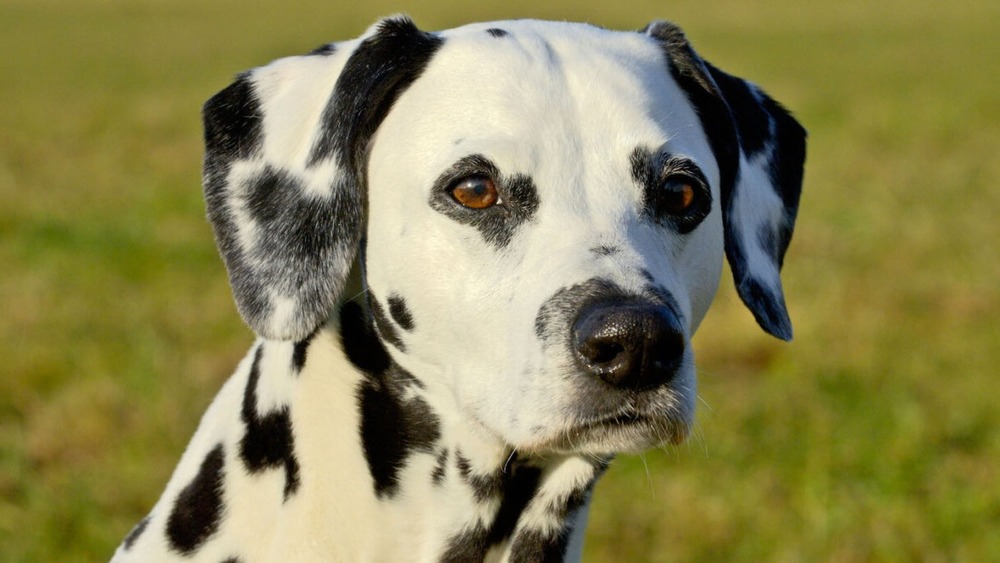
One of the breed’s most influential historical jobs was as a coach or carriage dog. That work selected for a dog that could trot for long distances, stay composed around horses, and remain alert to the environment. In modern life, you still see echoes of that history: many Dalmatians are built for endurance, enjoy moving alongside their person, and notice what is happening around them.
Popular culture has kept the breed in the public eye, but it is worth holding two ideas at once: yes, they can be friendly and great fun, and also, they are usually happiest with structure and outlets rather than a purely “backyard and pats” routine.
Temperament, social life, and family fit
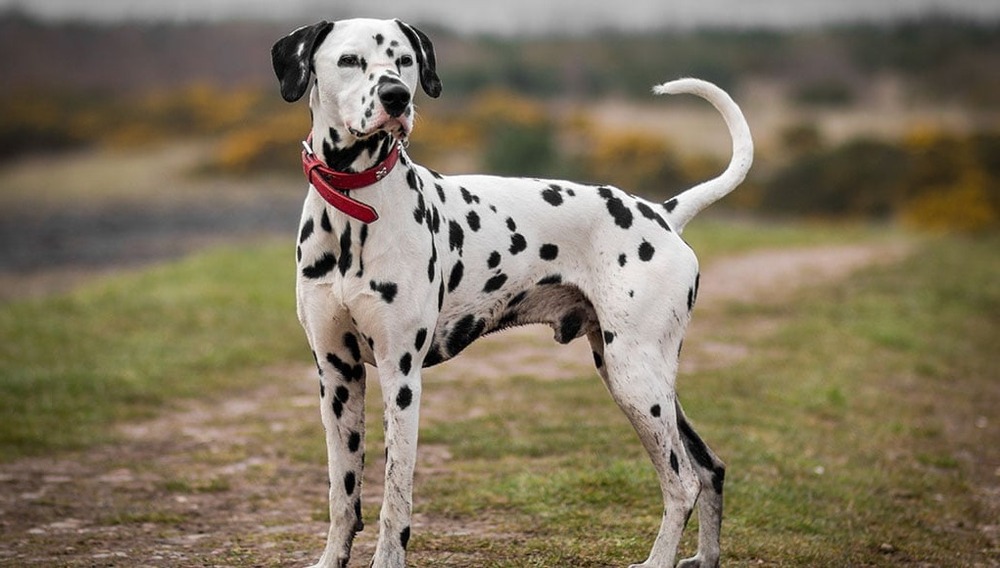
Dalmatians are often described as energetic, intelligent, and people-oriented. Many enjoy being close to the household action, and they can be playful with older children who understand how to interact calmly and safely.
It helps to gently challenge a common assumption: “good with kids” does not mean “tolerates anything”. A Dalmatian that is rushed, crowded, or overstimulated can struggle, especially during adolescence. Most families do best when they plan for supervised interactions, teach children respectful handling, and give the dog a predictable place to rest undisturbed.2, 3
If you have other pets, early introductions and thoughtful management matter more than the breed label. Many Dalmatians can live well with other dogs, and some do fine with cats, but they tend to be lively, which can be a lot for timid animals.
Training and exercise that actually suits a Dalmatian

Dalmatians usually respond best to reward-based training with clear boundaries and short, regular sessions. They are often fast learners, but they can also be easily bored by repetition, so variety helps. Think: loose-lead walking practice in small doses, recall games, scent work, and calm settling skills indoors.
Exercise needs vary by age and individual, but most adult Dalmatians need more than a single gentle stroll. Many do well with a mix of:
- brisk walks plus sniff time
- running with a fit adult (once fully grown and cleared by a vet)
- structured play (fetch with rules, tug with “take it” and “give” cues)
- brain work (food puzzles, scatter feeding, trick training)
Early socialisation also matters. The aim is not to flood a puppy with experiences, but to offer pleasant, controlled exposure to people, surfaces, sounds, handling, and friendly dogs during the critical early window.4
Health realities to know early (and how to plan for them)
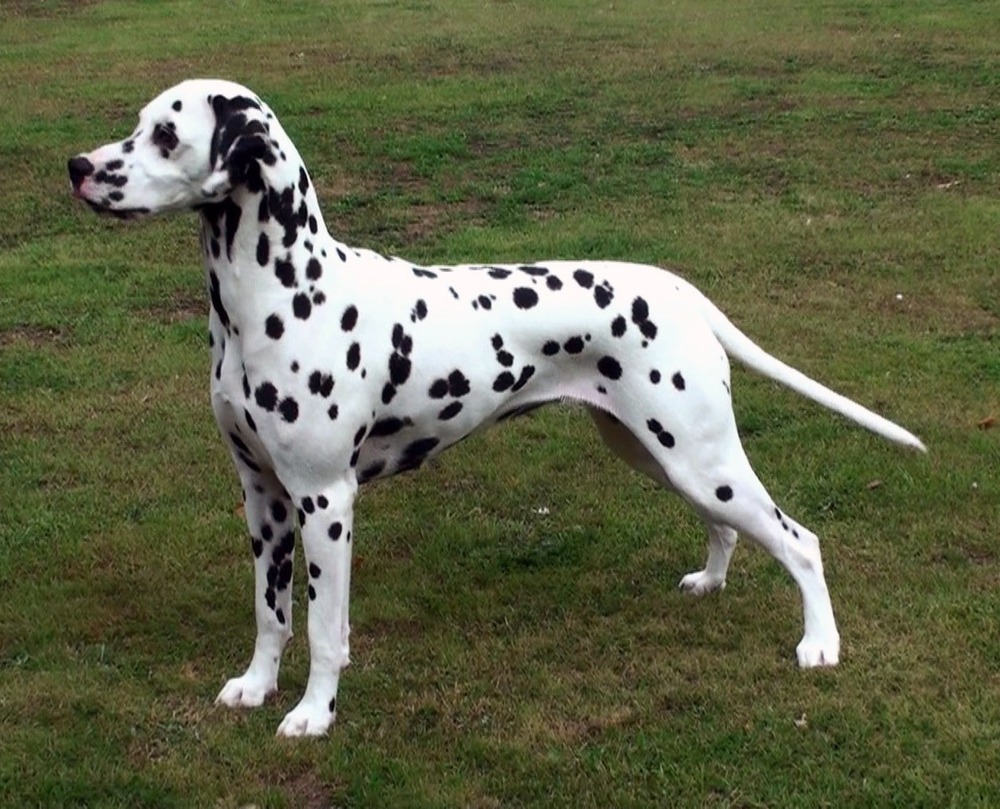
Dalmatians can be robust dogs, but two breed-linked issues are worth understanding before you choose a puppy or plan their long-term care.
Congenital deafness and BAER testing
Congenital deafness occurs in Dalmatians more often than in many other breeds. Large datasets and breed health organisations report that a meaningful proportion of Dalmatians test as unilaterally deaf (hearing in one ear) or bilaterally deaf (deaf in both ears).5, 6
The practical takeaway is simple: ask whether the litter was BAER tested (the standard hearing test used for puppies), and request documentation. Deaf and unilateral-hearing dogs can still live good lives, but they need specific training and safety planning, and not every household is set up for that.6
Urate stones (urate uroliths) and diet planning
Dalmatians have a known predisposition to urate stone formation linked to how they handle uric acid (hyperuricosuria). Management often involves hydration strategies, veterinary guidance, and in some cases a low-purine diet as part of prevention or treatment planning.7
If your Dalmatian ever strains to urinate, urinates frequently with little output, or shows blood in urine, treat it as urgent and seek veterinary help the same day. Urinary obstruction can become life-threatening quickly.
Orthopaedics, skin, and general care
Like many active medium to large breeds, some Dalmatians are affected by hip dysplasia, and some develop skin allergies. You cannot prevent everything, but you can reduce risk through appropriate weight management, sensible exercise during growth, and choosing breeders who use relevant health screening.
Coat care, shedding, and the everyday grooming routine
The Dalmatian coat is short and easy to maintain, but it is not “no shedding”. Most owners find the shedding is steady and noticeable, particularly on dark clothing and soft furnishings.
A simple routine usually works well:
- Weekly brush with a grooming mitt or rubber curry to lift loose hair
- bath only as needed, using a mild dog shampoo
- regular nail trims and ear checks
- dental care (at-home brushing where possible, plus veterinary advice)
If you are sensitive to dog hair in the house, it helps to plan ahead: washable throws, a good vacuum, and a habit of brushing outdoors can make the difference between “manageable” and “constantly annoyed”.
Living well with a Dalmatian (and knowing when the match is wrong)
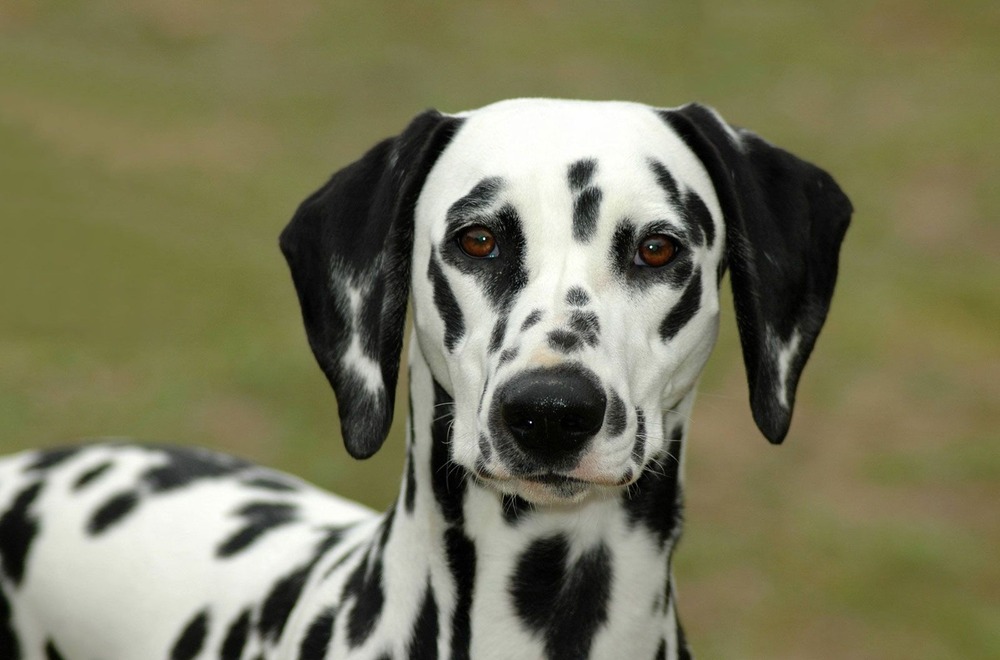
Dalmatians tend to thrive with people who like being outdoors, enjoy training as an ongoing practice, and can provide company and stimulation most days. They often suit homes where someone notices small behaviour shifts early and adjusts the routine before problems become habits.
A Dalmatian may be a tougher fit if your life is currently low-energy, unpredictable, or you want a dog that is content with minimal daily interaction. That is not a judgement, it is simply about the kind of dog this is.
If you are choosing a puppy, prioritise health testing (particularly hearing), stable temperament, and a breeder who raises pups with thoughtful early handling. If you are adopting an adult, ask about exercise tolerance, reactivity around other dogs, and how the dog settles indoors. A Dalmatian who can genuinely rest is often a Dalmatian who can cope.
References
- Federation Cynologique Internationale (FCI): Dalmatian (Dalmatinski pas), breed information
- RSPCA Knowledgebase: How do I introduce a new dog or puppy to children?
- RSPCA South Australia: The Dog Adoption Handbook, making introductions
- RSPCA Knowledgebase: Is socialising my puppy important?
- LSU Veterinary Medicine: Breed-specific deafness prevalence in dogs
- Dalmatian Club of America Foundation: Hearing (deafness) in Dalmatians and BAER testing
- Merck Veterinary Manual: Urolithiasis in dogs (urate stones, diet, management)