

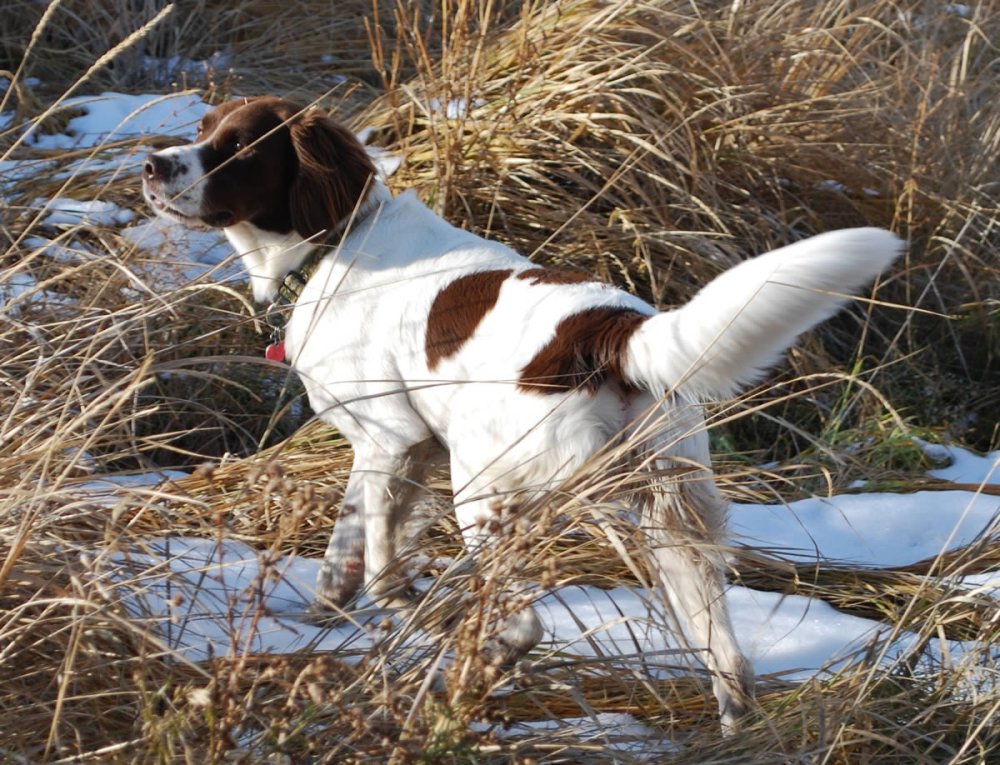
You might come across a Drentse Patrijshond after noticing a calm, feather-tailed dog at a training club, or after meeting a family who somehow has a gundog that also seems perfectly content curling up at home. It can be a surprising combination: a dog bred for long days in the field, yet often described by owners as quietly devoted and easy to live with.
It is tempting to label the Drent as simply “a rare spaniel-like hunting dog”, but that misses what most people actually need to know. The practical questions are more everyday: how much movement does this dog really need, what does “gentle” look like when adolescence hits, and how do you keep a smart working breed from inventing its own jobs?
When the fit is right, the Drent can be a steady, thoughtful companion for active households. When the fit is wrong, the same strengths that make it a capable field dog can show up as restlessness, frustration, or a tendency to drift into its own agenda.
Where the Drent comes from, and what that still means today
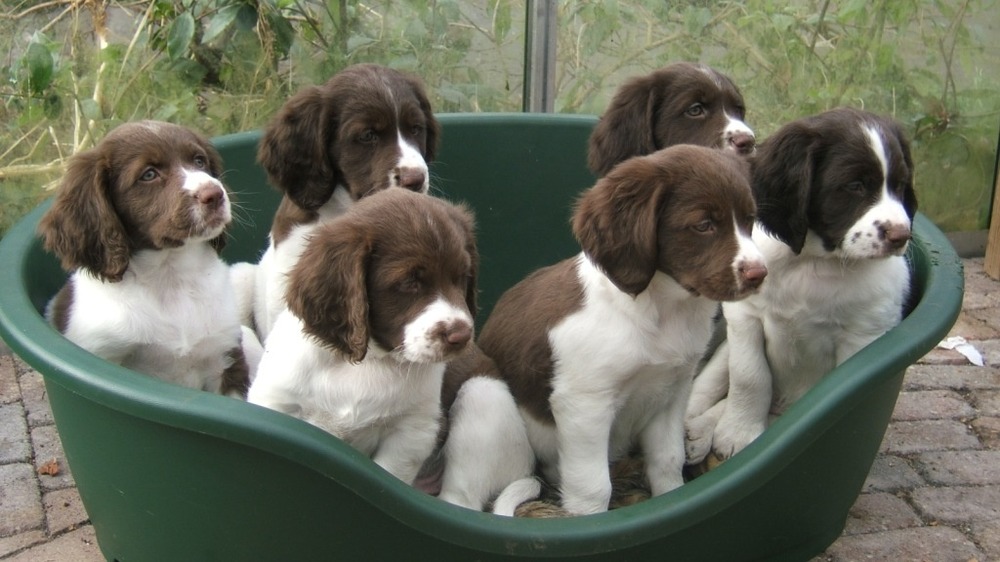
The Drentsche Patrijshond (often shortened to “Drent”) developed in the Netherlands, particularly in and around the province of Drenthe. In international breed terms, it sits with the continental pointing dogs of “spaniel type”, built to work methodically and in partnership with a handler rather than ranging far and freelancing. That heritage tends to show up in the home as a dog that watches people closely, learns patterns quickly, and prefers to be included rather than left to entertain itself.1
If you are trying to make sense of the dates you may see online, two are commonly mentioned: the breed was officially recognised in the Netherlands in 1943, and later accepted by the FCI on a definitive basis in 1960. Both can be true, depending on whether a source is talking about national registration or international recognition.2, 3
What matters day to day is that the Drent is still a working gundog at heart. Even in a suburban life, many individuals stay happiest when their exercise has a point to it: searching, retrieving, tracking, training, problem-solving, and time moving through varied environments rather than doing the same lap of the block.
Appearance, coat, and the “spaniel type” difference
The Drent is a medium-sized, athletic dog with a coat that looks more “furnished” than long. You often see feathering on the ears, legs, and tail, with a dense coat that is protective without being heavily coated like some spaniels. Typical colouring is white with brown markings, sometimes with ticking.4
In practice, that coat tends to collect the outdoors: burrs, grass seeds, and water. The ears, in particular, are worth noticing. Drop ears can reduce airflow, and any dog that enjoys swimming or damp grass can benefit from routine checks so small issues do not quietly build into bigger ones.5
Quick reality check: if you want a dog that stays pristine with minimal hands-on care, a feathered, field-bred coat can be a frustrating choice. If you do not mind a little brushing and a bit of “found nature” coming home, it is usually manageable.
Temperament in a real household
Most people who love the Drent talk about steadiness. Many Drents are socially warm with their own people and can be friendly with visitors, but they are not always the type to bounce up to everyone in the park. A lot depends on early socialisation, genetics, and whether the dog has learned that new situations are safe and predictable.
They are typically bright, responsive, and sensitive to the rhythms of a home. That can be a gift, but it also means they notice when life changes. A move house, a new baby, returning to the office, or an injury that reduces exercise can all show up quickly in behaviour. Rather than assuming the dog is being “naughty”, it often helps to ask a simpler question first: is the dog under-exercised, under-stimulated, or uncertain about what is expected?
Family-friendly is a common description, and it can be true, especially when kids and dogs are taught how to share space safely. As with any active sporting breed, supervision matters. A young Drent can be boisterous, and gentle mouths still like to pick things up, including sleeves, toys, and sometimes hands if play gets too exciting.
Training that suits the breed, and avoids a power struggle
Drents tend to do best with training that is clear, reward-based, and consistent. Harsh corrections and “dominance” approaches often create confusion or shutdown rather than reliable skills. In contrast, reward-based training focuses on setting the dog up to succeed, reinforcing what you want more often than you punish what you do not want, and building cooperation over time.6
A useful way to think about it is this: you are teaching a clever gundog to live in a modern world full of rules that make little sense to a dog. Small, repeatable lessons usually beat long sessions. You will often get better results from two or three minutes, several times a day, than from one big effort on the weekend.
If you are raising a Drent puppy, it is worth prioritising:
- Calm greetings (four paws on the floor, default sit)
- Recall games that feel like a chase-and-return partnership
- Cooperative handling (ears, paws, brushing, vet-style touch)
- Settling skills (mat training, calm time after exercise)
Exercise and enrichment, more than just “high energy”
It is fair to call the Drent high energy, but that phrase can be misleading. Many Drents are not frantic dogs. They are more often stamina-and-purpose dogs. A brisk walk helps, but many individuals truly relax after they have used their nose, made choices, and completed a job.
Practical options that often suit the breed include:
- Sniff walks where the dog can explore at a slower pace
- Retrieving games with rules (wait, release, return to hand)
- Beginner scent work or tracking games in the backyard
- Hiking on varied terrain once growth plates are mature
If your Drent seems “wired” in the evening, it can be worth experimenting with more mental work earlier in the day rather than only adding more physical exercise. Some dogs become fitter without becoming calmer if exercise is the only strategy.
Health considerations, screening, and day-to-day care
No breed is perfectly predictable. For Drents, you will commonly hear owners and breed communities talk about hips, elbows, and ear health. Hip dysplasia, for example, is a developmental condition influenced by both genetics and environment, and body weight and exercise patterns can affect how problems show up over time.7
If you are choosing a puppy, it is reasonable to ask what health screening is done in that breeding program, and what the results are. If you already have a Drent, the most practical levers you can control are often the simple ones: keep the dog lean, build fitness gradually, and talk with your vet early if you notice stiffness, shortened stride, reluctance to jump, or “warming out of it” lameness.
For ears, the most helpful habit is not an aggressive cleaning routine, but regular, low-drama checks, particularly after swimming or wet weather. If you notice redness, odour, head shaking, or persistent scratching, it is worth a vet check sooner rather than later because ear disease can become painful and harder to resolve if it is left to smoulder.5
Grooming, shedding, and the small maintenance routines
Most Drents cope well with a steady, simple grooming rhythm. A weekly brush is often enough to prevent tangles in feathering and to lift out loose hair. During seasonal shedding, you may find it easier to brush more often for a couple of weeks, then return to baseline.
It also helps to make grooming functional rather than cosmetic. If you spend a minute checking paws after a bush walk, you are not only removing prickles and seeds. You are also teaching the dog that handling is normal, which pays off at the vet and in later life.
Do not skip nails. Active dogs do not always wear nails down evenly, and long nails can change how a dog stands and moves, which matters for a sporting breed built for efficient gait.
Feeding and keeping a Drent in good working condition
Drents are often food-motivated, which can make training easier and portion control more important. Rather than relying only on a number on the scale, many vets recommend using a body condition score approach so you can adjust food before weight creeps up over months. The WSAVA nutrition resources are widely used in veterinary settings and can help owners understand what “lean and fit” looks like in a way that is more practical than chasing a breed-average kilogram figure.8
If you use treats for training, you can keep it sustainable by:
- Using part of the dog’s daily kibble as training rewards
- Choosing small, soft pieces rather than large treats
- Reducing meal portions slightly on heavy training days
Watch the waistline as the dog ages. Sporting breeds can keep a keen appetite even when their activity drops, and small changes in weight can matter for joints.
Is the Drent a good match for you?
The Drentse Patrijshond can be a beautiful fit for someone who wants an active companion that is tuned in, trainable, and happiest when life includes both movement and meaning. They are often at their best with people who like being outside, enjoy training as an ongoing conversation, and can offer steady inclusion rather than long daily stretches alone.
They are usually not ideal for households looking for a low-exercise dog, or for people who prefer a hands-off approach to training. A Drent does not need constant entertainment, but it does need a life that makes sense to a working mind.
If you are considering one, it can help to meet adult Drents in person, talk to ethical breeders or breed clubs, and be honest about your weekly routine. The right dog for your life is nearly always the better goal than the “best” breed on paper.
References
- Fédération Cynologique Internationale (FCI), Drentsche Partridge Dog (No. 224) breed listing
- FCI Standard No. 224 (English text mirror), Drentsche Partridge Dog, recognition and breed club dates
- Wikipedia, Drentse Patrijshond overview (background and alternate name)
- United Kennel Club (UKC), Drentsche Patrijshond breed standard summary (coat, colour, height)
- Merck Veterinary Manual, Otitis externa in dogs (signs and management)
- RSPCA Australia Knowledgebase, Reward-based training and positive reinforcement
- Orthopedic Foundation for Animals (OFA), Hip dysplasia overview
- World Small Animal Veterinary Association (WSAVA), Global Nutrition Guidelines and body condition score tools