

You might notice them first at the park: a medium-sized spaniel that seems to move on springs, nose busy, tail working, always ready for the next throw. English Springer Spaniels often look like they are simply having a nice day out. In practice, that drive and curiosity is the whole story, and it shapes what living with one feels like at home.
People sometimes assume a “friendly family dog” will naturally settle with a couple of short walks. Springers can be wonderfully companionable, but they were built to work alongside humans for hours, in cover, weather and water. When their exercise, training and routine fit that heritage, they tend to be steady and delightful. When it does not, the same traits can spill into restlessness, noisiness, or a dog that seems unable to switch off.
If you are considering the breed, or you already live with one and are trying to make sense of their energy, their coat, or those recurring ear problems, it helps to see the Springer as a sporting dog first, and a pet second. The good news is that their needs are very workable, once you know what you are aiming for.
At a glance: English Springer Spaniel basics
Breed group: Gundog (sporting spaniel).1
- Origin: England.2
- Typical height: often around 46 to 56 cm at the shoulder, with the UK breed standard giving an approximate ideal height of 51 cm.1, 2
- Typical weight: commonly about 18 to 25 kg (varies with build and line).2
- Life expectancy: often 12 to 14 years.2
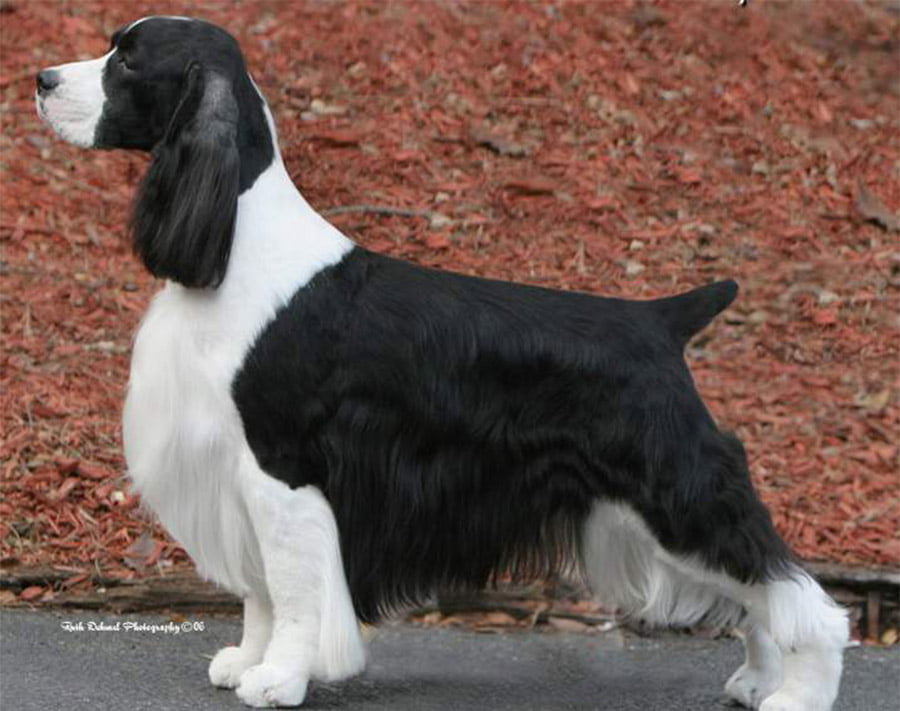
- Coat: close, straight, weather-resisting, with feathering.1
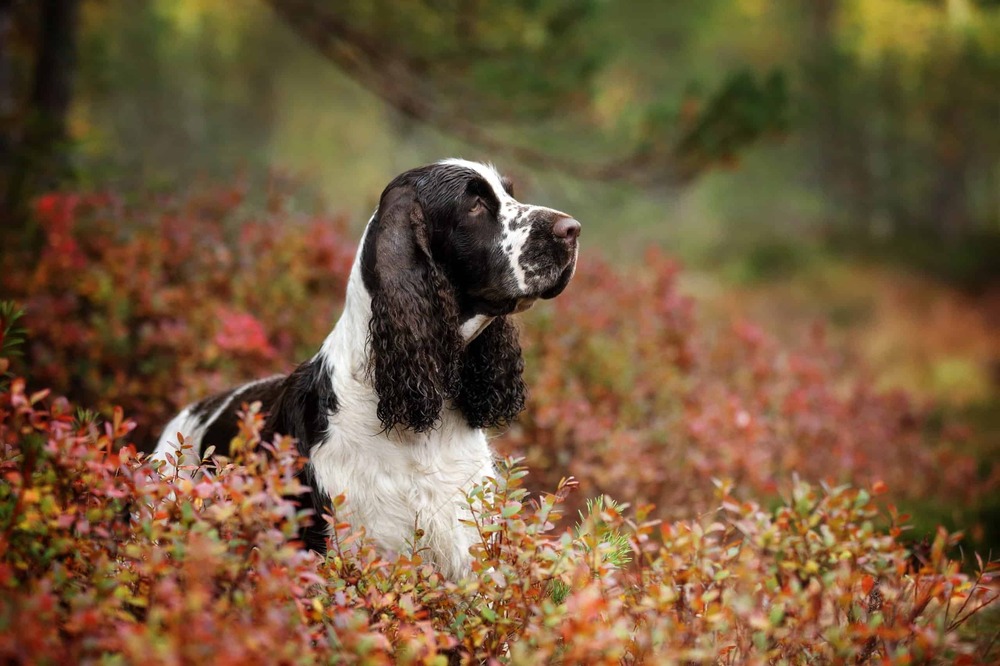
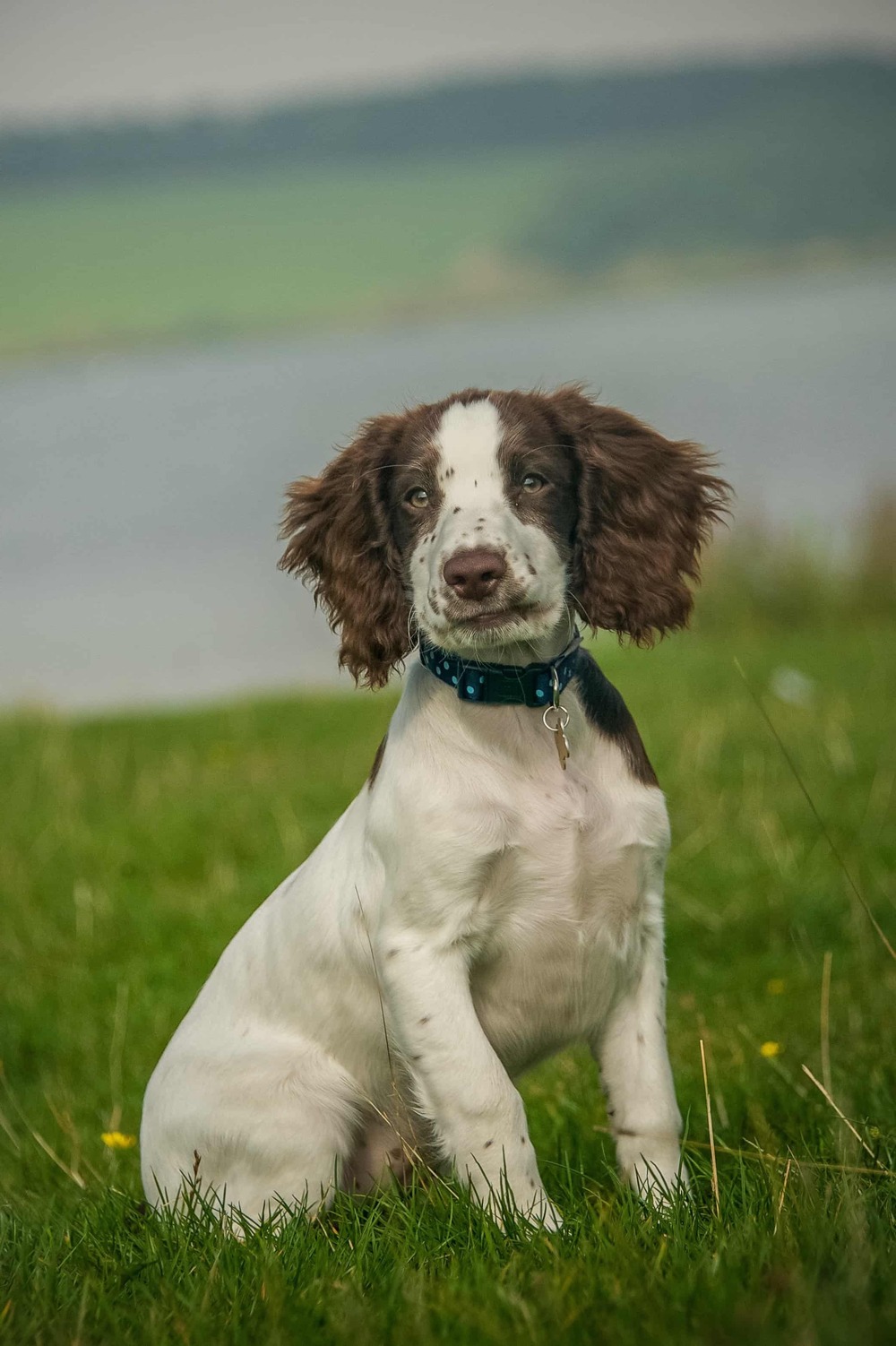
- Common colours: liver and white, black and white, with or without tan markings.1, 2
History and what they were bred to do

The English Springer Spaniel sits within the long tradition of British land spaniels, developed to work close to people and push game out of dense cover, then retrieve once the shot was taken. That “flush and fetch” job explains a lot about the modern dog: they tend to be nose-led and busy, keen to move through long grass and scrub, and often very motivated by toys, scent, and the thrill of finding something.
In the UK, the English Springer Spaniel was recognised as a distinct breed by The Kennel Club in 1902.2 Today, there can be noticeable differences between dogs bred primarily for the show ring and those from working lines, particularly in coat, build and day-to-day intensity. Even within one litter, you may see a spread of drive and stamina, which is why meeting the parents and talking honestly about your lifestyle matters.
Physical characteristics that affect daily life
Springers are medium-sized, athletic dogs with a practical, weather-resistant coat and those familiar long, pendulous ears. The coat’s feathering can collect burrs, grass seeds and mud, especially if your dog enjoys charging through scrub or creek lines, which many do. Keeping on top of it is less about vanity and more about comfort and skin health.
Their ears are also part of the real-world picture. Long ear flaps can reduce airflow, and moisture can linger after swimming, bathing, or a wet walk. That warm, damp environment can make some dogs more prone to external ear inflammation and infection, particularly if there are also allergies in the mix.3
You will also see variation in tails. In some places and contexts, docking has historically occurred in working dogs, but many Springers now have a natural tail with feathering. Either way, that tail often signals what the rest of the dog is doing: alert, engaged, ready.
Temperament and behaviour: bright, social, easily bored
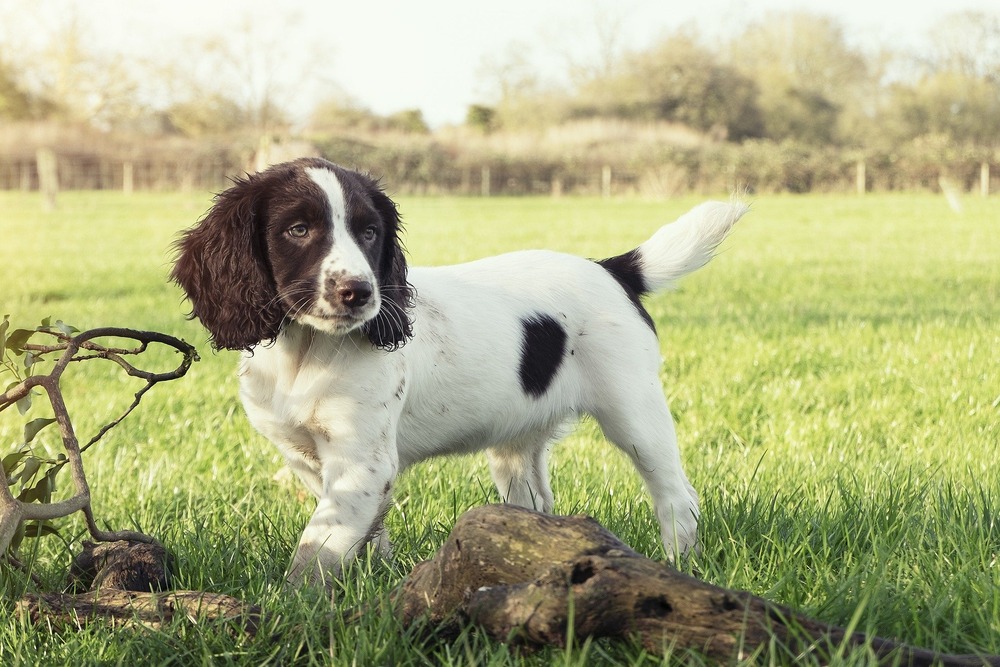
Well-bred, well-raised English Springer Spaniels are typically friendly, biddable and people-focused. Many owners describe them as dogs that want to be included, not necessarily “clingy” in a human sense, but generally happiest when they have a job and some company.
The most useful way to think about Springer behaviour is this: they are often highly trainable and highly motivated. That is a gift, but it also means they practise what works. If barking brings attention, if jumping gets a pat, if dragging you to a smell leads to more sniffing, those habits strengthen quickly.
With children and other pets, many Springers do very well, especially when they have been gently socialised from puppyhood and given appropriate outlets for chasing and scenting. Their hunting heritage can show up as an urge to pursue birds or small fast-moving animals, so it is worth building reliable recall and using management, such as long lines, until skills are solid.
Training and exercise: meeting the dog in front of you
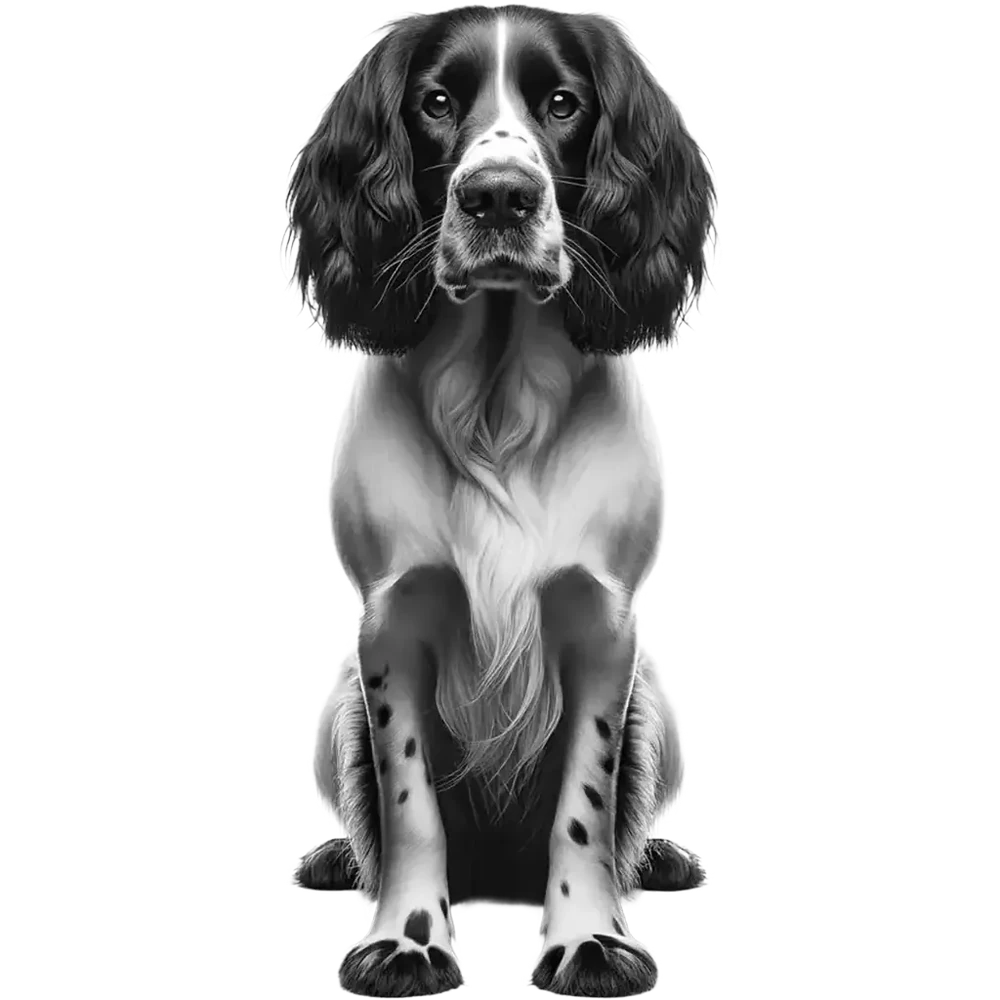
Springers tend to respond best to training that is clear, upbeat and consistent. Reward-based methods, including food, toys and access to sniffing, usually work very well, and help you build a dog that stays engaged without becoming worried or shut down.4
Early socialisation matters, but it helps to define it properly. The goal is not overwhelming exposure. It is calm, repeated experiences with people, dogs, surfaces, sounds and handling, paired with safety and good outcomes. Done well, it supports resilience for vet visits, grooming, travel and busy places.
For exercise, many adult Springers need more than a gentle stroll. A good daily plan often includes a mix of:
- Active movement: brisk walking, running with you (once fully grown), swimming, hiking.
- Skill work: recall games, loose lead walking practice, impulse control around distractions.
- Scent and brain work: scatter feeding in grass, hide-and-seek with toys, simple tracking games.
If you are short on time, sniffing and training can do more for a Springer’s “settle” than extra laps of the block. Physical exercise is important, but mental work is often what stops them looking for their own entertainment.
Health and lifespan: what to watch and how to prevent problems
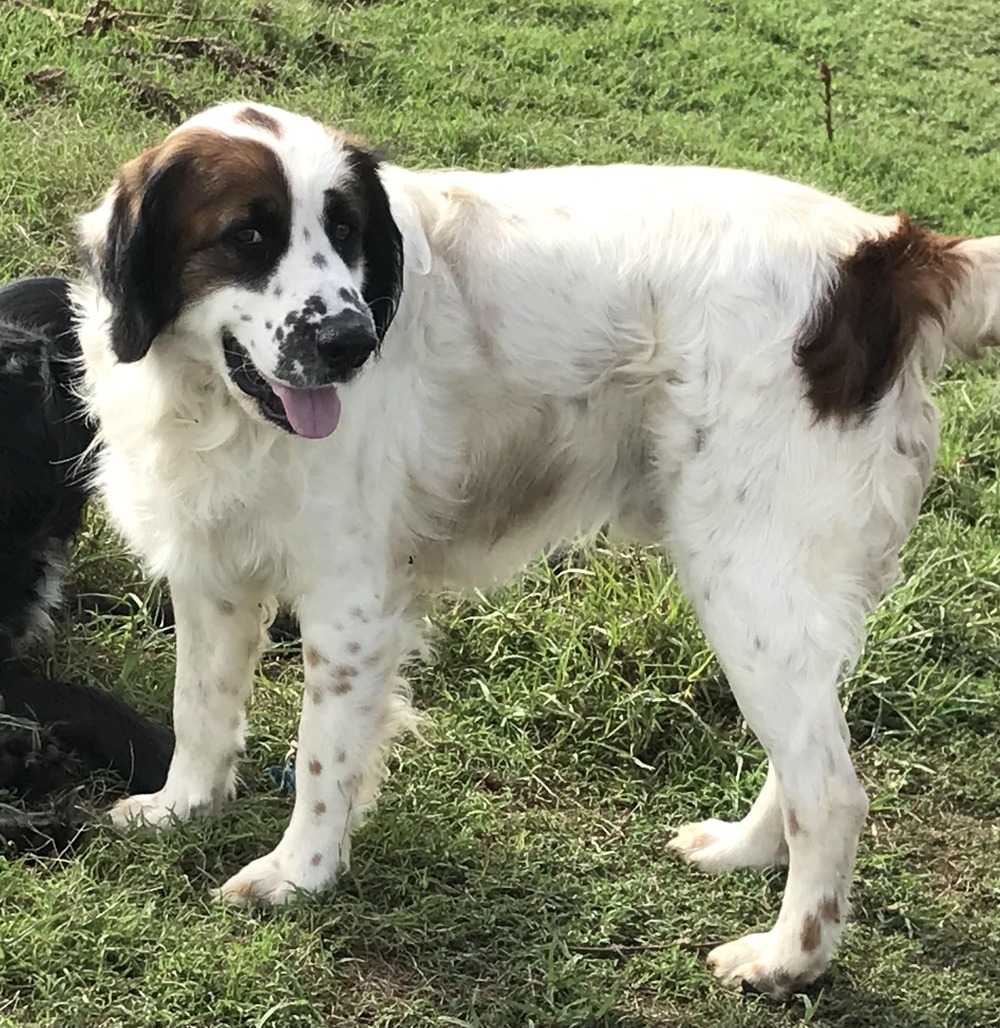
Many English Springer Spaniels live into their early teens, with a commonly cited lifespan of around 12 to 14 years.2 Like any breed, they can be prone to certain conditions, and it is wise to talk with your vet and breeder about what is most relevant for your dog’s line.
Issues that owners commonly encounter include:
- Ear disease (otitis externa), sometimes linked with moisture, anatomy, or underlying allergies.3
- Orthopaedic concerns, including hip dysplasia, which is influenced by genetics, growth, conditioning and weight management.5
One of the most practical health tools you have is body condition. Springers can be very food-motivated, and extra weight is not just cosmetic. It increases load on joints and can make exercise tolerance worse. If you are unsure what “healthy” looks like on your dog, a body condition score chart is a simple, vet-aligned way to check.6
Grooming and maintenance: feathering, ears, and the outdoors factor
The Springer coat is designed to handle weather and rough ground, but it needs regular help from you. A few short brushes each week is usually more effective than one big session after everything has matted. Focus on the feathering behind the ears, under the chest, belly, and the backs of the legs.
After bush walks, check for grass seeds, burrs and ticks, and pay attention to the ears. If your dog swims, it is sensible to dry the ear flap and outer ear gently afterwards. If you notice redness, smell, frequent head-shaking, or discharge, treat it as a vet issue rather than a home-cleaning project. Ear problems can worsen quickly if the cause is not addressed.3
Many owners also find a light tidy-up trim around feet and feathering helps keep the dog comfortable and reduces debris collection. If you use a groomer, ask them to keep the coat functional, not overly stripped back or thinned, unless there is a specific reason.
Diet and nutrition: fuel for an active dog, without creeping weight gain
Springers do best on a complete and balanced diet appropriate for their life stage, size and activity level. The tricky part is that their enthusiasm can make it easy to overfeed, particularly when treats are doing a lot of the training work.
A few practical habits help:
- Use part of their daily food as training rewards, rather than always adding extras.
- Check body condition regularly, not just the number on the scales.6
- Be cautious with table scraps and rich foods, especially fatty leftovers.
It is also worth being clear on food safety. Common household foods that can seriously harm dogs include chocolate, grapes and raisins, onions and garlic (alliums), macadamias, xylitol, and cooked bones.7, 8
Living with a Springer: what tends to work best
English Springer Spaniels suit people who enjoy being out and about, and who like a dog that trains, plays and participates. They often struggle with long, quiet days without much interaction or purpose, not because they are “naughty”, but because they are built to do things.
If you are choosing a puppy, ask the breeder about their lines and priorities, including health testing, temperament, and whether the dogs are primarily field-bred or show-bred. If you are adopting an adult, give them time to settle, keep routines predictable, and prioritise basic skills that reduce friction (recall foundations, calm greeting, loose lead walking, and a reliable settle).
When Springers get the right mix of exercise, training and companionship, they are often a pleasure to live with: bright, affectionate, and very ready for whatever you are doing next.
References
- The Kennel Club (UK): Spaniel (English Springer) breed standard
- Purina UK: English Springer Spaniel breed information
- The Kennel Club (UK): Otitis externa in dogs
- RSPCA Australia Knowledgebase: What is positive reinforcement?
- Orthopedic Foundation for Animals (OFA): Hip dysplasia resources
- WSAVA: Global Nutrition Guidelines (including body condition score tools)
- Agriculture Victoria: Human foods to avoid for cats and dogs
- RSPCA Australia: Household dangers to your pet
- Australian Veterinary Association (AVA): Companion animal health (policy and guidance)