

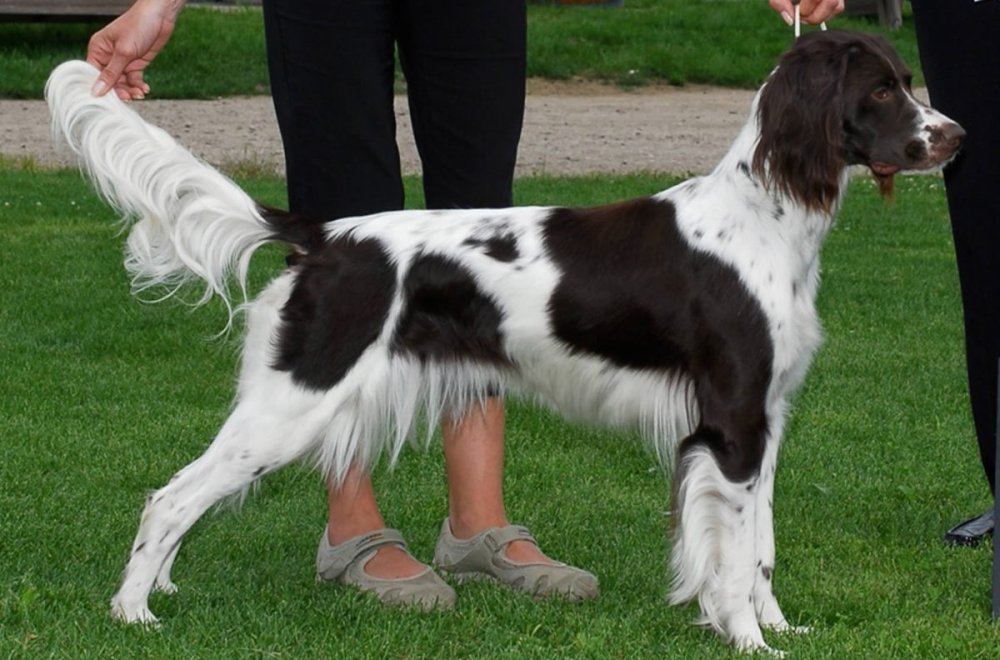
You might come across an Epagneul Français (French Spaniel) after meeting a dog that looks like a spaniel but moves and works more like a pointing dog. They are athletic, lightly feathered, and often quietly busy, the sort of dog that seems to be taking in the world even when they are lying at your feet.
People also tend to find this breed when they are looking for a gundog that can live as a family companion, not just a weekend worker. That is where the real questions start: how much exercise is “enough”, what kind of training keeps them steady, and what care matters most for a dog built to range over paddocks and scrub.
The Epagneul Français can be a wonderfully practical choice for the right household, but it helps to understand what sits underneath the pretty coat: a dog shaped by field work, close partnership with people, and the kind of daily routine that rewards consistency.
At a glance: the Epagneul Français
Here is the snapshot most owners want first, with a few clarifications where online summaries often get fuzzy.
- Breed type: Continental pointing dog (spaniel type), not a “sporting group” spaniel in the way many people mean it.1
- Origin: France.1
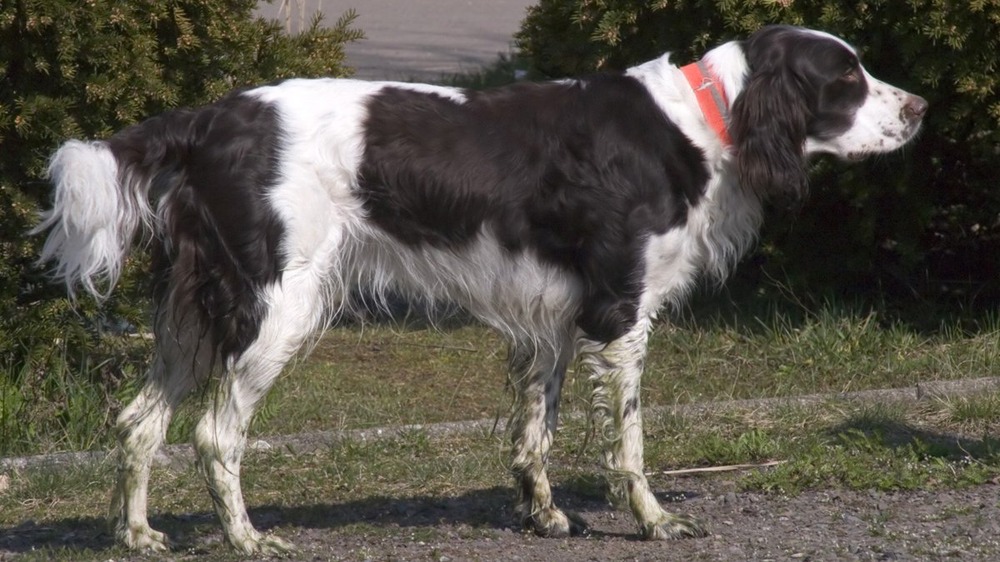
- Size: Medium to medium-large. Males are typically about 56 to 61 cm at the shoulder, females about 55 to 59 cm (some standards allow small tolerances).1, 2
- Coat and colour: Medium-length, weather-resistant coat, white with brown markings is the classic description in major breed standards.1, 2
- Life expectancy: Often reported around 12 to 14 years, with the usual caveat that diet, activity, and genetics matter.3
- Energy level: High. They are bred to cover ground and keep working.3
Where the breed comes from, and what that means today
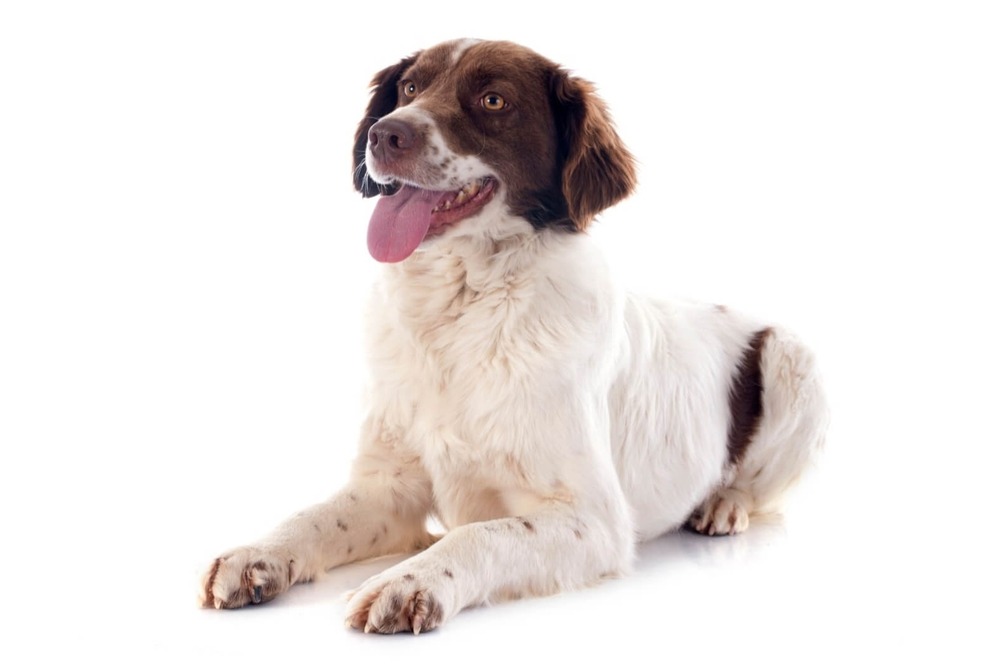
The Epagneul Français sits in FCI Group 7, the pointing dogs, and is classified as a continental pointing dog of spaniel type.1 That classification matters because it hints at the “how” of the dog: a purposeful search pattern, a strong interest in scent, and a tendency to keep going once they switch on.
Modern descriptions often call them versatile, and that is fair. Still, the versatility comes from a clear foundation, field competence first. When owners feel surprised by the breed, it is usually because they expected a soft, low-key spaniel, then discovered they brought home a dog that likes to work with their whole body and brain.
If you are choosing one as a companion, it helps to see their hunting background as information, not a warning. It simply tells you what kinds of daily outlets, training style, and household rhythms are likely to suit them best.
Temperament and everyday behaviour
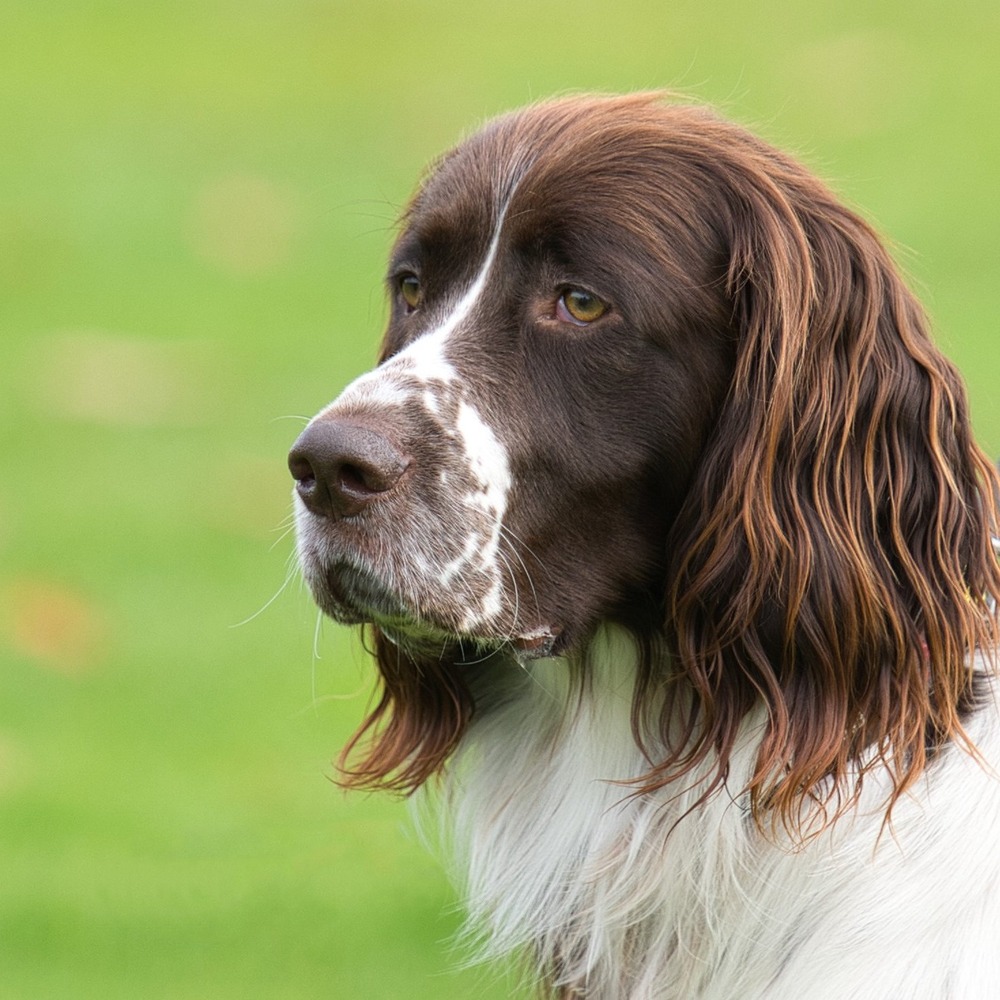
Well-bred Epagneul Français are generally people-oriented and responsive. Many are affectionate without being clingy, and they often do best when they can stay part of the household routine, not parked outside with “something to do”.
They also tend to be observant. That can look like sensitivity, or like distractibility, depending on the day. In practice, it means the environment matters: busy dog parks, unpredictable off-lead areas, and rough handling can create more friction than they do for a more thick-skinned breed.
With children and other pets, the picture is usually positive when introductions are thoughtful and the dog is given enough rest. The most common issue is not aggression, it is over-arousal: a young, energetic dog rehearsing chasing, bouncing, and grabbing at moving things because nobody taught them an alternative.
Training that suits the breed
The Epagneul Français tends to respond best to training that is clear, reward-based, and steady. That is not just a preference, it lines up with what major welfare organisations recommend as effective and humane, particularly for building reliable behaviour without creating fear or conflict.4, 5
A useful way to think about training this breed is: you are not trying to “calm them down” so much as teaching them how to settle, and when to switch between work and rest. That skill is learned, not innate.
Practical focuses that tend to pay off:
- Early socialisation with calm exposure to surfaces, sounds, people, and other dogs, without flooding them.
- Loose lead walking and recall games that reward checking in, not just coming back at the last second.
- Stationing and settling (bed training, mat work) so the dog has a default behaviour indoors.
If you are considering aversive tools (shock collars, prongs, harsh corrections), it is worth pausing. Welfare guidance is increasingly clear that these methods carry risks for both wellbeing and behaviour, and reward-based approaches are preferred.5
Exercise and enrichment: what “enough” often looks like
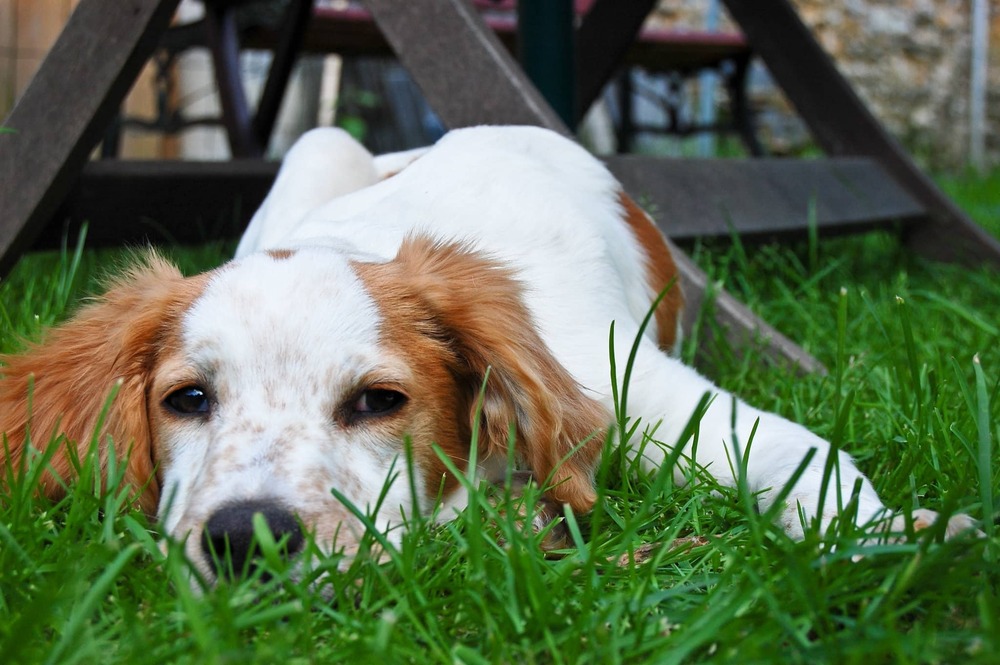
Most Epagneul Français need daily movement that gets the heart up, plus time to use their nose. A quick lap around the block can keep them alive, but it rarely keeps them content.
A good baseline for many adults is a mix of:
- One longer outing most days (brisk walk, run, hike, structured off-lead where safe and legal).
- Short training sessions that feel like games.
- Scent-based activities, such as scatter feeding, hide-and-seek with toys, or beginner tracking.
It is also normal for young dogs to have stamina that outpaces their judgement. Until their bodies mature, balance hard exercise with skills, enrichment, and recovery, and ask your vet for guidance if you are building up running distances.
Health considerations to keep on your radar
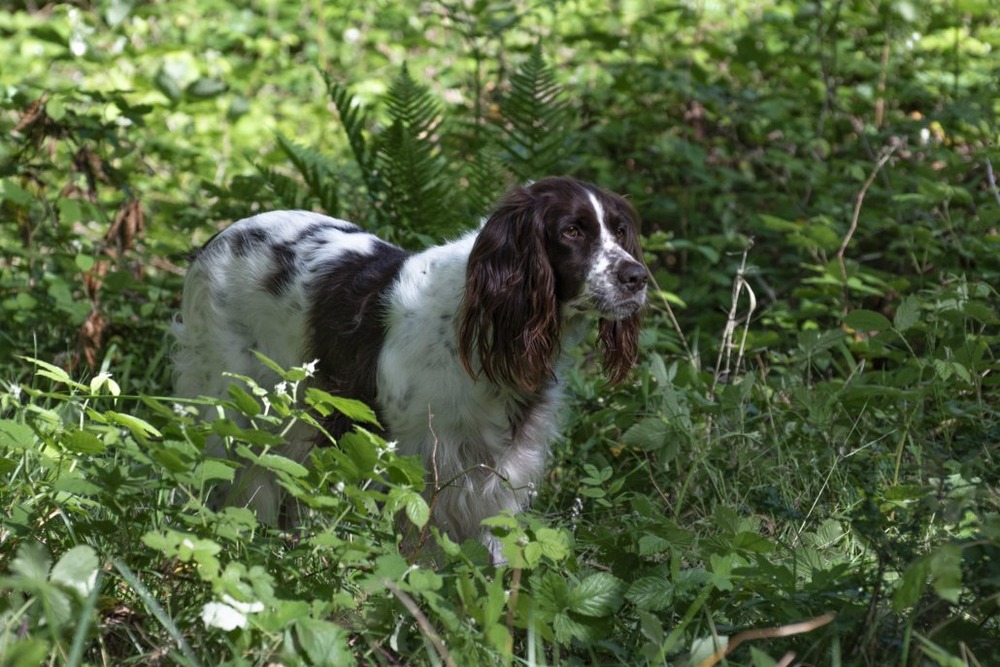
No breed is “problem free”, but the Epagneul Français is often described as generally hardy.3 Still, there are a few predictable areas where owners can do a lot with simple habits and good screening.
Hips and general soundness
Hip dysplasia is often mentioned across medium and larger active breeds, and it is sensible to treat it as a screening priority. If you are buying a puppy, ask what hip evaluation scheme the parents have been scored under, and request documentation. If you are adopting an adult, talk with your vet about gait, body condition, and whether imaging is warranted.
Ears and recurrent infections
Floppy-eared dogs are over-represented in ear infection cases, partly because reduced airflow and trapped moisture can support yeast and bacterial overgrowth.6 That does not mean your dog will have constant otitis, but it does mean routine checks matter.
Helpful, low-drama prevention includes:
- Weekly ear checks for redness, odour, discharge, or sensitivity.
- Drying ears after swimming or baths, particularly if your dog is water-mad.6
- Seeing your vet early rather than “trying a cleaner” for weeks when the ear is clearly sore.
Grooming and coat care
The coat is designed to be practical: medium length, weather-resistant, and feathered rather than heavily coated.3 For most households, maintenance is moderate, not intense.
What usually works well:
- Brush once or twice a week, more often in seasonal shedding periods.
- Pay attention to feathering on legs and tail where burrs and grass seeds can tangle.
- Check for grass awns after runs in long grass, including between toes and around ears.6
Bathing can be occasional, as needed, using a gentle dog shampoo. Over-bathing can dry skin and make itch and ear issues more likely in some dogs.
Feeding and keeping a healthy weight
An active dog still needs the right calories, not just “more food”. If an Epagneul Français is doing a lot of training rewards, it is easy to drift upward in weight without noticing, especially once adolescence settles into adulthood.
Veterinary teams often use body condition scoring to guide feeding decisions, and the WSAVA nutrition resources are a solid reference point for what “lean and fit” looks like in dogs.7
Two practical habits help:
- Measure meals for a few weeks when you change foods or routines, then adjust based on body condition.
- Keep treats small and meaningful, and factor them into the day’s total intake.
Foods to avoid
Some common human foods can be dangerous for dogs. Dogs Australia lists several key toxins, including onions and garlic, and xylitol (a sweetener found in some sugar-free products).8 When in doubt, treat unknown foods as “not for dogs”, and call your vet if ingestion happens.
Is this breed right for your home?
The Epagneul Français tends to suit people who enjoy a daily routine with their dog and do not mind a bit of mud, movement, and ongoing training. They are often at their best with owners who like being outdoors and who find satisfaction in small improvements over time.
They can be challenging in homes that want a low-exercise dog, or where the dog is regularly left without outlets. In that setting, the “problem” is usually not the dog’s temperament, it is the mismatch between instinct and lifestyle.
If you can provide exercise, companionship, and thoughtful training, the Epagneul Français can be a steady, capable dog that fits both family life and active weekends with surprising ease.
References
- FCI: Epagneul Français (No. 175) breed entry
- United Kennel Club: Epagneul Francais (French Spaniel) breed standard
- Canadian Kennel Club: French Spaniel (Epagneul français) breed information
- RSPCA Australia: The do’s and don’ts of training your dog
- RSPCA Knowledgebase: Training recommendations and reward-based methods
- The Animal Medical Center: Ear infections in pets (causes, risk factors, prevention)
- WSAVA: Global Nutrition Guidelines (including body condition score tools)
- Dogs Australia: Toxic food for dogs