

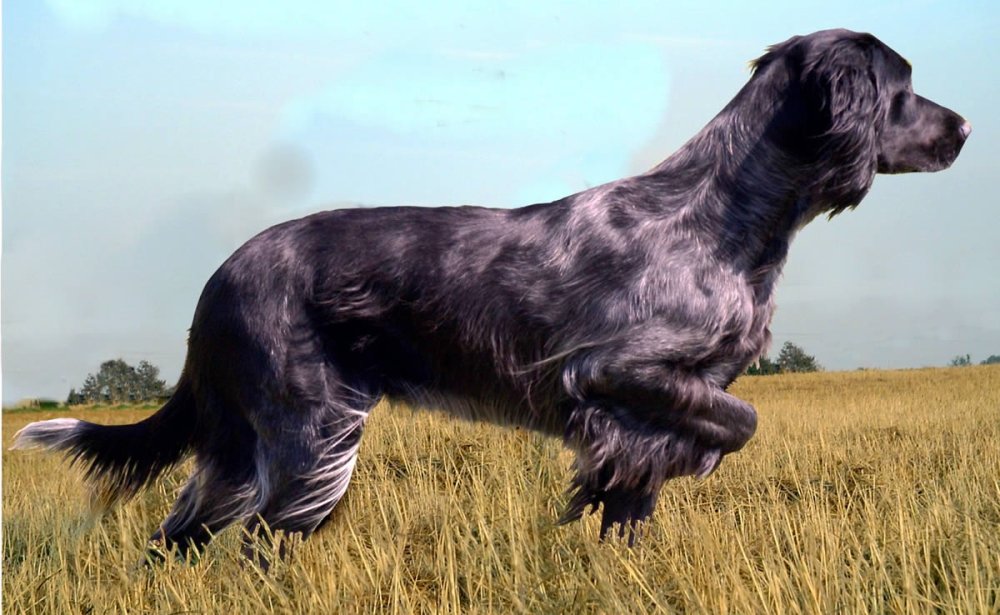
You might first notice the Epagneul Bleu de Picardie in a photo, that blue-grey, speckled coat that looks like mist over dark water. Or you might hear the name from a gundog person and wonder whether it is a setter, a spaniel, or something in between.
What often surprises people is how quietly capable this breed is. It is a working dog shaped by wetlands and long days outdoors, but it is also the sort of companion that tends to settle nicely when its needs have been met. The tricky part is that, because it is rare, it can be harder to find clear, consistent information, and easy to underestimate the day to day realities of living with a high energy hunting spaniel.
If you are considering one, or you have already met one and cannot stop thinking about that coat, it helps to look past the headline traits. The Blue Picardy Spaniel is defined less by novelty, and more by a particular balance of stamina, softness in the mouth, and a steady temperament that suits both field work and family life.
- Breed group: Gundog (continental pointing dog type in FCI terms)1
- Origin: France (Picardy region)1
- Typical size: medium, athletic build (males commonly around 57 to 60 cm at the withers, females slightly less)1
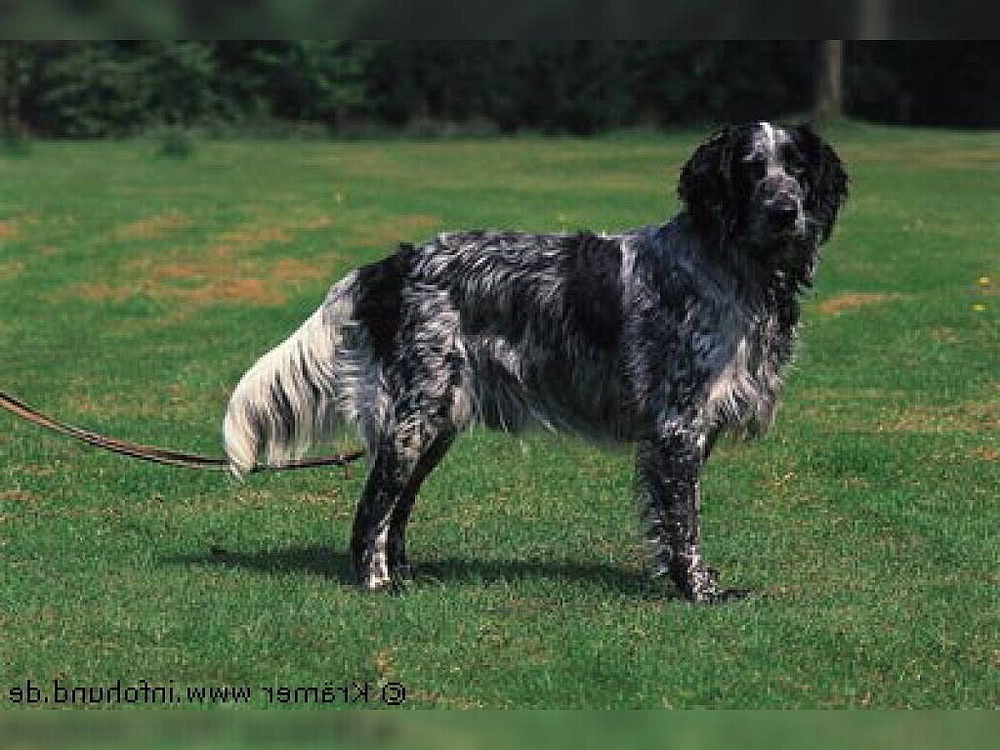
- Coat: wavy, with a blue-grey appearance from black ticking and mottling on a white base1
- Life expectancy: often around 12 to 14 years (varies with breeding, lifestyle, and healthcare)6
History and origin in northern France
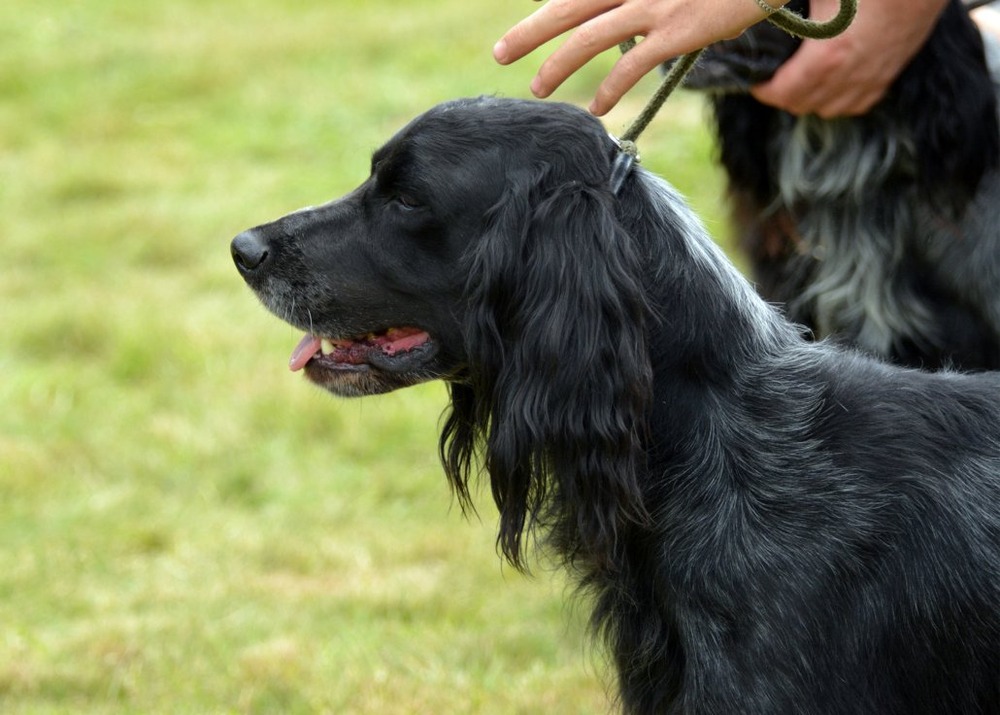
The Epagneul Bleu de Picardie is a relatively modern French gundog, developed around the early 20th century in the Picardy region, an area of marshes, hedgerows, and wet ground that rewards a dog willing to work steadily and retrieve cleanly.2, 1
Most accounts describe it as descending from the Picardy Spaniel, with English Setter influence contributing to the coat patterning and, in some lines, a slightly more racy outline.2 The result is a dog that sits comfortably in the “continental spaniel” tradition, pointing, quartering, and retrieving, rather than the purely flushing style many Australians associate with spaniels.
In international kennel club terms, the breed is recognised by the FCI in Group 7 (pointing dogs), and its standard is maintained in its country of origin, France.1
What the breed looks like up close
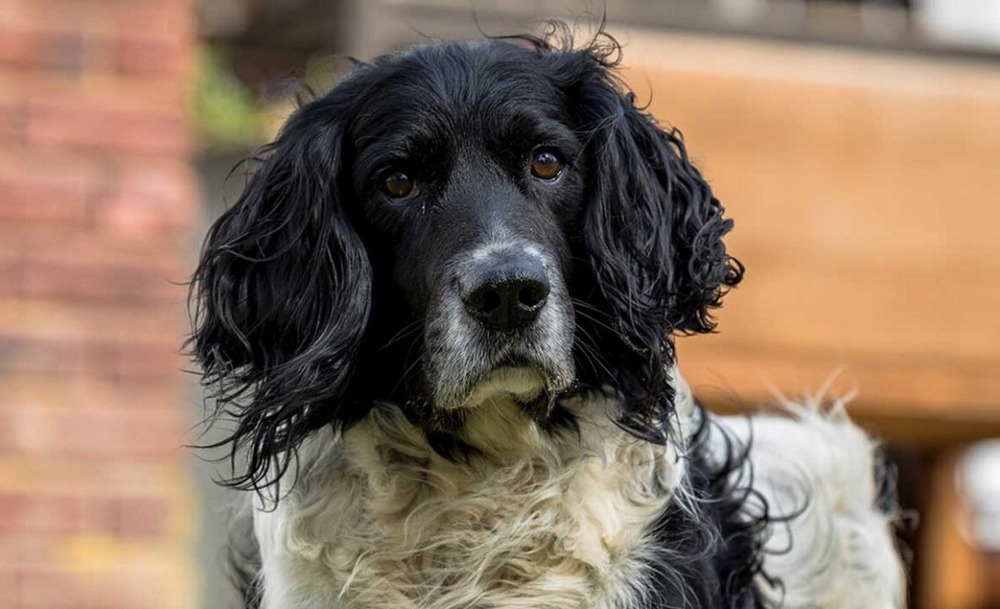
Photos can make the Blue Picardy Spaniel look almost uniform in colour, but in person the coat tends to show a fine mix of white and black hairs with mottling, which creates the characteristic blue-grey effect.1 It is a practical working coat, not a delicate one, and it is usually described as slightly wavy and moderately long, with some feathering on the ears, legs, and tail.
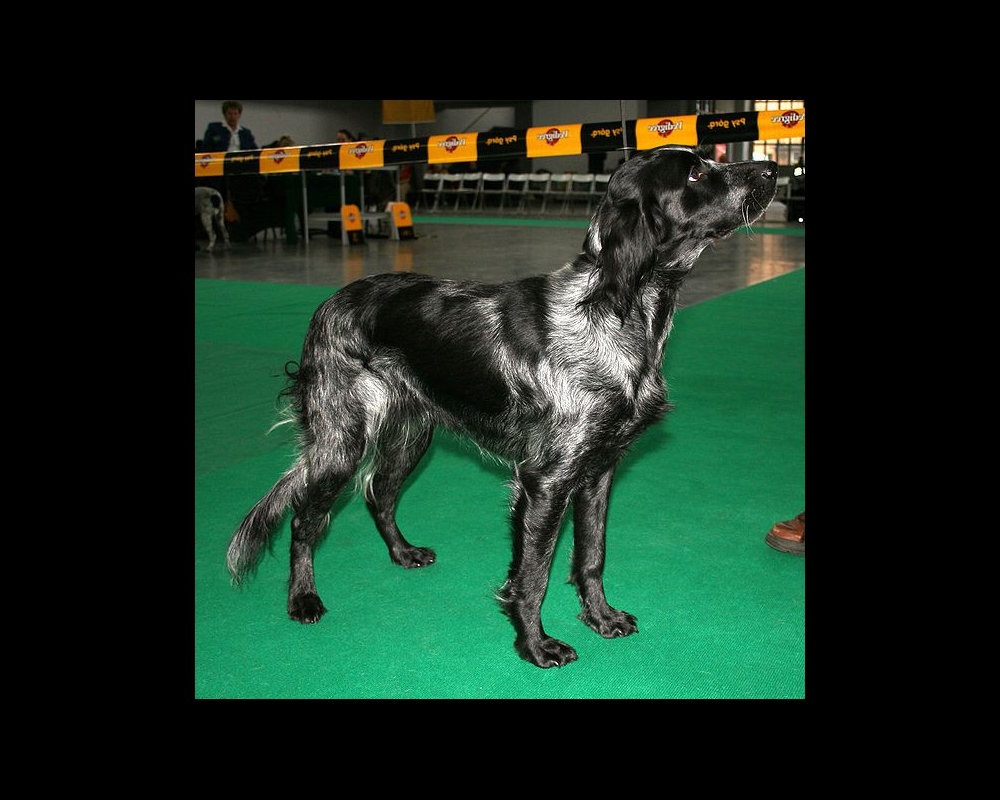
The head is expressive without being heavy, the ears are long and set fairly low, and the body is built for endurance rather than sprinting. If you are meeting one for the first time, the overall impression is often athletic but not sharp, a dog designed to keep going and keep checking in.
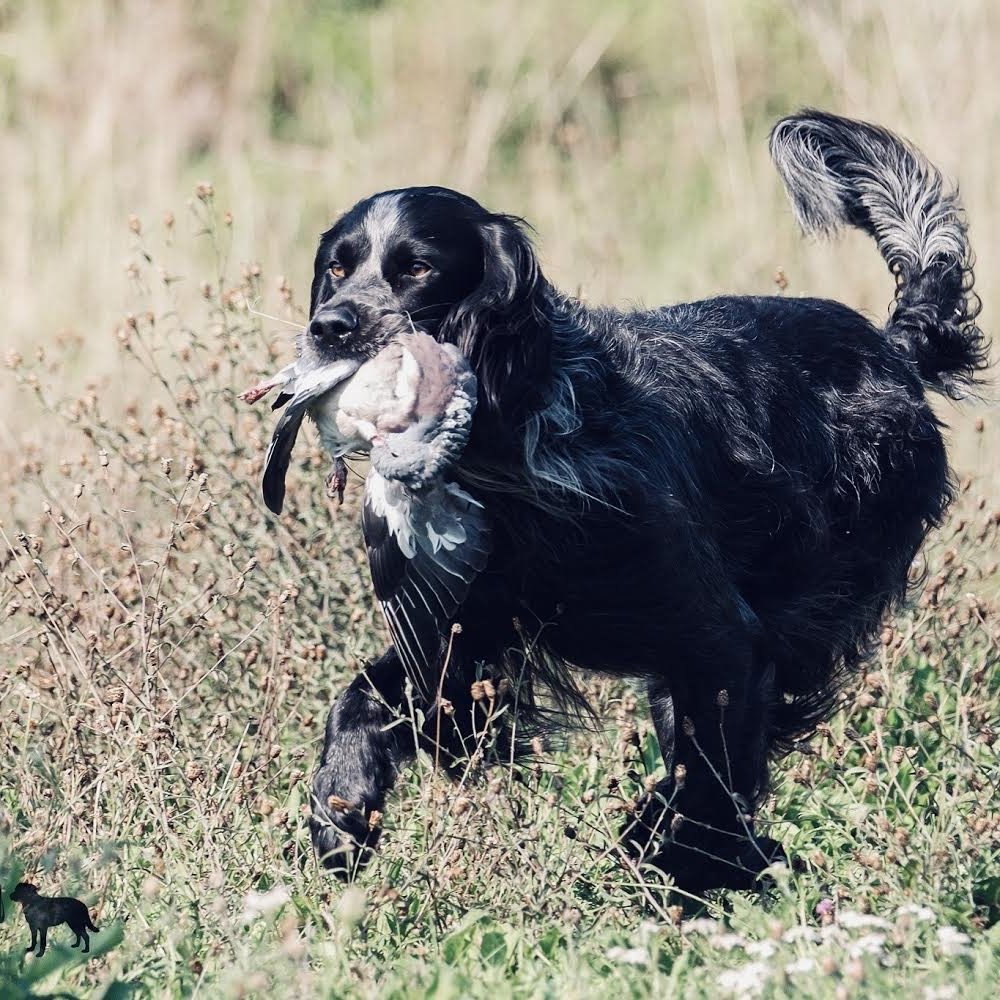
You will sometimes see claims about “webbed feet”. Many dogs have some degree of skin between the toes, and water loving breeds often have more noticeable interdigital webbing, but it varies between individuals. What matters in practice is that these dogs are generally strong swimmers and are often comfortable working in wet terrain.1
Temperament and everyday behaviour
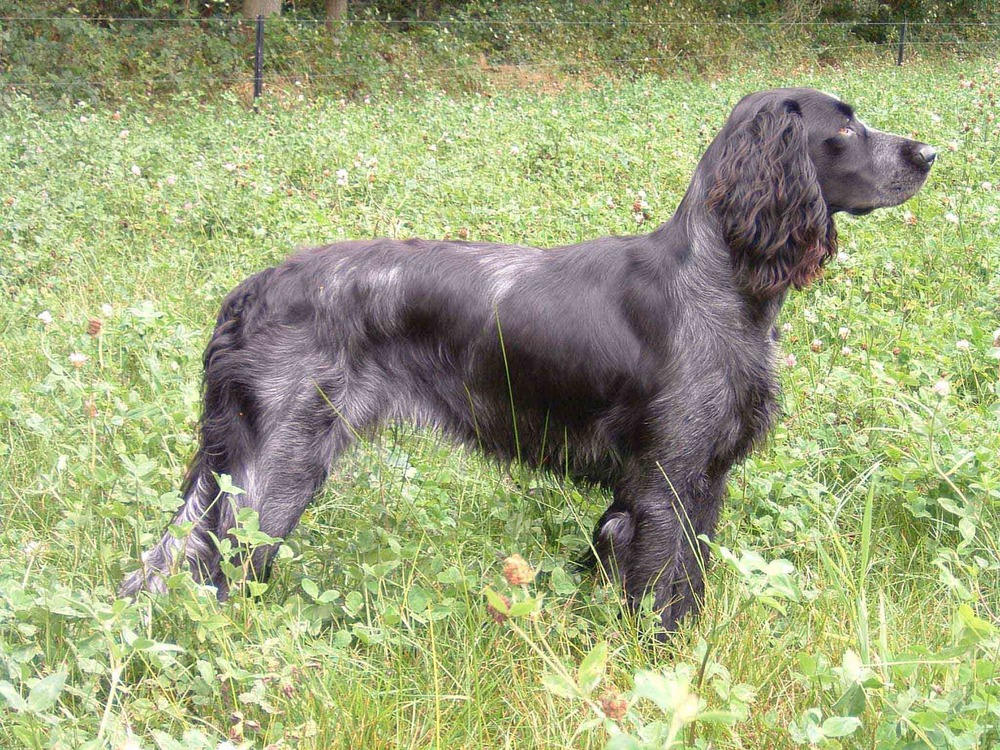
Well bred Epagneul Bleu de Picardies are widely described as steady, biddable gundogs with a gentle manner at home, particularly when they are getting enough physical exercise and mental work.2, 1 They tend to be people oriented, and many do best when they can spend plenty of time near their family rather than being left to entertain themselves.
It is easy to read “gentle” as “low energy”, and that is where people can come unstuck. This is still a dog developed to range, scent, and retrieve for hours. If that drive has nowhere to go, you can see the usual signs of a bright working breed that is under-occupied: busy behaviours, restlessness, and difficulty settling.
With children and other pets, individual temperament and early experiences matter more than breed labels. In general, many are sociable and tolerant, but they still need supervised interactions, especially in high excitement moments like ball games, visitors arriving, or meal preparation.
Training that suits a sensitive, clever gundog
The Blue Picardy Spaniel is usually at its best with training that is clear, calm, and consistent. A lot of gundog breeds can be surprisingly sensitive to harsh handling, and a thoughtful approach tends to produce a dog that works because it understands the job and enjoys the partnership, not because it is being pressured.
For most households, a simple plan works well:
- Reward based foundations (food, toys, access to the outdoors) to build reliable recall and calm walking manners.
- Short sessions that end before the dog switches off.
- Plenty of “real life” practice, including waiting at doors, settling on a mat, and calm greetings.
If your dog shows strong hunting interest, it can help to channel it rather than trying to remove it. Scent games, structured retrieving, and “find it” searches in long grass can meet the dog where it is, and reduce the urge to self-appoint as the household wildlife patrol.
Exercise needs and why they are easy to underestimate
Many Epagneul Bleu de Picardies need a solid daily outlet, not just a slow lap of the block. Think in terms of both movement and engagement: brisk walking, off lead running where legal and safe, retrieving, and time using their nose.
A useful rule of thumb is to aim for at least an hour of combined activity most days for a healthy adult, then adjust up or down based on the dog in front of you, the weather, and your vet’s advice. Puppies and adolescents benefit from variety and skill building, while older dogs often do better with frequent, moderate sessions rather than one long outing.
In hot Australian weather, plan exercise timing carefully. Heat stress can escalate quickly, and dogs cool themselves mainly by panting, which is less effective in heat and humidity.7, 8 Early morning walks, shaded routes, and easy access to water matter more than pushing for kilometres.
Health considerations to keep in mind
No breed is “free” of health issues, and rare breeds can be a mixed picture. On one hand, a smaller gene pool can concentrate problems if breeders are not careful. On the other, thoughtful breeders may be highly selective and transparent. The most practical approach is to assume you will need routine healthcare, and to ask good questions before you commit.
Two issues that come up regularly in spaniels and other drop eared breeds are:
- Ear infections (otitis externa), where moisture, wax, allergies, or trapped debris can trigger inflammation and infection, and floppy ears can increase risk by reducing airflow.3, 4
- Hip dysplasia, a developmental joint condition seen across many medium to large active breeds, which is influenced by genetics and environment. Screening and sensible growth management are both important.6
If your dog swims often, is prone to itchy skin, or has recurring ear trouble, it is worth working with your vet on prevention. Regular checks, appropriate cleaning, and avoiding over-cleaning or home remedies that irritate the canal can make a big difference over time.4
Grooming and maintenance in a real household
The coat is usually quite manageable, but it does not look after itself. Weekly brushing is a sensible baseline for most dogs, with extra attention to the feathering where grass seeds and burrs can cling.
After muddy walks or trips through scrub, a quick rinse and towel dry is often easier than waiting for dirt to set into the coat. If your dog swims, check the ears afterwards and dry the ear flap and outer ear gently, since lingering moisture can be one of the factors that contributes to otitis in long eared dogs.3
Most households find that routine, not perfection, is what keeps this breed comfortable. Nails, teeth, ears, and coat all benefit from small, regular touch points rather than occasional major grooming sessions.
Feeding and keeping an active dog in good condition
For an athletic gundog type, the goal is steady body condition and resilient muscle, not maximum size. A high quality complete diet that suits your dog’s life stage is usually the simplest path, then you adjust portions based on appetite, workload, and weight trends.
It helps to learn what “fit” looks like on your own dog. You should generally be able to feel ribs under a light cover, see a waist from above, and notice a tuck from the side. If you are unsure, your vet can help you set a target weight and a practical feeding plan.
Be cautious with rich treats and table scraps, not because they are “bad”, but because they add up fast in a medium sized dog, and extra weight can worsen joint wear over time.6
Is this a good match for your life?
The Epagneul Bleu de Picardie tends to suit people who like doing things with their dog. That might be hunting, structured training, long bushwalks, or simply being the sort of household where the dog gets included in daily routines and has enough meaningful activity.
It can be a harder fit if you need a dog that is content with minimal exercise, or if you are away for long hours most days without a plan for enrichment and companionship.
Because the breed is rare, it is worth taking your time. If you are sourcing a puppy, look for a breeder who can explain health screening, temperament goals, and what their dogs are like to live with. If you are adopting an adult, ask about exercise needs, recall reliability, and any history of ear or skin issues.
References
- Federation Cynologique Internationale (FCI): Epagneul Bleu de Picardie (Standard No. 106)
- Wikipedia: Blue Picardy Spaniel (overview and history summary)
- The Animal Medical Center: Ear infections in pets, causes and treatments
- American Kennel Club: How to help prevent dog ear infections
- The Kennel Club (UK): Otitis externa in dogs
- RSPCA Knowledgebase: What is hip dysplasia in dogs?
- Agriculture Victoria: Heat and pets
- RSPCA Australia: Keeping your pet safe during the heat
- Animal Referral and Emergency Network (Australia): How to keep pets safe in hot weather