

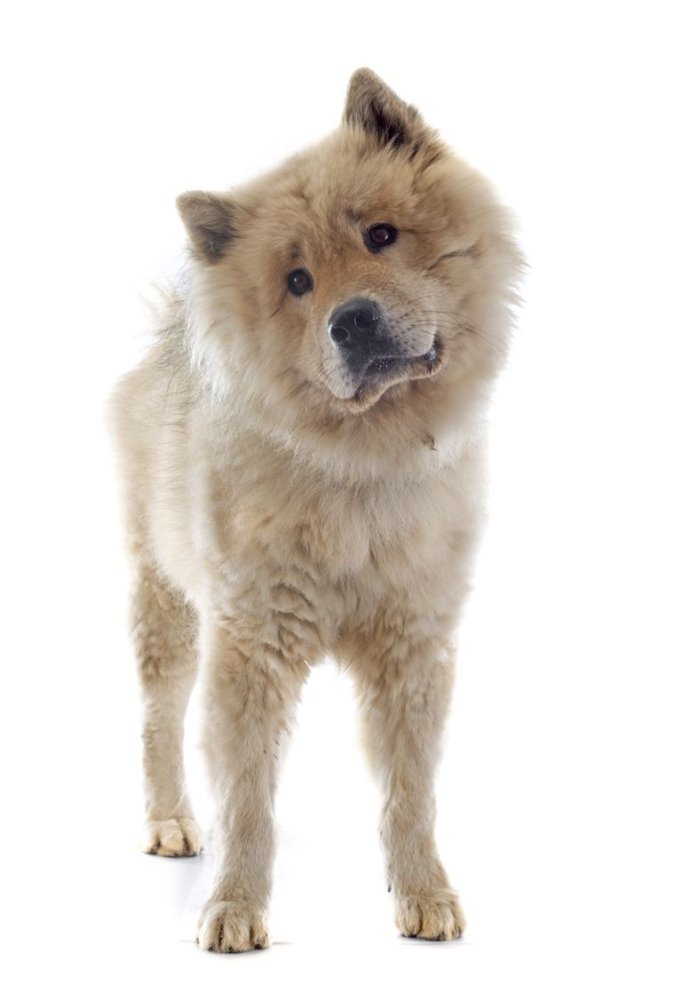
People often notice Eurasiers because of that plush, wolfy outline, the curled tail, the steady gaze. They can look like a dog with a big “presence”, and it is easy to assume they will be bold, loud, or highly driven.
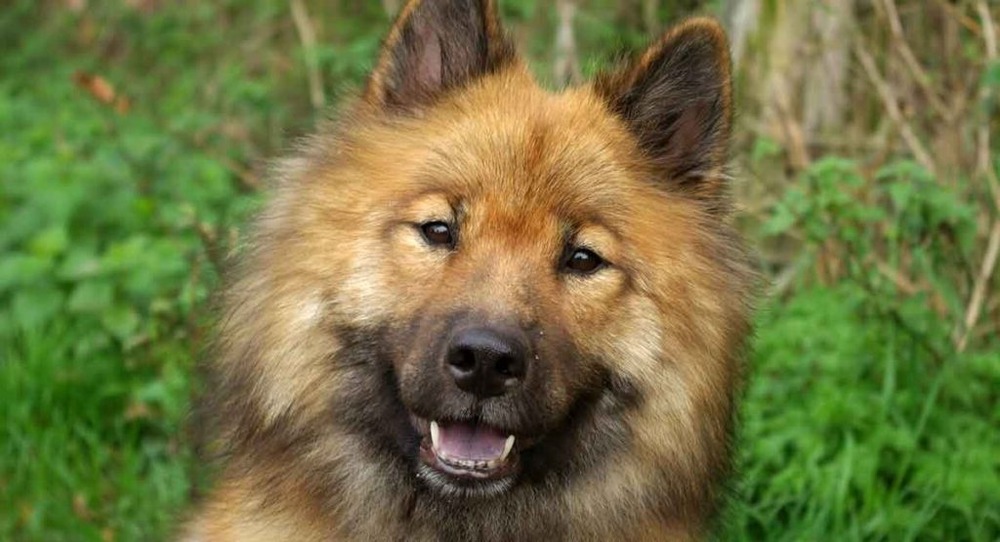
Then you meet one, or share a home with one, and the picture can feel different. Many Eurasiers move through the world with a kind of quiet self-possession. They tend to watch first, then decide what is worth engaging with, which can be soothing in a busy household and slightly puzzling if you are used to breeds that greet everyone like a long-lost friend.
Understanding the Eurasier is mostly about noticing how they respond to people, novelty, and routine, and then shaping daily life around that. Thoughtful socialisation, sensible exercise, and coat care matter, but so does giving them space to warm up at their own pace.
- Breed category: Companion dog
- Country of origin: Germany
- Average height: Males 52 to 60 cm, females 48 to 56 cm
- Average weight: Males 23 to 32 kg, females 18 to 26 kg
- Typical lifespan: 12 to 14 years
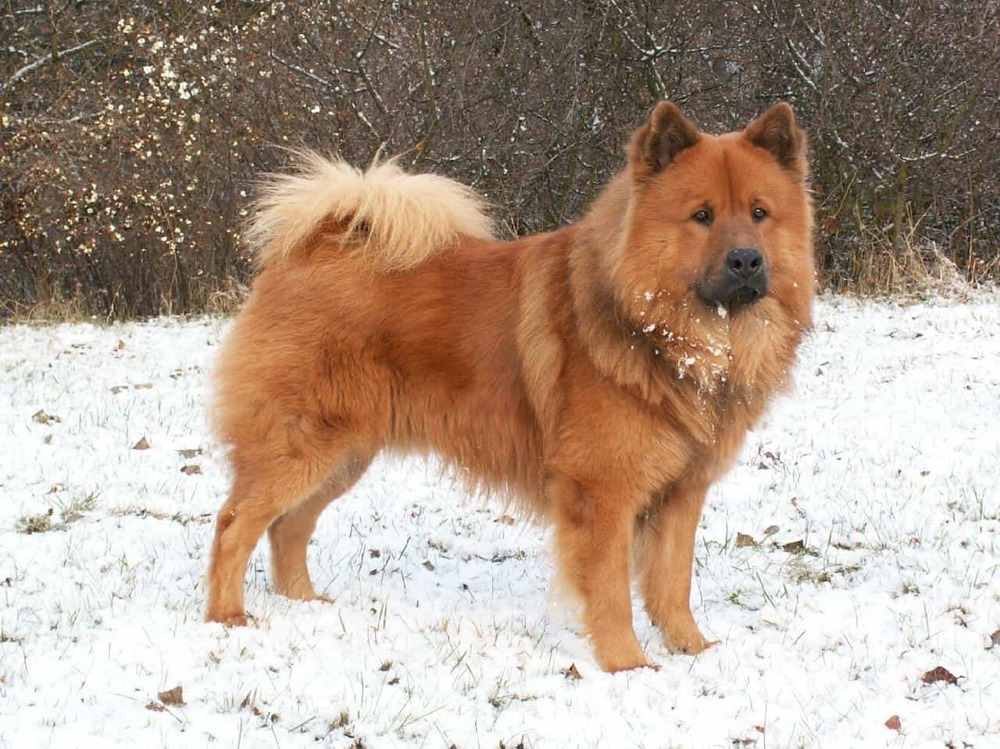
- Coat: Thick double coat
- Common colours: Fawn, red, wolf-grey, black (many shades exist)
- Shedding: Moderate to high
- Exercise needs: Moderate daily exercise
- Grooming needs: Weekly brushing, more during heavy shedding
- Often described as: Calm, loyal, family-oriented, reserved with strangers
Development and role of the Eurasier
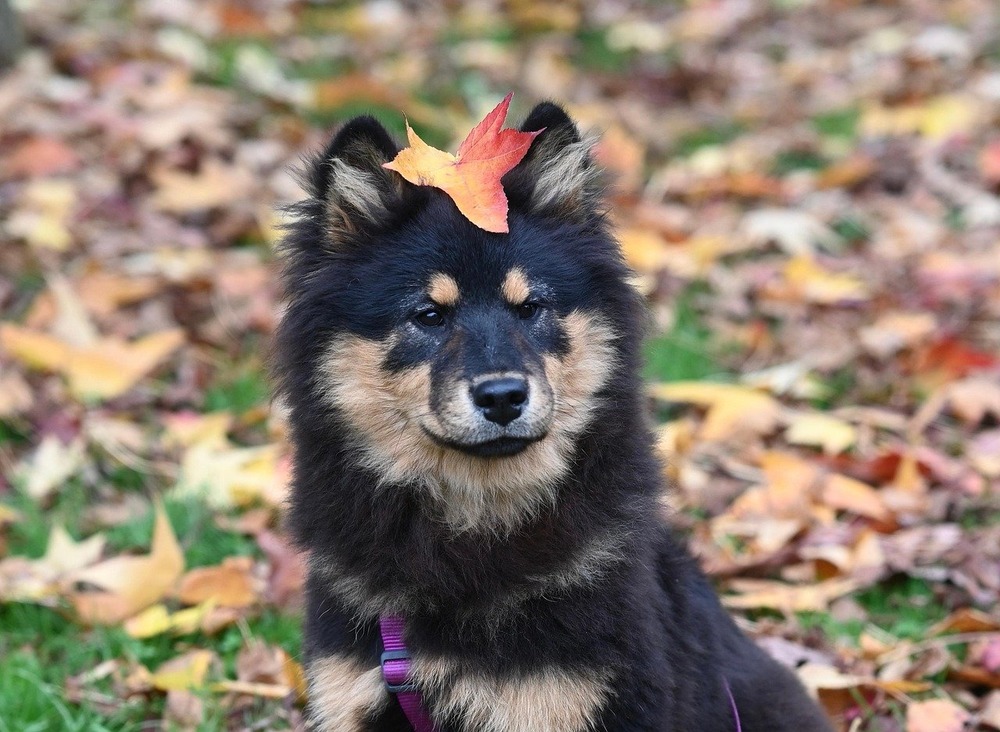
The Eurasier is a modern spitz-type companion breed developed in Germany. The early program crossed Wolfspitz (Keeshond type) with Chow Chow, producing dogs initially called “Wolf-Chow”. Later, Samoyed was introduced to broaden the gene pool and refine type and temperament.1, 2
Breed histories can sound neat on paper, but what matters day to day is the intention behind them. The Eurasier was bred to be a steady household companion, not a specialist working dog, and many of their “quirks” make more sense when you view them through that lens.1
The Federation Cynologique Internationale (FCI) recognises the Eurasier as a German companion breed in Group 5 (Spitz and primitive type). The FCI notes the breed’s development starting in 1960 and its later cross with Samoyed before recognition.2
What they are like to live with
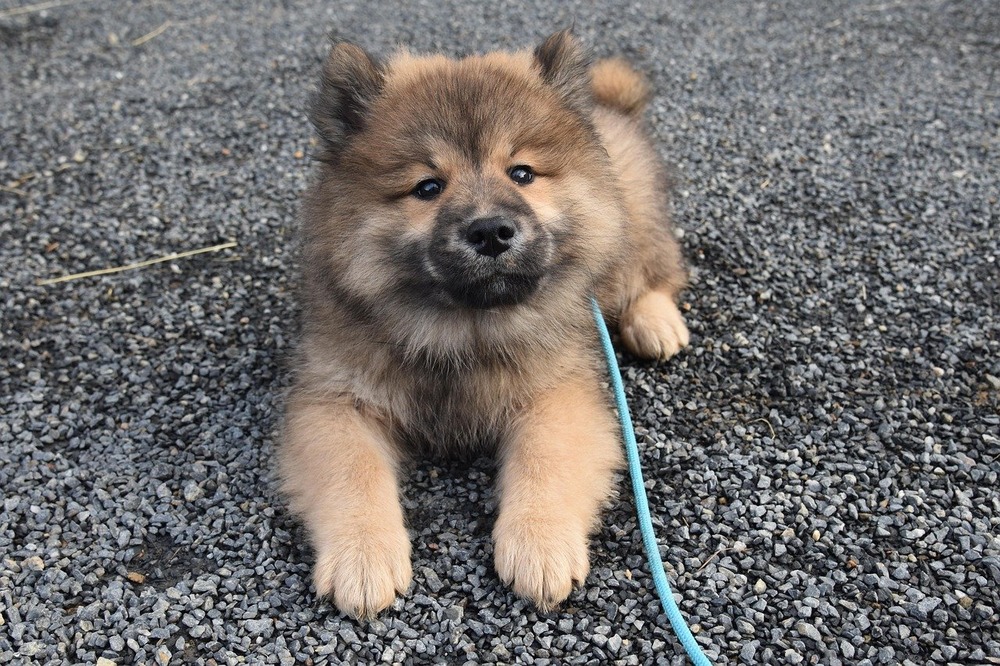
Eurasiers are often described as calm, attached to their people, and more observant than pushy. Many are reserved with unfamiliar visitors, which is not the same thing as being sharp or unfriendly. It is often a “watch first” response, especially if they have not had much practice meeting new people in low-pressure settings.
They typically do best in homes that enjoy a dog as part of the household rhythm, not the centre of constant attention. A Eurasier that can settle is a pleasure, but settling is easier when their needs for movement, enrichment, and social contact are met in a predictable way.
If you are choosing the breed, it helps to aim for realistic expectations: a dog that may not love being approached by strangers, but can learn to cope well, and a dog that may not be “obedience flashy”, but can be beautifully responsive to calm, consistent handling.
Training and socialisation that suits the breed
Because Eurasiers can be naturally cautious, early socialisation is most useful when it is slow, friendly, and controlled. Think of it as building a catalogue of ordinary experiences, rather than pushing them into overwhelming situations. The goal is a dog that can stay relaxed and recover quickly, not one that is forced to “say hello” to everything.
Training tends to go best with short sessions, clear cues, and rewards the dog genuinely values. Many Eurasiers respond well when the work feels cooperative rather than confrontational. Positive reinforcement is not about letting a dog do whatever they want, it is about making the right behaviour easy to repeat.
- Keep greetings optional: allow the dog to approach, sniff, then disengage without being handled by strangers.
- Build calm routines: mat training, quiet lead walking, and relaxed time alone (in small steps).
- Use enrichment that suits a spitz brain: sniff walks, food puzzles, simple searching games.
Exercise and daily routines
Eurasiers usually suit moderate exercise. Many are happy with a daily walk plus some play and mental work, especially if the walk includes time to sniff and explore. A busy, high-arousal lifestyle can make some individuals more watchful and less settled, so it is worth paying attention to the dog you have in front of you.
As a general guide, plan for:
- One or two daily walks at a comfortable pace.
- Brief training or enrichment most days.
- Opportunities to rest undisturbed, especially in family homes.
Health considerations and lifespan
A commonly quoted lifespan for the breed is around 12 to 14 years, although individuals vary. The most useful approach is not fixating on a number, but staying consistent with preventative care, weight management, and early attention to changes in movement, appetite, coat, or behaviour.
Like many medium to large breeds, hip dysplasia is a condition owners often hear about. It is influenced by multiple factors, including genetics and environment, and it can range from mild to significant. Responsible breeders use screening schemes and health records to reduce risk over time.3
Another condition sometimes discussed in Eurasier circles is hypothyroidism. If your dog shows signs like unexplained weight gain, lethargy, or coat changes, it is a conversation for your vet rather than a diagnosis to assume. Thyroid testing is one tool vets may use when it fits the overall picture.4
The everyday takeaway is simple: keep them lean, keep them moving, and treat “slowing down” as information worth checking, not something to explain away.
Coat care and grooming routines
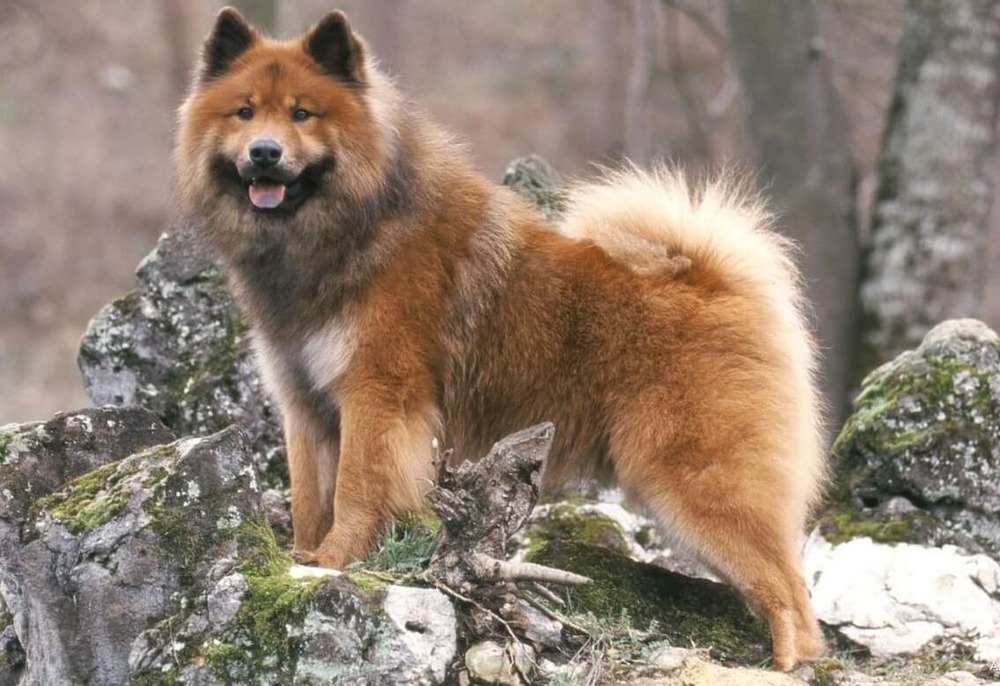
The Eurasier’s double coat is one of the first things people fall for, and one of the first things they underestimate. Weekly brushing is a good baseline for many double-coated dogs, with more frequent sessions when the undercoat is shedding heavily. Regular grooming helps prevent knots, reduces loose hair around the house, and makes it easier to spot skin issues early.5
If your Eurasier is “blowing coat”, brushing every few days, or even daily for a short period, can be kinder than trying to catch up in one long session. A line-brushing approach and an undercoat tool chosen for the coat type can help, but gentle handling matters more than any single gadget.
Bathing is individual. Some Eurasiers do well with occasional baths, others need them rarely, but it helps to rinse thoroughly and dry properly through the undercoat so dampness is not trapped against the skin. If you are unsure what is appropriate for your dog’s coat and lifestyle, ask a reputable groomer or your vet for guidance.
Avoid shaving unless your veterinarian recommends it for a medical reason. For double-coated breeds, clipping very short can interfere with coat function and may create coat management problems later.6
Nutrition and feeding, keeping them comfortably lean
Most Eurasier feeding problems are not complicated, they are cumulative. A few extra treats here, a second helping there, and within months you can have a dog carrying more weight than their joints want. For breeds where hip health matters, body condition is not cosmetic, it is practical.
The World Small Animal Veterinary Association (WSAVA) encourages routine nutrition assessment as part of veterinary care, including using body condition scoring and tailoring a diet plan to the individual dog, rather than relying on generic advice online.7
Two simple habits help:
- Measure the main diet and track treats as part of daily intake.
- Use your hands regularly: you should be able to feel ribs with light pressure, without a thick layer of padding.
It is also worth knowing which “people foods” can genuinely harm dogs. In Australia, the RSPCA lists several common hazards including chocolate, grapes and raisins, onions and garlic (allium family), macadamias, and products containing xylitol, and it advises contacting a vet promptly if you think your dog has eaten something dangerous.8
Choosing a puppy or adult Eurasier
Because Eurasiers are still relatively uncommon in many places, it is worth taking your time. Look for breeders who prioritise temperament and health screening, who raise puppies with careful exposure to everyday life, and who ask you thoughtful questions about your home and expectations. A good breeder usually cares where their dogs end up.
If you are considering an adult dog, ask about their history with visitors, other dogs, handling, and time alone. With a breed that can be reserved, the right match matters at least as much as training skill.
Final thoughts
The Eurasier tends to suit people who appreciate a companion with a calm centre, a dog that does not need to greet the whole world, and a dog that thrives when life is steady and respectful. Their coat and looks might draw you in, but it is their quiet way of being in a home, watching, learning, and staying close, that usually makes people stick with the breed.
Get the foundations right, gentle socialisation, regular grooming, sensible exercise, and a diet that keeps them lean, and you are much more likely to see the Eurasier at their best.
References
- United States Eurasier Club, History
- Federation Cynologique Internationale (FCI), Eurasier (Standard No. 291)
- Australian Veterinary Association (AVA), Companion animal breeding and welfare (policy and guidance)
- Cornell University College of Veterinary Medicine, Hypothyroidism in Dogs
- RSPCA Pet Insurance (Australia), Guide to dog cleaning and grooming
- RSPCA Knowledgebase, Should I shave my dog in summer?
- World Small Animal Veterinary Association (WSAVA), Global Nutrition Guidelines
- RSPCA Australia, Household dangers to your pet (toxic foods and other hazards)