

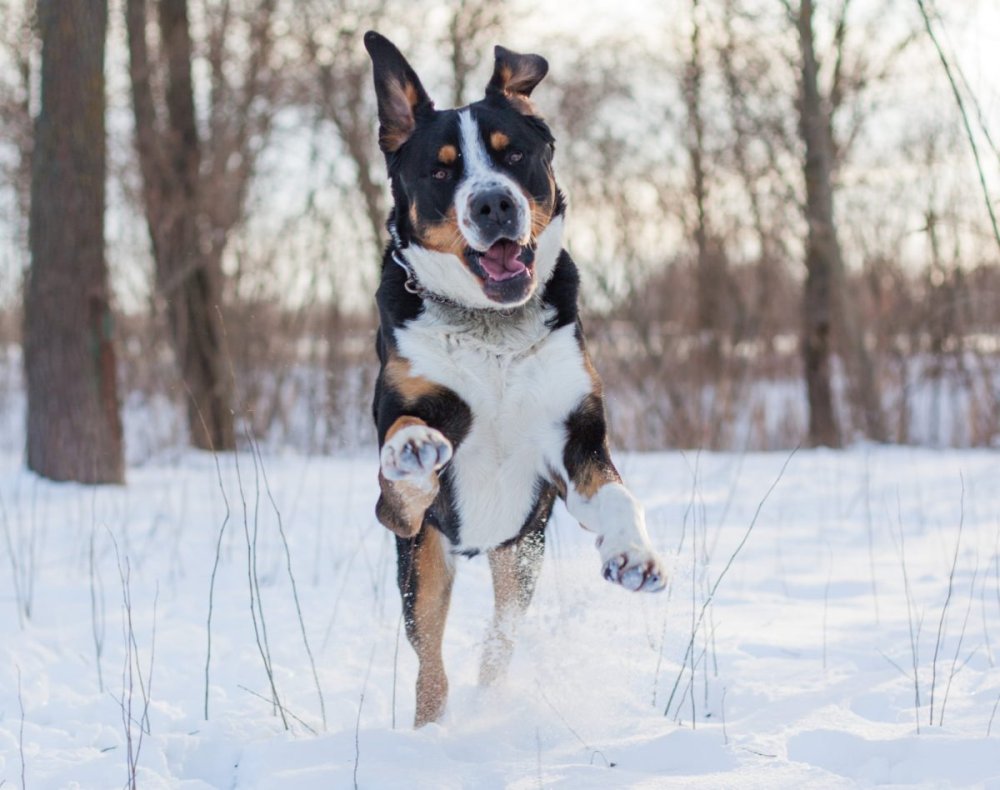
People often come across Greater Swiss Mountain Dogs in a moment that leaves an impression: a big, tricolour dog standing quietly at the school gate, or a “gentle giant” at the park who looks powerful enough to pull a ute, yet moves with surprising ease. The curiosity usually follows later. What sort of life does a dog like that actually need, day to day, and what are the trade-offs?
It is easy to assume that a large working breed is automatically high-maintenance in every way, or that a calm dog must be an “easy” dog. With a Swissy, both ideas can be a bit incomplete. They can be steady and affectionate, but their size, strength, heat sensitivity, and some breed-associated health risks mean they suit some households far better than others.
Getting clear on what they were bred for helps. Not because modern families need a cart-dog, but because the same body and instincts that made them useful on farms still shape how they learn, rest, play, and cope with family life now.
At a glance: what a Greater Swiss Mountain Dog is like
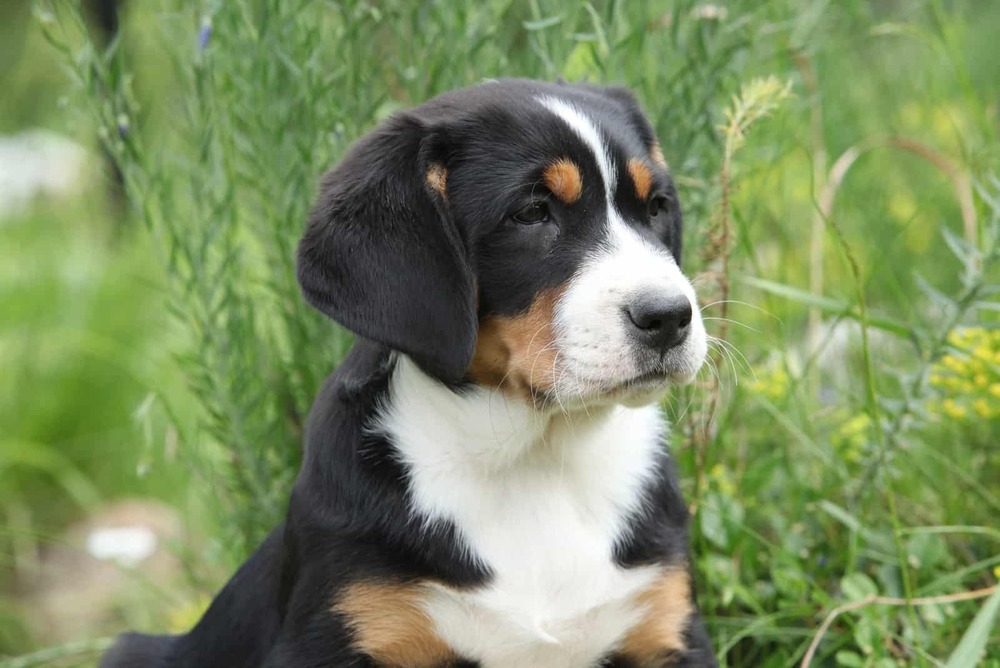
The Greater Swiss Mountain Dog is a large working breed from Switzerland, part of the Swiss “Sennenhund” tradition of farm dogs used for droving, guarding, and hauling. Their hallmark is a short, dense double coat in black with rust and white markings, paired with a heavy-boned, athletic build. Their temperament is often described as steady and people-oriented, with a watchful streak that benefits from early guidance and thoughtful socialisation.
- Group: Working
- Height: roughly 60 to 72 cm at the shoulder (varies by sex and lineage)
- Weight: commonly 40 to 70 kg
- Typical lifespan: around 8 to 11 years
- Coat: double coat, moderate to heavy seasonal shedding
Origins and working background
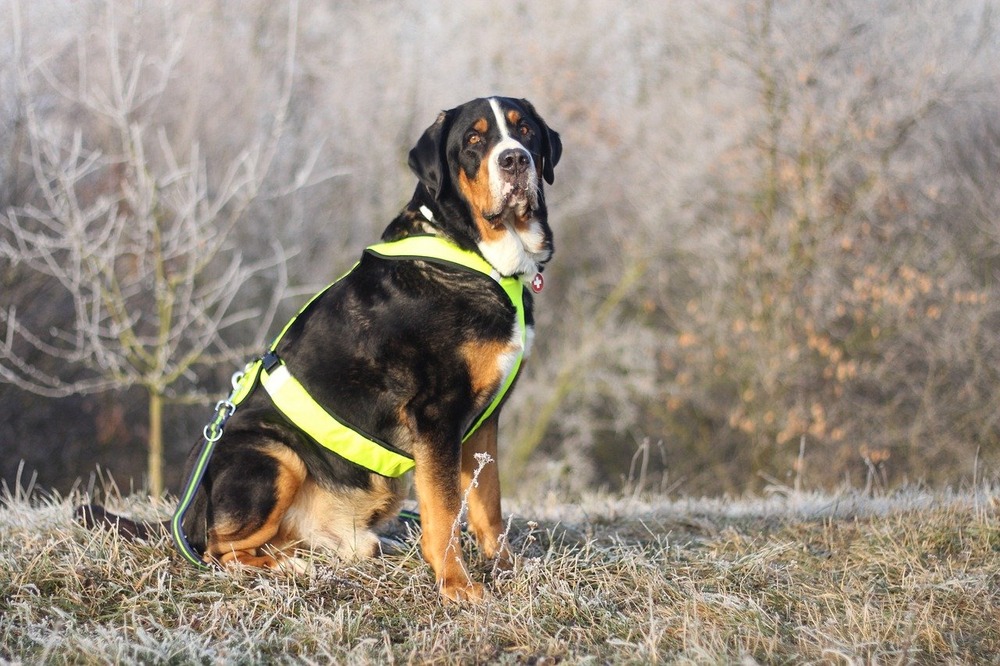
Swissies were shaped by practical farm needs in mountainous regions, where a dog had to do a bit of everything: move cattle, deter intruders, and pull loads. That “all-rounder” background still shows up today in their preference for being near their people and their tendency to take the environment in before deciding what to do.
Many breed histories discuss possible links to large mastiff-type dogs brought into Europe during Roman times, but that part is best held lightly. What is clearer is the breed’s modern preservation work in Switzerland in the early 1900s, with enthusiasts helping to formalise a type that had started to fade from view.3
If you are reading US-based sources, you will often see that the breed entered the American Kennel Club as a fully recognised Working Group breed in 1995.1
Temperament, family life, and the “gentle giant” idea
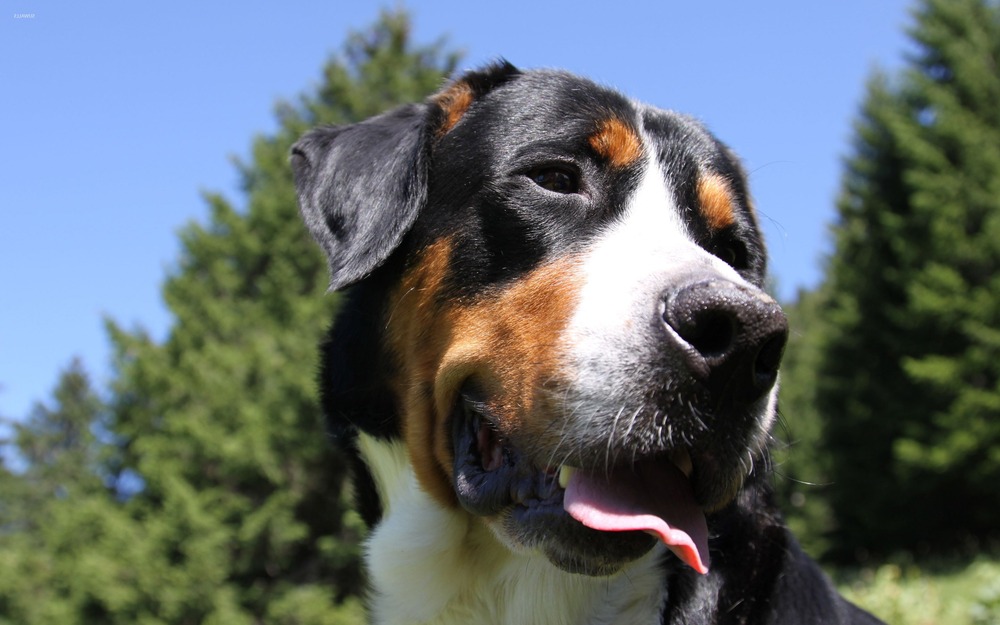
A well-bred, well-raised Swissy often has a grounded, uncomplicated presence. They can be affectionate and calm in the home, but they are not ornamental dogs. Their size alone means they can knock over a small child without meaning to, and their strength means manners are not optional.
It can help to think of them as steady, not soft. Many Swissies are tolerant with children and enjoy being part of family routines, but they still need adults to manage greetings, supervise play, and teach kids how to interact respectfully with any large dog.
With other pets, early introductions and ongoing management matter more than breed stereotypes. Some Swissies live peacefully with cats and smaller dogs, while others need clearer boundaries. In multi-pet homes, the safest approach is to assume supervision will be part of the plan, especially during high-energy moments like arrivals, feeding, and backyard excitement.
Training and socialisation that fits the breed
Swissies tend to do best with training that is calm, consistent, and practical. Because they mature into a powerful adult, early work is less about tricks and more about everyday cooperation: coming when called, settling on a mat, walking on a loose lead, and being comfortable with handling (ears, paws, mouth) for grooming and vet visits.
Reward-based training suits many individuals well, particularly when rewards are not just food, but also access to what they want, such as greeting a friend, hopping in the car, or moving towards a sniffy patch of grass. Short sessions, repeated often, usually land better than long drills.
For puppies, it is worth remembering that large breeds can keep growing until roughly 18 to 24 months, and heavy pounding exercise is not a badge of honour. Controlled movement and rest are part of protecting developing joints.2
Exercise and mental load: enough, but not relentless
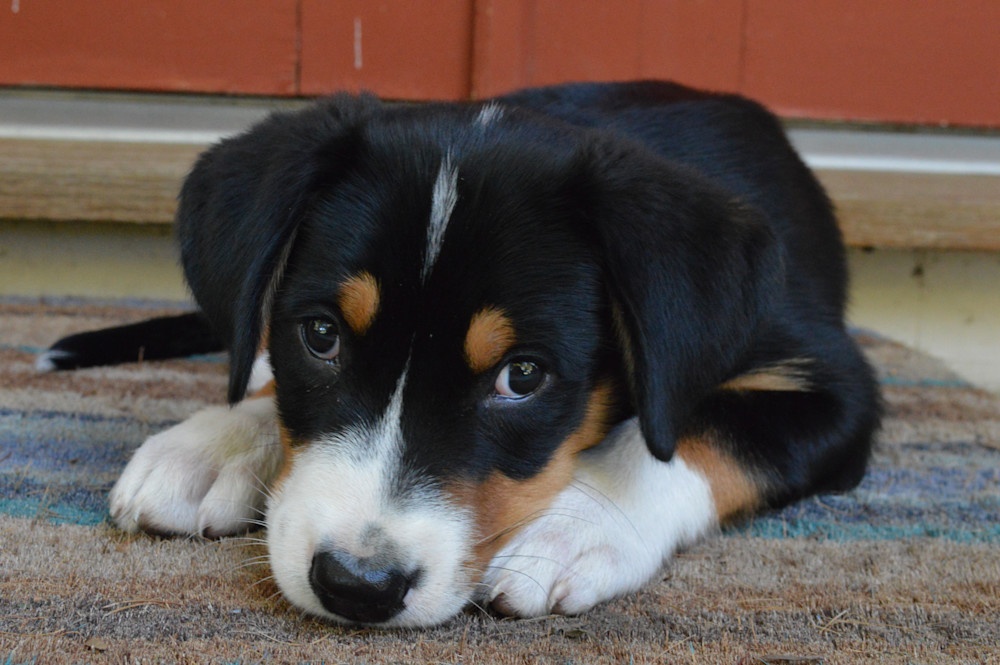
Swissies are active, but they are not always built to be endurance athletes in the way some herding and gundog breeds are. Many are happy with daily walks, some off-lead movement in a safe area, and a bit of purposeful “work” at home, such as carrying a pack (once mature), learning household jobs, or doing scent games.
In hot weather, their dark coat and large body mass can make heat management a genuine issue. A sensible rule is to exercise early or late, offer shade and water, and be willing to swap a walk for indoor enrichment when the day is warm.9
If you are trying to gauge whether a Swissy’s needs are being met, look for the everyday signs: a dog who can settle after activity, who is not constantly pestering for stimulation, and who maintains a healthy body condition without being overfed to keep them “calm”.
Health considerations to take seriously
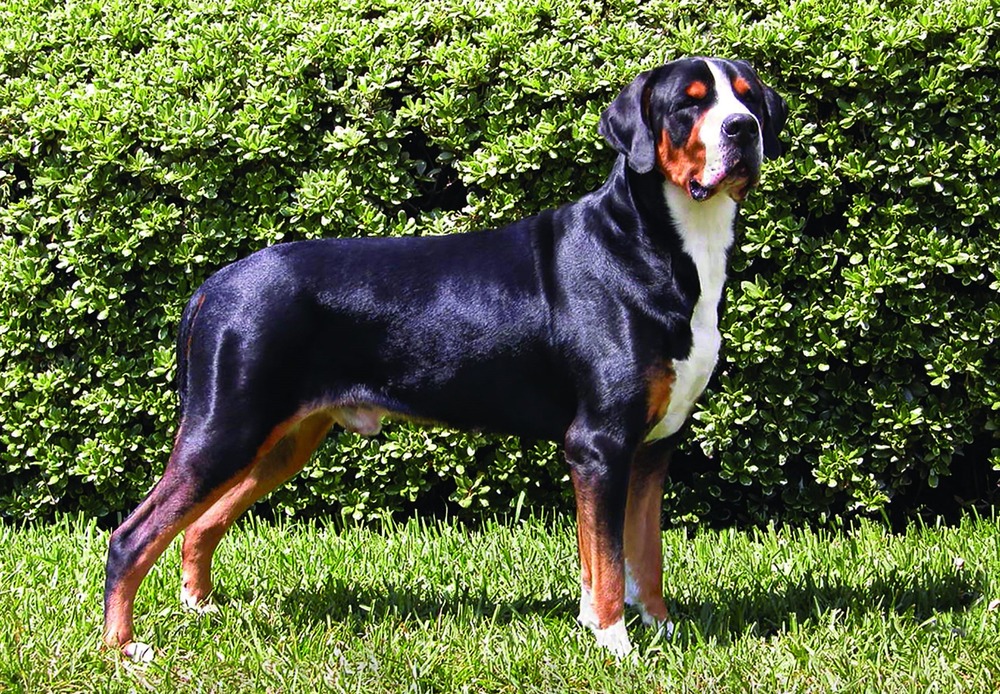
No breed is a guarantee, but large, deep-chested dogs come with some predictable risk areas. Two that owners commonly hear about with Swissies are hip dysplasia and gastric dilatation-volvulus (GDV), often called bloat.
Hip dysplasia and joint health
Hip dysplasia is influenced by genetics and environment. Weight management, appropriate exercise, and sensible puppy growth all matter, but they do not “cancel out” a genetic predisposition. Screening breeding dogs with radiographs is one of the key steps responsible breeders use to reduce risk over time.6
GDV (bloat): recognise it and plan ahead
GDV is a rapidly progressive emergency where the stomach dilates and can twist, cutting off blood flow and trapping gas. Large and deep-chested dogs are at higher risk, and it is worth discussing prevention strategies with your vet, including whether prophylactic gastropexy is appropriate for your dog.4, 5
Day-to-day habits can also matter. Many veterinary sources recommend avoiding one very large daily meal, managing fast eating, and being cautious with strenuous activity immediately after meals, particularly in at-risk dogs.4, 5
If you ever see repeated unproductive retching, a rapidly distending abdomen, sudden restlessness, drooling, or collapse, treat it as an immediate emergency and seek urgent veterinary care.5
Grooming, shedding, and everyday care
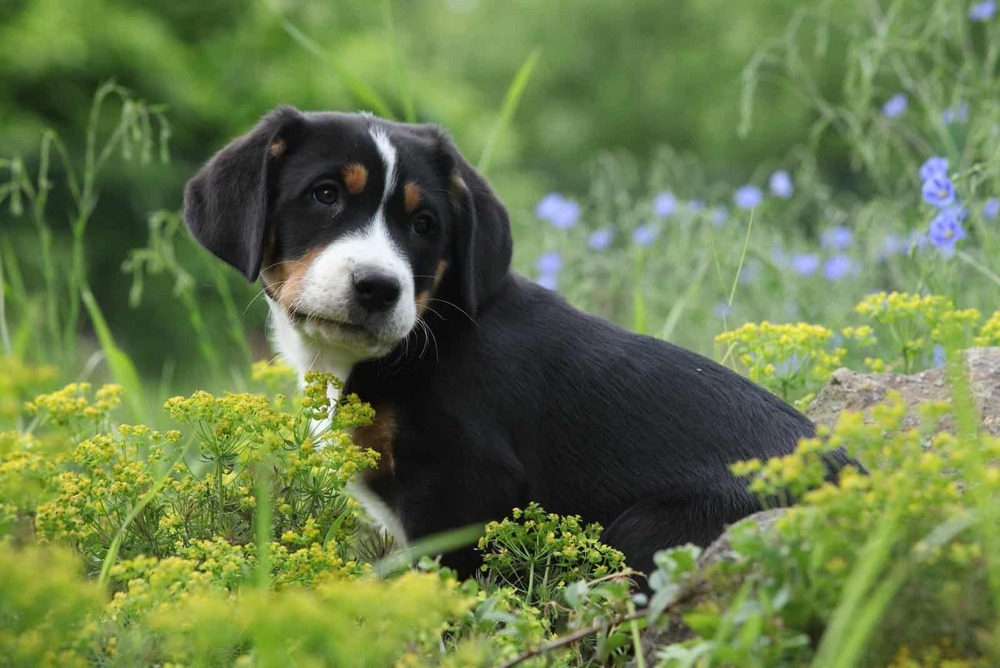
The Swissy’s coat is short, but it is not “no-care”. Weekly brushing suits many dogs most of the year, with heavier shedding seasons where you will be glad you own a decent brush and can tolerate a bit of hair in the house.
Basic maintenance is often the difference between a dog who copes well with handling and one who resists it. Keep nail trims regular, check ears, and build calm routines around being touched and examined. For large breeds, it also helps to practise cooperative behaviours like stepping onto scales, standing still for checks, and being comfortable with car ramps.
Feeding and keeping a Swissy in good condition
Swissies can look “right” to some people when they are heavier than ideal, simply because they are such a substantial breed. Staying lean is one of the kindest long-term choices you can make for joints and overall comfort.
Veterinary teams often use body condition scoring as a practical, repeatable way to track whether a dog is carrying too much fat, and to adjust food and activity before weight creeps up.7
Rather than fixating on a single perfect diet, aim for a consistent, complete food that suits your dog’s life stage, with measured portions, limited extras, and a clear plan for treats. If you are worried about growth rate, appetite, gut issues, or recurring ear and skin problems, it is worth bringing your questions to your vet so changes are made with the whole dog in mind.
Is a Greater Swiss Mountain Dog a good fit?
A Swissy can be a beautiful match for people who enjoy a sturdy companion, have the space and time to train a large dog properly, and can manage a dog who wants to be included in daily life. They often do best when they have a job of sorts, even if the job is simply coming along on errands, practising calm routines, and being part of a predictable household.
They are not ideal for every home. If you need a dog who thrives in constant heat, fits neatly into small living spaces, or can be left without much engagement, a Swissy may feel like hard work. If you enjoy training, can commit to early socialisation and manners, and you are comfortable planning around large-breed health realities, they can be quietly wonderful.
References
- American Kennel Club: Breeds by Year Recognized
- RSPCA Pet Insurance: Safely exercise your dog or puppy
- Greater Swiss Mountain Dog Club of America: Breed History
- American College of Veterinary Surgeons: Gastric Dilatation-Volvulus (GDV) and gastropexy
- Cornell University College of Veterinary Medicine: Gastric dilatation volvulus (GDV) or “bloat”
- UC Davis School of Veterinary Medicine: Hip dysplasia
- WSAVA: Global Nutrition Guidelines (including body condition score tools)
- American Animal Hospital Association (AAHA): Understanding canine bloat (GDV)
- American Kennel Club: Bloat (or GDV) in dogs