

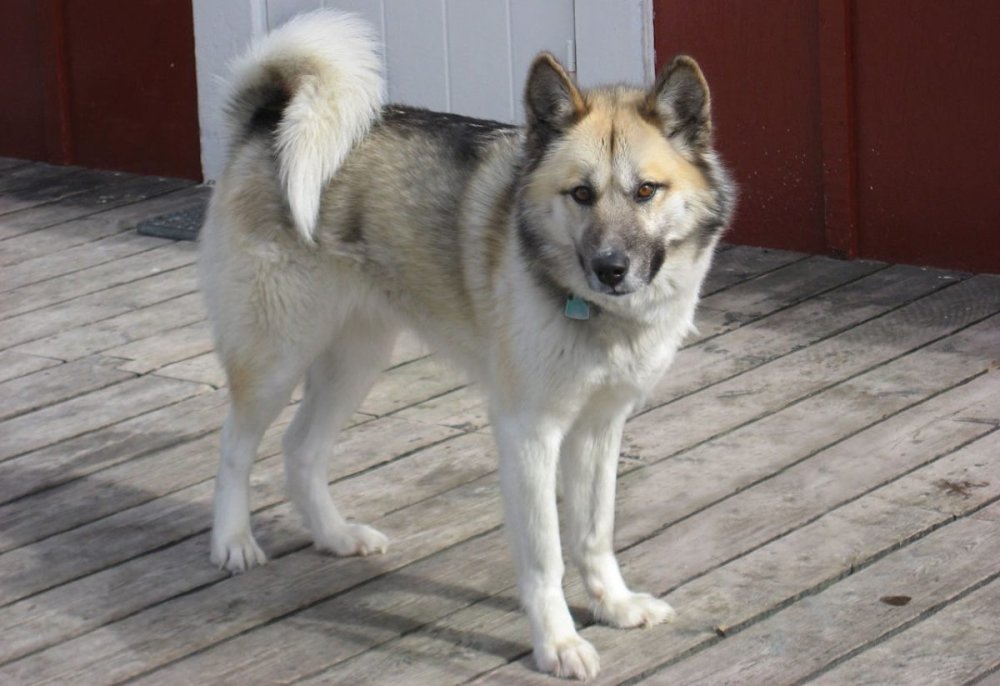
- Breed category: Working (Nordic sled dog)
- Country of origin: Greenland
- Typical height: Males from about 60 cm at the withers, females from about 55 cm
- Typical weight: Often around 30 to 32 kg (varies by build and conditioning)
- Average lifespan: Commonly 12 to 14 years
- Coat: Thick double coat
- Shedding: High, with heavy seasonal shed
- Temperament: Independent, robust, typically more “team” oriented with dogs than people
- Exercise needs: High, built for steady endurance work
- Apartment friendly: Usually no
- Climate: Cold tolerant, can be heat stressed in warm conditions
People usually come across the Greenland Dog in one of two ways. They see a photo of a powerful, wolfish-looking sled dog and assume it is just “another husky”. Or they meet a northern-type dog with a big coat and a bigger appetite for movement, then wonder why ordinary suburban routines do not quite fit.
The Greenland Dog is a working sledge dog developed for life in Arctic conditions, where stamina, tough feet, and the ability to cope with long days in harness mattered more than the modern idea of an easy-going family pet.1, 2 That background does not make them unsuitable for companionship, but it does change what “good care” looks like in practice.
If you are considering the breed, it helps to set aside the assumption that lots of exercise and a thick coat are the whole story. With Greenland Dogs, the day-to-day is often about management, boundaries, and purpose, plus a careful approach to heat, social life with other dogs, and training that respects independence rather than trying to out-stubborn it.
Where the Greenland Dog comes from
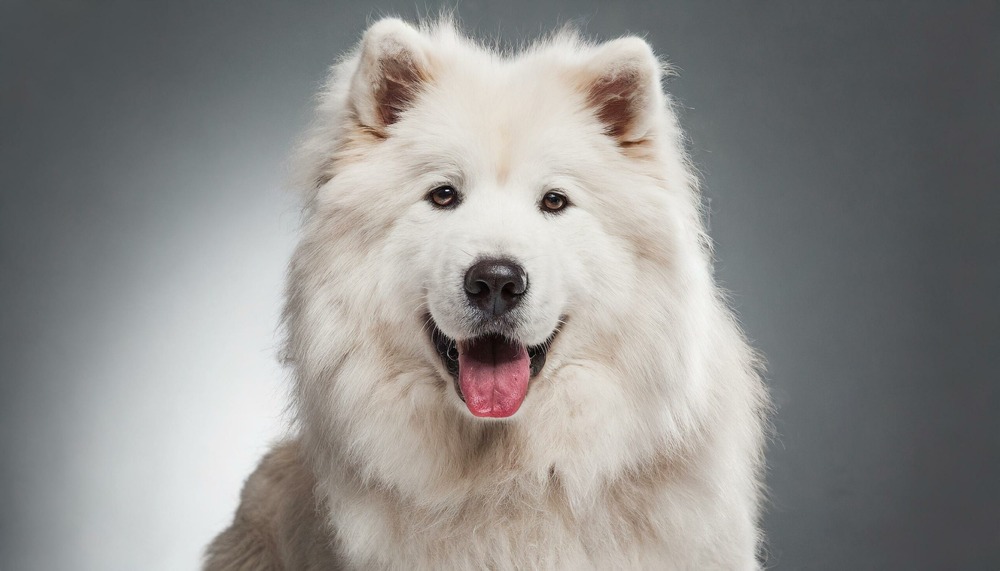
The Greenland Dog (also known as Grønlandshund, Kalaallit qimmiat) is one of the classic Nordic sledge dogs, closely tied to Inuit culture and the practical demands of transport and hunting in Greenland.2 Over time, selection favoured dogs that could travel long distances, live and work in teams, and keep going in conditions that would stop many other breeds.
Greenland Dogs also appear repeatedly in the history of Arctic travel, including polar exploration undertaken by dog team. Knud Rasmussen, a Greenlandic-Danish polar explorer, is one widely cited figure whose journeys helped cement the public image of dog sled travel across the north.3
Breed standards describe a dog built for function rather than ornament: a strong, compact body, dense double coat, and a tail carried in a curve or curl over the back, all useful features in cold environments.1, 4
Temperament, social life, and suitability
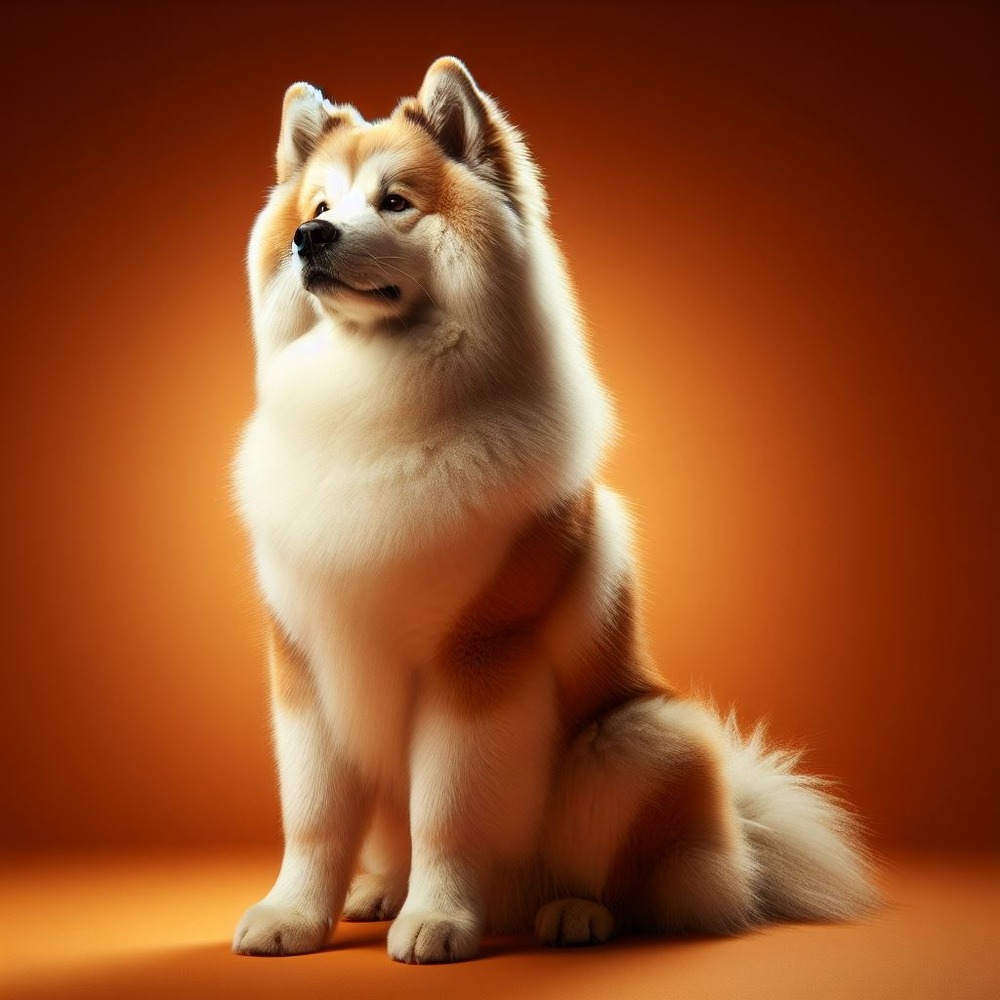
Owners often describe Greenland Dogs as bright and observant, but not especially interested in performing for strangers. In many lines, you see an independence that makes sense for a dog expected to cope in challenging environments, often alongside other dogs rather than closely “checking in” with a person at every moment.1, 4
This is where suitability becomes quite personal. Some households love a dog that can settle without constant reassurance. Others find the same trait difficult, especially if they were expecting a more biddable, people-focused companion.
Children and visitors
With children, the usual considerations apply: size, strength, and excitement levels can make supervision sensible, particularly with visiting kids who do not know how to read canine body language. It is less about assuming the dog is “bad with kids”, and more about accepting that good moments are built through calm routines, clear rules, and safe spaces.
Other animals
Because the breed has a strong working background and is commonly socialised around other dogs, many individuals can do well with canine company. With smaller pets, it can vary. If you are planning a mixed-species household, it is worth approaching introductions carefully, and getting professional help early if you see chasing, fixation, or difficulty disengaging.
Training that actually works for an independent working dog
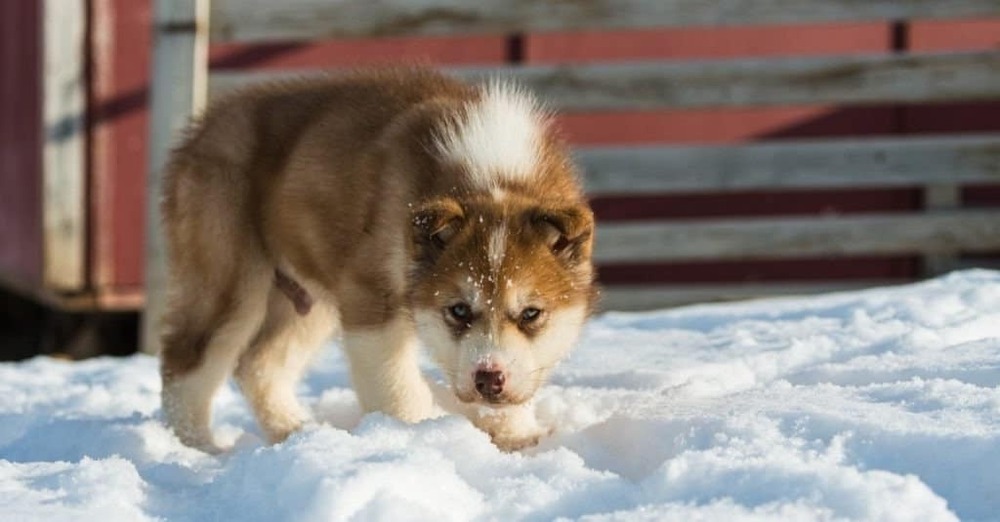
Training a Greenland Dog is often less about clever tricks and more about daily cooperation: coming when called, walking safely on lead, settling when asked, and coping with handling and vet care. Positive reinforcement tends to be a good match, particularly when it is paired with practical management, like long lines, secure fencing, and clear household routines.
It also helps to think in terms of the dog’s job. A Greenland Dog without an outlet for steady effort can become inventive in unhelpful ways. Many owners do best when they plan for structured activity, for example:
- Long, steady walks and bush tracks where permitted
- Canicross or hiking with a well-fitted harness (and sensible conditioning)
- Scent games and food-based enrichment at home
- Skills that support real life, such as calm greetings and stationing on a mat
If you are drawn to the idea of pulling sports, make it gradual and safety-led, and avoid improvising heavy loads without guidance. Breed standards emphasise endurance and a tireless, efficient gait, but conditioning and joint care still matter in modern environments.4
Exercise needs and heat management
It is easy to underestimate how much of Greenland Dog care is really about climate. A thick double coat is excellent insulation in cold conditions, but it can become a burden in warm or humid weather. Plan exercise around cooler parts of the day, build shade and airflow into your yard setup, and be willing to bring the dog indoors when conditions are harsh.5
Heat stress can escalate quickly. Practical precautions that are widely recommended include avoiding hot pavement, offering plenty of cool water, and watching for warning signs such as heavy panting, weakness, vomiting, or collapse.5, 6 If you suspect heatstroke, basic first aid (cool water and fanning, not ice-cold shock cooling) and prompt veterinary care are important.5
Health considerations and lifespan
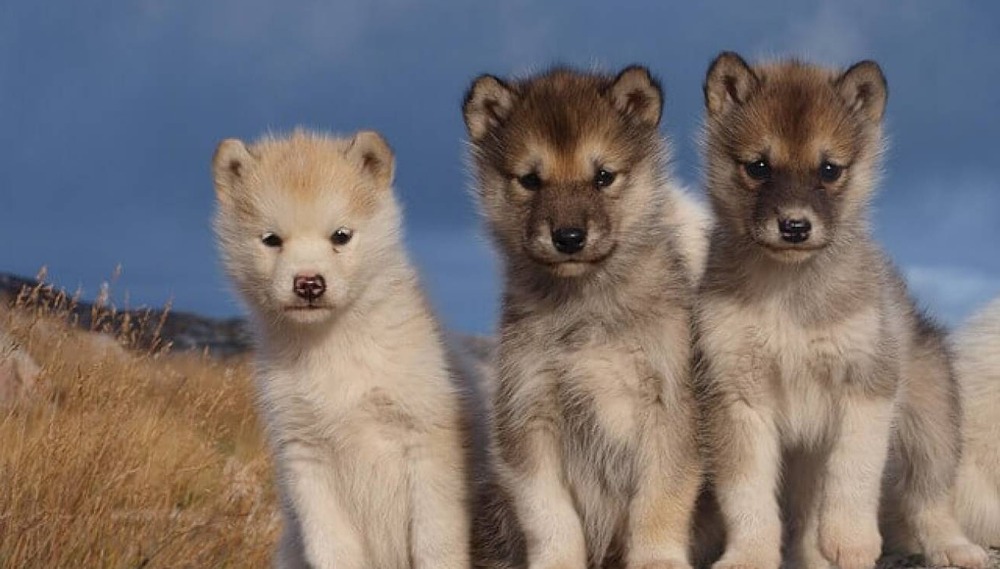
Many Greenland Dogs are physically robust, but no breed is “problem free”. Joint issues (including hip dysplasia) and eye problems are commonly mentioned risk areas in northern working breeds, and they are worth discussing with a veterinarian and with any breeder you are considering.
As a practical baseline, aim for lean body condition and consistent fitness. Excess weight adds load to joints and can reduce heat tolerance, which matters for a cold-climate breed living in warmer regions.
Routine veterinary care, parasite prevention, dental hygiene, and a plan for safe exercise are often more protective than any single supplement or special product.
Coat care, shedding, and everyday maintenance
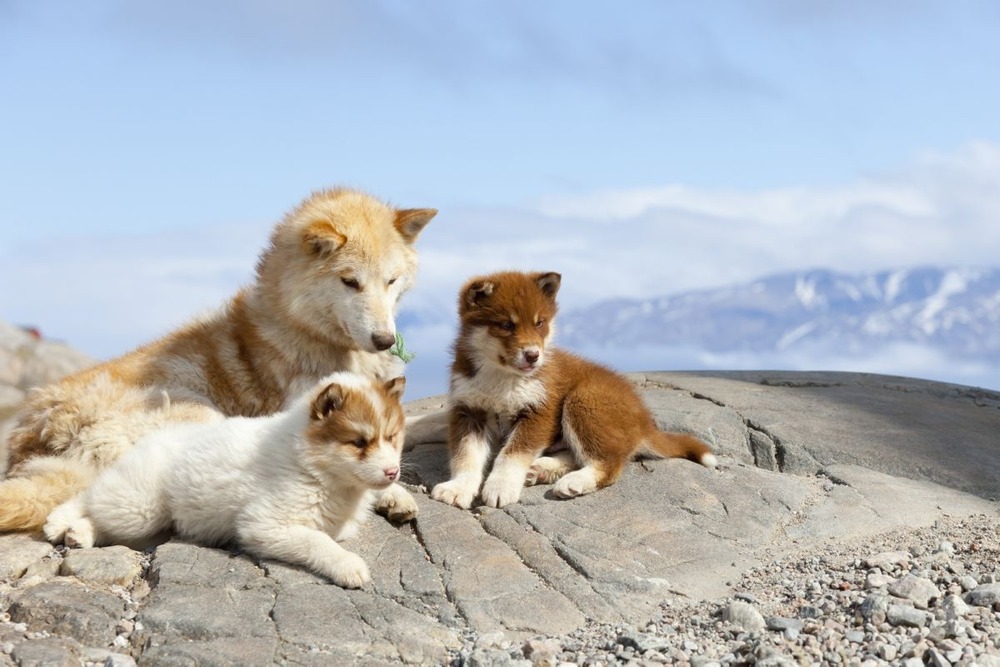
The double coat is designed to be weather-resistant, not salon-perfect. Regular brushing helps remove loose undercoat, reduces matting, and gives you a chance to check skin condition and parasites. During seasonal “blow”, it is normal to need more frequent grooming.
It is also worth knowing what grooming does not do. Shaving a double-coated breed is not usually a simple fix for heat, and it can interfere with coat function. Instead, focus on cool routines and shade, plus timing exercise sensibly in warm weather.5
Feeding and nutrition for a working-type dog
Greenland Dogs are often described as doing well on diets that support muscle maintenance and steady energy, but nutrition is best tailored to the individual dog’s workload, age, and body condition. If you are choosing a commercial food, it can help to look beyond marketing claims and focus on evidence-based guidance.
The World Small Animal Veterinary Association (WSAVA) Global Nutrition Committee provides practical tools for selecting pet foods and cautions that ingredient lists alone can be misleading.7 A useful approach is to work with your vet to review:
- Body condition score and weight trends
- Stool quality and appetite
- Skin and coat condition
- Activity level across seasons
If you are feeding a home-prepared diet, do it with professional formulation. Working dogs can appear “fine” until a deficiency quietly catches up, particularly with calcium balance, trace minerals, or essential fatty acids.
Living with a Greenland Dog, the good parts and the honest parts
A well-managed Greenland Dog can be a steady, impressive companion for people who genuinely enjoy active routines, training as a relationship, and a dog that is not constantly seeking approval. In the right home, their endurance and practical intelligence are a joy to live alongside.
The honest part is that the breed is usually not a plug-and-play choice. Think carefully about fencing, local temperatures, your capacity for daily exercise, and whether you are comfortable with a dog that may be independent by default. If that description feels like relief rather than a warning, you may be closer to a good match than you think.
References
- United Kennel Club (UKC), Greenland Dog breed standard
- Wikipedia, Greenland Dog (overview and history)
- Wikipedia, Knud Rasmussen (polar exploration context)
- Fédération Cynologique Internationale (FCI), Greenland Dog (Grønlandshund) standard listing
- RSPCA Australia, Keeping your pet safe during the heat
- Dogs NSW, Heat stress in dogs
- WSAVA, Global Nutrition Guidelines
- Wikipedia, Sled dog (Greenland Dog as a sled dog breed)