

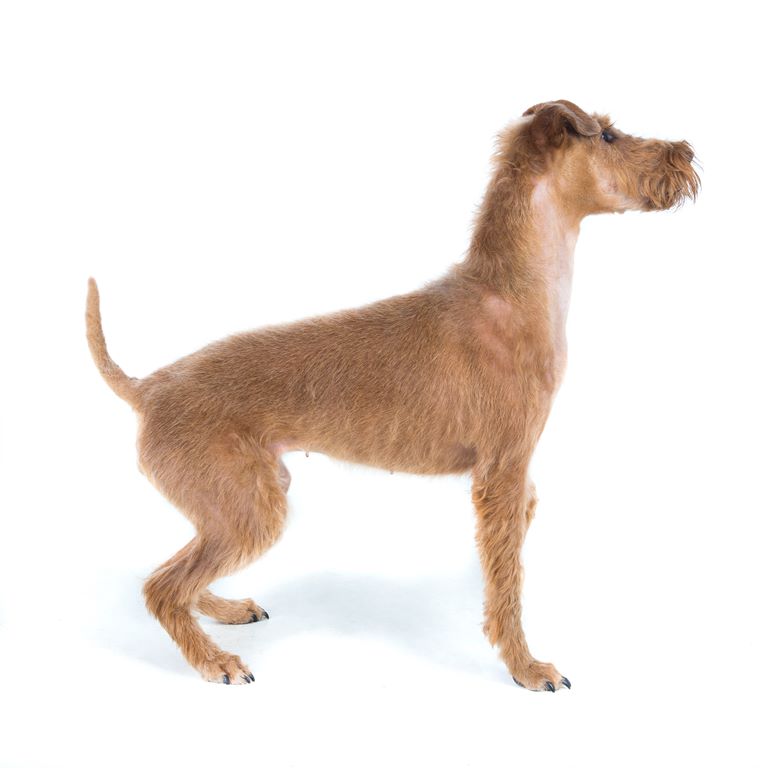
- Breed category: Terrier
- Country of origin: Ireland
- Typical height: About 46 to 48 cm at the shoulder
- Typical weight: Commonly around 11 to 12 kg (individuals vary)
- Typical lifespan: 12 to 15 years
- Coat: Dense, wiry, with a softer undercoat
- Colours: Red through to red wheaten and yellow-red
- Shedding: Low
- Exercise needs: High, daily physical and mental activity
- Grooming needs: Moderate, regular brushing and periodic coat maintenance
- Temperament (general): Bold, spirited, loyal
- Best suited to: Active homes, people who enjoy training and engagement
People often start looking into Irish Terriers after noticing something quite specific: that bright red, wiry coat, the alert little folded ears, and a way of moving that looks both purposeful and ready for fun. Sometimes it is a dog seen at the park keeping pace with a jogger. Sometimes it is a breed name that comes up when someone wants a smaller, sturdier dog that still feels outdoorsy.
What surprises many first time admirers is that the Irish Terrier is not simply a “cute scruffy terrier”. In day to day life, they tend to be switched on, physically capable, and quick to form strong habits, good or otherwise. That can be a joy if you like training and routine, and a headache if you were hoping for a low-effort companion.
When the fit is right, an Irish Terrier can feel like a genuine partner in the household: present, engaged, and often very attached to their people. Getting to that point usually comes down to understanding what the breed was designed to do, and what that means for exercise, socialisation, and home life.
Irish Terrier heritage and what it shaped
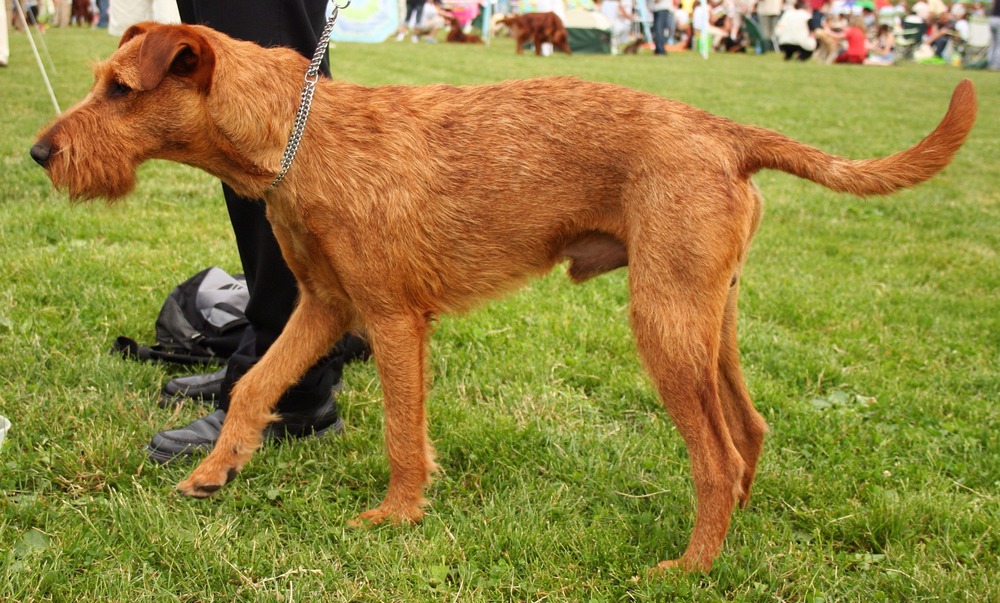
Irish Terriers developed as practical farm and hunting dogs in Ireland, valued for being adaptable, hardy, and willing to get on with a task. That working background still shows up today as high initiative and a tendency to notice movement, sound, and changes in the environment.
Breed standards describe the Irish Terrier as a whole-coloured red (and related shades) terrier with a harsh, wiry coat and a soft undercoat. In simple terms, you are looking at a dog built to cope with weather and rough ground rather than one bred for delicacy.1
You will also come across the idea of Irish Terriers as wartime messenger dogs, which is often repeated in modern breed write-ups. It is best treated as part of the breed’s cultural story rather than a guarantee of any individual dog’s temperament. What is more reliably true is that many Irish Terriers are confident, persistent, and responsive when they have clear guidance and enough to do.2
Appearance, coat, and those “terrier” details
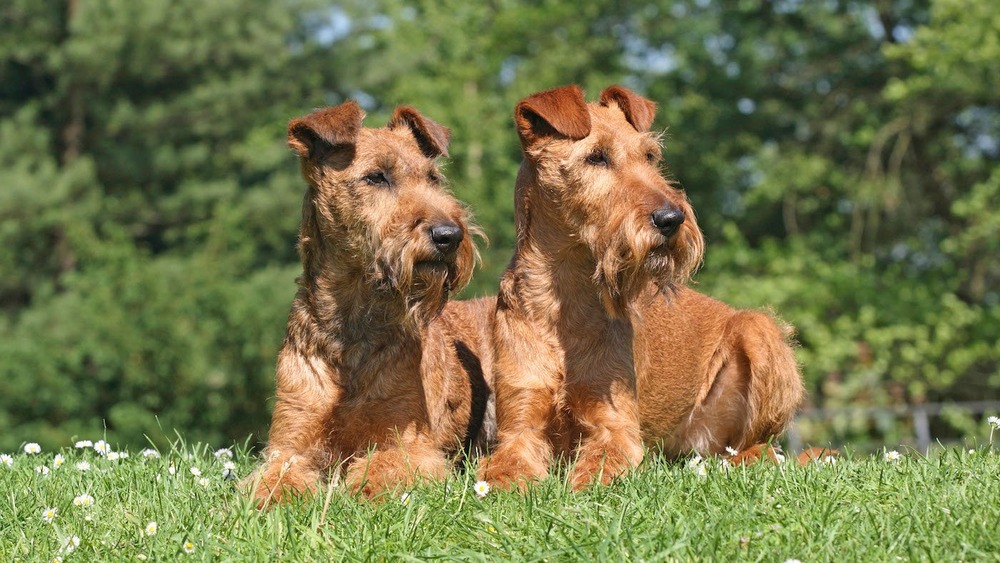
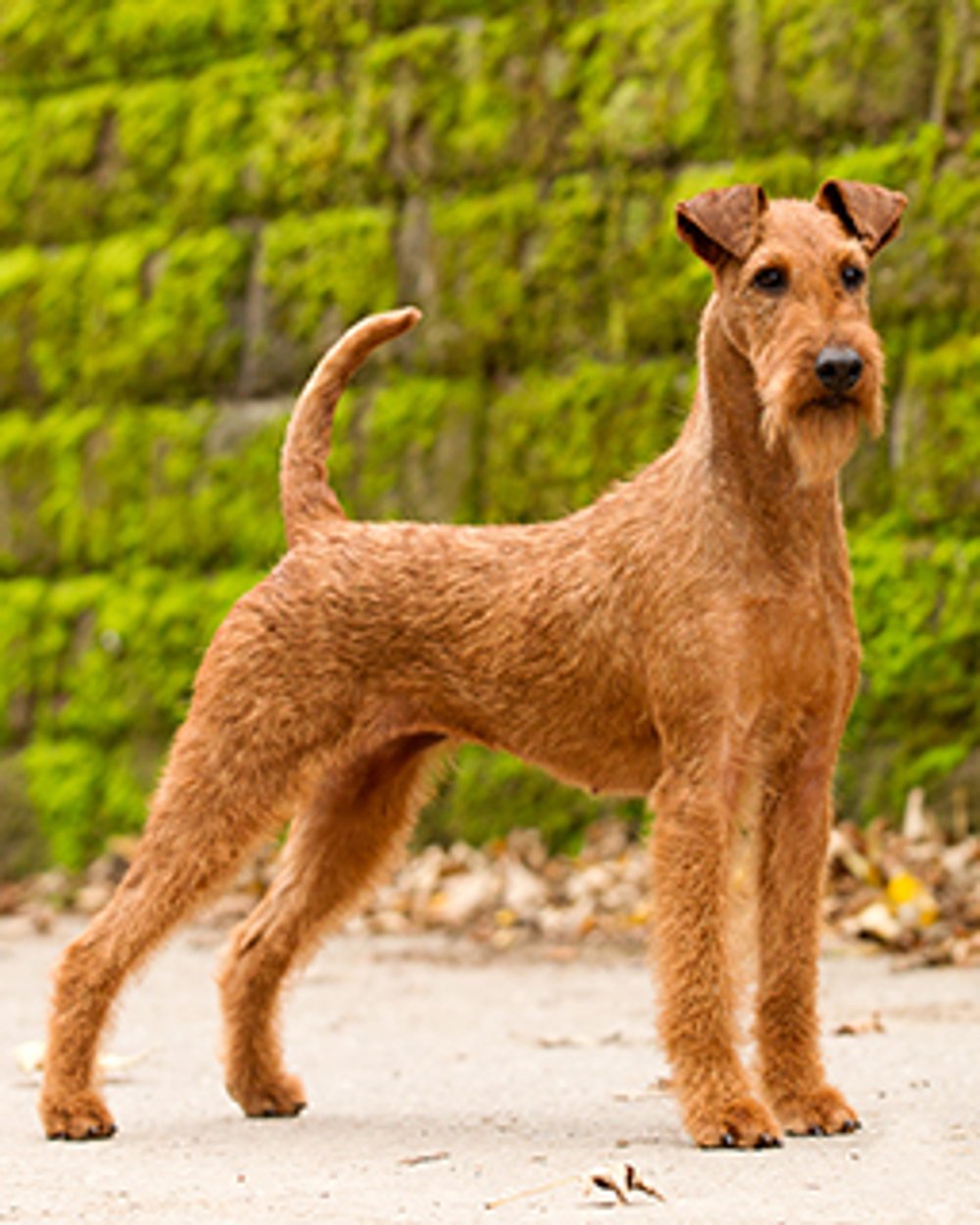
The classic look is a medium-sized, athletic terrier with a narrow, strong head, small V-shaped ears folding forward, and a coat that sits close and crisp. That coat is not meant to feel silky. It is meant to be protective, and it tends to look best when it is maintained properly rather than clipped down without thought.1
Many people assume low shedding means no grooming. With Irish Terriers, it is more accurate to say less hair on the couch, but still a real commitment to coat care. Regular brushing helps prevent tangles in the softer undercoat and keeps the harsh topcoat looking tidy.
One detail worth handling carefully is the tail. You may read that the Irish Terrier’s tail is “often docked”. While docking was once common in some places, cosmetic tail docking is illegal in Australia (since 2004), with limited veterinary exceptions for welfare reasons. If you are meeting Irish Terrier puppies in Australia, a docked tail should prompt serious questions about ethics and compliance.3, 4
Temperament in everyday life
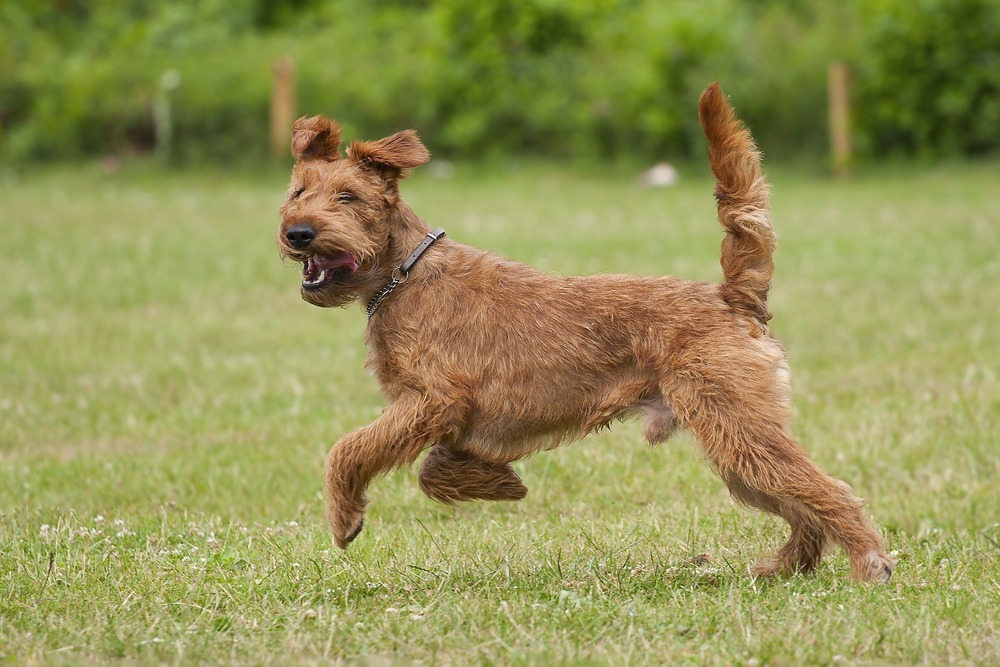
Irish Terriers are often described as bold, loyal, and spirited. Those are useful words, as long as you translate them into daily routines. “Bold” can look like charging into play with gusto. It can also look like holding their ground if they feel pressured, especially if they have not been well socialised.
Many do best when they have a predictable pattern to the day: exercise, training, downtime, and company. A bored Irish Terrier often finds a job of their own, which can include digging, barking at passers-by, or dismantling the laundry basket with impressive focus. The goal is not to “stop terrier behaviour”, but to give it a better direction through structured outlets.
Dog to dog interactions can be mixed. Some Irish Terriers are socially easy, others are selective, and some can be reactive, especially on lead. Early, thoughtful exposure helps, but it does not override genetics entirely. If you already have dogs, it is wise to plan for careful introductions and ongoing management rather than assuming it will all sort itself out.
Training and exercise, setting them up to cope
The Irish Terrier’s mind matters as much as their legs. Daily exercise is important, but for many individuals it is the combination of movement and thinking that creates a settled dog. Short training sessions, scent games, and varied walks often go further than a single long march.
Training tends to work best when it is consistent, reward-based, and calm. Terriers can be sensitive to unfairness or repeated drilling. They often respond well to clear boundaries, quick reinforcement, and a sense that the human is paying attention too. Guidance from reputable training and welfare organisations generally supports reward-based methods as both effective and better for welfare than harsh corrections.5
- Build recall slowly and assume distractions will be tempting.
- Teach a practical settle behaviour for evenings and visits.
- Practise loose lead walking early, before strong habits form.
- Use enrichment (sniffing, chewing, problem solving) to reduce nuisance behaviours.
Health considerations and preventative care
Irish Terriers are often described as robust dogs with a good lifespan, commonly around 12 to 15 years. As with any breed, good outcomes depend on breeding practices, early care, and plain luck.6
Some lines can be affected by skin problems, including itchiness linked to allergies. Orthopaedic issues, including hip dysplasia, are also discussed in broader dog health guidance, even if they are not the first thing every Irish Terrier owner encounters. The practical approach is to choose breeders who can explain their health testing, keep your dog lean, and take early lameness or persistent itching seriously rather than waiting it out.
Preventative care is unglamorous but powerful: parasite control appropriate to your area, dental care at home, and routine vet check-ups so small issues do not become chronic ones. If you are unsure what is “normal” for your dog, a vet is usually happiest when asked early.
Grooming that suits a wiry coat
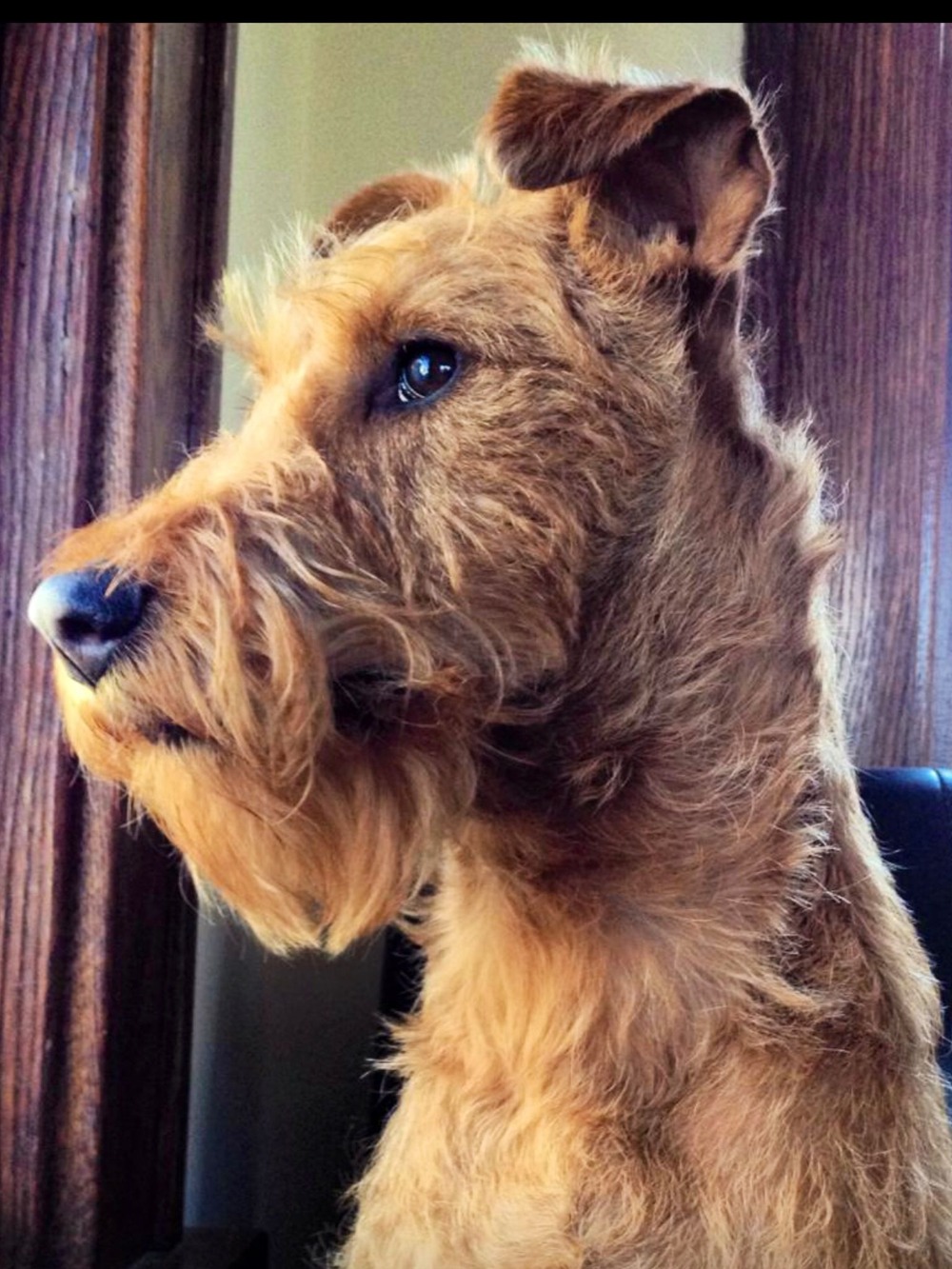
That classic Irish Terrier outline relies on coat texture. Many owners learn that clipping can soften a harsh coat over time, while hand-stripping (removing dead hairs so new harsh hairs can come through) better maintains the traditional look. Not every household wants or needs a show finish, but it helps to understand the trade-offs so you can choose a grooming plan that suits your preferences and your dog’s comfort.
A simple home routine usually includes brushing a few times a week, checking ears, and keeping nails at a sensible length. If you use a professional groomer, it is worth asking whether they have experience with wire coats and whether they offer hand-stripping or a modified maintenance approach.
Feeding and keeping their body condition steady
Irish Terriers do well on a complete and balanced diet appropriate for their life stage, with portions adjusted to activity level. The most useful habit here is not chasing “perfect” food, but watching body condition. A fit Irish Terrier should have a visible waist and ribs that can be felt easily under a light layer of tissue.
If your dog seems itchy, has recurring ear irritation, or has ongoing soft stools, it can be tempting to change foods repeatedly. It is often more effective to work with a vet on a deliberate plan, because food trials and allergy investigations only make sense when done consistently and long enough to be meaningful. General veterinary nutrition guidance also cautions against unbalanced home-prepared diets unless they are formulated properly.7
Is an Irish Terrier the right match?
For the right person, the Irish Terrier is a rewarding companion: bright, game, and often deeply engaged with the household. The best matches are usually people who enjoy being active, like training as an ongoing conversation, and have the patience to shape behaviour early.
If you are deciding, it can help to be honest about your weeks, not your best intentions. A dog that needs daily input will feel very different in a home where everyone is out for long hours. If that is your reality, it is not a moral failing, it is just information. Sometimes the kindest choice is a breed with lower exercise and training demands.
When you do meet Irish Terriers, spend time watching how they recover after excitement, how they respond to gentle handling, and whether the breeder or rescue can talk sensibly about temperament, health, and management. A good source will be comfortable discussing challenges as well as the charm.
References
- The Kennel Club: Irish Terrier breed standard
- American Kennel Club: Irish dog breeds press release (Irish Terrier background)
- RSPCA Knowledgebase: Is tail docking of dogs legal in Australia?
- NSW Department of Primary Industries: Tail docking of dogs in NSW
- RSPCA Knowledgebase: Most effective training methods for dogs
- American Kennel Club: Irish Terrier breed information
- WSAVA: Global Nutrition Guidelines
- RSPCA Knowledgebase: How much exercise does my dog need?
- Agriculture Victoria: Prohibited procedures on dogs (including tail docking)