

- Breed category: Toy
- Country of origin: Italy
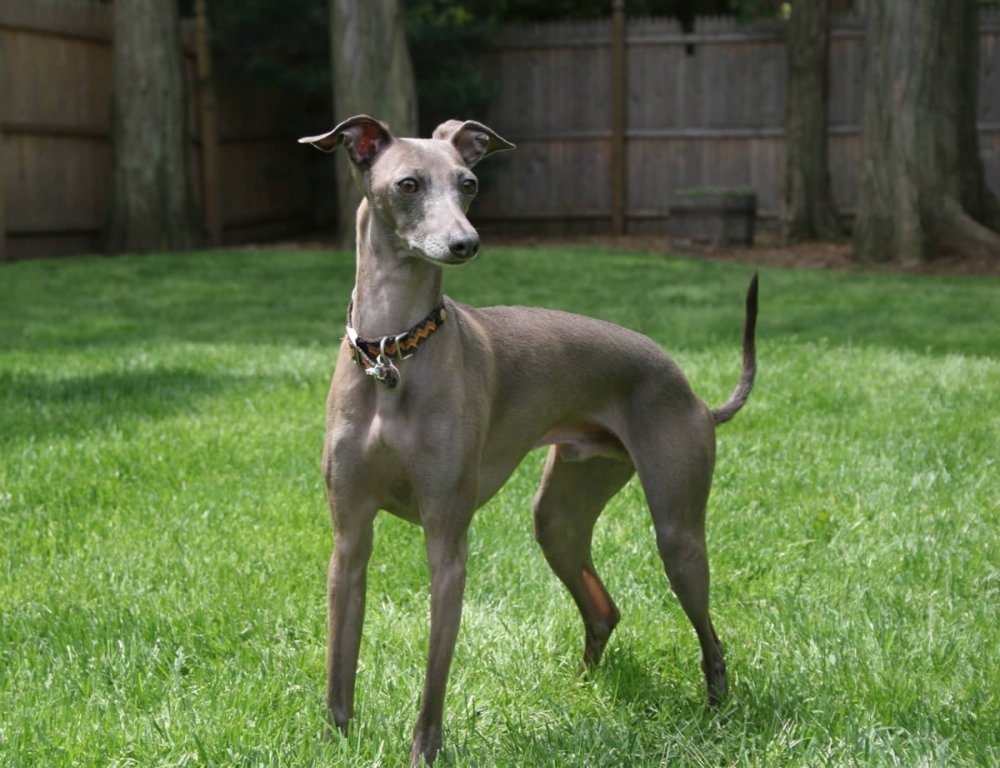
- Typical height: 32 to 38 cm at the withers
- Typical weight: around 3.6 to 4.5 kg (breed standard ideal)
- Typical lifespan: 12 to 15 years
- Coat: short, fine, glossy
- Grooming: low, but regular basics matter
- Exercise: moderate, with bursts of speed
- Known soft spots: dental care, injury prevention, cold weather
You might come across an Italian Greyhound because you have met one in a jumper at the cafe, you have noticed how carefully someone carries theirs down the stairs, or you are quietly wondering whether a dog that looks so delicate can really fit into everyday life.
A common assumption is that small dogs are automatically “easy”, and that a short coat means low effort. With Italian Greyhounds, the picture is a little more specific. They are often gentle and very people-focused, but their physical build and their mouth can require more deliberate care than some first-time owners expect.
When things go well, they slot neatly into a calm household routine. When things go badly, it is often for practical reasons, slippery floors, unguarded furniture jumps, skipped dental habits, or a dog that gets chilled on a winter walk. The details matter because they shape comfort, confidence, and long-term health.
Where the Italian Greyhound came from, and what that shaped
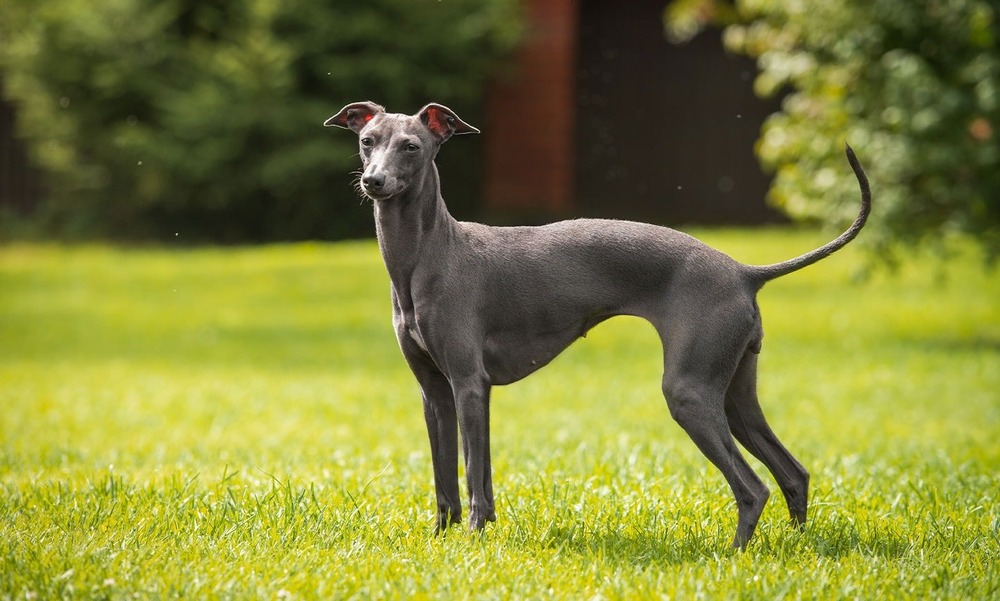
Italian Greyhounds sit within the sighthound family, built for quick acceleration, tight turns, and short bursts of speed. Historically, small sighthounds were kept as companions and were also used to pursue small game, depending on time and place. Their long association with art and wealthy households is part of why people still describe them as “elegant” today. 1, 2
It helps to think of the breed as a blend of two realities: a dog that can move like a tiny athlete, and a dog that often prefers to stay close to their people when the day is quiet. Both sides are real, and both need planning.
A quick note on “ancient” origins
You will sometimes see claims that the breed is “2,000 years old”. What is more defensible is that small, fine-boned sighthounds have existed for a very long time, and the modern Italian Greyhound type was refined over centuries. If history is part of your interest, look for sources that separate ancient depictions from modern breed development. 2
Temperament, bonding, and what they need from a household
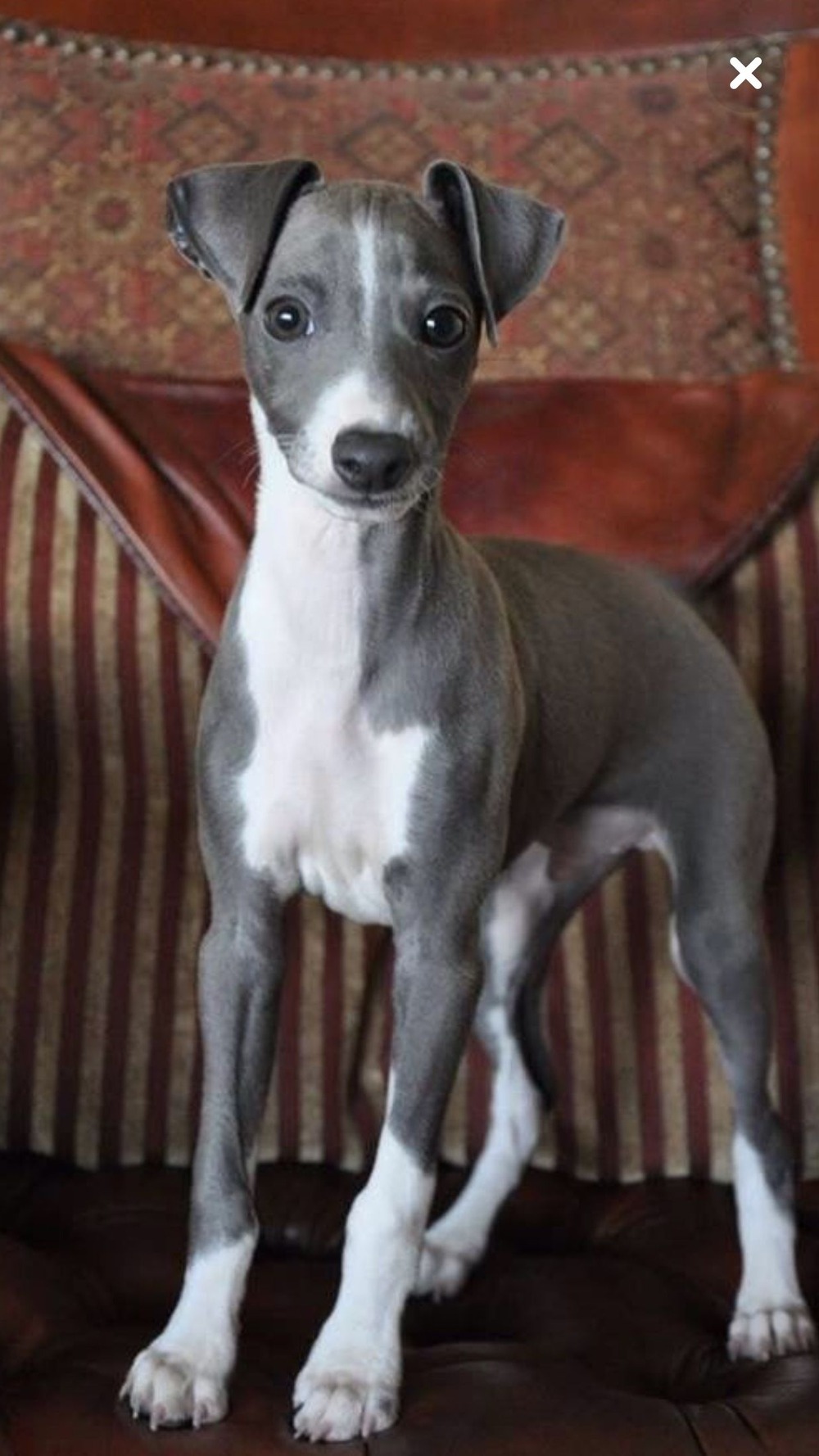
Most Italian Greyhounds are known for being affectionate and gentle, often choosing closeness and warmth over busy independence. That can be a lovely match for someone who is home a lot, or who genuinely enjoys having a dog underfoot. It can be harder in a home where the dog is frequently left alone for long stretches.
They also tend to be sensitive to handling that is rough or unpredictable. That is not “naughtiness” or “drama”, it is a small-bodied dog responding to the world as it is. In practical terms, gentle management usually works better than trying to “toughen them up”.
Children and other pets
With respectful, calm children, Italian Greyhounds can do very well. The main risk is accidental injury from falls, being stepped on, or enthusiastic play that involves grabbing or chasing. For families, the most helpful rule is simple: if the dog is on furniture, someone should be close enough to supervise and assist, especially with young dogs.
Many live happily with other dogs. With cats and smaller animals, be sensible. Sighthounds can have a chase response, so introductions should be slow, supervised, and set up for success.
Body and coat, small dog, sighthound build
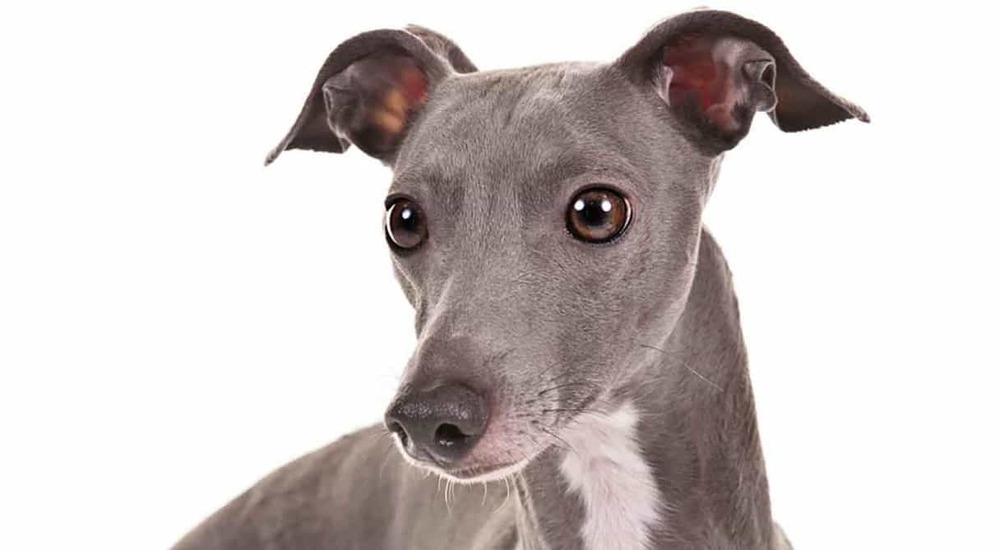
Italian Greyhounds are fine-boned, narrow, and lightly muscled compared with many other toy breeds. The UK Kennel Club breed standard lists an ideal height of 32 to 38 cm and an ideal weight of 3.6 to 4.5 kg, with a short, fine, glossy coat. 1
This build is part of their appeal, but it also explains some of the care priorities people learn the hard way: teeth, legs, and temperature management.
Cold sensitivity is not just a fashion problem
Because they have a lean body and a short coat, many Italian Greyhounds feel the cold more than sturdier breeds. In Australian winters, a well-fitting coat can be reasonable for small, short-haired dogs, particularly if they are standing around rather than moving. The key is fit, warmth without overheating, and letting the dog move freely. 3
Training and exercise, the calm routine that usually works best
Italian Greyhounds are often bright, observant dogs. They can also be easily put off by harsh corrections or long, repetitive sessions. In most homes, the best approach is short, positive sessions with clear rewards, plus gentle consistency around toileting, handling, and household rules.
Exercise: moderate daily movement, plus safe bursts
They usually do well with daily walks and chances to sprint in a safely enclosed area. They are built to run, but their enthusiasm can outpace their judgement, especially when they are young. That is where management matters more than “more exercise”.
- Choose secure spaces for off-lead running.
- Use harnesses that fit well, with a secure lead attachment.
- Avoid repeated high jumps off furniture, especially in puppies and adolescents.
Health priorities: teeth, injuries, and everyday prevention
Most Italian Greyhounds live into their teens, with many sources commonly describing a lifespan around 12 to 15 years. 1
The health themes that come up repeatedly are not exotic. They are routine things that become important because this breed is small, fine-boned, and prone to dental problems. If you plan for them early, you can often reduce stress and cost later.
Dental disease: the issue that deserves real attention
Dental disease is widely recognised as common in dogs, and Italian Greyhounds are often described as being more likely than average to have dental trouble. Prevention is mostly unglamorous: regular checks, gradual training to accept tooth brushing, and professional cleaning when your vet recommends it. 4, 5
RSPCA guidance emphasises that brushing is the most effective at-home measure, introduced gently and consistently, using pet toothpaste (not human toothpaste). 5
Fracture risk and home set-up
Italian Greyhounds can be prone to limb fractures, particularly as puppies and adolescents, when confidence and speed arrive before coordination. Some breed-community summaries point to a notable proportion of fractures in younger dogs, often linked to jumping off furniture or misjudging heights. 6
It is worth thinking of injury prevention as part of daily handling, not as something you do only after an accident. Practical prevention can include using ramps or steps for couches and beds, blocking access to steep stairs, and choosing rugs over slippery floors in high-traffic areas.
Grooming and coat care, simple, but not zero-effort
The coat is short and typically easy to maintain. A light brush or gentle wipe-down helps remove dust and loose hair, and it is also a chance to check skin, nails, and overall body condition. The more important “grooming” tasks are often the quiet basics: nails kept short enough for good traction, ears checked, and teeth kept on a routine. 1, 5
Bathing and skin
Bathing can be occasional, using a mild dog shampoo, especially if the dog has sensitive skin. Over-bathing can dry the skin, so it is usually better to bathe when needed rather than on a strict schedule.
Living well with an Italian Greyhound
The people who seem happiest with Italian Greyhounds tend to enjoy a steady rhythm: warm bedding, close company, gentle training, and safe opportunities to run. The breed’s needs are not overwhelming, but they are specific.
If you are choosing this breed, it can help to ask yourself a practical question: can your home support good dental habits, injury-aware handling, and a dog that may want an extra layer on cold days. When those pieces are in place, their quiet charm makes a lot more sense.
References
- The Kennel Club: Italian Greyhound breed standard
- American Kennel Club: Italian Greyhound history
- The Guardian (Australia): Do dogs need jackets in winter? (veterinary perspectives)
- March Animal Hospital: Italian Greyhound breed information (dental disease and general care)
- RSPCA Australia: Importance of dental health for pets
- Italian Greyhound health overview (summary including dental issues and fracture discussion)