

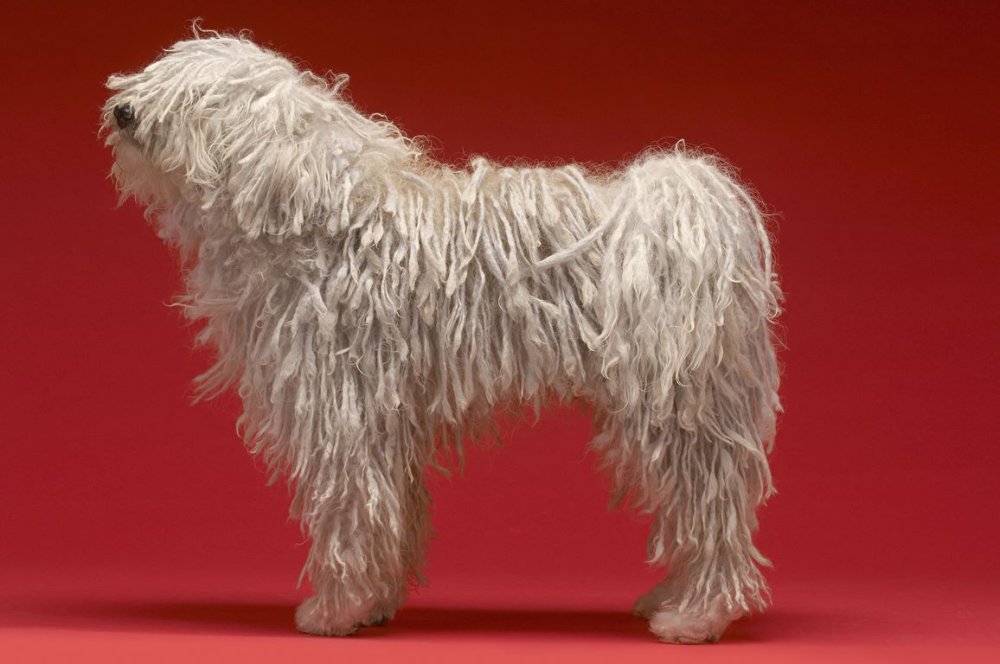
You usually notice a Komondor before you know what one is. There is the white, corded coat that can look like ropes, tassels, or a shaggy mop, then the realisation that a large, watchful dog is standing inside it.
That first impression can create a few common assumptions: that the coat must be purely decorative, that grooming is all about brushing, or that a dog who looks this unusual must be difficult for the sake of it. In practice, Komondors are a working guardian breed with a coat that evolved for protection, and a temperament shaped by long hours making independent decisions around stock.
If you are considering living with one, or you have already met one and cannot quite forget it, it helps to understand the breed on its own terms: not as a novelty, but as a large, territorial dog with specific needs around training, social exposure, and coat care.
The Komondor and what it was bred to do
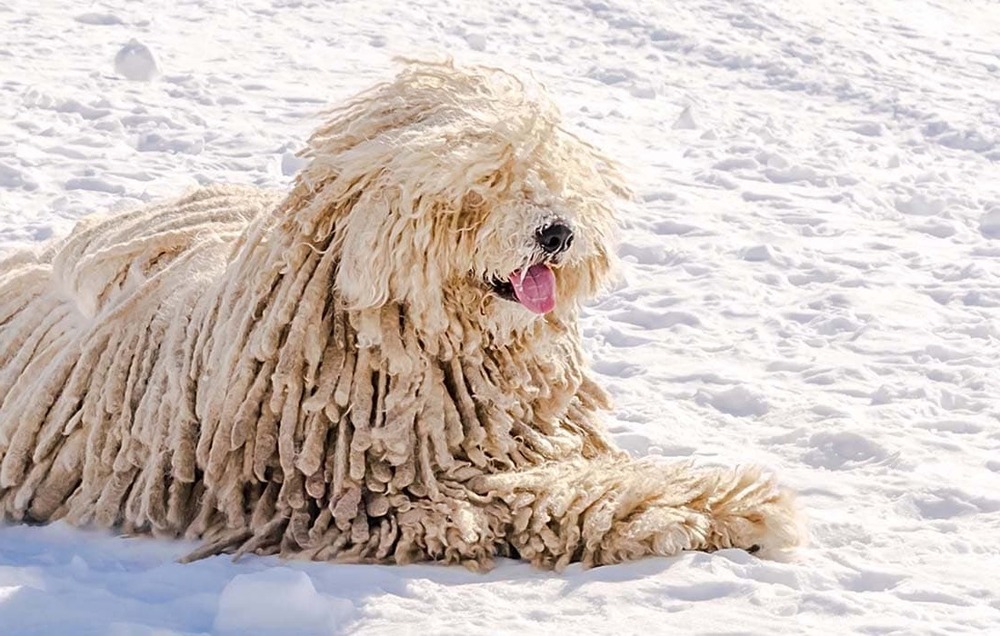
Komondors originated in Hungary as livestock guardians. Rather than herding, their traditional job was to stay with the flock, remain alert, and confront threats if needed. The famous corded coat is not just a look, it is part of the dog’s working design, offering insulation and physical protection, and it can also help the dog blend in among sheep at a distance.1, 2
Because the breed was developed to work with a degree of independence, many Komondors do not approach life like a biddable obedience breed. They are more likely to pause, assess, and then act. That can be a strength in the right home, but it is also why early guidance, clear boundaries, and thoughtful socialisation matter.
A quick note on the coat and how cords form
Komondors are not born with cords. The coat changes as they mature, with the undercoat and outer coat tangling together into sections that are separated by hand over time. This is why grooming advice for a corded breed often sounds different from what people are used to.1, 2
Temperament in a home setting
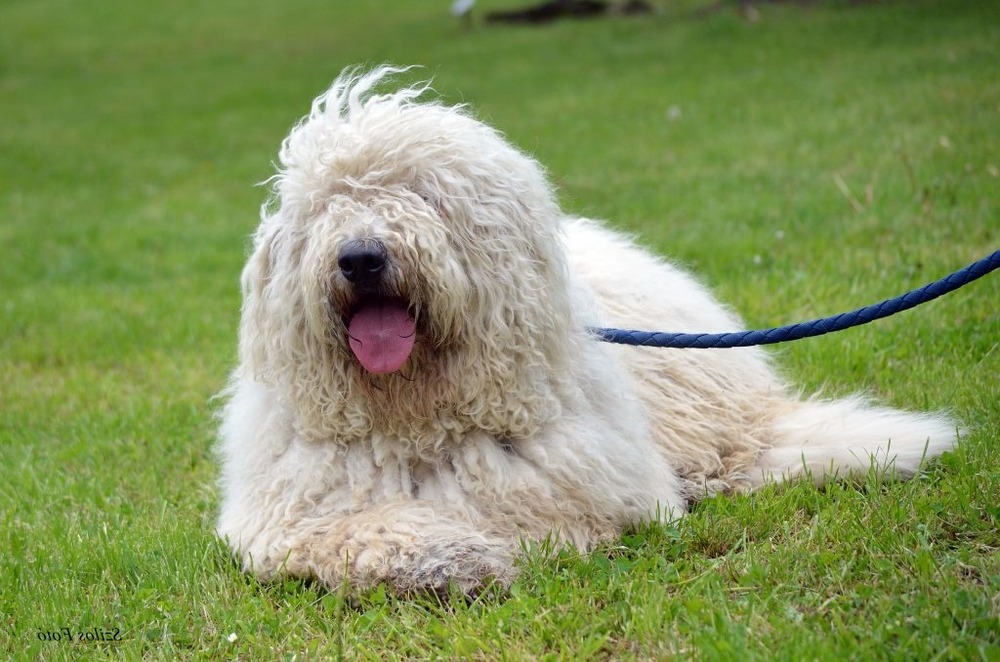
In the home, many Komondors are steady and calm with the people they know well. They tend to be naturally wary of unfamiliar people and can be strongly territorial, which is consistent with their guardian background and is described in breed standards and breed club guidance.3, 4
The part that surprises some owners is that protectiveness is not something you need to teach. Your job is usually the opposite: to help the dog learn what is normal, what is not a threat, and how to settle. A Komondor who has not had enough early, positive exposure may decide too many everyday events are suspicious.
If you are choosing this breed, it helps to be honest about your household and visitors. A Komondor can be a devoted companion, but they are generally better suited to owners who are comfortable managing a large dog who may not welcome strangers without careful introductions.
Training, socialisation, and everyday management
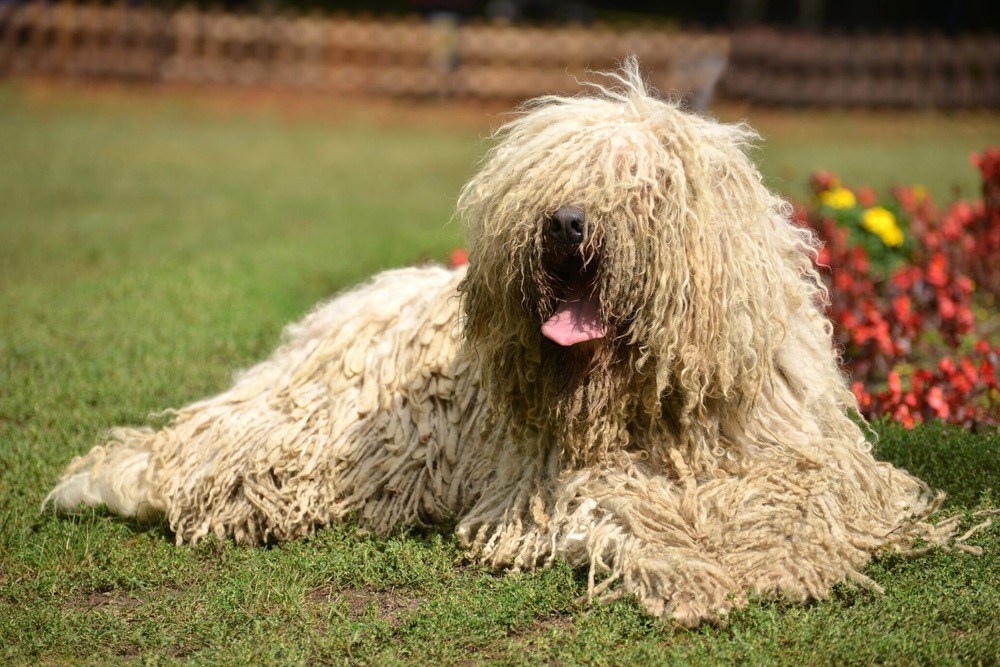
Training works best when it is calm, consistent, and built around the dog’s real motivations. For many Komondors, relationship and routine matter more than repeating cues. Keep sessions short, reinforce the behaviours you want, and avoid harsh corrections that can create defensive responses in a naturally suspicious breed.
Socialisation is often misunderstood as “meeting lots of people”. What Komondors usually need is structured exposure to normal life, delivered in a way that keeps the dog under threshold. That might mean watching the world from a distance, practising focus on you, and gradually reducing distance over weeks and months.
- Plan greetings rather than improvising them, especially with visitors.
- Use secure fencing and a well-fitted lead setup, because a guardian breed who decides to patrol can be difficult to call off.
- Prioritise mat training, calm settles, and cooperative handling early, as these skills pay off for life.
Exercise needs
Komondors need regular movement and mental engagement, but they are not typically a high-octane, fetch-all-day breed. Many do well with daily walks, sniffing time, and some training games, with the understanding that their “job” brain still wants to monitor what is happening around the home.
Health considerations to discuss with your vet
Like other large breeds, Komondors can be at risk for orthopaedic problems such as hip dysplasia, and for gastric dilatation volvulus (GDV), sometimes called bloat, which is a medical emergency.5, 6
It is worth having a proactive conversation with your veterinarian about:
- Body condition and growth, especially during adolescence, when “too much, too fast” growth can add strain.
- Feeding management to help reduce GDV risk, for example splitting food into multiple meals and avoiding hard exercise right after eating.5, 6
- Whether prophylactic gastropexy is appropriate for your dog, particularly if your dog is already having surgery for another reason.5, 6
A healthy Komondor is not just about years lived, it is about comfort and function. Responsible breeders, appropriate screening, and good everyday management make a real difference over the dog’s lifetime.
Coat care that keeps the dog comfortable
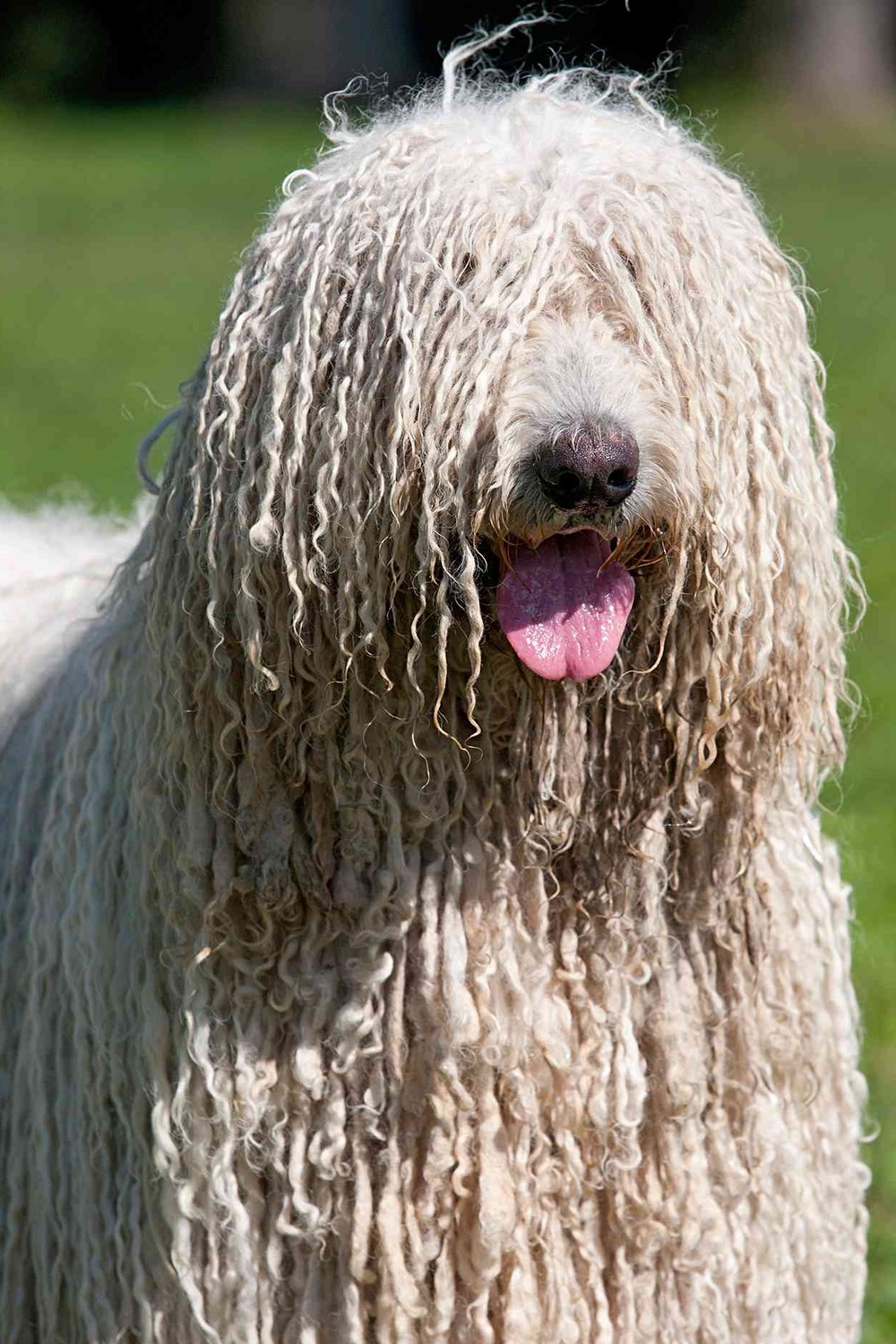
The coat is the main reason people fall for the breed, and also the main reason some people struggle once the dog is home. A corded coat is not maintained by regular brushing. Instead, cords form and are maintained by separating sections by hand, keeping skin accessible, and preventing trapped moisture and debris.1, 2, 7
Practical coat care tends to revolve around a few essentials:
- Separate cords regularly so the coat does not turn into solid mats that pull at the skin.
- After baths or wet weather, prioritise thorough drying. Damp cords can stay wet near the skin for a long time, which can contribute to odour and skin issues.2, 7
- Build a habit of checking for grass seeds, burrs, and parasites, because the coat can hide problems until they are advanced.
If you are new to corded coats, ask a breed-experienced groomer, breeder, or club member to show you what “good separation” looks like at the skin. The goal is not a perfect show coat for most households. The goal is clean skin, dry cords, and comfort.
Feeding and nutrition, without getting lost in myths
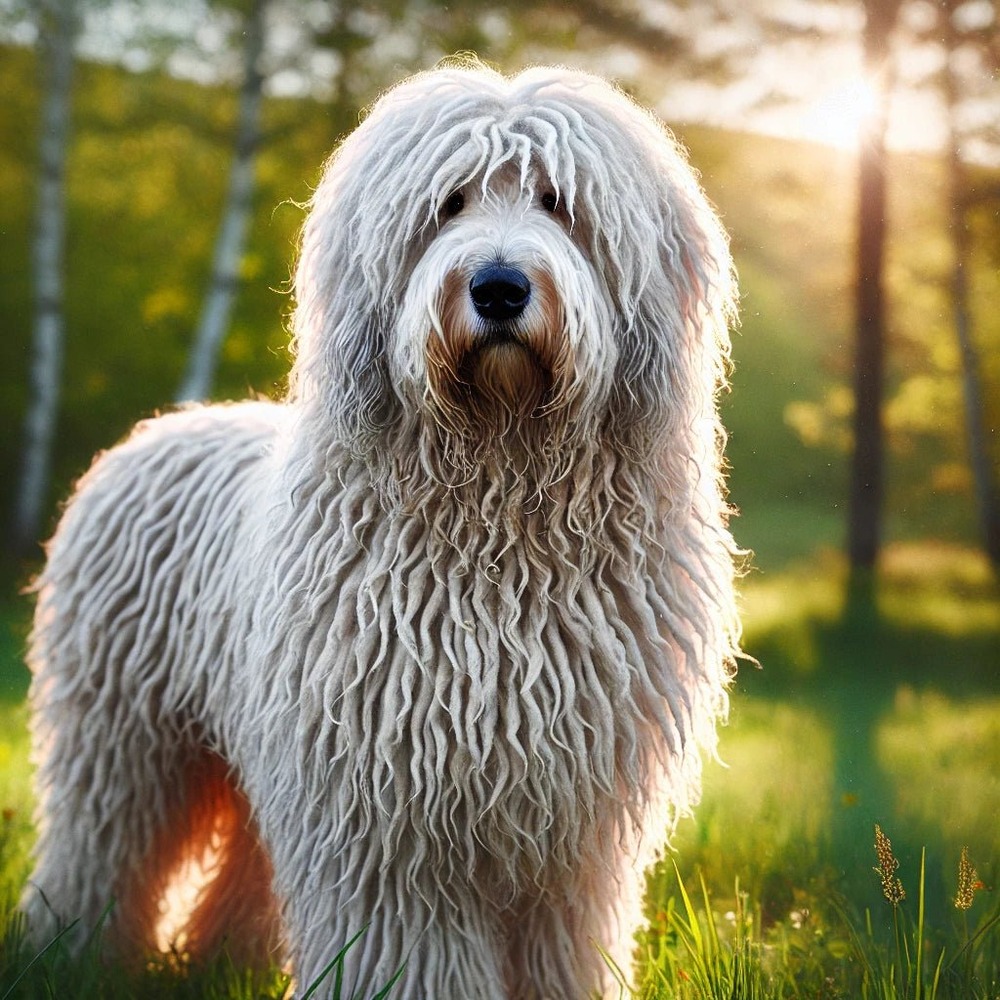
Komondors do best on a complete and balanced diet appropriate to their life stage, size, and activity. If you are comparing foods, it can help to use evidence-based guidance rather than relying on ingredient-list marketing, which can be misleading without broader context.8
For many large breeds, how you feed matters as much as what you feed. For dogs at risk of GDV, common recommendations include splitting food into two or more meals a day and using strategies to slow down fast eaters if needed.5, 6
If you want to add fresh foods or supplements, it is sensible to run it past your veterinarian, particularly because a heavy-coated, large-framed dog benefits from steady nutrition and consistent body condition.
Living with a Komondor, the good fit matters
A Komondor can be a deeply rewarding dog for the right household: observant, devoted, and quietly present. But the same traits that make them excellent guardians can become hard work in a busy, highly social home where strangers come and go, or where training is expected to be effortless.
If you are choosing the breed, it is reasonable to think in practical terms: your fencing, your time for coat care, your comfort with managing visitor introductions, and your willingness to commit to early training that focuses on calm, neutral responses. When those pieces are in place, the Komondor’s distinctive coat stops being the headline, and the dog underneath becomes the point.
References
- American Kennel Club, Meet the Corded Breeds
- Komondor Club of America, About the Komondor
- The Kennel Club (UK), Komondor breed information
- The Kennel Club (UK), Komondor breed standard
- Cornell University College of Veterinary Medicine, Gastric dilatation volvulus (GDV) or bloat
- American Animal Hospital Association (AAHA), Understanding canine bloat (GDV)
- PetMD, Komondor dog breed health and care
- World Small Animal Veterinary Association (WSAVA), Global Nutrition Guidelines