

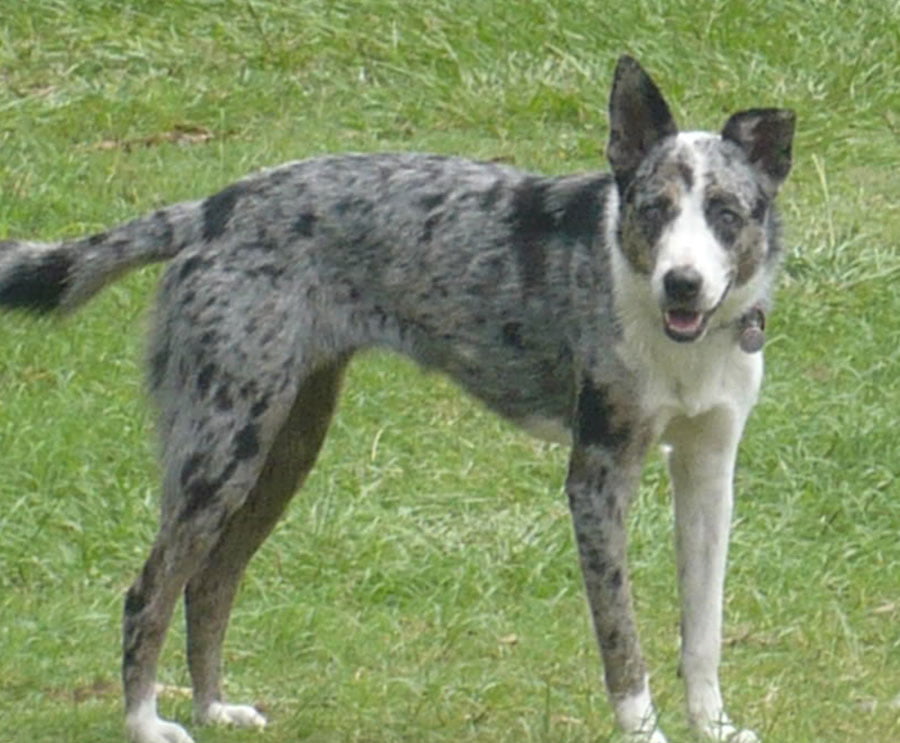
You might come across a Koolie in a few different ways: a sharp-eyed dog working sheep in a paddock, a speckled merle with an intense focus at agility, or a rescue listing that says “working breed, needs an active home”. Sometimes people assume “Koolie” is just another name for a Kelpie, or that it is a colour type rather than a distinct working dog tradition. In practice, Koolies tend to stand out through how quickly they read movement, how long they can keep going, and how much they need to do each day.
They are also a breed many Australians have heard of without feeling they really “know” it. That is partly because Koolies have been bred for work for generations, often without a single show-ring standard. The result is a dog with a strong working identity, lots of variation in looks, and a care profile that suits some households beautifully, but can overwhelm a quieter home.
If you are considering a Koolie, or you are living with one and wondering why they seem endlessly switched on, it helps to understand where they came from, what they were bred to do, and what keeps them settled in ordinary, modern life.
The Koolie’s heritage and what “breed” means here
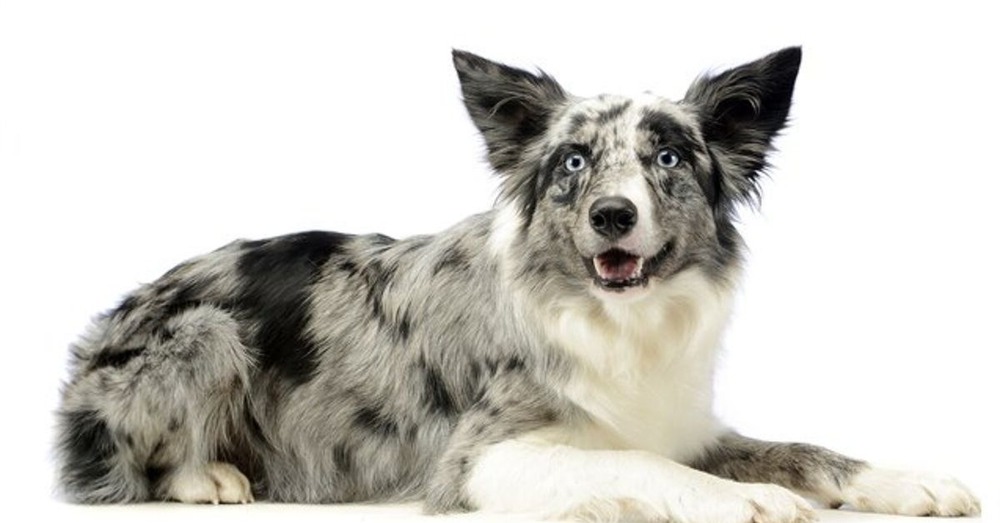
The Koolie is an Australian working herding dog with roots that go back to the early 1800s, when British working dogs were brought to Australia and bred for local conditions and stock work.1, 2 In many regions, people bred the dogs that worked best for their livestock and terrain, which is why you will see variation in size, coat, and style compared with more standardised breeds.1
It is worth holding two ideas at once: Koolies are a real, long-established working breed, and at the same time they sit a little outside the mainstream kennel club system because their community focus has largely stayed on working ability rather than a fixed “bench” appearance.2, 3 That working emphasis can be a gift for the right owner, and a challenge if you are expecting a more easygoing companion.
You may also hear historic names like “German Coolie” or “German Collie”. These labels show up in older writing and folklore around early immigrant farming communities, but the more common, modern name is simply Koolie or Australian Koolie.1, 2
What Koolies are like in everyday life
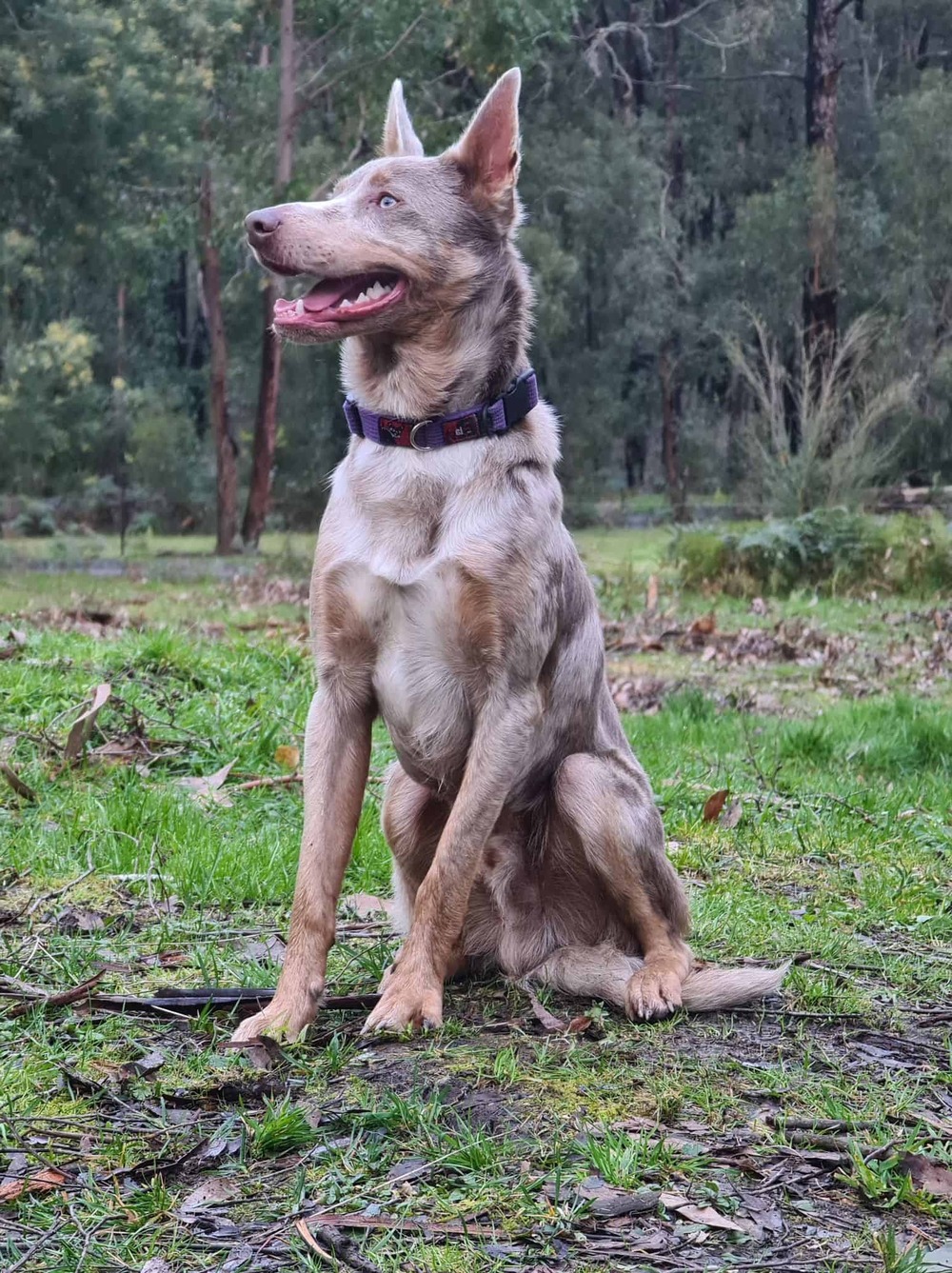
Koolies are often described as bright, responsive, and built to keep working. In a home setting, that can look like a dog who notices everything, learns patterns quickly, and becomes inventive when bored. Many owners love that feeling of partnership, but it comes with a requirement: you will need to provide structured outlets for both movement and thinking.
Temperament still depends on the individual dog, their upbringing, and their breeding background. A Koolie from strong working lines may have more intensity and stamina than one bred primarily for sport or companionship. Either way, they tend to do best with calm, consistent handling and a predictable routine, rather than lots of repeated hype or rough play.
They can live well with children and other pets, but supervision and teaching matter. Herding dogs are wired to control movement, so you may see circling, chasing, or heel-nipping if kids run and squeal. That behaviour is not “naughty” in a moral sense, it is a normal herding pattern that needs redirecting early with training and management.
Training and exercise that actually works
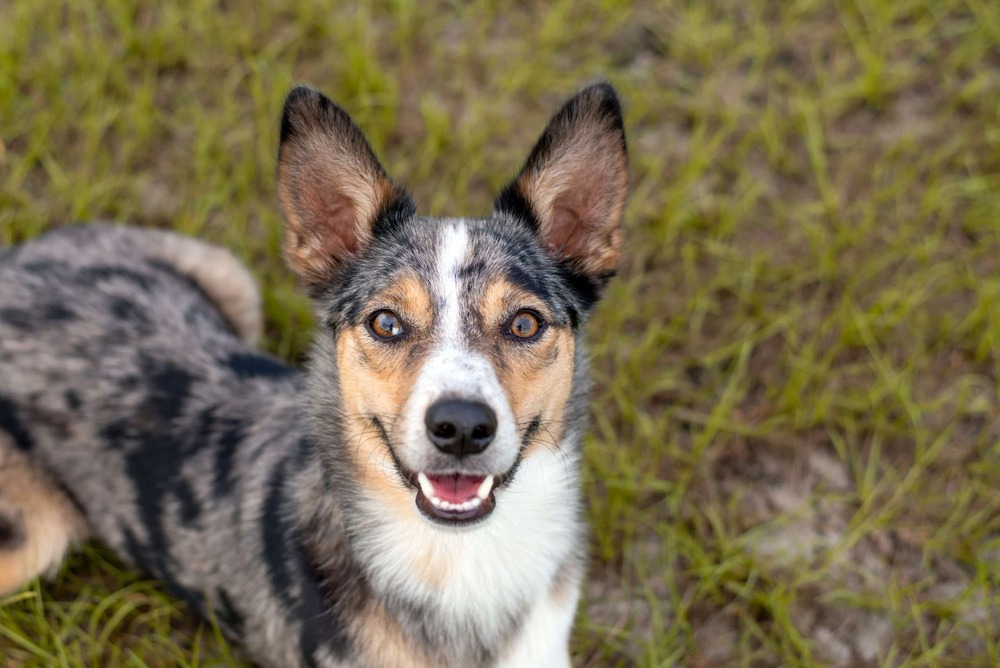
Koolies usually respond well to reward-based training because they are quick to connect actions with outcomes. What trips people up is not teaching the dog, it is keeping the dog satisfied once they have learned the basics. A Koolie that only gets a quick lap of the block can become restless, vocal, or busy around the house.
Instead of thinking only in kilometres, it helps to think in layers: aerobic exercise, skill work, and settling practice. Aim for daily purposeful activity, then teach the off-switch with calm routines (mat training, quiet chew time, short decompression walks). For many Koolies, mental work is as tiring as a long run.
- Skill-based games: scent work, hide-and-seek with toys, shaping tricks, retrieves with rules.
- Dog sports: agility, obedience, tracking, herding trials where available and suitable.1
- Realistic home jobs: carrying a light pack, helping with chores like “find it” games, controlled fetch with a clear finish cue.
Socialisation is also more than meeting lots of people. For Koolies, it is learning to stay regulated around movement, novelty, and noise. Done well, it reduces the risk of over-reactivity and helps them conserve their energy instead of scanning the world all day.
Health considerations and sensible prevention
Koolies are generally considered a hardy working breed, but there are a few issues worth taking seriously. Hip dysplasia can occur in many medium and large dogs, especially active breeds, so weight management, sensible conditioning, and appropriate screening in breeding stock all matter.4
Coat pattern also deserves a careful note. Merle is common in Koolies, and merle-to-merle breeding increases the risk of serious hearing and vision problems in puppies. If you are buying a merle Koolie, it is reasonable to ask what health testing has been done, and to ensure breeders avoid high-risk pairings.5, 6
For any Koolie, preventative care is mostly the familiar, practical stuff: routine vet checks, dental care, parasite prevention, and injury management. Working and high-drive dogs can be prone to strains, pad injuries, and overuse problems if fitness is built too fast or the dog is asked to do big weekends without conditioning.
Grooming and day-to-day care
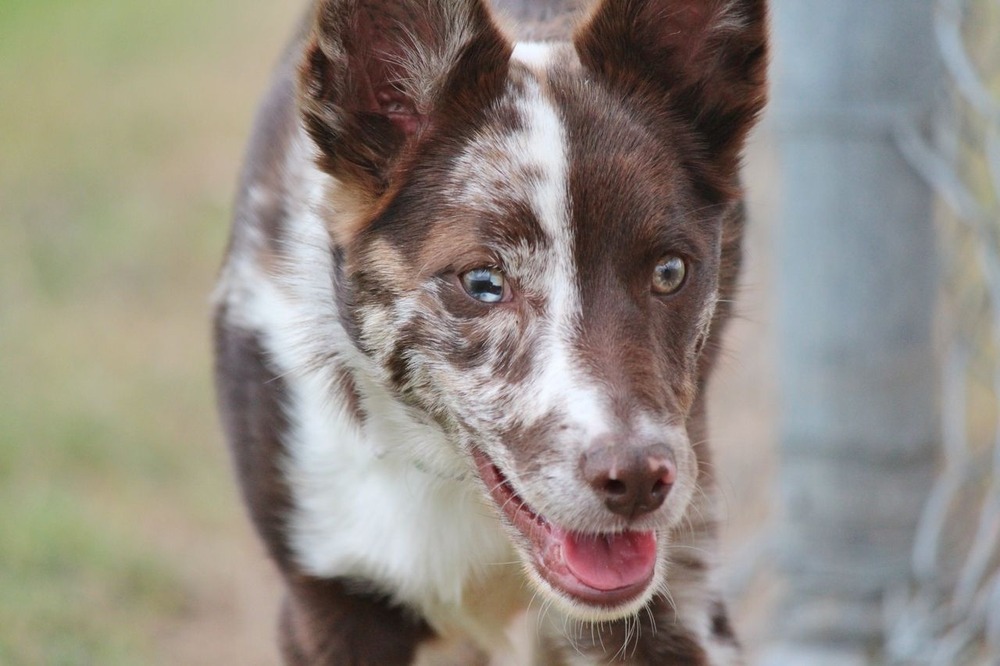
Most Koolies have a short to medium coat that is straightforward to maintain. A weekly brush will usually manage dirt and loose hair, and it also gives you a chance to check skin, ears, and paws after busy days. Bathing can be occasional, as needed, with a gentle dog shampoo.
What tends to matter more than coat care is lifestyle fit. Koolies are not typically “couch dogs” who are content with sporadic exercise. If you live in a smaller space, it can still work, but you will need a plan for daily enrichment and a way to practise calm, not just constant motion. Think of it as building settling skills as deliberately as you build fitness.
Feeding a Koolie without overcomplicating it
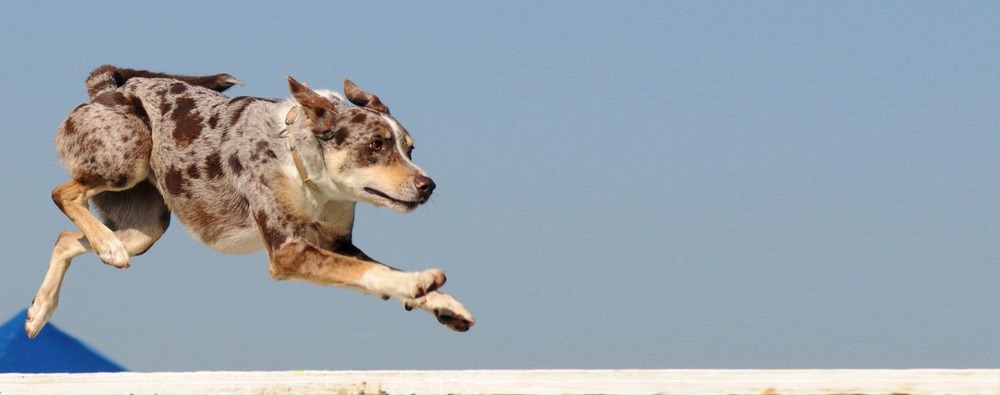
Koolies generally do well on a complete, balanced diet that suits their age and activity level. Highly active dogs may need more calories, but it is easy to overshoot, especially if training treats are generous. Keeping them lean is one of the simplest ways to support joints and long-term mobility.
Two practical habits help most:
- Use a portion of the daily food allowance as training rewards, rather than adding lots of extras.
- Monitor body condition regularly and adjust food with seasons, workload, and age, ideally with veterinary guidance.7
If you are considering home-prepared diets, do it with professional support. Nutritional gaps are common when recipes are improvised, and active dogs can be less forgiving of chronic imbalance over time.8
Is a Koolie the right match?
A Koolie can be a brilliant companion if you enjoy training, you like being outdoors, and you value a dog who wants to work with you. They often suit farms and rural properties, active families with time and routine, and sport homes that enjoy daily practice and structure.
They are less likely to thrive in a home that wants a low-energy dog, long workdays with minimal exercise, or a lifestyle where the dog is expected to “just settle” without being taught how. If you are choosing a puppy, look for breeders and rescues who are honest about drive and needs, and ask questions about the parents’ temperament and health testing. The best outcome is not the “best dog” on paper, it is the dog whose needs match your real week.
References
- Koolie (Australian herding dog) overview
- Koolie Club of Australia, breed background and purpose
- ABC News: Koolie breeders and working lines in Australia
- Australian Veterinary Association: Canine hip dysplasia
- Australian Canine Dermatology Group: Merle and associated risks
- UC Davis Veterinary Genetics Laboratory: Merle testing and health context
- RSPCA Australia: Feeding and nutrition guidance for dogs
- WSAVA: Global Nutrition Guidelines
- Burke’s Backyard: Koolie breed fact sheet