

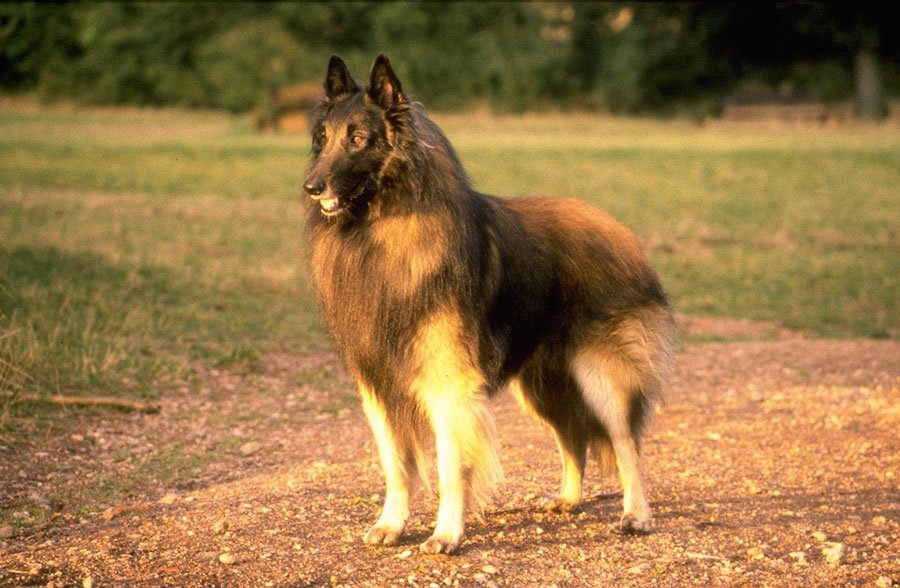
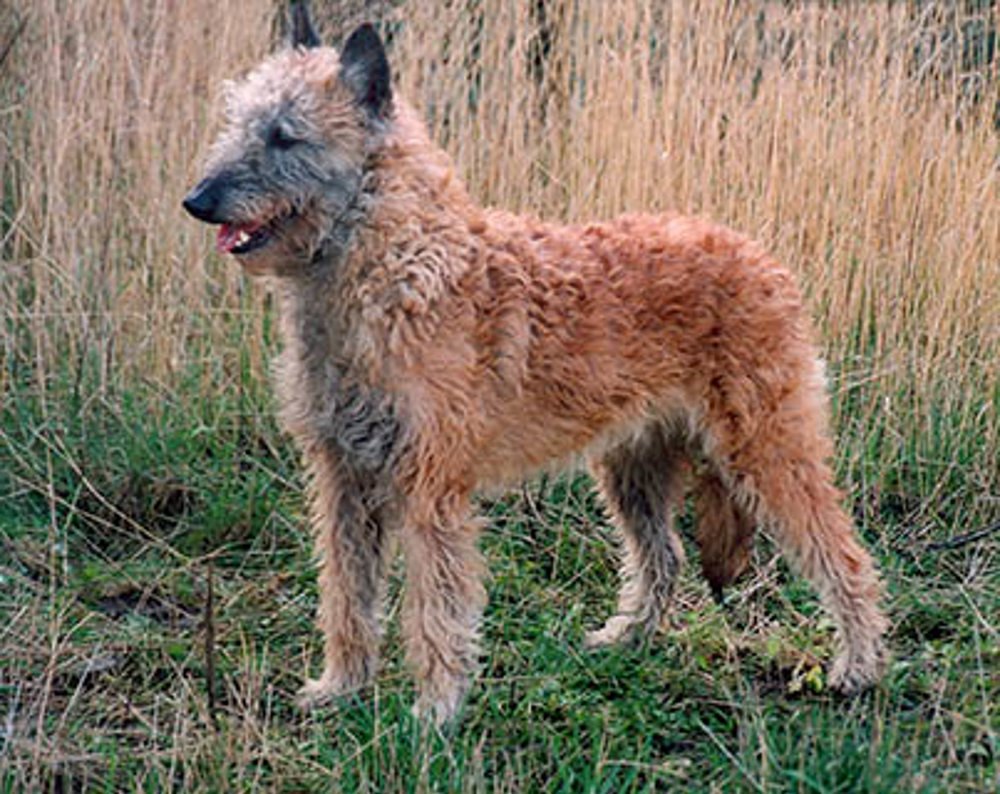
You might first notice a Belgian Laekenois because of the coat. It looks almost unplanned, wiry, a bit wind-swept, and very different from the sleek outline people expect when they hear “shepherd”. If you have met one in person, what tends to stand out next is the way they watch the world, alert without necessarily being noisy about it.
It is tempting to assume that a rare shepherd type is just a Belgian Malinois in a different jacket, or that any dog labelled “herding” will be automatically easy to live with if you provide a daily walk. With Laekenois, the reality is a little more particular. They can be deeply rewarding dogs for the right home, but they do best when people understand what their body and brain were shaped to do, and what happens when those needs are met thoughtfully, or missed.
This is a breed where the day-to-day details matter: the kind of exercise that actually satisfies them, the way they respond to strangers, how their coat is maintained without ruining its texture, and why health screening is not just a breeder talking point. Getting those practical pieces right is what makes the difference between a dog that settles well into family life and one that is always looking for a job you did not mean to assign.
- Breed category: Herding
- Country of origin: Belgium
- Height: Males typically 60 to 66 cm, females typically 56 to 62 cm
- Weight: Males about 25 to 30 kg, females about 20 to 25 kg2
- Life span: Commonly around 10 to 12 years1
- Coat type: Rough and wiry, with furnishings on the muzzle
- Colour: Fawn with black shading, especially on the muzzle and tail2, 3
- Shedding: Moderate
- Exercise needs: High, benefits from daily physical exercise plus training and problem-solving
- Temperament (in brief): Watchful, intelligent, devoted, often reserved with strangers
- Original work: Herding and guarding livestock, and guarding linen in fields in Belgium1, 4
- AKC recognition: Fully recognised from 1 July 2020 (Herding Group)5
Where the Laekenois comes from, and why that still shows up today
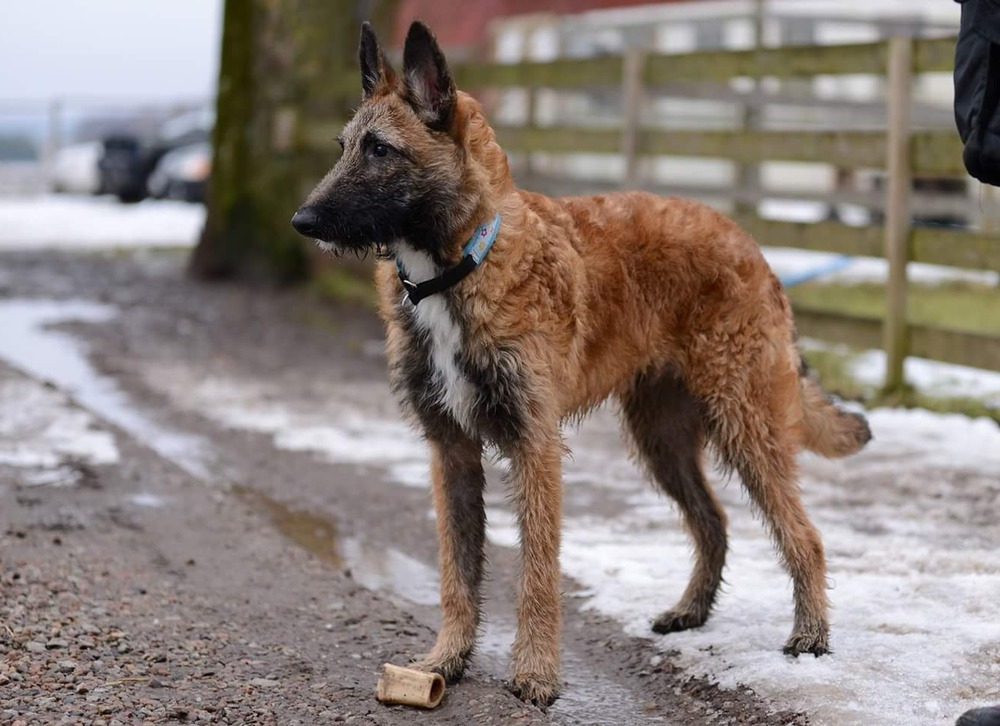
The Laekenois is one of four Belgian Shepherd varieties, distinguished mainly by coat type and colour. The name links back to the Laeken area near Brussels, and historically these dogs were valued as practical, all-weather workers. They herded and guarded livestock, and were also used to protect linen laid out in fields, a detail that sounds quaint until you picture how much steady vigilance it requires.1, 4
That working background helps explain two common features people notice today: high environmental awareness and a readiness to take responsibility. In the right setting, this looks like a dog that checks the boundaries, notices changes quickly, and can be taught complex tasks. In the wrong setting, it can look like restlessness, over-alert behaviour at the fence line, or a dog that makes its own entertainment.
Looks, coat, and the “rough” outline
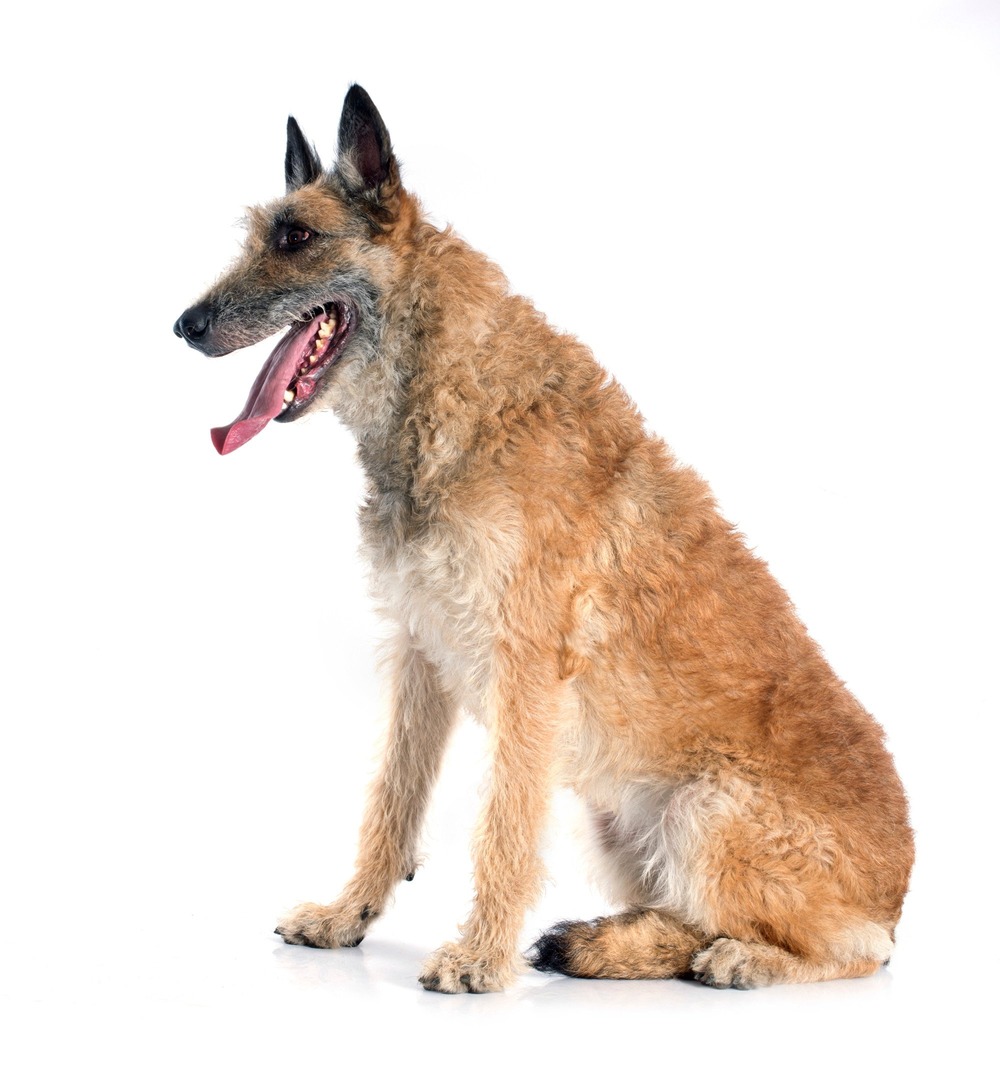
The Laekenois is medium-sized, athletic, and built to move efficiently. Their rough coat is not just a style feature. It is functional, with a harsh texture and a slightly untidy outline that offers protection from weather and rough ground. Breed standards describe the colour as fawn with traces of black shading, particularly around the muzzle and tail.2, 3
If you are comparing the Laekenois to the Malinois, Groenendael, or Tervueren, it helps to treat the coat as more than cosmetics. Coat care choices, including clipping and heavy trimming, can change how the coat sits and how well it protects the skin. If you are working with a groomer who has not seen the breed before, bring reference photos and talk through an approach that preserves texture rather than aiming for a smooth finish.
Temperament, family life, and the question of “protective”
Most Laekenois people describe them as devoted and watchful. Those words can sound appealing, but they are not automatic guarantees of an easy family dog. A watchful dog needs guidance about what matters, what does not, and how to settle when the household is calm.
In practice, many Laekenois are affectionate with their own people and reserved with strangers. That reserve is not inherently a problem, but it does mean you will likely be doing more thoughtful socialisation than you might with an easygoing, socially confident breed. Early, low-pressure exposure to everyday life, visitors, handling, and new environments can help the dog build stable expectations, rather than rehearsing suspicion or overexcitement.
With children and other pets, the usual rules apply but matter more with an active herding type: supervise, teach kids how to interact calmly, and do not rely on “good with children” as a fixed trait. Herding instincts can show up as chasing, circling, or nipping at movement if the dog is under-exercised or over-aroused. This is not a moral failing, it is information about what the dog needs next.
Training and exercise that actually works
Laekenois tend to learn quickly, especially when training is consistent and reward-based. Many do best when you treat training as a daily habit, not a short puppy phase. A few minutes of well-timed practice, repeated often, usually beats one long session on the weekend.
Exercise is not just about mileage. For this breed, it helps to think in layers: physical outlet, skill-building, and decompression time where the dog can sniff and move without constant instruction. If you only provide high-intensity games, you can accidentally build a dog that is physically fit but unable to switch off.
For many households, a realistic routine includes:
- Daily movement (brisk walks, running with an experienced handler, hiking, or structured play)
- Short training blocks (obedience foundations, calm greetings, loose lead work)
- Mentally satisfying tasks (scent games, food puzzles, trick training)
- Planned rest, because settling is a skill as well
When choosing any dog, it is worth being honest about your living conditions and time. High-drive herding breeds often cope poorly with boredom, and “a backyard” is not the same thing as engagement.6
Health, screening, and what to ask a breeder
Like many medium to large working breeds, Laekenois can be affected by orthopaedic and eye conditions. Hip dysplasia is one of the better-known risks in larger breeds, and it is best understood as a condition shaped by both genetics and environment. In simple terms, a poorly fitting hip joint can lead to abnormal wear and the development of arthritis over time.7, 8
Because the Laekenois is rare in many countries, the quality of breeding programs and the availability of clear health records can vary a lot. A responsible breeder should be willing to show you documented screening results and explain how they make pairing decisions, not just reassure you verbally.
Useful, practical questions include:
- What hip and elbow screening has been done, and can I see the certificates?
- What eye testing has been done, and when was it last repeated?
- What have you seen in your lines around mobility, temperament stability, and longevity?
- How do you raise puppies to build resilience and calmness in the home?
In Australia, Dogs Australia runs CHEDS, a hip and elbow dysplasia screening scheme, and it can be a helpful reference point when you are learning what “tested” can mean in practice.9
Grooming the wiry coat without overdoing it
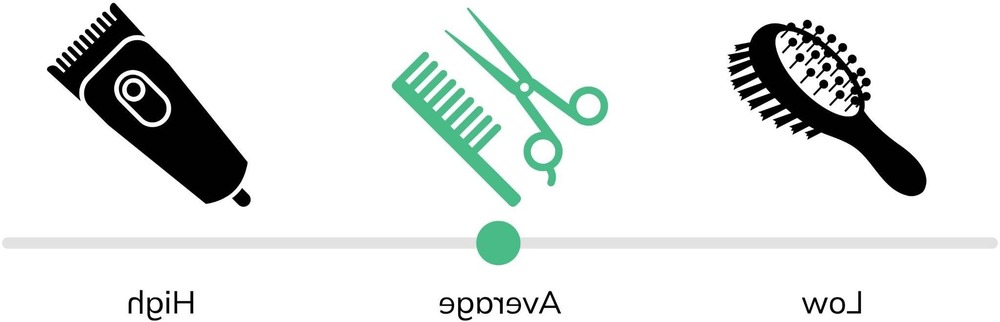
The Laekenois coat is often described as moderate maintenance, but it rewards regular, gentle attention. Weekly brushing is a sensible baseline for many dogs, with extra sessions during seasonal shedding. Focus on removing loose hair and checking friction points, rather than trying to make the coat sit flat.
It is also worth keeping routine care truly routine: nails, ears, teeth, and a quick skin check after outdoor exercise. For active dogs that run through scrub or long grass, small issues are easier to address when you catch them early.
If you are unsure what is appropriate for the coat, ask your breeder and vet for guidance. The goal is usually clean, comfortable, functional, not sculpted.
Living with a Laekenois: who they suit best
The Laekenois tends to suit people who enjoy training as part of daily life and who can provide meaningful activity, not just occasional outings. They often do well with handlers who value structure and calm consistency, and who can teach the dog when to engage and when to settle.
They are not automatically unsuitable for suburban living, but they are rarely a good “set and forget” dog. If your household is away for long hours most days, or you prefer a dog that is socially effortless with every visitor, it is worth considering a breed with lower vigilance and lower drive.
For the right home, though, the Laekenois can be a steady, engaging companion, the kind of dog that seems to notice what you are doing and is ready to join in, provided you have shown them what “joining in” looks like.
References
- American Kennel Club: Meet the Newest AKC-Recognized Breed, Belgian Laekenois
- The Kennel Club (UK): Belgian Shepherd Dog (Laekenois) Breed Standard
- FCI Breed Standard (Belgian Shepherd varieties), as published by AWMA
- American Kennel Club (Press release): AKC Recognizes the Belgian Laekenois
- CBS News Detroit: Belgian Laekenois recognition by the AKC (July 2020)
- RSPCA Pet Insurance Australia: Considerations when choosing a dog
- Orthopedic Foundation for Animals (OFA): Hip Dysplasia overview
- Australian Maremma Club of Victoria: Hip Dysplasia information
- Dogs Australia: CHEDS (Canine Hip and Elbow Dysplasia Scheme)