

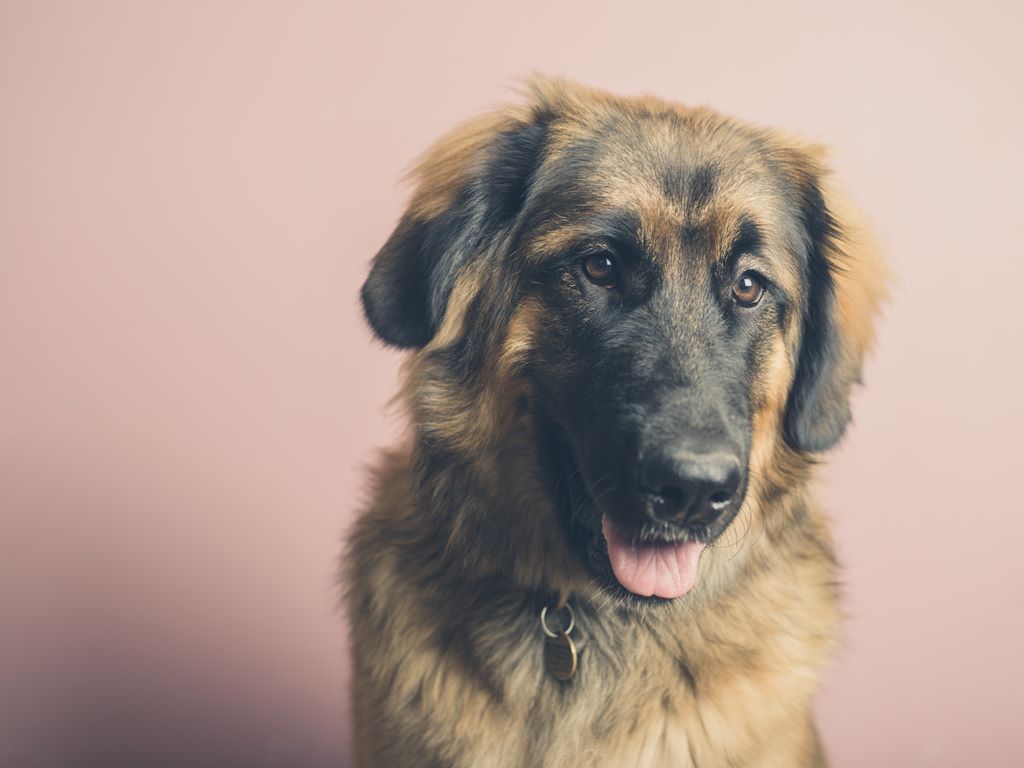
People usually meet a Leonberger in the most ordinary way, at a park, at a mate’s place, or on a quiet street walk, and the first thought is often about size. They are big, unmistakably so. But what tends to linger is how settled and considerate many of them are when they have been raised well.
It is easy to assume that a giant, lion-coated dog must be intense, hard to manage, or built only for “working dog” people. The Leonberger can be a working breed, but in day-to-day life they are more often a family companion who needs space, time, and thoughtful handling. When that support is missing, the same qualities that make them wonderful can become challenging in a typical household.
Living with a Leonberger is less about chasing perfection and more about understanding what a large, social dog needs to stay comfortable: steady training, sensible exercise, good grooming habits, and careful health management, especially in warm weather.
- Breed category: Working (giant breed)
- Country of origin: Germany
- Typical height: Males 72 to 80 cm, females 65 to 75 cm
- Typical weight: Often around 41 to 75 kg (varies by build and sex)
- Typical lifespan: Commonly around 8 to 10 years
- Coat: Long, water-resistant double coat
- Colours: Lion-yellow, red, reddish-brown (with black mask)
- Exercise needs: Moderate to high, daily movement and enrichment
- Grooming: Regular brushing, heavier during seasonal shedding
- Heat tolerance: Thick-coated, can struggle in heat
Where the Leonberger came from
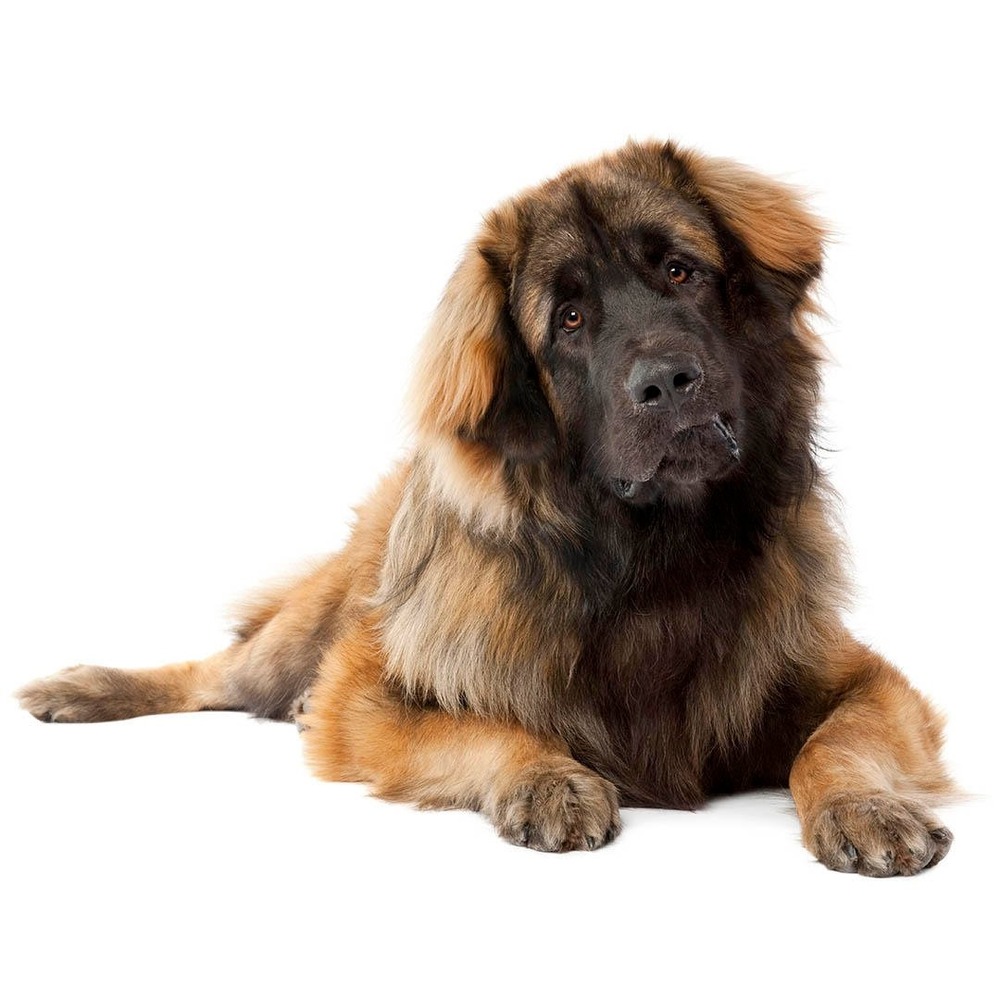
The Leonberger takes its name from the German town of Leonberg. Breed history is often told as a neat story, but with Leonbergers it is worth holding the details lightly. The best-known account credits Heinrich Essig (a town councillor and dog breeder) with developing a large, lion-like dog in the mid-1800s, using crosses that included Newfoundland and Saint Bernard-type dogs, with other mountain-dog influence also commonly mentioned.1, 2
The “lion” idea was not random. Leonberg’s coat of arms features a lion, and breed lore has long linked the dog’s look to that symbol. Over time, darker coats and the now-familiar black mask became part of the modern type we recognise today.2, 3
A working background that still shows up
Even if your Leonberger never pulls a cart or swims in open water, you often see the working heritage in their physical build and interests. Many enjoy water and can be strong swimmers, helped along by webbing between the toes that is common in some water-oriented breeds.1
Appearance and the traits people notice first
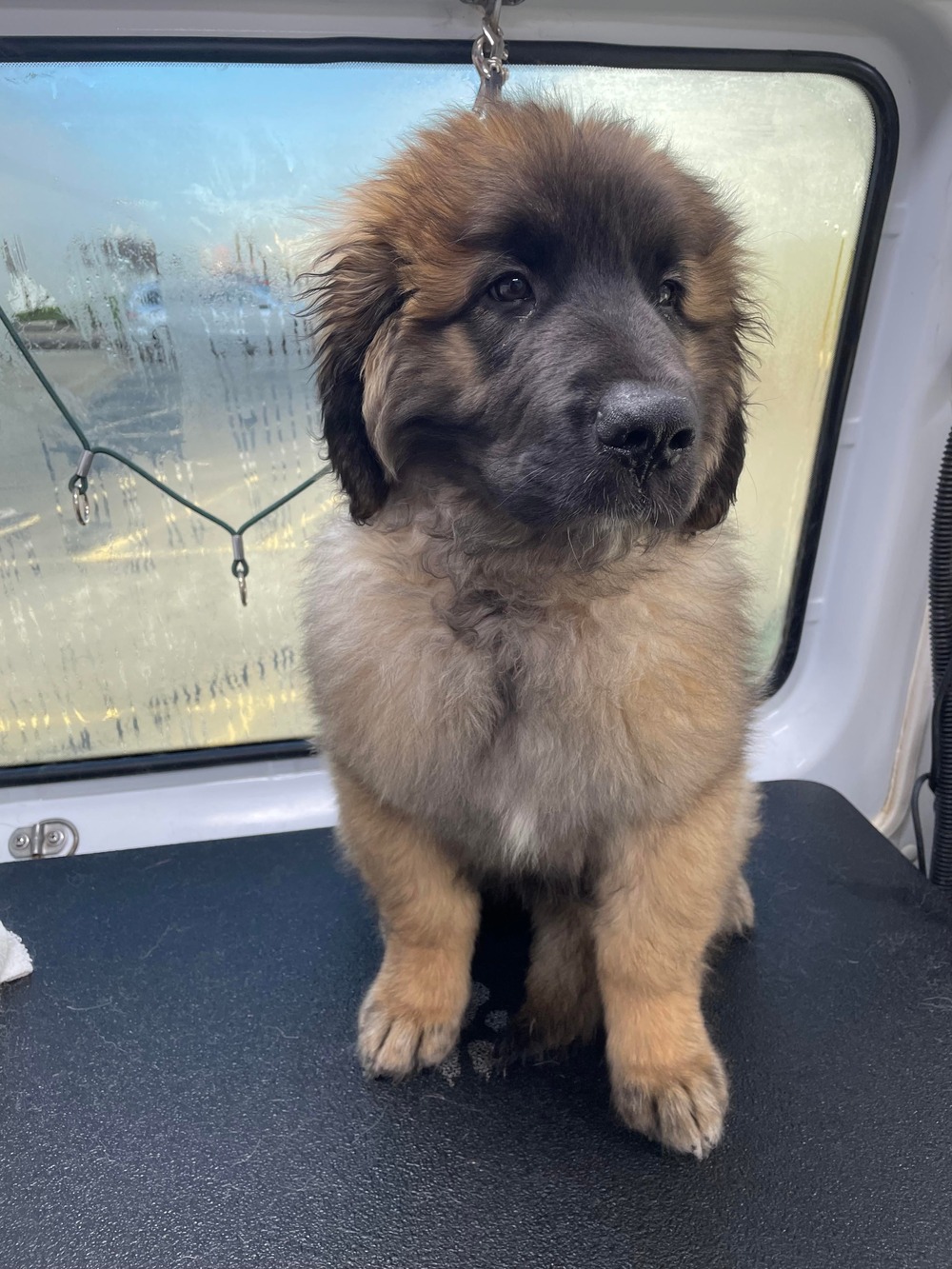
A Leonberger is large, balanced, and substantial without looking clumsy. The breed standard describes a long, dense, weather-resistant coat, a mane that is often more pronounced in mature males, and a black mask over the face.4
Coat colours are typically within the lion-yellow to red and reddish-brown range. The overall effect is striking, but it also comes with practical implications: this is a dog who will bring in leaves, burrs, and moisture, and who may find hot Australian afternoons genuinely uncomfortable.4
Living with the coat, not just looking at it
That thick double coat is not simply “extra hair”. It insulates in cold weather and repels water, but it also means you need a plan for grooming and for summer management. A Leonberger who is overheating will not always announce it loudly, so it helps to build routines around shade, timing, and recovery after exercise.
Temperament and suitability in everyday homes
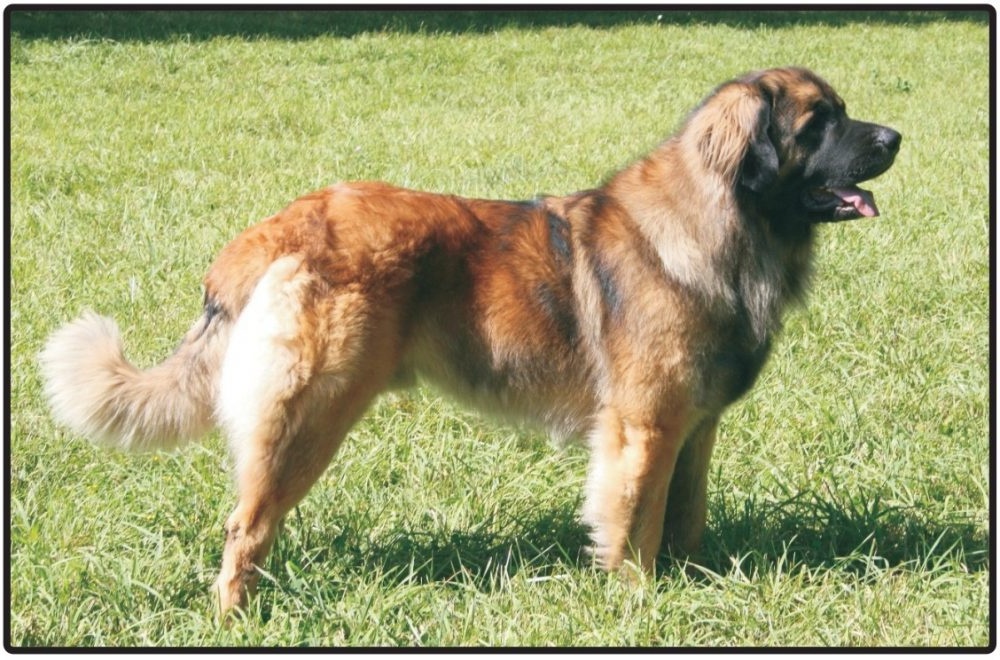
Well-bred, well-raised Leonbergers are widely valued for being steady, social, and family-oriented. The breed standard puts strong emphasis on stable temperament and approachability, including being composed around everyday life and manageable in public when trained appropriately.4
That does not mean they suit every household. Their size alone changes the logistics of ordinary life: the space they take up, the force behind an enthusiastic greeting, the cost of feeding, and the reality that training is not optional. A small behaviour issue in a toy breed can be inconvenient. In a giant breed, it can be unsafe.
Children and other animals
Many Leonbergers do well with children and other pets when introductions are calm and supervision is consistent. It is still wise to treat this as an individual-dog question, not a guarantee. The safest approach is to teach children how to interact respectfully with a large dog, and to build the dog’s skills around settling, gentle mouth manners, and moving away when they need space.
Training and exercise that fits a giant dog
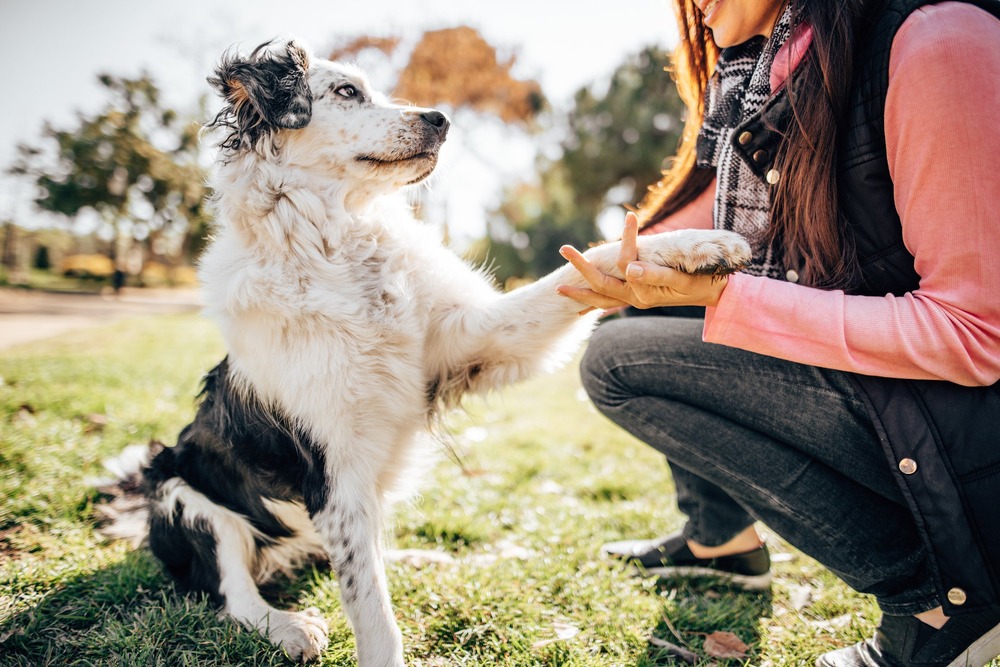
Leonbergers often respond well to calm, consistent training. Many are sensitive to pressure, so heavy-handed handling can backfire. Aim for short, repeatable sessions that build skills you will use daily: loose-lead walking, a reliable recall in safe areas, comfortable handling for grooming, and a settled mat behaviour.
Exercise needs are best thought of as daily movement plus mental engagement, not endless high-intensity running. For many adults, a couple of decent walks, some sniffing time, and a bit of training or problem-solving at home can be more useful than trying to “wear them out”.
A note on heat and timing
Because Leonbergers carry a heavy coat and a large body mass, warm and humid conditions can be risky. RSPCA advice for hot weather is practical here: choose early morning or evening walks, provide shade and ventilation, and watch for heat stress signs such as heavy panting, drooling, weakness, vomiting, or collapse. If you suspect heatstroke, cool them with tepid or cool water and get to a vet promptly.5, 6
Health considerations and preventative care
Like many giant breeds, Leonbergers can be predisposed to joint disease (including hip and elbow dysplasia) and some heart conditions. The most useful mindset is preventative: choose a reputable breeder with health testing, keep your dog lean, and treat conditioning and surface choice as part of joint care, especially while they are growing.
Bloat (gastric dilatation-volvulus) is also a concern in deep-chested breeds. It is not something to panic about, but it is worth learning the signs and discussing risk reduction with your vet. Knowing what “not quite right” looks like in your own dog can make a difference.
Practical habits that support long-term health
- Keep body condition lean, with a visible waist and easy-to-feel ribs.
- Prioritise joint-friendly exercise and avoid repetitive high-impact activity during growth.
- Schedule routine vet checks, including dental care and heart monitoring as advised.
- Learn the early signs of heat stress and have a summer plan (shade, cool flooring, fans, walk timing).5, 6
Grooming and coat care that is realistic
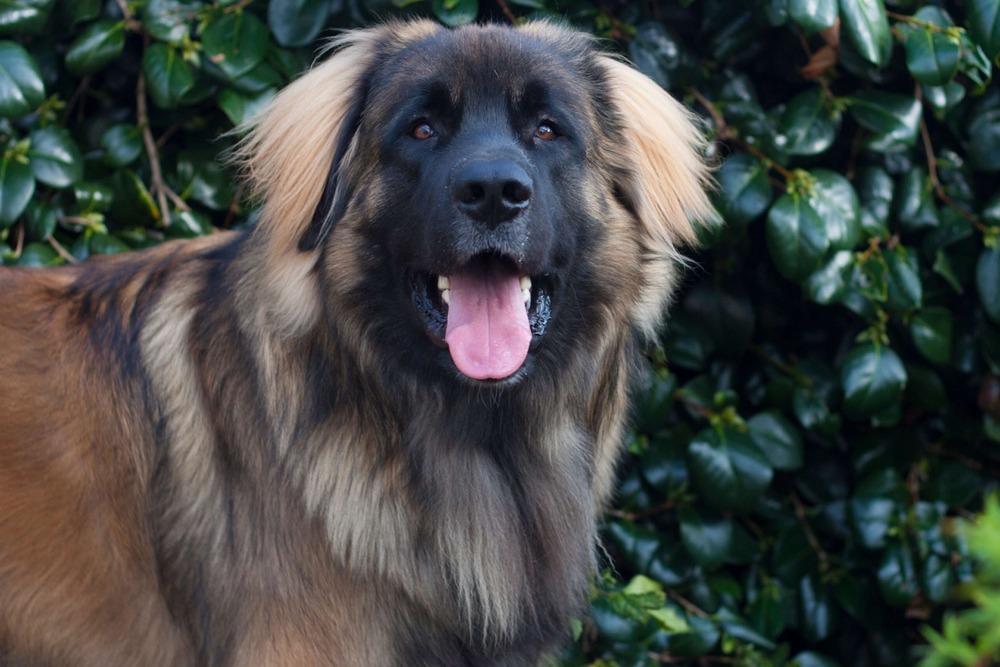
Leonberger grooming is not delicate, but it is regular. Most coats do well with thorough brushing a few times a week, with extra attention behind the ears, through the feathering on legs, and at the trousers where mats quietly form.
Seasonal shedding can be heavy. Rather than trying to “win” against the hair, aim for a routine that keeps skin healthy and prevents tight mats. A good slicker brush, a comb to check your work, and a dryer after swims can do more than frequent baths.
Handling checks that pay off
Make gentle handling normal: ears, feet, nails, teeth, and tail. Large dogs benefit from cooperative care training because it reduces stress for everyone and makes vet and grooming visits safer and more efficient.
Feeding a Leonberger without overdoing it
Feeding advice is always individual, but the guiding principle for Leonbergers is steady growth and stable condition, not maximum size. For puppies, large-breed puppy diets can help support appropriate growth rates. For adults, the “best” food is the one that keeps them lean, energetic, and producing consistent stools, with your vet’s guidance if there are allergies or medical conditions.
As a starting point, many do well on two meals a day as adults, while puppies need smaller, more frequent meals. Treats are useful for training, but with a giant breed the calories add up quickly, so it helps to measure treats and use part of the daily ration for rewards.
Final thoughts on living with a Leonberger
A Leonberger tends to thrive when life is steady: clear boundaries, daily time with their people, and routines that respect the reality of a giant body and a thick coat. They are often at their best in homes where someone notices small changes early, whether that is stiffness after a big day, reluctance to exercise in heat, or coat tangles starting to build.
If you have the space and the appetite for consistent training and grooming, the reward is often a dog who is deeply companionable and surprisingly adaptable. Not perfect, not effortless, but very much worth understanding on their own terms.
References
- Wikipedia: Leonberger
- American Kennel Club: History Behind the Leonberger
- Leonberger Life: The Origins of the Leonberger Dog
- FCI: Breed Standard No. 145, Leonberger (PDF)
- RSPCA Australia: Keeping your pet safe during heat
- RSPCA ACT: Hot weather tips for pets
- RSPCA Pet Insurance: Heatstroke guide for cats and dogs
- International Leonberger Union: Breed standards
- RSPCA Australia: Caring for animals over summer