

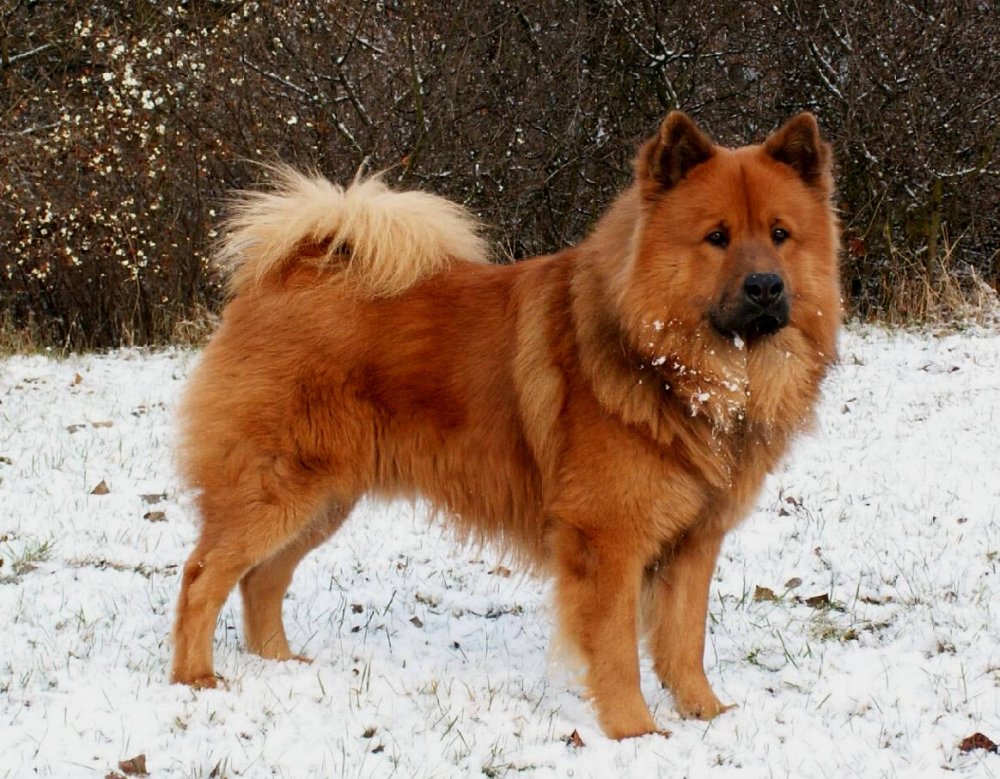
People often notice the long coat first. A Chow Chow can look almost unreal in the right light, like a small lion with a curled tail and an unmistakable presence. Then the questions start: are they actually calm, or just not fussed? Are they friendly, or simply selective? And is that thick coat practical where you live?
Living with a long haired Chow Chow tends to bring you back to basics. This is a breed that often prefers steady routines, clear boundaries, and quiet respect over constant handling. They can be deeply attached to their people, but they usually show it in a measured way, not with busy enthusiasm.
What matters in practice is matching the dog in front of you to your household. A Chow’s coat, heat sensitivity, and independent temperament can suit some homes beautifully, and feel difficult in others. Getting the fit right early, especially with socialisation and day to day management, makes a noticeable difference over the dog’s lifetime.
At a glance: the long haired Chow Chow
- Origin: China
- Group: Non-sporting (commonly listed as Utility or Non-sporting, depending on kennel club)
- Height: often around 46 cm and above at the withers in many standards, with overall balance preferred over chasing a number1
- Weight: typically medium to large, many adults sit roughly in the 20 to 32 kg range (varies by sex and build)
- Life expectancy: commonly around 8 to 12 years (individuals vary with genetics and care)
- Coat: dense double coat, the long haired variety is often called “rough coat”
- Temperament: loyal yet aloof, often reserved with strangers1, 2
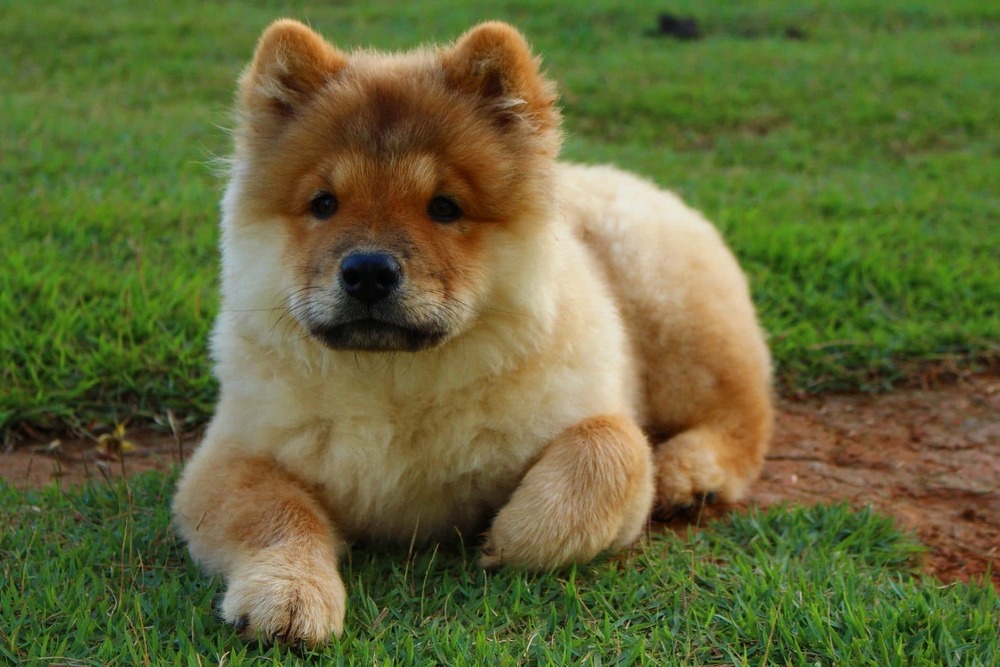
- Signature traits: bluish-black tongue, curled tail, distinctive short striding gait1, 2
Where the Chow Chow comes from, and what that means today
The Chow Chow is widely regarded as an ancient breed type from China, developed for practical roles such as guarding and general utility work. That history matters because it helps explain why many Chows still value personal space and calm predictability in their environment.
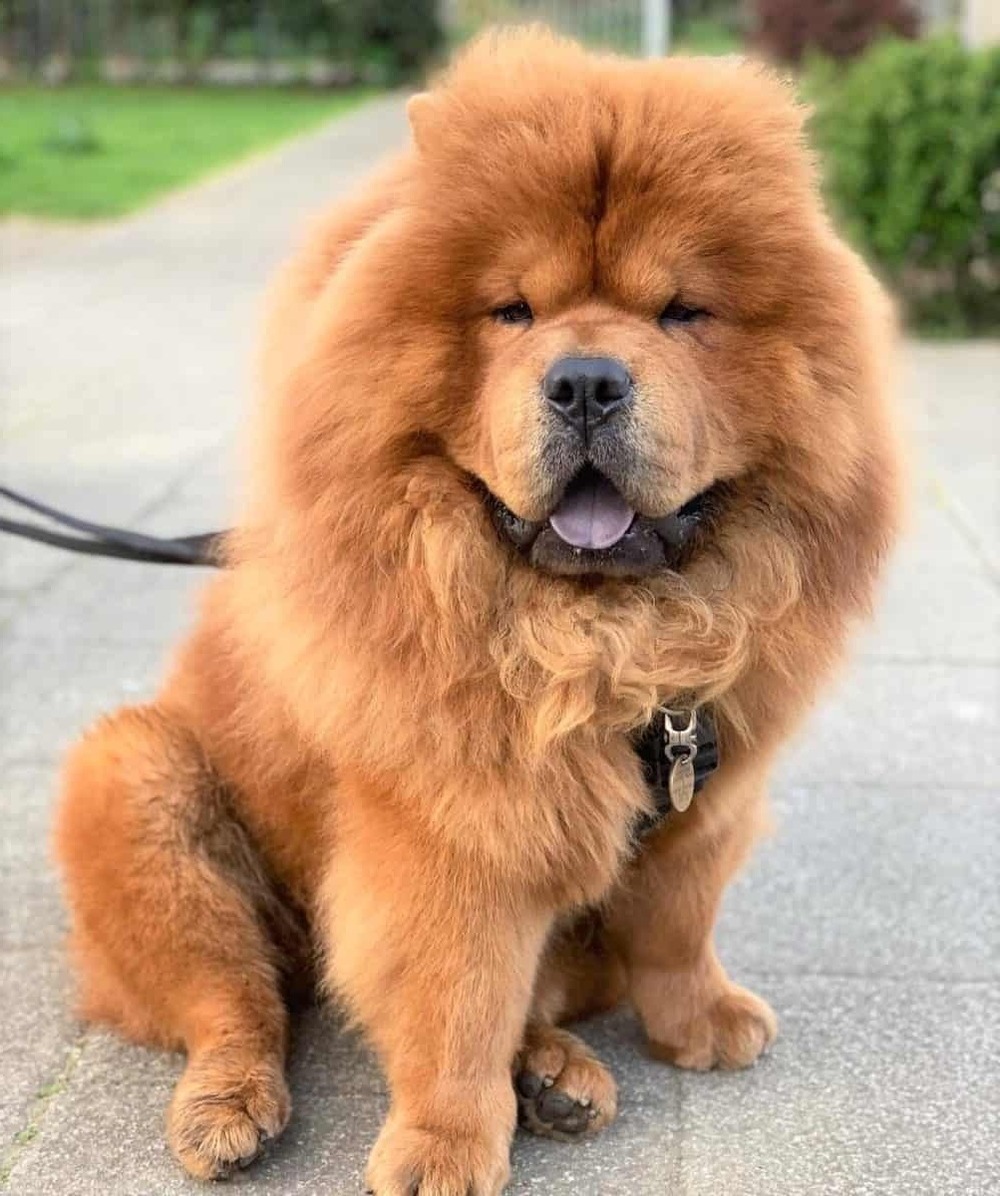
Breed standards across major kennel clubs paint a consistent picture: compact and well balanced, tail carried over the back, a dense coat, and the characteristic bluish-black tongue. They also describe the Chow’s temperament in a way many owners recognise after the novelty of the fluff has worn off: independent, loyal, and often reserved with unfamiliar people.1, 2
It is also worth noticing what modern standards quietly warn against. Heavy coats can cause distress in hot weather if the dog cannot regulate their temperature effectively, and movement should remain free and functional. In other words, the “look” should not come at the cost of comfort.2
Temperament: affectionate, but usually on their own terms
A long haired Chow Chow can be very devoted to their household. The devotion is often steady rather than showy. Many are not keen on constant hugging, face to face fussing, or being treated like a toy, particularly by visitors who assume all fluffy dogs want the same kind of attention.
If you have only met bouncy, socially confident breeds, a Chow can feel puzzling at first. Their “aloof” reputation is not always about being unfriendly. Often it is simply a preference for observation before engagement, and a lower tolerance for pushy handling. In the right home, that can be a genuinely pleasant trait: quiet company without the constant demands.1, 2
Because many Chows are naturally watchful, it helps to guide their early experiences carefully. Well planned socialisation is less about forcing interactions, and more about building neutral, safe exposure to people, dogs, surfaces, sounds, and handling.
Children, visitors, and other pets
Chow Chows often do best with respectful, predictable interactions. In practical terms, that means supervision around children, and teaching kids how to approach and touch a dog safely. A Chow that is left alone to rest, eat, and move through the house without being cornered is more likely to stay settled.
With visitors, it helps to normalise calm routines. Let the dog observe at a distance, use gates if needed, and avoid the common mistake of encouraging strangers to pat them immediately. For many Chows, choice and distance reduce tension far more effectively than repeated reassurance.
Other pets are a case by case question. Some Chows live peacefully with other animals, especially when raised alongside them. Others prefer to be the only dog. Early, controlled introductions and ongoing management matter, and a qualified trainer can be valuable if you see stiffness, guarding, or escalating reactions.
Training and exercise: steady, brief, and consistent
Chows are often described as “stubborn”, but a more useful framing is that they tend to be independent thinkers. Training usually works best when it is clear, low pressure, and consistent, with rewards the dog actually values.
Rather than drilling long sessions, aim for short repetitions woven into daily life. Simple cues like a recall, a polite wait at doors, and comfortable handling for grooming can make a bigger difference than chasing flashy tricks.
Exercise needs are typically moderate. Many adult Chows are happy with daily walks and some gentle play, as long as you factor in temperature and coat. In warm weather, choose cooler times of day and keep an eye on early signs of overheating.3, 4
Heat and the long coat: planning matters
The long coat is beautiful, but it changes the way you manage summer. Dogs cool themselves largely through panting, and thick coated breeds can struggle when days are hot, humid, or poorly ventilated. Add extra risk factors like being overweight, and problems can escalate quickly.3, 4
Practical habits that help:
- Walk early morning or later evening, and keep sessions gentle in warm conditions.
- Provide shade, airflow, and reliable water access, indoors is often safer on extreme days.5
- Avoid hot pavement. If you cannot comfortably hold the back of your hand to the surface for a few seconds, it is too hot for paws.5
If you suspect heat stress or heatstroke, move your dog to a cooler area, apply cool to tepid water to the coat and skin (not ice cold), use a fan, and contact a vet urgently. Even if your dog seems to recover, veterinary assessment is still the safer call.3, 5
Health considerations to discuss with your vet
No breed is “guaranteed healthy”, and it is sensible to think in terms of screening, early recognition, and routine care. For Chow Chows, joint and eye issues are commonly discussed.
Joints: hip dysplasia
Hip dysplasia is a developmental condition that can contribute to pain and reduced mobility. Risk is influenced by genetics, growth rate, body weight, and lifestyle. If you are buying a puppy, ask about health testing and family history. If you already have a Chow, keep your dog lean, build fitness gradually, and speak to your vet early if you notice stiffness, reluctance to jump, or changes in gait.6
Eyes: entropion
Entropion is when the eyelid rolls inward, which can cause rubbing and irritation on the surface of the eye. It can range from mild to serious, and is something vets may see more often in certain breeds. Squinting, watery eyes, redness, or pawing at the face are all reasons to book an examination.7
More broadly, keep up with routine checks, parasite prevention, dental care, and weight monitoring. Those ordinary habits often have the biggest impact on comfort and longevity.
Grooming the long coat without making it a battle
A long haired Chow Chow’s coat is a commitment. The goal is not perfection, it is skin health, comfort, and keeping mats from forming close to the body where they pull and trap moisture.
A workable routine for many households looks like:
- Thorough brushing several times a week, more often during seasonal shedding.
- Use a line brushing approach to reach the undercoat, especially behind ears, under the collar area, and around the back legs.
- Keep sessions short, then return later, rather than pushing through when the dog is tired or irritated.
- Check ears, nails, and skin during grooming so small problems do not become big ones.
If grooming has become stressful, it is worth getting help early. A reputable groomer who understands double coats, and a trainer who can guide cooperative care, can change the whole feel of the experience.
Feeding and body condition: keeping the Chow comfortable
Chows can carry weight easily under all that coat, and it is not always obvious until the dog is uncomfortable. Instead of guessing, ask your vet to show you how to assess body condition properly, including feeling for ribs and checking waist and abdominal tuck.
The World Small Animal Veterinary Association (WSAVA) recommends making nutrition part of every veterinary visit, including diet history and body condition scoring. That is a sensible approach for this breed, where staying lean can be kind to joints and heat tolerance over time.8
If you are choosing a commercial diet, look for a complete and balanced food appropriate to your dog’s life stage, then adjust portions based on body condition, not the packet alone. Treats count, particularly during training, so keep them small and planned.
Final thoughts: the right match, not the “perfect” dog
The long haired Chow Chow suits people who enjoy a calm, self possessed dog with clear preferences and a strong sense of routine. They are often at their best with owners who can be consistent, observant, and respectful of boundaries, without needing a dog that greets everyone like a friend.
If you are drawn to the breed, take your time. Meet well raised adults, talk with breed clubs and reputable breeders, and budget realistically for grooming and veterinary care. With the right fit, a Chow can be a quietly devoted companion, and a dog you learn to understand more deeply as the years pass.
References
- Dogs Australia: Chow Chow breed standard
- The Kennel Club (UK): Chow Chow breed standard
- RSPCA Australia: Warm weather worries, protect pets from heatstroke
- RSPCA Pet Insurance (Australia): Heatstroke (hyperthermia) guide for cats and dogs
- RSPCA Australia: Keeping your pet safe during the heat
- Orthopedic Foundation for Animals (OFA): Hip dysplasia in dogs
- Merck Veterinary Manual: Entropion in animals
- WSAVA: Global Nutrition Guidelines