

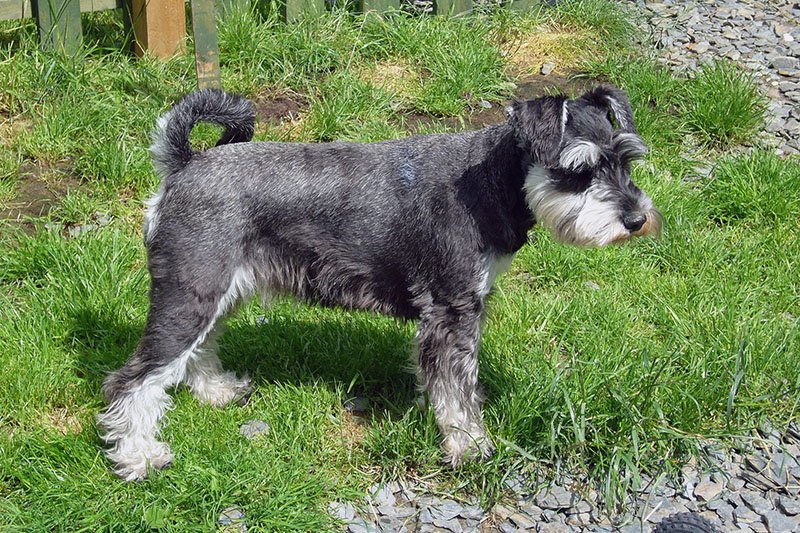
People often first notice a Miniature Schnauzer in the same way they notice a well-cut jacket. The outline is tidy, the eyebrows and beard are unmistakable, and the dog has a bright, “ready for anything” look. Then you live with one for a few weeks and realise the appearance is only the beginning. These dogs pay attention. They have opinions about what’s happening outside the front door. They also tend to be right in the middle of daily life, whether you are cooking dinner or folding washing.
It is easy to assume a small dog will be low impact, low noise, and happy with a quick lap around the block. Miniature Schnauzers can suit compact homes beautifully, but they are still terriers at heart: alert, lively, and built to engage with the world. When their needs are met, they are excellent companions. When they are under-stimulated, they can become busy, vocal, and a bit too inventive.
Understanding where the breed came from, and what tends to matter most in their care, helps you make sensible choices about training, grooming, feeding, and health. It also helps you recognise what is “normal Mini Schnauzer” and what needs a chat with your vet or trainer.
Miniature Schnauzer essentials at a glance
Breed group: Terrier type, developed as a small working farm dog in Germany.1, 2
- Size: commonly around 30 to 36 cm at the shoulder, with many adults in the 5 to 9 kg range (varies by lines and condition).
- Coat: double coat with a wiry outer coat and softer undercoat, usually hand-stripped or clipped and scissored for pet trims.2
- Recognised colours: salt and pepper, black, black and silver (other colours exist in the wider population but may not be accepted in some breed standards).2, 3
- Typical temperament: intelligent, vigilant, people-oriented, often vocal if not taught alternative behaviours.
- Common care pinch points: barking habits, coat maintenance, and a tendency in the breed towards lipid issues and pancreatitis risk, plus a known predisposition to calcium oxalate bladder stones.4, 5, 6
Origins and what the breed was built to do
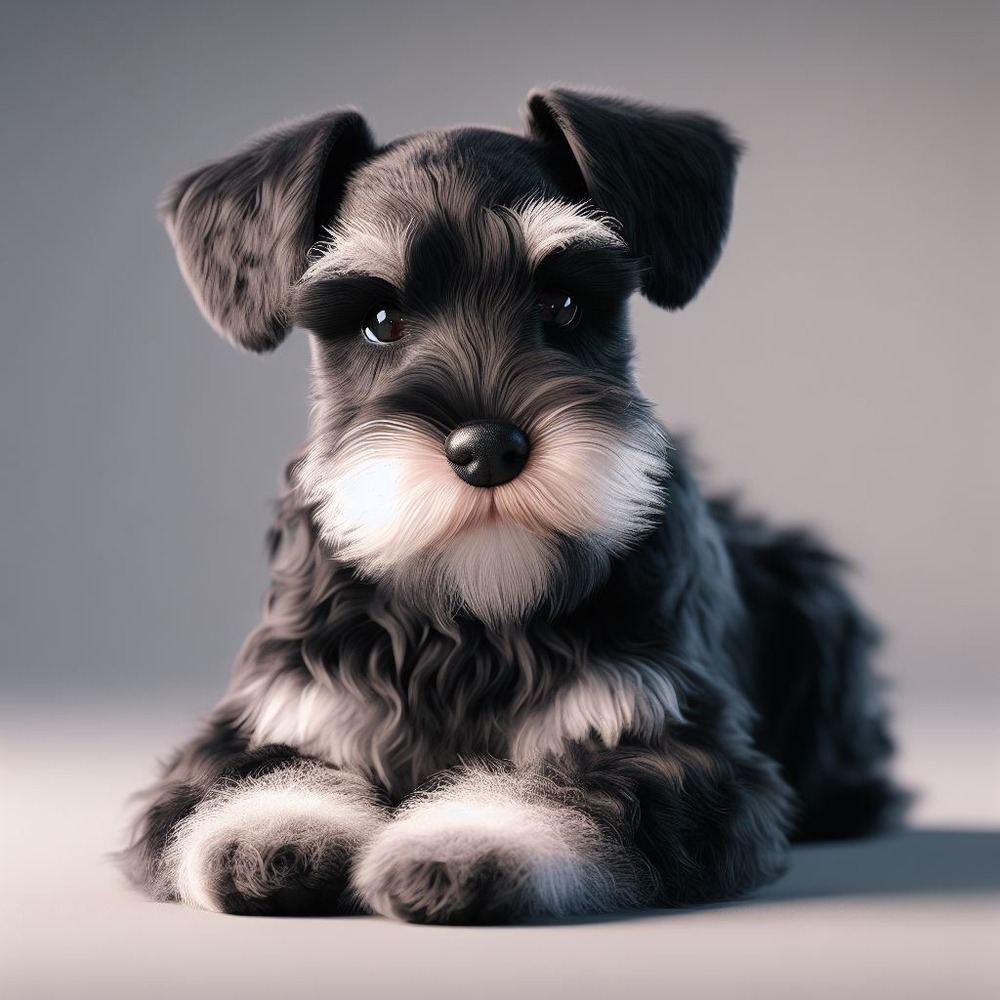
Miniature Schnauzers were developed in Germany as smaller versions of the working Schnauzer type, valued for practical farm jobs such as ratting, general watchfulness, and being an all-round, portable little dog with stamina.1, 2 When you look at the breed through that lens, a lot of modern behaviour makes more sense. They often notice movement quickly, they like to patrol, and they are motivated by what is happening around them.
That working background does not mean they need endless exercise, but it does mean they usually do best with regular purpose during the day. Purpose might be a brisk walk where they can sniff, short training sessions, food puzzles, or learning to settle calmly while life goes on.
The “beard and eyebrows” are not just decoration
The distinctive furnishings are part of the classic Schnauzer outline described in breed standards, along with a compact, square build and a harsh outer coat texture.2 In pet homes, this translates into a look that is easy to maintain if you keep up with routine grooming, and surprisingly high maintenance if you let it slide for months at a time.
Personality in real homes: bright, watchful, and sometimes noisy
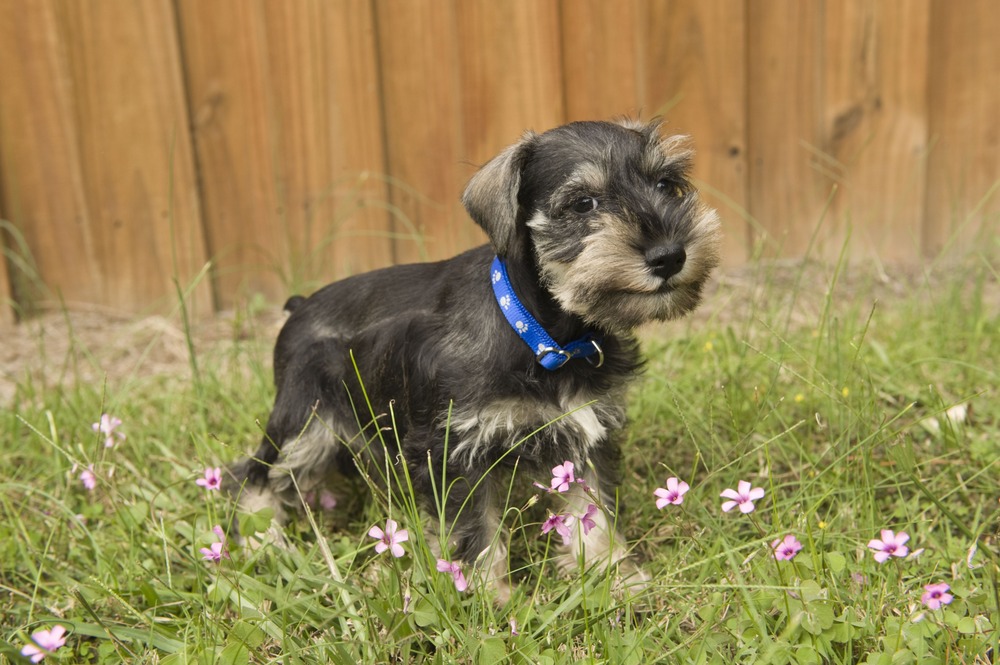
Miniature Schnauzers are often described as friendly and clever, and that tends to be true, but it helps to add two practical notes: they are quick to form routines, and they are often quick to sound the alarm. The barking is not usually “bad behaviour” in the moral sense, it is an easily rehearsed strategy that works. A dog barks, the window activity changes, people respond, and the behaviour gets stronger.
Many do well with children and other pets when socialised thoughtfully and supervised, especially during excitable play. As with any terrier-leaning breed, it is wise to watch for chasing habits around small animals and to teach calm behaviours early, rather than hoping the dog will “grow out of it”.
Watchdog skills, without creating anxiety
A useful goal is not “never bark”, it is “bark once or twice, then settle”. Teaching a cue such as “thank you, that’s enough” works best when paired with a predictable alternative, such as going to a mat, taking a chew, or doing a short sniff break in the yard. If you live in an apartment or close housing, this kind of training matters as much as daily walks.
Training and exercise that fits the breed
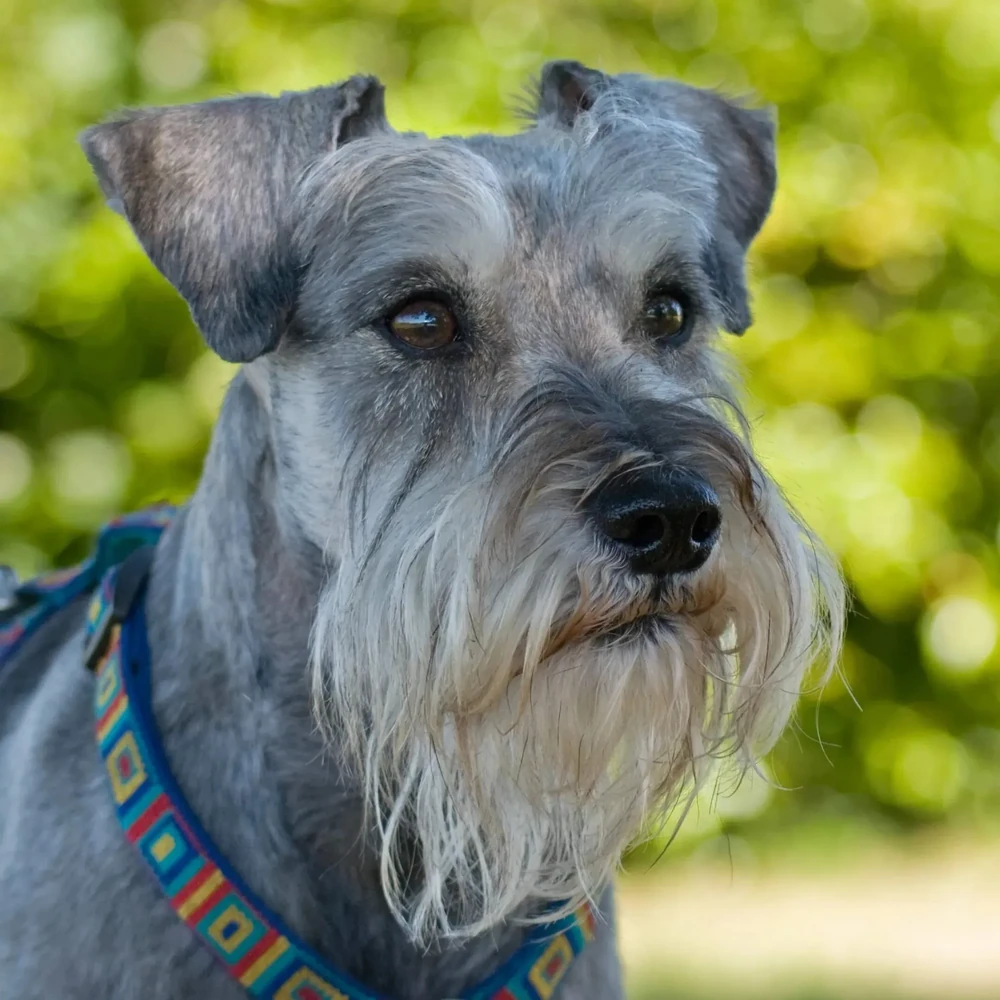
Miniature Schnauzers usually learn quickly, but they also notice patterns quickly, including the accidental ones. If the dog pulls and gets to the interesting smell, pulling becomes the plan. If barking reliably produces attention, barking becomes the plan. Training is less about “dominance” and more about clear reinforcement and calm consistency.
Keep sessions short, practical, and part of everyday life. A minute of practising a loose lead at the driveway, a few repetitions of “go to mat” while you make tea, and a quick game of “find it” with scattered kibble can do more than one long weekend training session.
- Movement: aim for a daily walk plus small bursts of play or training. Many enjoy agility-style games, scent work, and problem-solving toys.
- Social learning: gentle exposure to people, dogs, surfaces, and sounds, paced so the dog stays under threshold and can still eat treats.
- Impulse control: reinforce pauses, check-ins, and settling, especially around doors, visitors, and windows.
Health themes to know about, without over-worrying
Most Miniature Schnauzers live full lives, but like many purebred dogs they have a few recurring health themes that are worth understanding early. The aim is not to expect problems, it is to recognise what to monitor and to make preventive choices that reduce risk.
Pancreatitis risk and lipid issues
Miniature Schnauzers are overrepresented in studies of hypertriglyceridaemia, and research has found an association between elevated triglycerides and pancreatitis in the breed.4, 7 This is one reason many vets advise being cautious with fatty table scraps, rich treats, and sudden diet changes, particularly for dogs with a history of gastrointestinal upsets or abnormal blood lipids.
If your dog has repeated tummy pain, vomiting, hunched posture, or loss of appetite, treat it as a prompt veterinary visit. “It passes eventually” can be a risky strategy with pancreatitis.
Bladder stones, especially calcium oxalate
Miniature Schnauzers have a well-recognised predisposition to calcium oxalate bladder stones, including a substantially higher risk than many other breeds in some reports.5, 6 These stones can recur, and they are not typically dissolved with diet in the way some infection-related struvite stones can be. Prevention and monitoring plans are individual, and your vet may recommend periodic urine checks or imaging depending on history.
Contact your vet promptly if you notice straining to wee, frequent small wees, blood in urine, accidents in a previously house-trained dog, or signs of discomfort. In male dogs especially, obstruction can become urgent.
Eyes, skin, and “everyday” issues
Owners and vets also commonly manage skin irritation, allergies, and eye changes in the breed. Not every itch is an allergy, and not every cloudy eye is cataract, but it is sensible to keep notes and photos of recurring symptoms so your vet can see patterns over time.
Grooming: comfort first, then the classic look

The coat is one of the breed’s joys, and one of its quiet commitments. Miniature Schnauzers have a double coat described in breed standards as hard and wiry on top, with a close undercoat.2 In practice, many pet dogs are clipped rather than hand-stripped, which is a valid choice for comfort and convenience, but it can soften coat texture over time.
A simple routine usually prevents most grooming stress:
- Brush and comb the legs, beard, and armpits a few times a week to prevent knots.
- Keep the beard clean and dry, especially after meals and water, to reduce staining and odour.
- Book professional grooming on a regular schedule that suits your trim, often every 6 to 8 weeks for many pet homes.
- Ask your groomer to show you a quick, realistic home routine, not an idealised one.
Body features and welfare: ears and tails in an Australian context
You will sometimes see Miniature Schnauzers pictured with cropped ears or docked tails in older media and overseas materials. In Australia, cosmetic ear cropping is illegal in all states and territories, except where it is medically necessary and performed by a veterinarian.8 If you are meeting breeders, it is reasonable to ask clear questions about welfare practices and to walk away from anything that feels like shortcuts.
For most families, the practical takeaway is simple: focus on a dog that is well-socialised, health-tested where appropriate, and raised with calm handling. The “look” is much less important than the dog’s long-term comfort and resilience.
Living well with a Miniature Schnauzer
A Miniature Schnauzer tends to thrive when life is predictable enough to feel safe, but interesting enough to feel engaged. They often do best when owners make room for small daily rituals: a sniffy walk, a few minutes of training, a grooming touch-up, and a clear wind-down routine at night.
If you are choosing this breed, it helps to genuinely enjoy a dog that watches the world closely. If you are already living with one, it helps to remember that many “naughty” moments are simply terrier-style problem-solving. With consistent training, manageable grooming habits, and sensible health monitoring, most Miniature Schnauzers become steady, hilarious little companions who fit into family life in a very real, day-to-day way.
References
- United Kennel Club (UKC): Miniature Schnauzer breed information and standard
- American Miniature Schnauzer Club: Official standard for the Miniature Schnauzer
- American Miniature Schnauzer Club: Recognised Miniature Schnauzer colours
- Journal of Veterinary Internal Medicine (PubMed): Serum triglycerides and pancreatitis history in Miniature Schnauzers
- Morris Animal Foundation: Detecting and preventing bladder stones in Miniature Schnauzers
- University of Minnesota College of Veterinary Medicine: Calcium oxalate urinary stones and breed risk
- Journal of Veterinary Internal Medicine (Oxford Academic): Primary hypertriglyceridaemia in Miniature Schnauzers
- RSPCA Knowledgebase: Ear cropping legality in Australia