

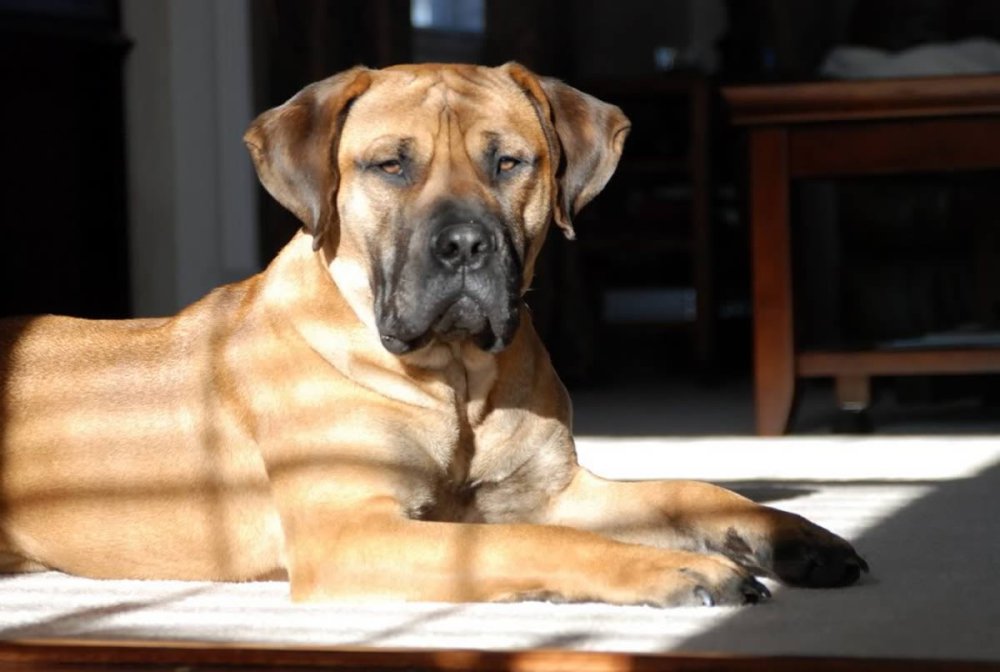
Sometimes you come across a breed name online, or in a rescue listing, and it sounds just plausible enough to be real. “Nebolish Mastiff” is one of those names. It gets repeated in scattered breed directories, often alongside confident claims about size, origin, and temperament, yet it is oddly hard to trace back to a recognised breed standard or a credible registry.
That matters in practice because the day-to-day reality of living with a very large guardian-type dog is shaped less by the label, and more by predictable needs: early training, careful growth management, and an honest look at health risks common to mastiff-type dogs. If you are considering a “Nebolish Mastiff”, it helps to treat the name as a description used in niche circles, rather than a guarantee of consistent breeding or temperament.
What follows is a grounded way to think about a Nebolish Mastiff as it is commonly described, while being clear about what is known, what is uncertain, and what you can do to set any giant, powerful dog up for a safe, steady life.
What people mean by “Nebolish Mastiff”
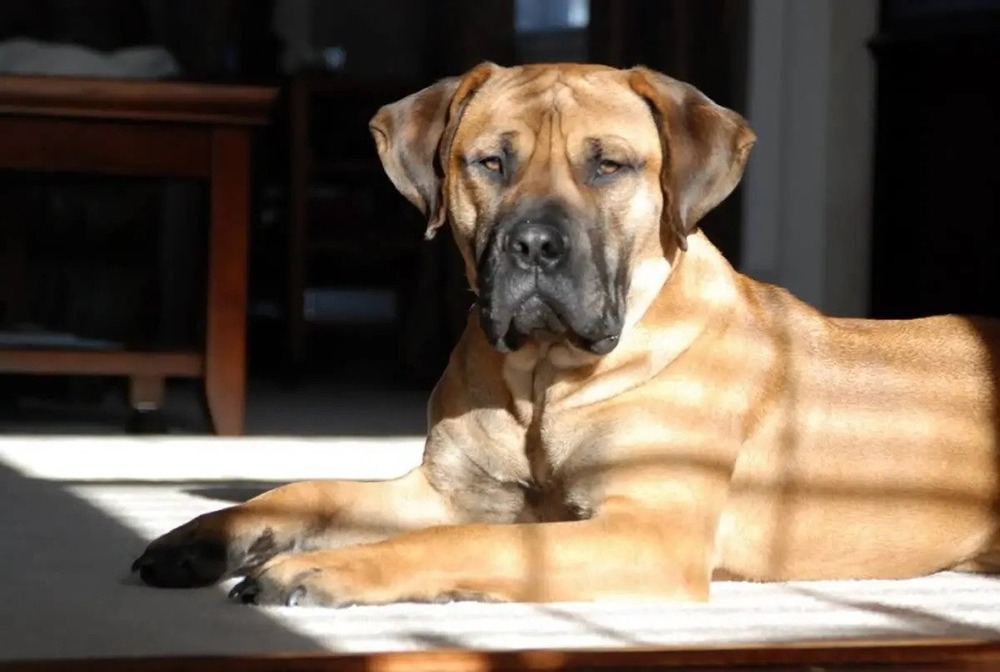
The term “Nebolish Mastiff” appears in some molosser and breed-listing sites, sometimes also called “Nebolish Bulldogge”.1, 2 A key point is that it is not recognised by major international kennel bodies such as the FCI, which maintains a formal nomenclature of recognised breeds.3
In plain terms, that means there is no universally accepted breed standard, and dogs sold under this name may vary widely in:
- adult size and build
- drive and reactivity
- health screening and pedigree transparency
- how “mastiff-like” they are in behaviour and structure
If you are meeting one in person, you are really assessing an individual dog, plus the practices of the breeder or rescue, rather than relying on a predictable template.
Origins and breed status, what is plausible and what is not
Many online profiles describe a Canadian origin and “recent development”, but the details are inconsistent and hard to verify through reputable primary sources. Some sites claim development in Canada in the 1960s to 1970s, using crosses of mastiff-type dogs, but these claims are not backed by a recognised standard or registry documentation.1, 2
A practical way to hold this is: it may be a non-standardised mastiff-type (or a marketing name for a line-bred molosser), rather than a formally established breed.
If someone is selling a puppy as a “Nebolish Mastiff”, it is reasonable to ask for evidence beyond a name on a listing. That might include verifiable health testing, clear parentage, and honest discussion about size and temperament outcomes.
Appearance and physical traits you will likely see
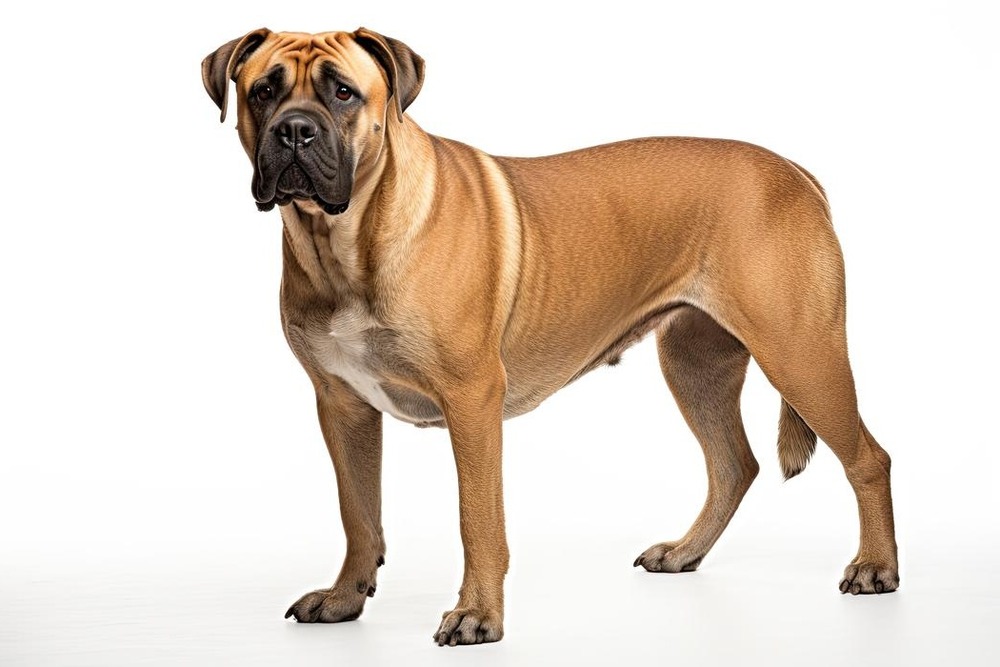
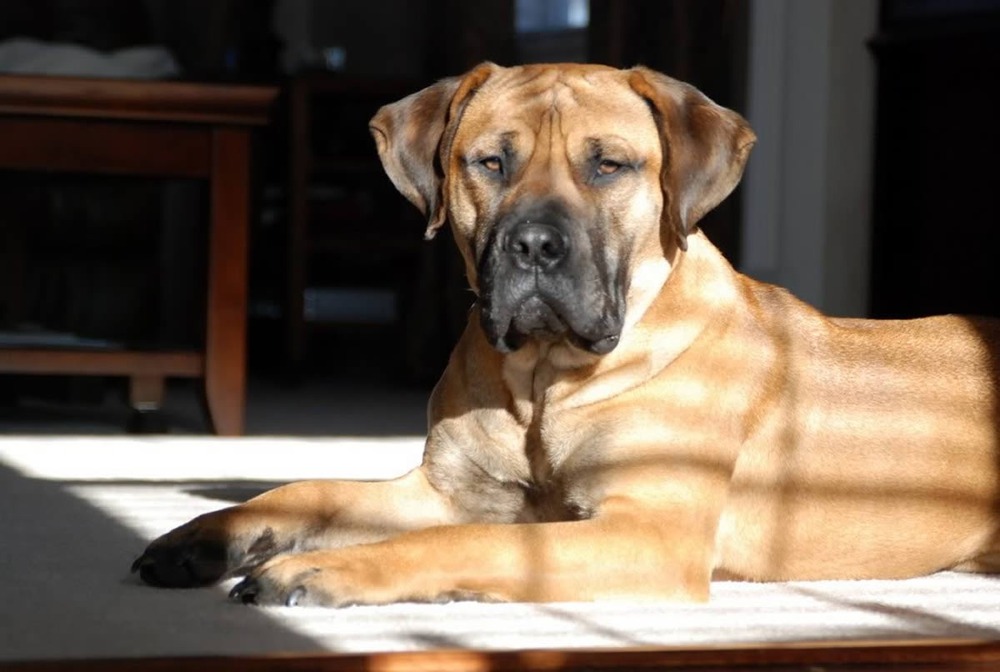
Most descriptions of the Nebolish Mastiff, where they are consistent, place it broadly in the molosser, mastiff-type category: heavy bone, substantial head, short coat, and a body built for power rather than speed.2
That said, some published height and weight figures online are internally contradictory (for example, listing a very short height alongside an extremely high weight), so treat exact numbers with caution.2 In real life, what matters most is how that size shows up in handling:
- Strength at the end of a lead, especially if the dog startles or lunges
- space needed to turn, settle, and move safely indoors
- heat sensitivity and fatigue, which can affect exercise planning
Temperament, guardian instincts, and household fit
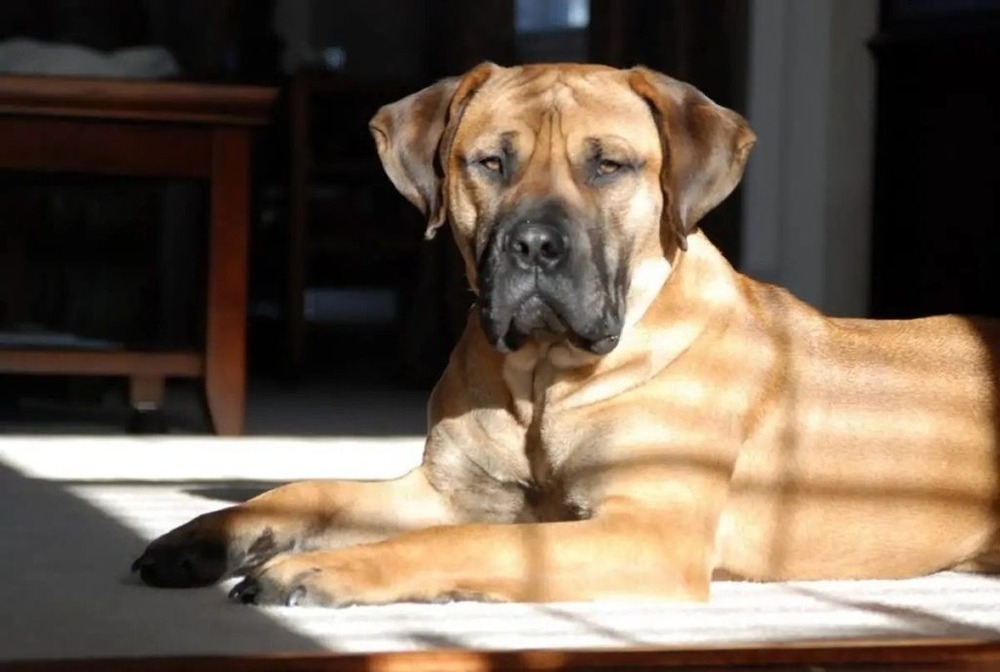
Mastiff-type dogs are often described as calm at home and watchful with strangers, and that general pattern can be true in many individuals. However, with an unrecognised or loosely defined “breed”, temperament can vary a lot with genetics, early experiences, and training.
For many families, the biggest misconception is that a very large dog is automatically “gentle”. Size does not cause stability, and it can magnify problems if the dog is under-socialised or handled inconsistently. The aim is not to suppress guarding behaviour, but to build predictable, rehearsed responses to visitors, noises, and boundary moments.
This type of dog often suits homes that can offer:
- steady routines and clear handling
- room to move without constant tight corners
- safe management for guests (gates, leads, planned greetings)
- owners who enjoy training as a normal part of life
Training and socialisation that actually works for giant breeds
With powerful dogs, training is less about “commands” and more about building habits. Early work tends to pay off most in three areas: calm lead walking, comfortable handling (ears, feet, collar, vet checks), and thoughtful social exposure.
For puppies and adolescents, joint protection matters. Large and giant dogs can take longer to fully mature, so avoid repetitive high-impact exercise while the dog is still growing.4, 5 It is also worth knowing that popular rules like “five minutes per month of age” are not strongly evidence-based and are not suitable for every puppy.4
Practical training focus tends to look like this:
- short sessions, frequently repeated, ending before the dog is bored
- reinforcement for calm choices (settle, disengage, look back to you)
- planned exposure to people and places at a pace the dog can handle
- management tools that prevent rehearsal of problem behaviour (baby gates, long lines, secure fencing)
Health considerations to take seriously in mastiff-type dogs
Even without a clear breed standard, giant molosser dogs often share a cluster of risks. Two of the most important to understand are bloat (GDV) and joint disease.
Bloat (GDV), what it is and how to reduce risk
Gastric dilatation-volvulus (GDV), commonly called bloat, is a life-threatening emergency where the stomach fills with gas and can twist. It is seen more often in large, deep-chested dogs.6, 7
Risk reduction is not perfect, but the basics are sensible and low-cost:
- feed two or more smaller meals rather than one large meal6, 8
- avoid vigorous exercise close to meals, especially after eating6, 8
- slow down “gulpers” with puzzle feeding or slow-feeder strategies8
- learn early warning signs, such as unproductive retching, a tight abdomen, drooling, restlessness, and collapse6, 7
For dogs at higher risk, some vets discuss prophylactic gastropexy, a procedure that can prevent the dangerous twisting component of GDV. It is not right for every dog, so it is a conversation to have with your veterinarian.8
Joint health and growth management
Large, fast-growing dogs can be more prone to joint issues, including hip dysplasia. Genetics matter, but so do weight and the type of exercise you allow during growth.5, 9
The most protective habits are quietly boring ones: keep the dog lean, build muscle through controlled low-impact activity, and avoid repetitive high-impact games in puppyhood.5, 9
Feeding, body condition, and everyday care
For any mastiff-type dog, diet is less about finding a “perfect” brand and more about meeting the dog in front of you. The goal is steady growth (for puppies), good muscle, and a lean body condition you can maintain. Overfeeding in large-breed puppies can contribute to overly rapid growth and extra stress on developing bones and joints.10
A few practical habits make life easier:
- measure food and adjust based on weekly body condition changes, not just appetite
- use appropriately sized kibble or feeding strategies that slow eating, particularly for dogs that bolt meals10
- keep treats as part of the day’s intake, especially during training-heavy phases
Grooming is usually straightforward for short-coated molosser types. Weekly brushing, regular nail trims, and routine ear and skin checks are often enough. The bigger workload is usually training and management, not coat care.
Choosing a Nebolish Mastiff responsibly
If you are drawn to the idea of a Nebolish Mastiff, the safest approach is to choose based on transparent health screening and temperament, not the name alone.
Useful questions to ask a breeder or rescue include:
- What do the parents look like in real life, including how they behave with visitors?
- What health testing has been done, and can you verify it independently?
- How were puppies raised, handled, and socialised?
- What support do they offer if the dog becomes too much for your household?
And if the answers are vague, defensive, or constantly shifting, it is worth pausing. With giant dogs, the margin for “we will figure it out later” is smaller than people expect.
References
- Molosser Dogs: Molosser Group 2 (includes Nebolish Mastiff listing)
- Nytt-dyr.com: Nebolish Mastiff racebeskrivelse
- Fédération Cynologique Internationale (FCI): Breeds Nomenclature
- PDSA: Exercising your puppy
- The Kennel Club (UK): Hip dysplasia in dogs
- Cornell University College of Veterinary Medicine: Gastric dilatation volvulus (GDV) or “bloat”
- VetZone (Australia and New Zealand): Gastric Dilation and Volvulus (Bloat) in Dogs
- American Animal Hospital Association (AAHA): Understanding Canine Bloat (GDV), a medical emergency
- The Kennel Club (UK): Puppy and dog walking tips (joint protection guidance)
- The Kennel Club (UK): Large dogs’ diet