

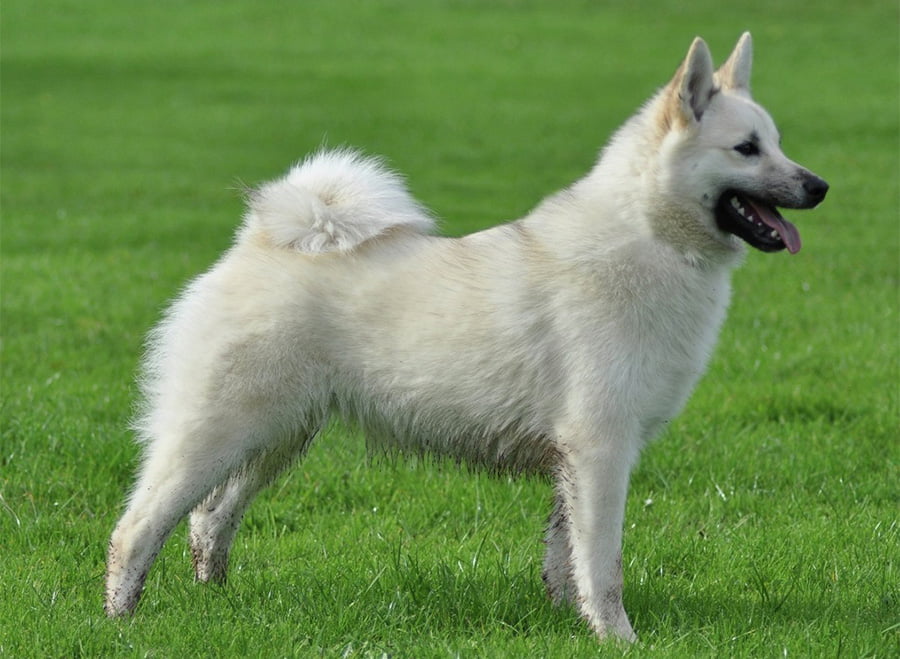
You might notice a compact, spitz type dog with a curled tail and pricked ears, and wonder if it is “just another fluffy northern breed”. Then you hear the barking, see the speed and focus, and realise there is a working dog under the tidy outline.
The Norwegian Buhund often turns up in people’s lives in practical ways: as a farm capable herder, a sporty companion at obedience or agility, or a bright, busy family dog who needs more than a quick stroll. The appeal is real, but so are the day to day needs.
What matters most with this breed is fit. A Buhund can be wonderfully steady and easy to live with when their mind and body are used well, and surprisingly challenging when they are under-exercised or asked to cope with heat, noise, and boredom for long stretches.
- Breed category: Herding (AKC), Pastoral (The Kennel Club UK)
- Origin: Norway
- Typical size: Medium, square, lightly built spitz type
- Coat: Dense double coat
- Common colours: Wheaten and black (breed standards may describe shades and markings)
- Energy: High, benefits from daily training and exercise
- Life expectancy: Often around 12 to 15 years (varies with genetics and care)
Origins and working background
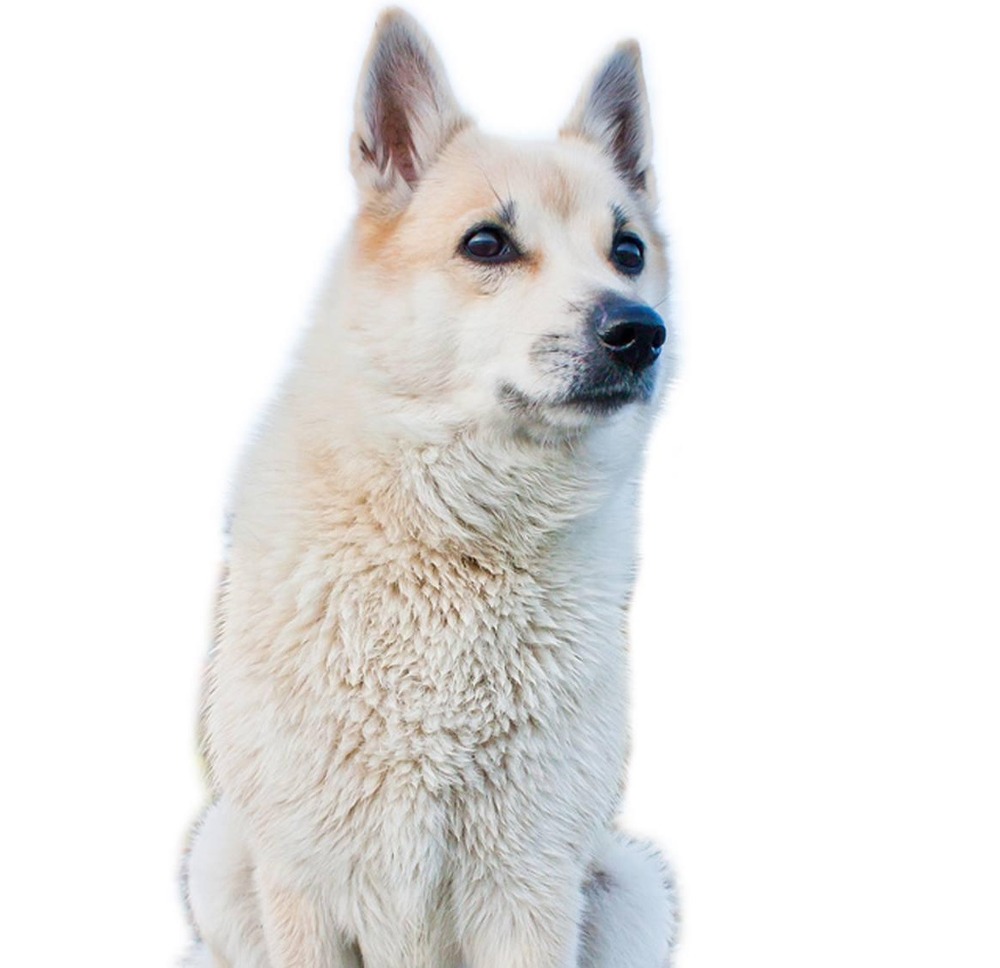
The Norwegian Buhund is widely described as an old Scandinavian farm dog, valued for being useful all day, not delicate or specialised. Sources commonly link the breed to rural life on the western coast of Norway, where dogs had to herd, watch, and move confidently around livestock and people.1, 2
It is easy to romanticise “Viking dogs”, but the more grounded point is that the Buhund’s type and temperament reflect generations of selection for practical work: quick movement, an alert bark, and the stamina to repeat the same tasks day after day.1
Breed clubs formed to preserve the type in the modern era. In Norway, the Norsk Buhundklubb states it was established in 1939.3
What a Norwegian Buhund looks like in real life
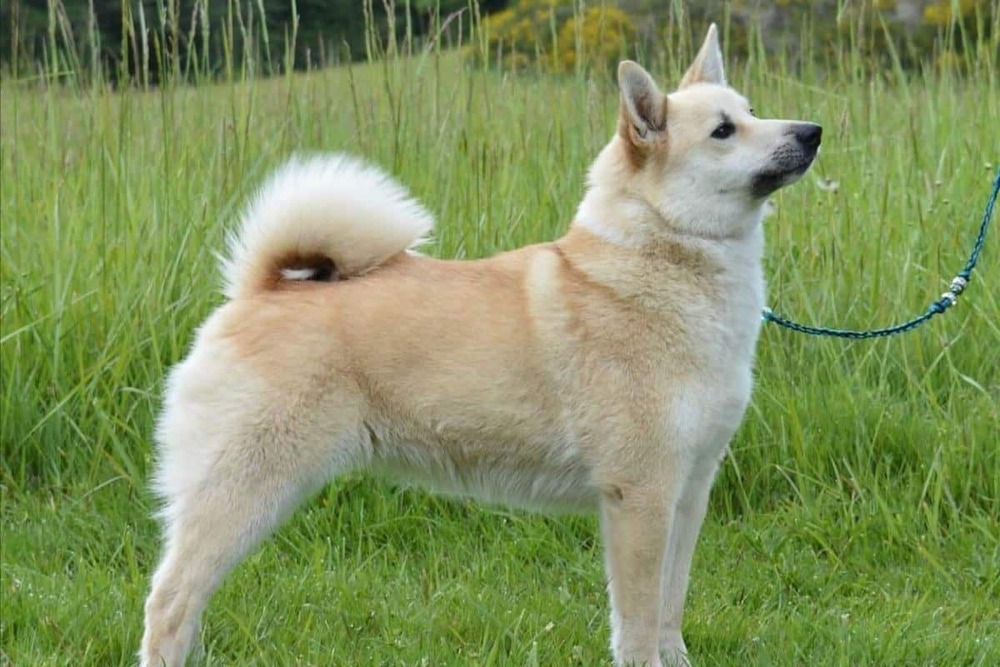
In photos, Buhunds can look fox-like or even “smallish”. In person, they read as a medium dog with a square outline, a firm body, and a brisk, efficient way of moving. Breed standards describe a compact spitz type with erect ears and curled tail, built to be active rather than heavy.4
The coat is a weather-resistant double coat. That insulation is brilliant in cold conditions, but it also means you need to be thoughtful in warm weather, especially around hard exercise and midday sun.
Temperament, barking, and the “busy dog” question
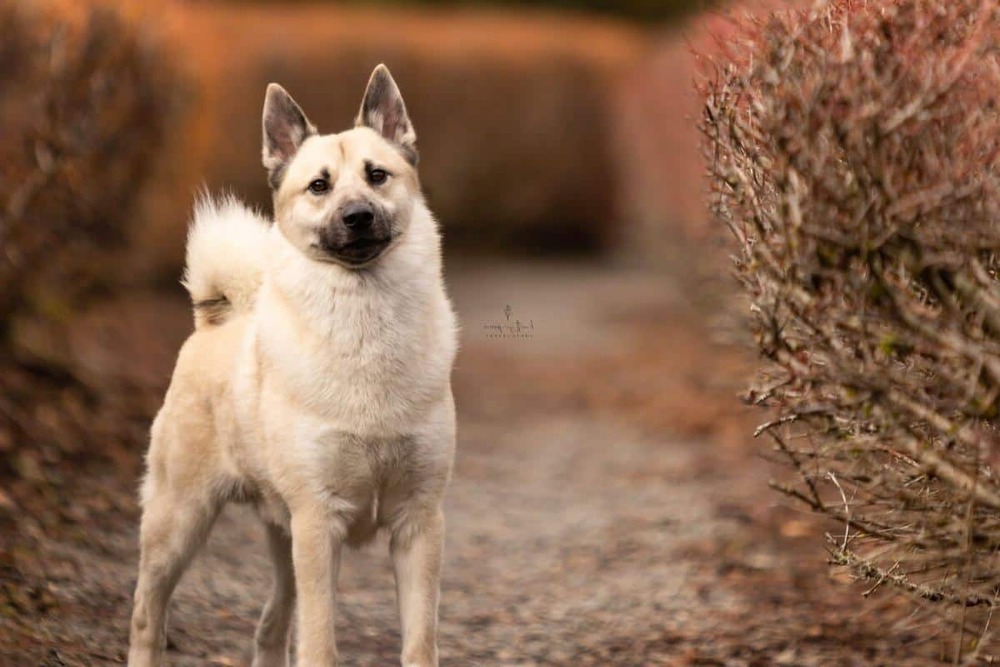
Buhunds are often described as alert, lively, and friendly. Many are social with people, quick to learn, and keen to participate, but they are not typically the kind of dog who is content doing nothing for long periods.1, 4
One of the most predictable challenges is vocalising. An alert breed can use barking as part of their job, and in a suburban setting that can turn into a habit if it is accidentally reinforced. The key is not “stop barking forever”, but teaching what to do instead, and making sure their days include enough movement, sniffing, and training that they are not scanning for something to manage.
They also tend to notice patterns quickly. That is wonderful for training, and less wonderful if they learn that pacing, whining, or barking makes the household react. Consistent routines and calm feedback matter.
Living with children and other pets
Many Buhunds do well as family dogs when they have structure and appropriate outlets. As with any herding background breed, you might see behaviours like following, circling, or attempting to “gather” running children. It does not have to be a deal breaker, but it does mean adults should plan for management and training, rather than hoping it will simply fade.
With other pets, early and ongoing socialisation helps, and so does supervision during high arousal moments. A dog who is fast and responsive can accidentally overwhelm a timid dog, or chase a cat that runs.
Training and exercise that suits the breed
Most Buhunds respond well to reward-based training. Short sessions, clear criteria, and variety tend to work better than drilling the same cue repeatedly. The Kennel Club breed standard notes an energetic temperament, which aligns with the practical reality that these dogs do best when their days include purposeful activity.4
Exercise is not only about distance. A Buhund often benefits from a mix of:
- Brisk walking plus sniffy decompression time
- Training games that build impulse control (stays, recalls, settle on a mat)
- Dog sports or structured activities such as agility, obedience, rally, and herding where available
- Food enrichment to slow eating and occupy the brain
If you are aiming for apartment living, it can work, but only if you plan for noise management, daily exercise, and a routine that prevents long stretches of boredom.
Health, screening, and lifespan
Norwegian Buhunds are often described as generally robust, with a commonly cited lifespan around 12 to 15 years. Like many medium working breeds, they can still be affected by inherited conditions, and responsible breeding makes a difference over generations.
Breed organisations commonly mention screening for hip dysplasia and hereditary eye conditions such as cataracts. The Norwegian Buhund Club of the UK notes that Buhunds are regularly screened for hereditary cataract and hip dysplasia before breeding, using Kennel Club linked schemes.5
If you are speaking with a breeder, it is reasonable to ask what testing is done, what results mean in plain language, and how health and temperament are balanced with show or sport goals. Look for clear paperwork, not vague reassurance.
Coat care, shedding, and everyday grooming
The double coat is relatively straightforward to maintain, but it does shed, and many owners notice seasonal “coat blows”. Weekly brushing is usually enough for routine care, with more frequent brushing during heavy shedding to keep the coat comfortable and reduce loose hair around the home.
Keep grooming practical and low stress. A simple routine of brushing, nail trims, and regular ear checks goes a long way, especially for a dog who will likely be active outdoors.
Heat, exercise timing, and staying safe in warm weather

Buhunds are well equipped for cold conditions, but they are not immune to overheating. Thick coated dogs can struggle when humidity is high or when exercise happens at the hottest part of the day. Planning matters: earlier walks, shade, airflow, and water, plus adjusting intensity to conditions.6
It also helps to recognise the signs of heat stress early. RSPCA guidance lists signs such as heavy or relentless panting, drooling, agitation, vomiting or diarrhoea, weakness, confusion, and collapse, and advises seeking veterinary help urgently if heatstroke is suspected.6, 7
If you want one simple rule that prevents many problems, it is this: avoid hard exercise in heat, and do not wait for your dog to “tell you” they are too hot.
Choosing a Buhund, and choosing well
Some people fall for the look, others for the intelligence. Either way, the best match is usually a household that enjoys training, likes an active routine, and does not mind a dog who has opinions about what is happening in their environment.
If you are considering a Buhund, it is worth asking yourself:
- Do we have the time and interest for daily training and enrichment?
- Can we manage barking thoughtfully, especially with close neighbours?
- Do we have a heat plan for summer, including cool indoor space?
- Are we comfortable living with a dog that is alert and responsive, not laid-back?
When the answers line up, the Norwegian Buhund can be a deeply satisfying companion: capable, engaging, and happiest when they are included in the work and rhythm of everyday life.
References
- American Kennel Club: Meet the Norwegian Buhund
- The Kennel Club (UK): Norwegian Buhund breed standard
- Norsk Buhundklubb: Official club site (established 1939)
- American Kennel Club: Press release on full AKC recognition (effective 1 January 2009)
- Norwegian Buhund Club of the UK: Hereditary cataracts and health screening
- RSPCA Australia: Keeping your pet safe during the heat
- RSPCA Pet Insurance (Australia): Heatstroke (hyperthermia) signs and advice
- Norwegian Buhund Club of the UK: Club information
- Norwegian Buhund Club of America: About the club and AKC recognition timeline