

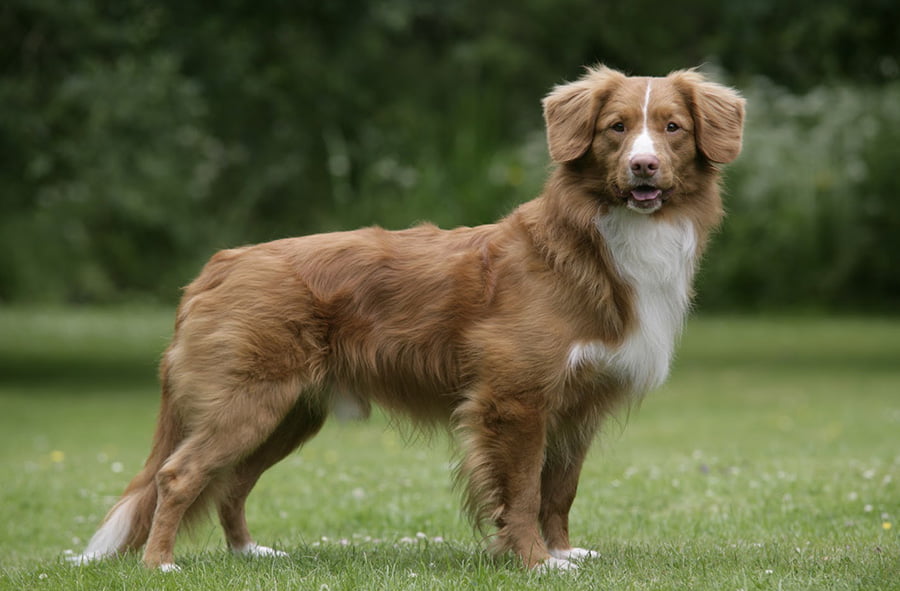
People often meet the Nova Scotia Duck Tolling Retriever in a roundabout way. You see a medium-sized red dog at the beach that can swim for ages, then switch to laser-focused ball work. Or you notice a dog that seems calm on a lead, but comes alive the moment there is water, movement, or a job to do.
It is tempting to file Tollers under “just another retriever”. In practice, they can feel a little different: quick, observant, and sometimes surprisingly vocal when they are excited. That combination can be brilliant in the right home, and a bit much in a quiet, low-activity one.
If you are thinking about living with a Toller, the useful questions are rarely about looks. They are about daily rhythm: how much exercise you can genuinely provide, how you handle a clever dog that notices everything, and what sort of training you enjoy doing together.
Quick breed snapshot
Breed group: Sporting (gundog type).1
- Origin: Nova Scotia, Canada, developed in the early 19th century for tolling and retrieving waterfowl.1, 5
- Size: Ideal height, males 48 to 51 cm, females 45 to 48 cm. Typical adult weight is proportionate, often around 20 to 23 kg for males and 17 to 20 kg for females.2
- Life expectancy: Often around 12 to 14 years, with the usual individual variation and health screening making a difference.3
- Coat: Water-repellent double coat, sheds seasonally, usually red or orange with common white markings.2, 4
- Energy: High, they do best with daily physical exercise plus training and enrichment.
Where the “tolling” comes from
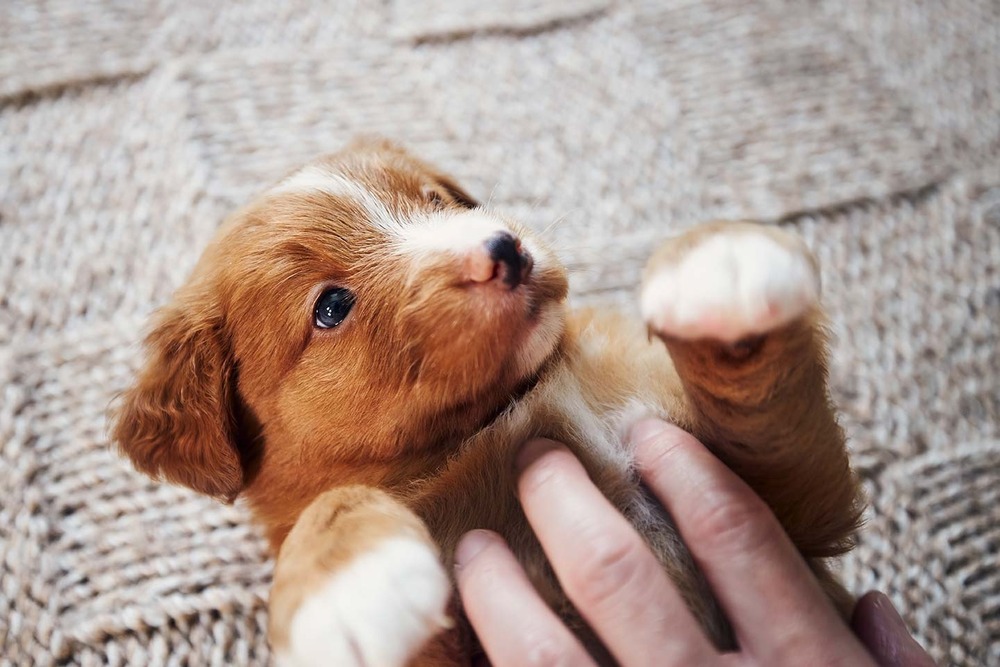
The breed name is not just colourful history. Tolling refers to a hunting technique where the dog works along the shoreline, moving in a lively, playful way that draws the attention of waterfowl. The hunter stays hidden, and once birds come closer, the dog is called back, then sent to retrieve after the shot.1, 5
This background helps explain a lot of modern Toller behaviour. Many are naturally drawn to movement games, love retrieving, and can stay engaged for long periods if the activity feels purposeful. It also hints at why they tend to do best when their day includes both exercise and a bit of structured “work”, like training drills, scent games, or sport foundations.
Appearance and breed traits you notice in real life
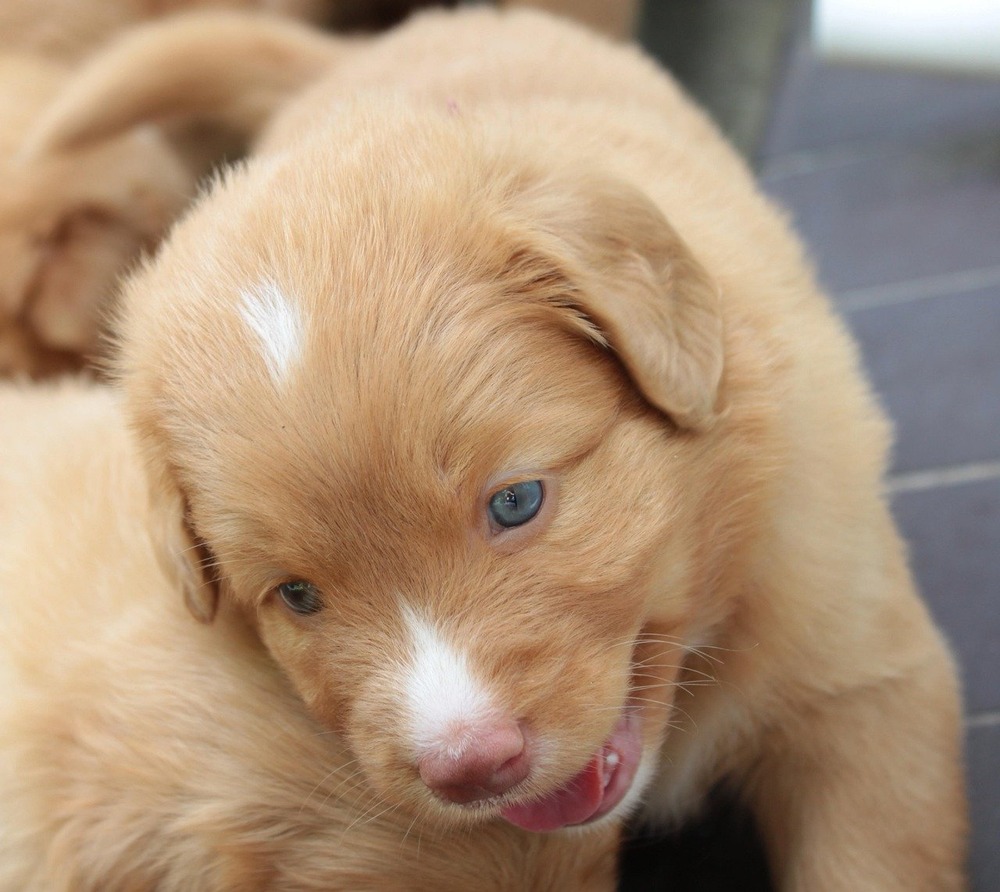
Tollers are compact, athletic, and built for cold water retrieving. Their double coat is designed to repel water, and their colouring is typically red or orange, often with at least one area of white (such as chest, feet, blaze, or tail tip). A Toller without white markings can still be within standard.2, 4
In movement they tend to look springy rather than heavy. That matters in day-to-day handling because they often enjoy quick changes of direction, short sprints, and repetitive retrieving in a way that can outpace what many people think of as “a walk around the block”.
Temperament, including the parts people misread
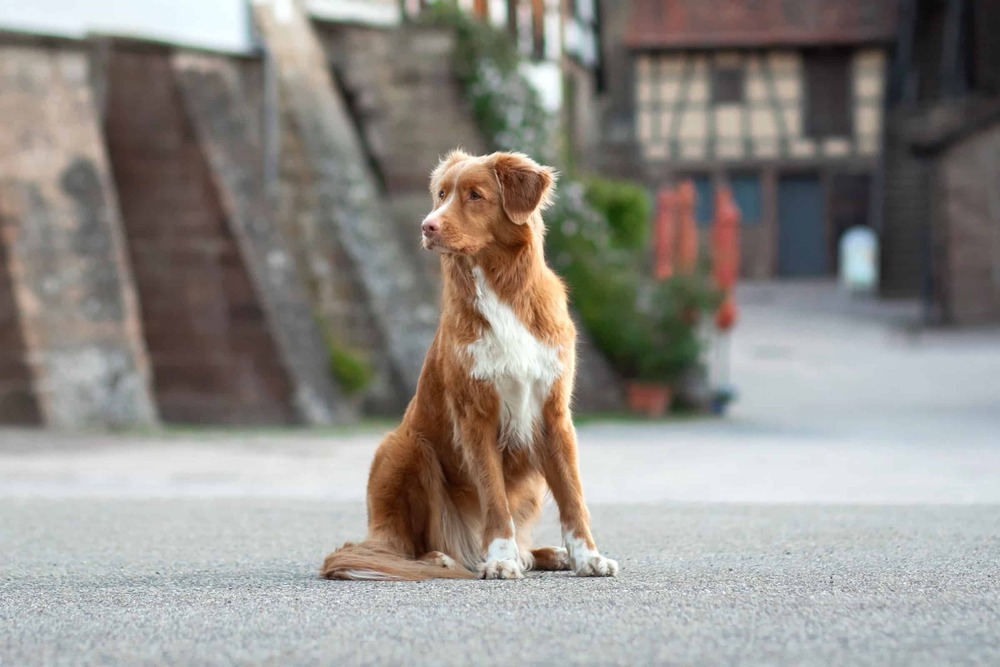
Tollers are commonly described as intelligent, alert, and friendly. In many homes, that shows up as a dog that learns patterns quickly and checks in often, especially if you have built a reward history for attention and calm behaviour.
One trait that surprises new owners is how vocal excitement can be part of the package. Some Tollers have a distinctive high-pitched “scream” or yip when anticipating play or action. It is not automatically a training failure, but it does mean you will benefit from deliberately teaching calm starts, impulse control, and quiet reinforcement, particularly if you live close to neighbours.
Like many sporting dogs, Tollers often do best when they can be near their people and involved in the day. If they are left under-stimulated, they can invent their own entertainment, and it is rarely the kind you want.
Family suitability, children, and other pets
Many Tollers live happily in family homes, including with children, when the adults set the tone. The most important piece is usually not the dog’s friendliness, it is managing arousal and teaching both dog and child how to pause. A high-energy dog can knock a small child over without meaning to, especially in tight spaces.
With other pets, early socialisation helps, but it is worth remembering their retrieving and chase instincts. If you have cats or small animals, plan on gradual introductions, supervised time together, and clear boundaries. Good management beats wishful thinking, even with a generally sociable breed.
Training and exercise, what “enough” really looks like
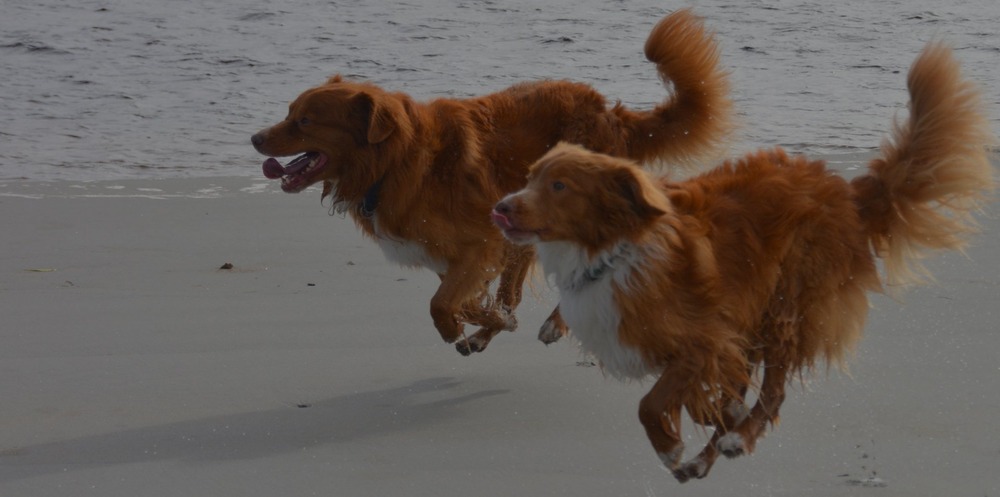
Tollers tend to respond well to reward-based training because they are often food-motivated, toy-motivated, or both. Keep sessions short, clear, and frequent. For many individuals, one long session is less effective than several small ones woven into the day.
Exercise needs are best thought of in layers:
- Movement: brisk walks, off-lead runs where legal and safe, swimming, and retrieval games.
- Skill work: obedience foundations, recall practice, leash skills, or sport basics.
- Brain work: scent games, food puzzles, scatter feeding, and simple problem-solving.
If you are choosing between “more kilometres” and “more thoughtful training”, many Tollers benefit from both, but the training and enrichment piece is often what turns a busy dog into a settled one.
Heat, cold, and living conditions
A water-repellent double coat helps in cold conditions, but it can also mean some individuals cope poorly in heat, particularly if the day includes intense running or repetitive fetch. In Australia, the bigger risk is often owners exercising a keen dog who will keep going even when they should not.
On warm days, be conservative with exercise. Choose early mornings, provide shade and water, and learn the signs of overheating. Heatstroke is a veterinary emergency, and prevention is far easier than treatment.6
Health considerations and screening to ask about
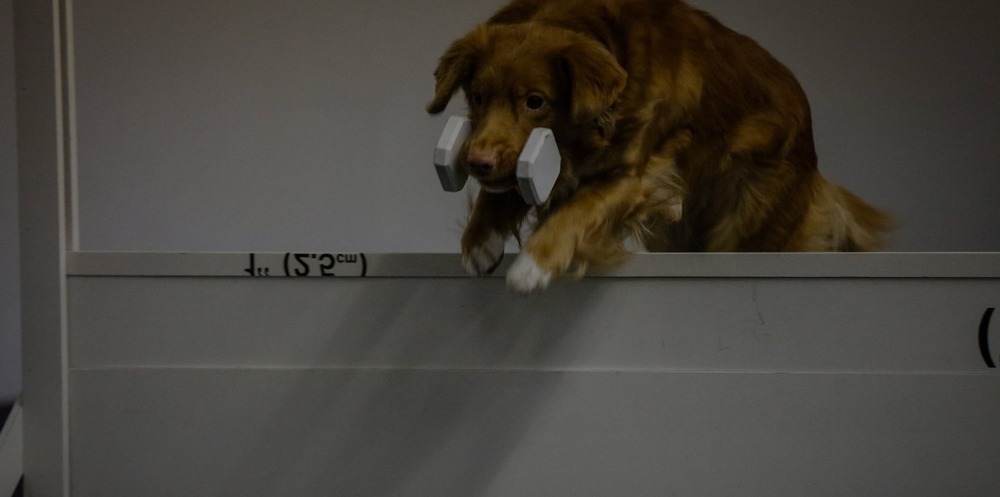
No breed is “problem free”, and the practical goal is stacking the odds in your favour through responsible breeding and routine vet care.
Breed clubs commonly recommend screening that includes hip evaluation and regular eye examinations, and many also encourage thyroid testing for dogs in breeding programs.3
When people mention progressive retinal atrophy (PRA), they are usually referring to a group of inherited retinal diseases that can lead to vision loss. There are different genetic causes across breeds, and testing options depend on the specific condition and lines involved, so it is worth discussing with your breeder and vet rather than relying on a single headline summary.7
Coat care, grooming, and the reality of shedding
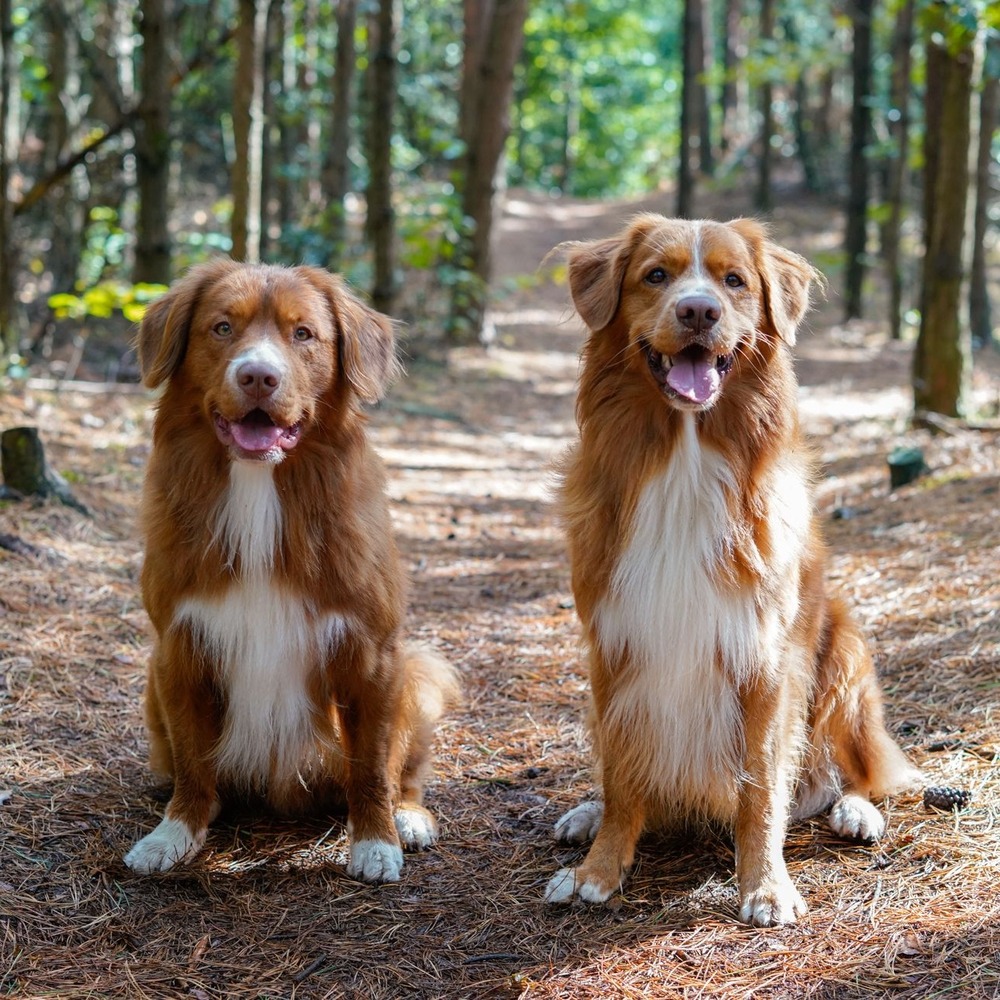
The Toller coat is designed to be practical, not precious, but it still needs routine care. Weekly brushing is a sensible baseline for most homes, with more frequent brushing when the undercoat is blowing out seasonally.
A simple rhythm works well:
- Brush through once or twice a week, focusing on feathering and areas that mat.
- Check ears and nails as part of the same routine.
- Bath only when needed, using a dog-appropriate shampoo, and rinse thoroughly to protect skin and coat.
Dental care is also part of grooming in the broader sense. Home tooth brushing, introduced gradually, can make a real difference over the dog’s lifetime, and your vet can advise what is realistic for your dog and lifestyle.8
Feeding and keeping a lean, athletic body
Tollers are active dogs, but they can still gain weight if food intake stays high while activity drops, which is common after desexing, injury, or life getting busy. Rather than fixating on a brand, focus on whether the diet supports a healthy body condition, consistent stools, and steady energy.
Veterinary nutrition guidelines encourage regular assessment of body condition score and muscle condition, and adjusting portions based on what you see over time, not what the packet suggests for a theoretical dog.9
For safety, keep known toxic foods out of reach, and ask your vet about any supplements before adding them, especially if you are trying to “support joints” or “improve coat” without a clear need.
Is a Toller the right match?
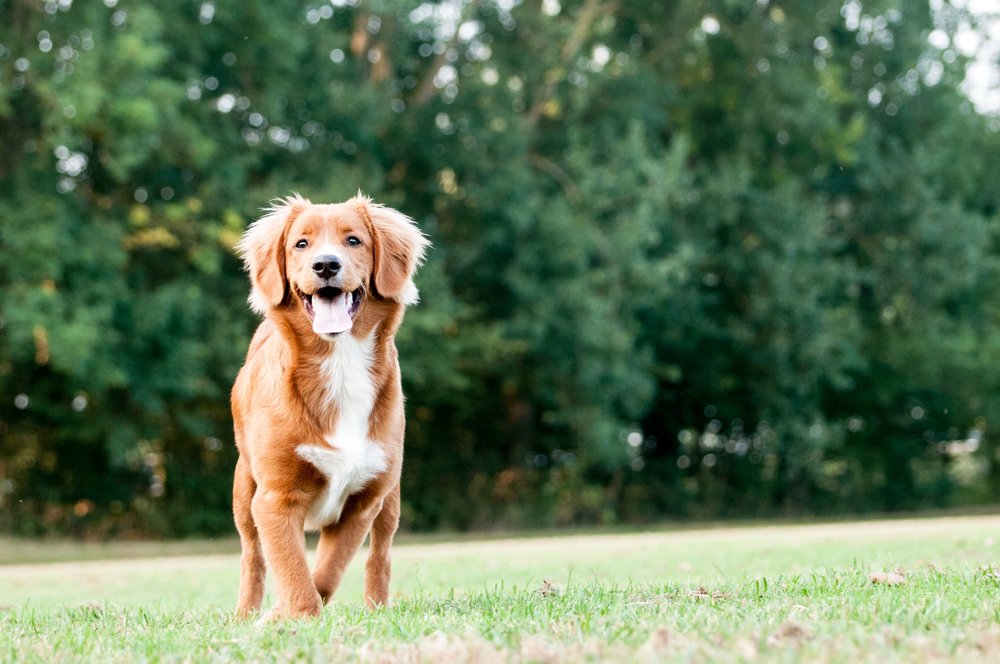
A Toller can be a wonderful companion for people who like training, enjoy being outdoors, and appreciate a dog that brings a bit of spark to the day. They tend to thrive with structure, variety, and a sense that their energy has somewhere to go.
If you want a dog who is content with minimal exercise, long hours alone, or a purely laid-back routine, this may not be the easiest choice. But if you want a bright, athletic retriever and you are willing to build calm skills alongside the fun, a Toller can fit beautifully.
References
- American Kennel Club: Addition of Nova Scotia Duck Tolling Retriever (AKC recognition date and origin summary)
- Dogs Australia (ANKC): Nova Scotia Duck Tolling Retriever breed standard (size and colour)
- Nova Scotia Duck Tolling Retriever Club of Canada: Health (screening recommendations)
- The Kennel Club (UK): Retriever (Nova Scotia Duck Tolling) breed standard (coat and colour)
- Nova Scotia Duck Tolling Retriever Club of Canada: About Tollers (tolling description and history)
- RSPCA Australia: Protect pets from heatstroke (prevention and signs)
- Merck Veterinary Manual: Progressive retinal atrophy (overview image and condition context)
- RSPCA Pet Insurance (Australia): Guide to dog dental care (home brushing guidance)
- WSAVA: Global Nutrition Guidelines (nutrition assessment and body condition scoring)