

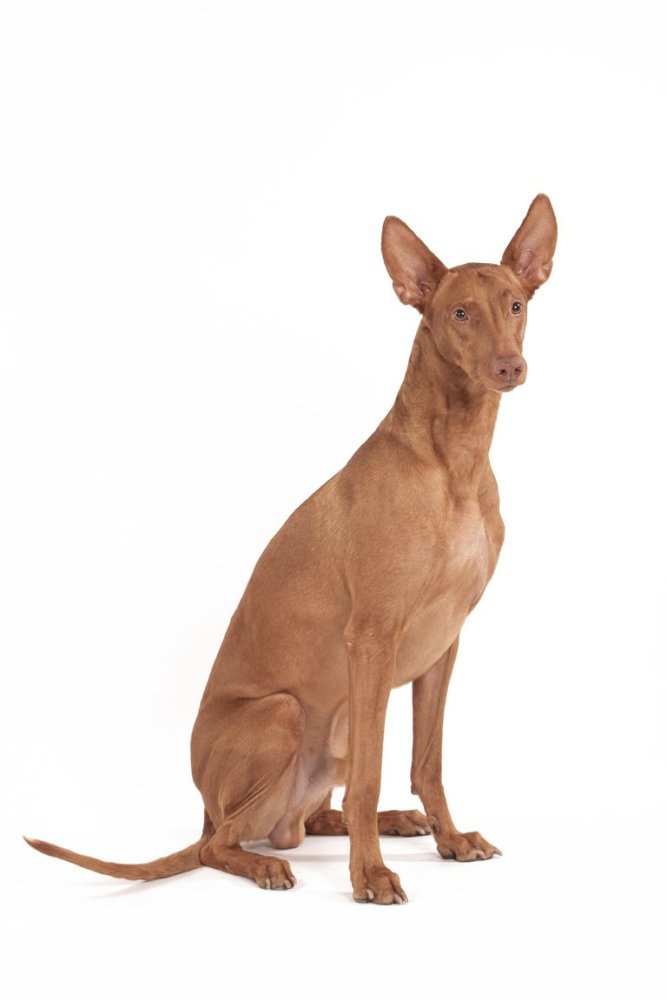
You might first notice a Pharaoh Hound the way you notice a kangaroo in someone’s backyard, it looks slightly out of place in a suburban setting. The outline is all long lines and upright ears, built for movement. People often assume that kind of dog must be highly strung, hard to live with, or “too much dog” for everyday life.
Then you meet one properly. In the home, many Pharaoh Hounds settle more readily than their athletic shape suggests, so long as their need to run is taken seriously. Outside, the same dog can switch on quickly, especially if something small darts across a path. That contrast is where most owners start asking questions.
The breed also carries a lot of romantic story with it. The Egyptian name, the “ancient” look, and the well known “blushing” all make it easy to repeat the usual myths. The practical reality is more interesting, and more useful, if you are deciding whether this hound will suit your life.
At a glance: Pharaoh Hound basics
Breed group: Hound (sighthound type).1
- Origin: Malta (also known as Kelb tal-Fenek, the “rabbit dog”).1, 2
- Height: dogs 56 to 63 cm, bitches 53 to 61 cm.3
- Typical weight: commonly 20 to 25 kg (varies by sex and build).4
- Life expectancy: often around 11 to 14 years.5
- Coat: short, glossy, low maintenance.3
- Big picture: an athletic, sensitive hound that tends to do best with daily chances to run and patient, reward based training.3, 6
Where the Pharaoh Hound really comes from
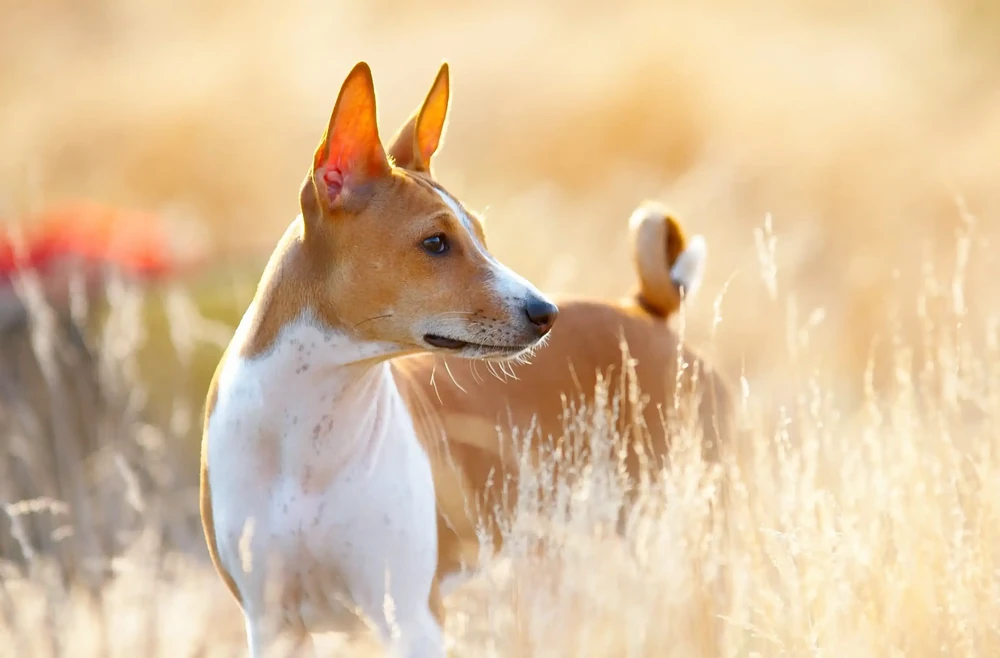
The Pharaoh Hound’s modern home is Malta, where the breed is traditionally known as Kelb tal-Fenek and used for rabbit hunting.1, 2 The Maltese connection is the part that is solid and consistent across reputable sources, even when the surrounding history gets a little dreamy.
The Egyptian association is best treated as cultural shorthand rather than proven lineage. The look of the breed certainly echoes ancient depictions of prick eared hunting dogs, which is why the name “Pharaoh Hound” stuck internationally. But claims of a direct, unbroken line to Ancient Egypt are largely conjecture, and some modern summaries point out that the hard evidence supports Malta as the clear origin story we can stand on.2, 1
What matters, day to day, is that this is a working type of hound shaped by rough terrain, quick decision making, and the need to hunt with eyes and ears as much as nose. Those traits still show up in family life, particularly outdoors.
What they look like, and the famous “blush”
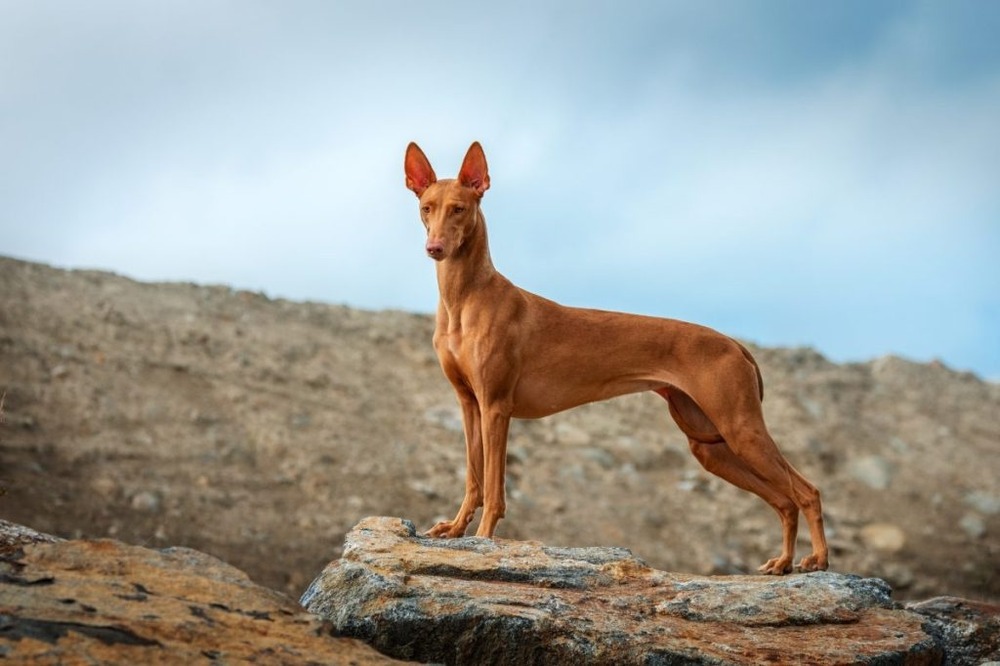
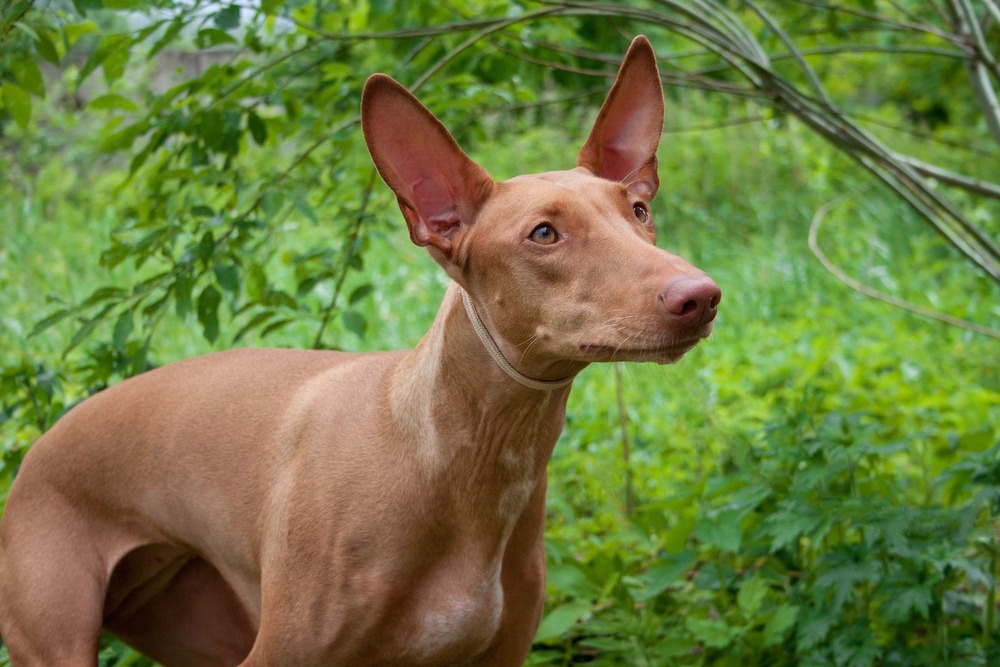
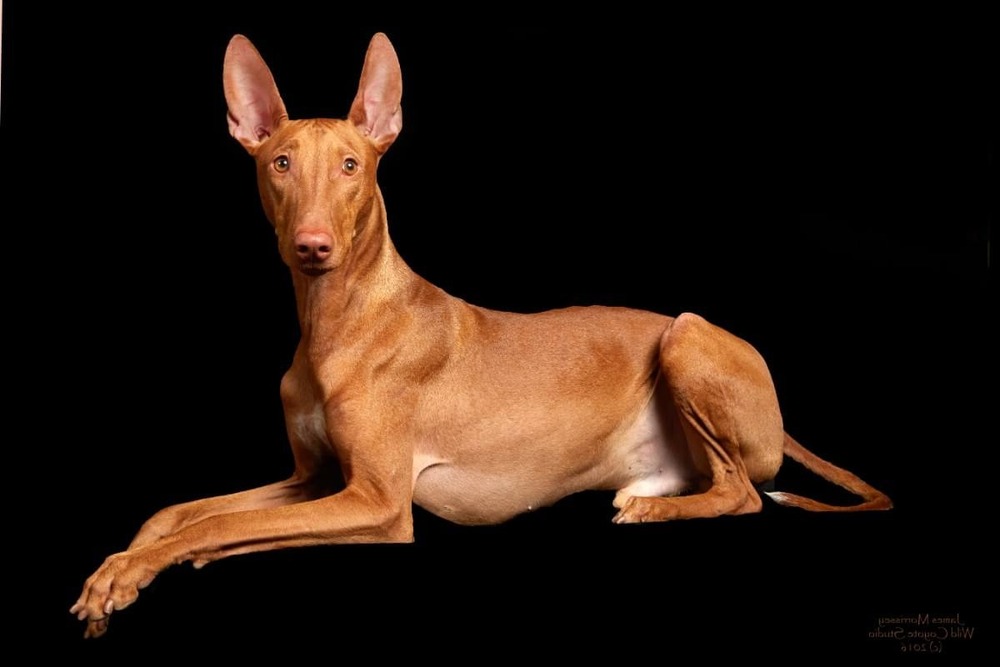
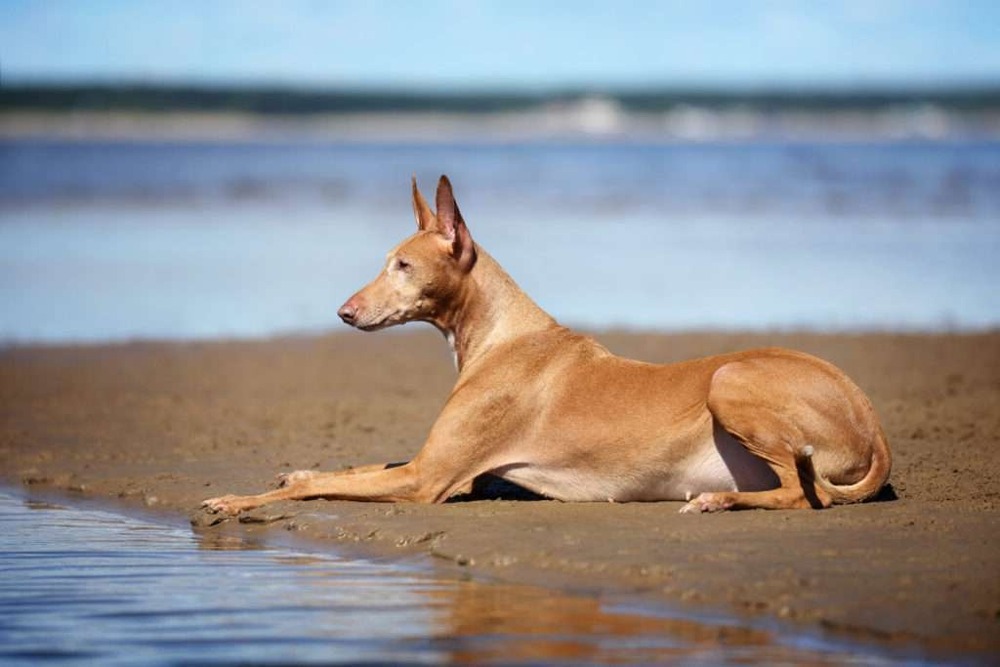
A Pharaoh Hound is clean lined, medium sized, and built for speed. The coat is short and glossy, usually tan to rich tan, with some white markings allowed under breed standards.3 Upright ears and amber eyes do a lot of the visual work, even for people who do not know dog breeds well.
The “blushing” is real, and it is not mystical. Many Pharaoh Hounds visibly redden through the ears and nose when excited, because they lack black pigment in the skin in those areas. The change can be surprisingly obvious in good light, and it is one of the breed’s most recognised quirks.7
If you are meeting the breed for the first time, it helps to remember that these features are about structure and pigmentation, not a reliable window into what the dog is “feeling”. Use body language and context rather than one charming party trick.
Temperament in real homes
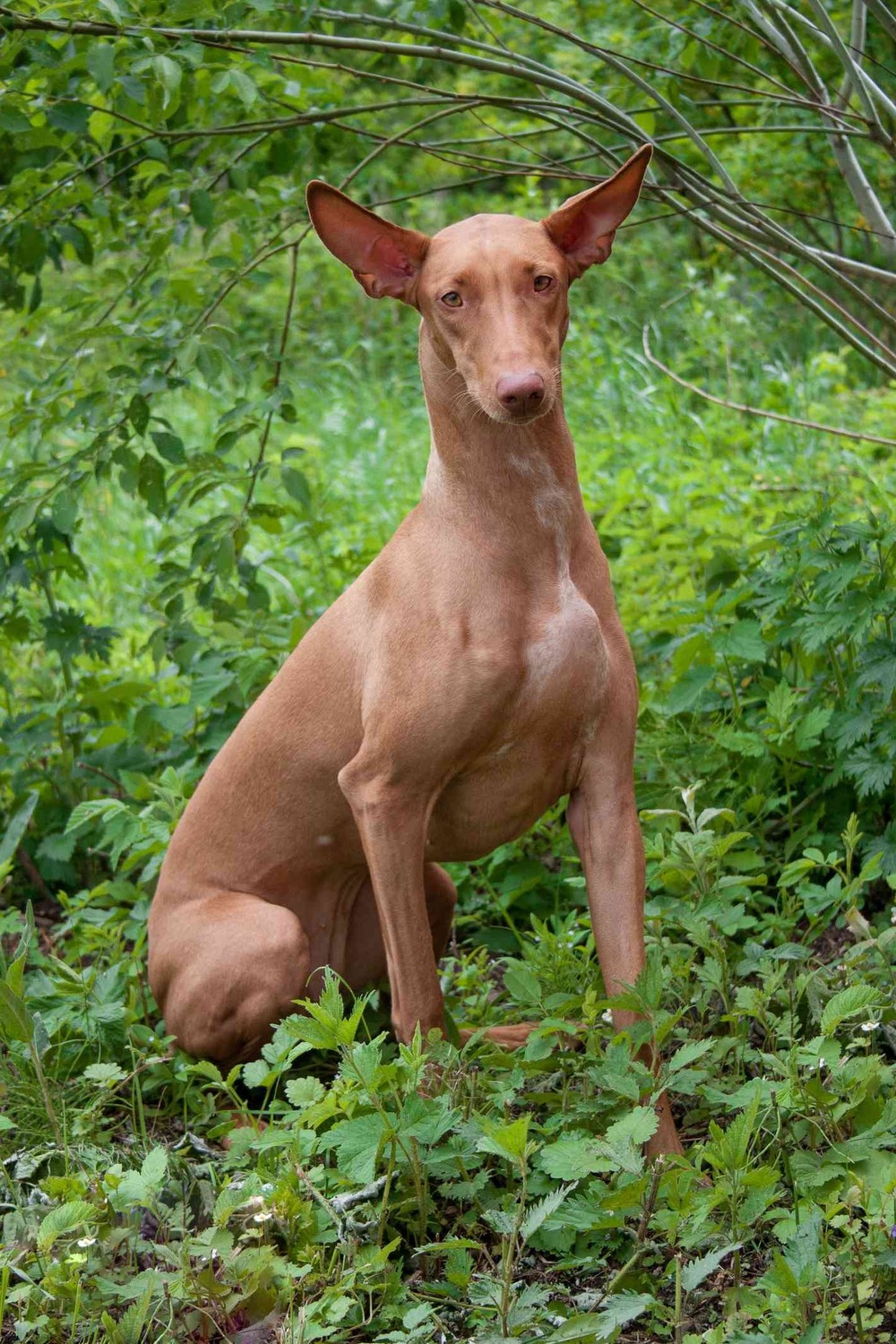
Well bred Pharaoh Hounds are often described as bright, playful, and people oriented, with a sensitivity that responds best to calm handling. They are frequently affectionate with their families, and many owners find them pleasantly quiet around the house once their exercise needs are met.6
That said, they remain hunters. A key trait to plan for is a strong prey drive. A Pharaoh Hound can spot movement at distance and react quickly, sometimes before you have registered what they have seen. This is not stubbornness in the human sense, it is a breed shaped to respond fast to small game on rocky ground.6, 7
They can be a good match for family life, including with considerate children, but they tend to do best where adults can set the rhythm: predictable routines, fair boundaries, and plenty of opportunities to move.
Living with other pets and children
With children, the main ingredients are supervision, teaching kids how to interact respectfully, and making sure the dog has somewhere to disengage. Many Pharaoh Hounds enjoy play, but like most sighthounds, they can be physically quick and a bit enthusiastic, which is not always a perfect mix with very small children.
With other pets, early socialisation helps, but genetics and habit still matter. The Pharaoh Hound Club of America notes that Pharaoh Hounds can live with cats, especially if raised together, but owners should take prey drive seriously and avoid creating chasing games in the home.7
- Best practice: manage introductions slowly, use baby gates and crates thoughtfully, and do not rely on “they seem fine” as a long term plan.
- Outdoor note: a secure fence is essential, because a hound that has locked onto a moving target may not choose self preservation over pursuit.
Training that actually works for a Pharaoh Hound
Pharaoh Hounds are intelligent, but many are not “automatic pleasers”. They can do beautifully with training, especially when it is short, upbeat, and consistent. Harsh corrections tend to backfire with sensitive dogs, and can create avoidance rather than understanding.
A practical approach is to build three things early: attention on cue, a reliable recall foundation (even if you still plan to use a long line), and comfort being handled. Focus on reward based work, and make it worth the dog’s while to choose you over the environment.6
If you like dog sports, Pharaoh Hounds often enjoy activities that suit a sighthound brain, such as lure coursing, sprint style games, and agility, so long as their body is conditioned sensibly. These outlets can make everyday manners training much easier, because the dog’s needs are being met rather than suppressed.
Exercise, off lead risks, and boredom
This breed typically needs more than a polite stroll. Most Pharaoh Hounds do best with a mix of brisk walking and opportunities to run, in a safely enclosed area. When people struggle with “naughty” behaviour, it is often a straightforward mismatch between a fast dog and a slow routine.
Because of prey drive, off lead freedom should be treated carefully. Even if your dog is well trained, it only takes one rabbit, cat, or bird skimming low across a field to test the limits of recall. A long line, secure dog park at quiet times, or purpose built enclosed oval can be a sensible compromise.
Mental work matters too. Scent games, food puzzles, and small training sessions are not fluff. They help a clever hound settle, especially on days when running time is shorter than usual.
Health, care, and what to watch for
Pharaoh Hounds are generally considered a healthy breed, with many living into the early teens.5 Like all dogs, they still benefit from thoughtful breeding, routine veterinary checks, and owners who notice small changes early.
Instead of fixating on a short list of “breed diseases”, it can be more useful to think in practical care categories:
- Lean body condition: keeping weight sensible reduces load on joints and supports long term mobility.
- Dental care: regular tooth brushing and veterinary dental checks matter, even in breeds that look “clean” and low odour.
- Cold sensitivity: the short coat and low body fat in many individuals means some will need a coat in colder weather, particularly for night walks or winter camping.
If you are choosing a puppy, ask what health screening is done in that breeding line, and request documentation. A responsible breeder will be comfortable discussing what they test for, and what they have seen in their dogs over time.
Grooming and day-to-day maintenance
This is a low fuss coat. A soft brush or grooming mitt once a week is often enough to remove loose hair and keep the coat glossy. Many owners find that grooming time is less about hair management and more about checking skin, paws, and nails.
Keep nails short, especially for active dogs that turn fast when running. Long nails can change footing, strain toes, and make slips more likely on hard surfaces. Regular ear checks are sensible too, particularly after dusty runs, as those large upright ears catch plenty of debris.
Feeding a Pharaoh Hound without overthinking it
Most Pharaoh Hounds do well on a complete and balanced commercial diet suited to their life stage, with portions adjusted to keep them lean and energetic. If you are feeding a very active adult, you may find their needs change seasonally, particularly if you are doing regular running or sport.
Two practical tips tend to help:
- Measure, then adjust: use a consistent scoop or scales, then tweak based on body condition rather than label guidelines alone.
- Use food in training: for a breed that can be independent, turning part of dinner into rewards can make daily handling and recall work much smoother.
If your dog has ongoing digestive issues or itchy skin, work with your vet before cycling through multiple diets quickly. Food trials are most useful when they are structured and slow enough to interpret properly.
Is a Pharaoh Hound right for you?
A Pharaoh Hound can be a lovely companion for someone who enjoys a dog with presence, athleticism, and a bit of thoughtful independence. They are often at their best in homes that can provide daily movement, secure fencing, and training that is steady rather than forceful.
If you are drawn to the look alone, it is worth pausing and asking whether you can genuinely accommodate a fast dog with a hunting brain. If the answer is yes, you may find the day to day life is calmer than you expected, and much more interesting than the myths suggest.
References
- Wikipedia: Pharaoh Hound
- Kelb tal-Fenek: Importance for the Rural Culture of Malta
- The Kennel Club (UK): Pharaoh Hound breed standard
- American Kennel Club: Breed weight chart (Pharaoh Hound)
- Hill’s Pet Nutrition: Pharaoh Hound breed profile
- PetMD: Pharaoh Hound breed health and care
- Pharaoh Hound Club of America: FAQ (blushing and prey drive notes)
- Pharaoh Hound Club of America: AKC Pharaoh Hound breed standard
- Daily Paws: Pharaoh Hound breed overview