

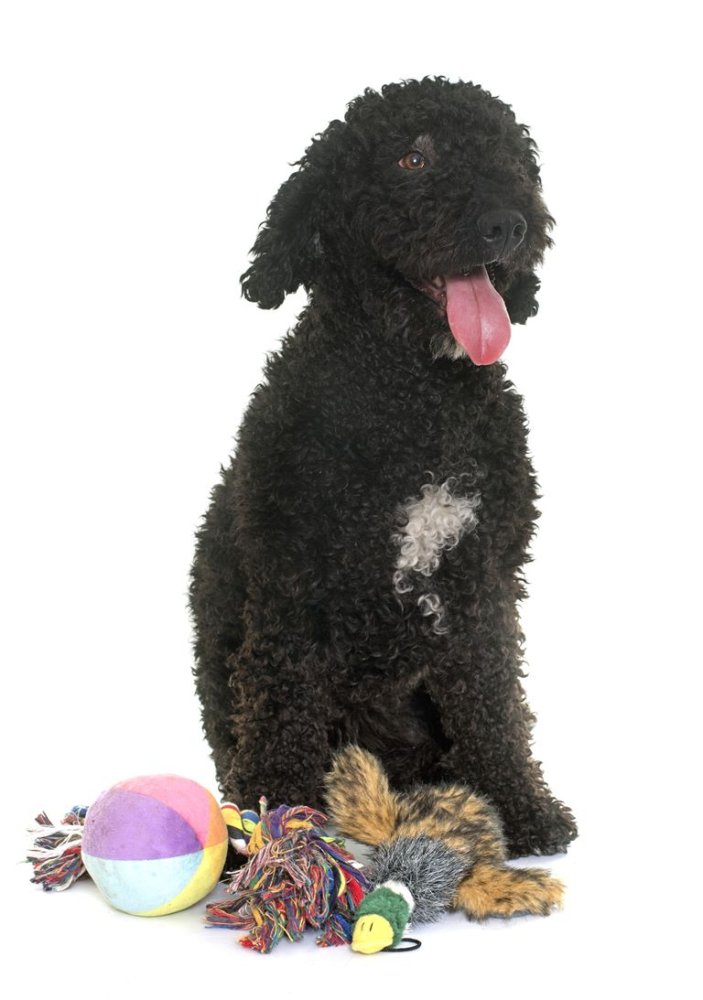
You might notice a curly coated dog at the beach who seems to have an extra gear in the water, or meet one at the park who is bright, bouncy, and almost embarrassingly quick to learn. People often call that kind of dog “high energy” and leave it there, but with Portuguese Water Dogs, the details matter. They were shaped by work, not just looks, and they still tend to organise their lives around activity and company.
It is also easy to assume that a “low shedding” coat means “low maintenance”, or that a clever dog will simply slot into family life without much guidance. In practice, Portuguese Water Dogs can be a joy, but they do best when their people enjoy training, routine, and a bit of daily outdoor time.
What follows is a grounded look at where the breed came from, what they are like to live with, and the practical care points that make the difference between a dog who is merely manageable and one who is genuinely settled.
Quick profile: Portuguese Water Dog at a glance
Breed group: Working (in some registries). Origin: Portugal, strongly associated with the Algarve and coastal fishing communities.1, 2
- Size: Medium, sturdy and athletic. Typical heights are about 43 to 57 cm at the shoulder, with weight often around 16 to 25 kg depending on sex and build.2
- Coat: Single coat, curly or wavy, usually low shedding but prone to matting without routine grooming.3
- Life expectancy: Often around 10 to 14 years, with the usual variation seen across individuals and lines.3
- Best fit: People who enjoy training, daily exercise, and close companionship, ideally with regular access to safe swimming opportunities.
Where the breed comes from, and why it still shows
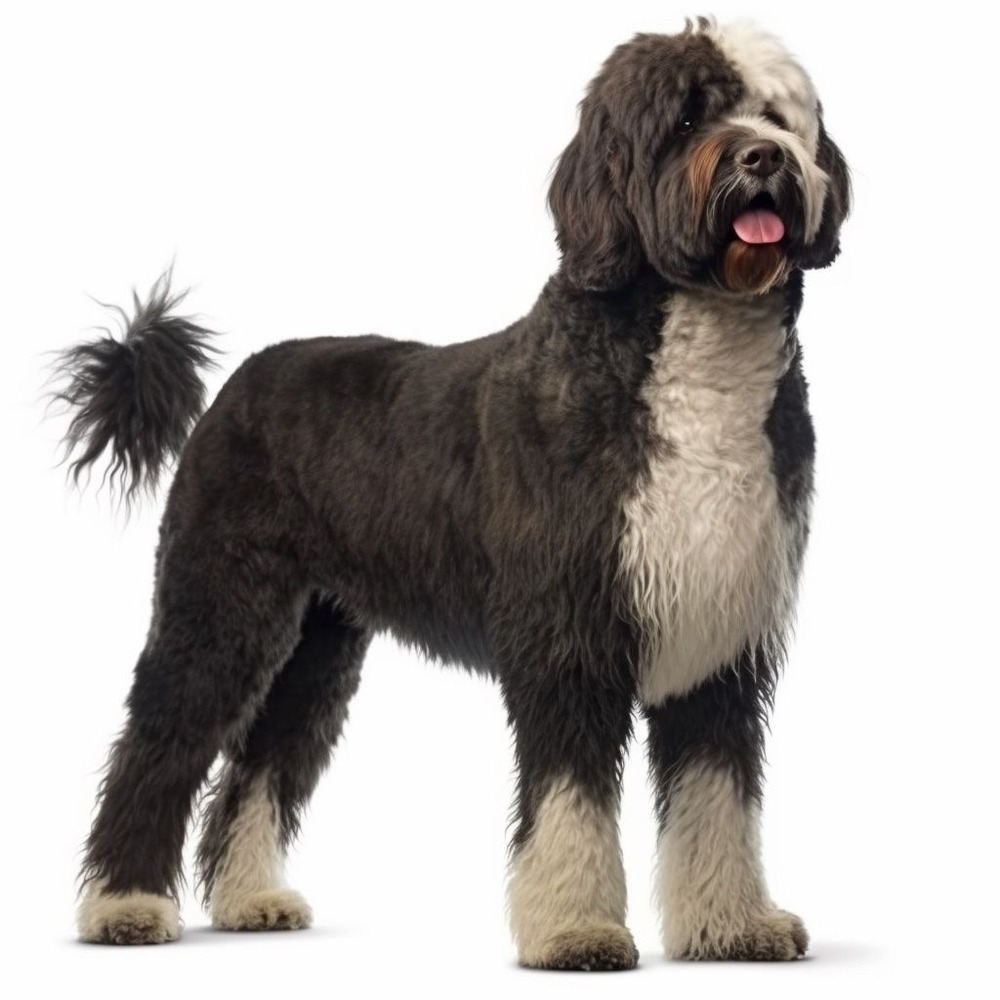
Portuguese Water Dogs are closely tied to Portugal’s coastal fishing culture, particularly in the Algarve. Historically they worked alongside fishers, helping to herd fish into nets, retrieve gear from the water, and carry messages between boats or from boat to shore.1, 2
That background is not just a charming story. A dog bred for boat work tends to be physically capable, quick to problem solve, and interested in staying connected to the person they are working with. Many owners recognise the pattern at home: the dog who likes to keep track of everyone, who thrives when given a “job”, and who can become restless if the day is mostly inactivity.
The breed’s modern survival also has a notable chapter. As fishing methods changed, numbers declined, and dedicated breed preservation efforts in the early 20th century helped stabilise the population. Those efforts are often associated with Vasco Bensaude’s breeding programme, which contributed significantly to the modern gene pool.1
Appearance and those practical water dog features

A Portuguese Water Dog is usually compact, muscular, and built for stamina rather than speed. The coat comes in two main types, curly or wavy, and is typically a single coat. Colours include black, white, brown, and various combinations.2, 3
People often mention webbed feet. What matters day to day is that many of these dogs are strong natural swimmers, and water can be both enriching and regulating for them when it is offered safely and with good recall skills in place.
If you have seen the traditional “lion clip”, it can look like fashion, but it has historical roots in working grooming practices, with parts of the coat left longer and other areas clipped shorter for function in the water.1
Temperament in real households
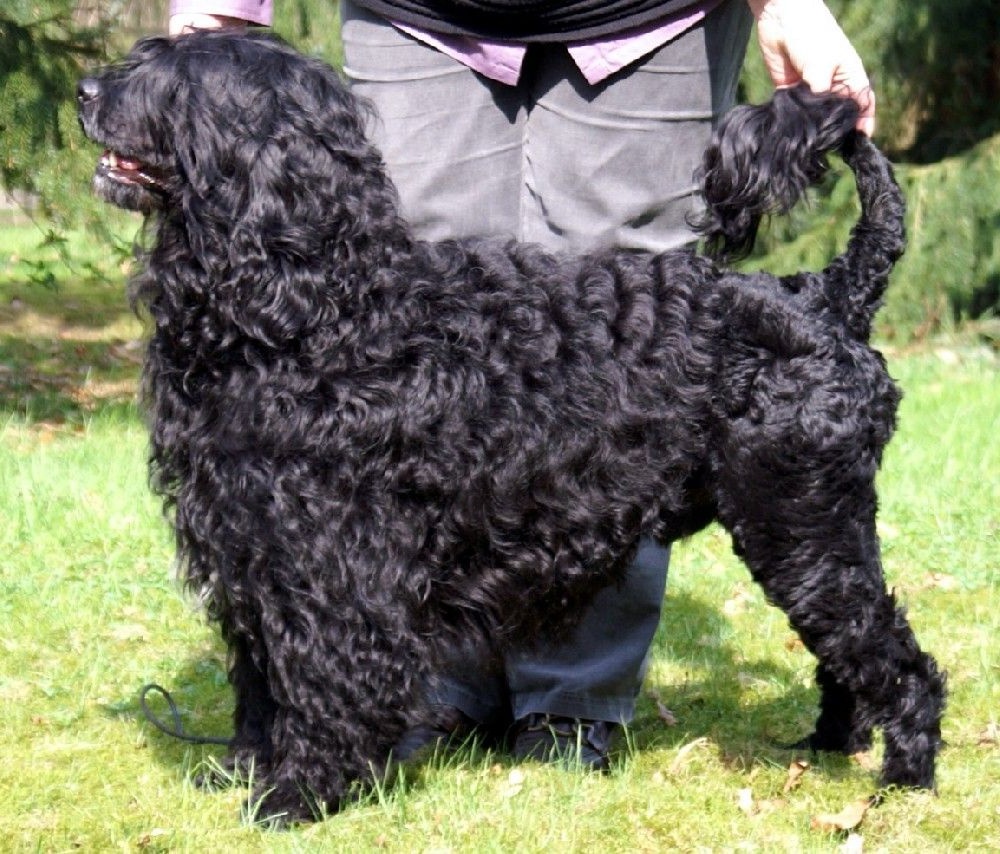
Well bred Portuguese Water Dogs are widely described as intelligent, responsive, and keen to be involved with their people.2, 3 That often translates into a dog who learns quickly, but also notices everything. They can be wonderfully trainable, yet still require thoughtful boundaries because they are good at rehearsing habits, including the inconvenient ones.
For families, the breed is often a good match when adults enjoy the work of dog ownership, not just the idea of it. A Portuguese Water Dog who gets enough exercise and training is usually a steady companion. One who does not can become noisy, mouthy, or overly persistent in seeking interaction, especially during adolescence.
With children and other pets, outcomes are strongly shaped by early socialisation, supervision, and teaching the dog how to settle. The breed’s enthusiasm can be a lot for toddlers, not out of “naughtiness”, but because an energetic dog may struggle to modulate their body without practice.
Training and exercise that actually suits the breed

Portuguese Water Dogs often do best with training that is calm, consistent, and reward based. They tend to respond well to positive reinforcement, and many enjoy learning precision skills because it gives them clear feedback and a sense of structure.3
Exercise needs are typically high, but it is not just about physical fatigue. A brisk walk and a quick backyard play might not touch the sides for a bright working breed. Consider a mix of movement and thinking, such as:
- Swimming in safe locations (with recall practice and supervision)
- Scent games and food puzzles at home
- Obedience foundations, trick training, or agility style skills
- Retrieving games with rules, not endless throwing
One practical note for apartment living: Portuguese Water Dogs can cope with smaller homes if their daily exercise and training are consistent, but they are not usually a “low input” dog. If your schedule is unpredictable, plan ahead for structured enrichment rather than hoping the dog will simply adapt.
Health considerations to discuss with your vet and breeder
No breed is free of health risk. For Portuguese Water Dogs, a few conditions are discussed more often, and it is worth approaching them with both care and perspective.
Hip dysplasia is seen across many medium and large breeds, and screening programmes exist to reduce risk through responsible breeding choices.4
Progressive retinal atrophy (PRA) is an inherited eye disease that can lead to vision loss. Breed clubs and veterinary ophthalmology programs commonly recommend appropriate eye examinations and, where available, genetic testing relevant to known variants in the breed.5, 6
GM1 gangliosidosis (storage disease) is a severe inherited disorder that can be fatal in affected puppies. The practical takeaway is that DNA testing and responsible pairing are central tools for reducing the chance of affected litters, and reputable breeders should be able to discuss test results openly.7, 8
Grooming and coat care without the fuss

The coat is often described as low shedding, but it is better thought of as “hair that stays put”. Loose hair can remain in the coat and form mats, especially behind the ears, in the armpits, and around the collar and harness points. A small amount of routine grooming prevents a lot of discomfort later.
A realistic rhythm for many households looks like:
- Brushing and combing several times a week (more often for curly coats that mat easily)
- Professional grooming every 6 to 10 weeks, or a consistent home clipping routine
- Regular ear checks, especially if the dog swims often, since moisture can linger in droopy ears
If you are choosing between a “lion clip” and a more even “retriever clip”, it is mostly a lifestyle decision. The best clip is the one you can maintain comfortably, while still keeping the dog clean, tangle free, and able to move easily.
Food, weight, and the active dog appetite
Portuguese Water Dogs typically suit a complete, balanced diet appropriate to their life stage and activity level. Many are enthusiastic eaters, so it helps to measure meals, account for training treats, and keep an eye on body condition rather than relying on the label’s serving guide alone.9
If your dog is doing a lot of swimming, agility, or long hikes, talk with your vet about whether their calorie intake and protein levels match the workload. If they are less active than expected, it is worth adjusting early, since extra weight adds strain to joints over time.
A note on popularity, and what it means for buyers

The breed gained public visibility in the 2000s, including through well known pets like Bo and Sunny in the Obama family. That attention can be a double edged sword. It often brings more interest and more puppies available, but it can also bring a wider range of breeding quality.
If you are looking for a puppy, prioritise breeders who can explain their health testing, temperament goals, and early socialisation practices. If you are adopting an adult, ask about the dog’s relationship with water, tolerance for grooming, and ability to settle at home, as these are often the make or break points for day to day harmony.
Final thoughts
Portuguese Water Dogs are at their best when their lives include movement, learning, and close contact with their people. They are often affectionate and responsive, and they can be deeply satisfying to live with if you enjoy training and can offer consistent outlets for their energy.
Their needs are not extreme so much as specific: regular grooming, daily exercise, and the kind of companionship that treats the dog as part of the household rhythm, not a side project. For the right home, that is a very workable, very rewarding arrangement.
References
- Wikipedia: Portuguese Water Dog
- Clube Português de Canicultura: Portuguese Water Dog breed standard summary
- American Kennel Club: Portuguese Water Dog
- Orthopedic Foundation for Animals: Hip Dysplasia
- Orthopedic Foundation for Animals: Eye Disease Registry information
- American Veterinary Medical Association: Progressive retinal atrophy (PRA) in dogs
- Portuguese Water Dog Foundation: GM1 (storage disease)
- Portuguese Water Dog Club (UK): GM1 gangliosidosis overview
- WSAVA: Global Nutrition Guidelines