

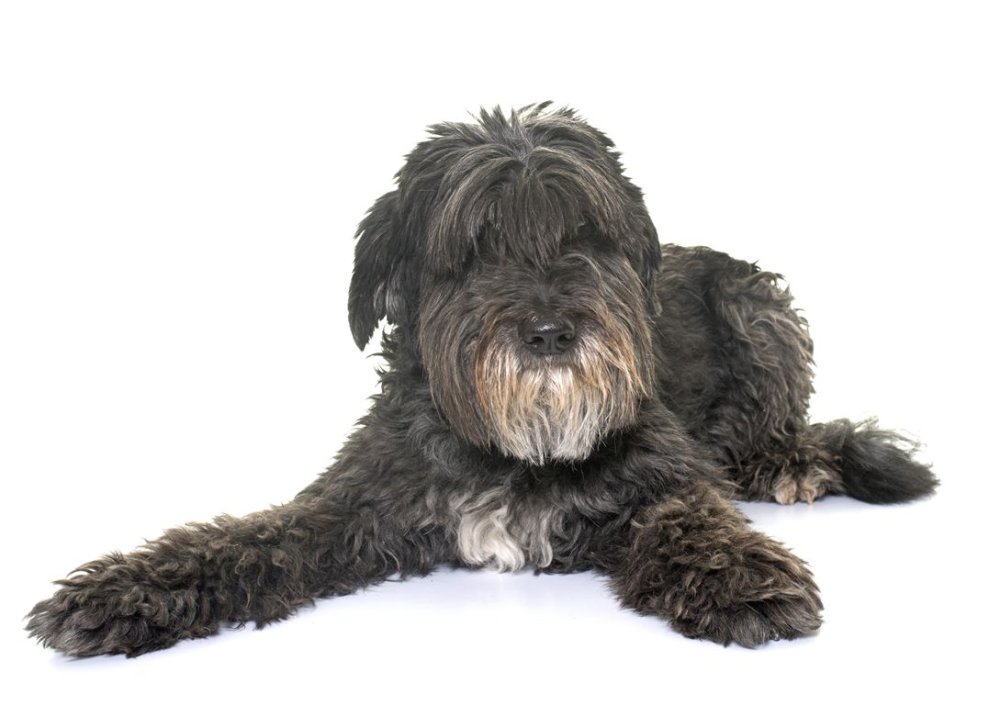
- Breed category: Herding
- Country of origin: France (Pyrenees region)
- Average height: Males 40 to 48 cm, females 38 to 46 cm
- Average weight: Males 9 to 14 kg, females 8 to 13 kg
- Average life span: 12 to 15 years
- Grooming requirements: Moderate, regular brushing
- Exercise requirements: High, daily physical and mental work
- Coat type: Rough-faced or smooth-faced varieties
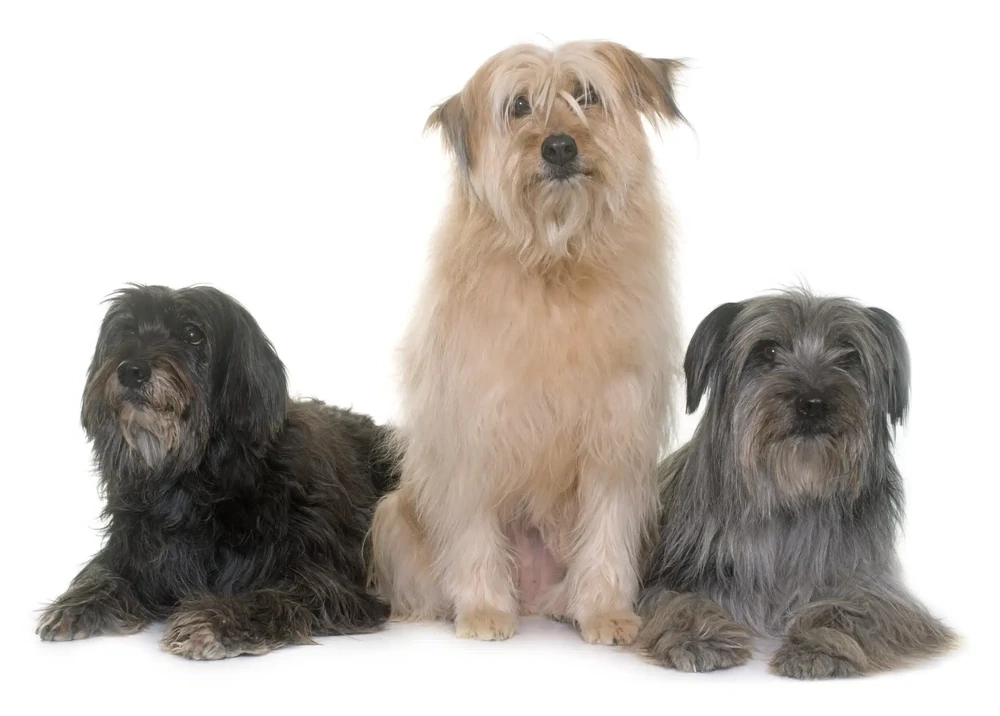
- Coat colours: Commonly fawn, grey, brindle, and merle (varies by lines)
- Shedding level: Moderate
- Ear type: Semi-erect or dropped
- Tail type: Long, feathered
- Temperament: Energetic, intelligent, loyal
- Barking tendency: Often moderate, can increase with under-stimulation
- Generally with children: Often good with calm handling and supervision
- Generally with other pets: Often manageable with early introductions
- Training style: Learns quickly, responds best to reward-based work
- Common health considerations: Hip dysplasia, eye disease (screening matters)
- Weather tolerance: Often copes better with cold than heat
- Overall maintenance: Moderate (high time commitment for exercise and training)
- Original purpose: Herding and farm work
- AKC recognition: Eligible for full AKC registration and competition from 1 January 2009
- Apartment friendly: Often challenging unless exercise and enrichment are excellent
- Best suited for: Active homes, people who enjoy training and dog sports
People often start looking up the Pyrenean Shepherd after noticing a certain kind of dog in the park or on an agility livestream: small, quick, intensely attentive, and seemingly glued to their handler. It can look like effortless “understanding”, but what you are usually seeing is a working breed doing what it was shaped to do, watch closely, respond fast, and stay busy.
It is also a breed that can surprise new owners. A Pyrenean Shepherd is not simply a smaller alternative to other herding dogs, or a “smart dog” that will entertain itself. Without enough structured activity, they can become noisy, restless, or overly vigilant, not because they are difficult by nature, but because their everyday life does not match their design.
With the right fit, though, they are deeply engaging companions: athletic, trainable, and often happiest when they have a job that makes sense to them.
Where the Pyrenean Shepherd comes from
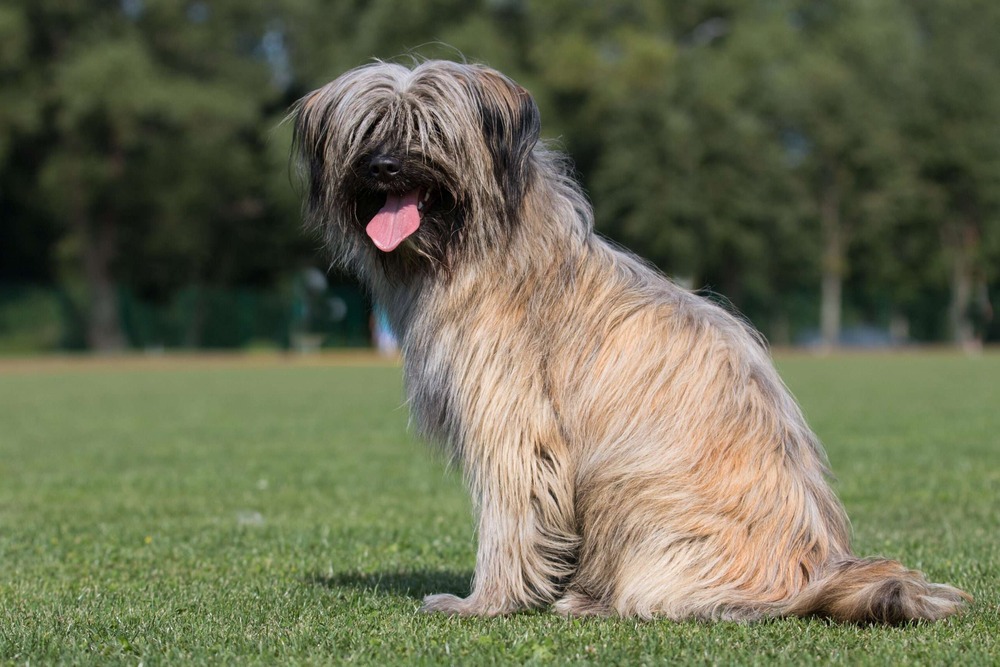
The Pyrenean Shepherd (Berger des Pyrénées) developed in the Pyrenees region of southern France as a practical, efficient herding dog. Their role was to move and manage livestock across steep ground and changeable weather, which helps explain the breed’s light frame, sharp responsiveness, and stamina.
In modern breed descriptions you will often see two coat varieties noted: rough-faced and smooth-faced. Both are considered Pyrenean Shepherds, and the difference is mostly coat and head furnishings rather than temperament. In either case, this is a breed built for function rather than heaviness or showy size.1
A note on war service and “famous” history
You may also come across references to Pyrenean Shepherds being used by French troops during World War I, including courier work and search tasks. Accounts vary in detail, but it is widely repeated in reputable breed histories that the breed’s abilities were noticed outside its home region through this kind of service.1
Temperament, behaviour, and what life with one is like
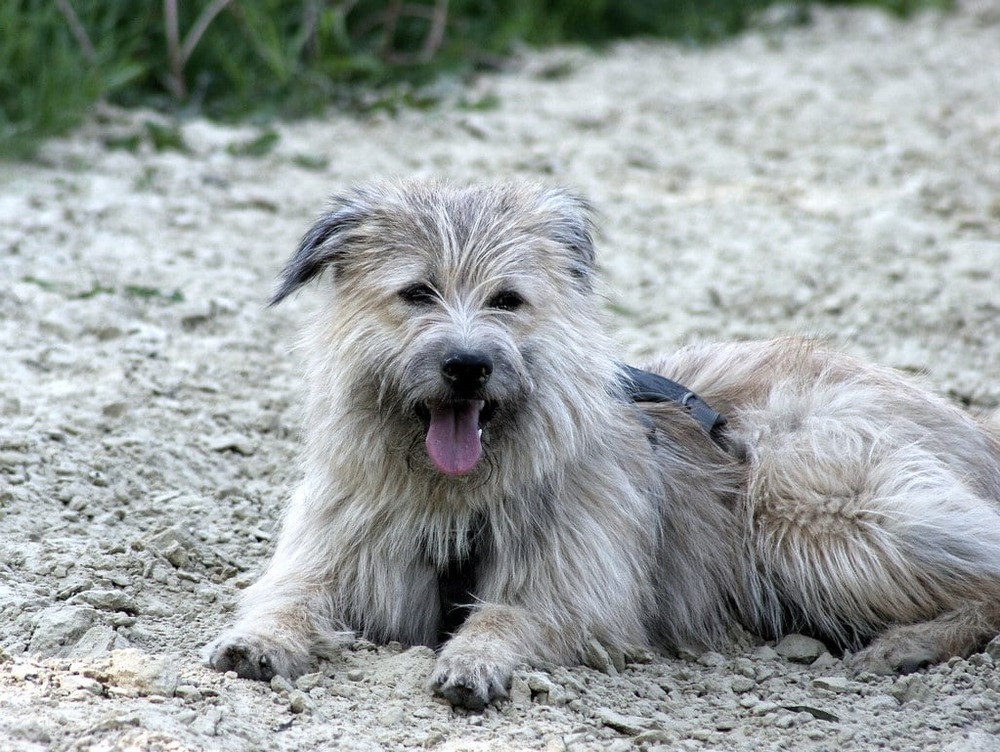
A well-managed Pyrenean Shepherd is typically bright, quick to learn, and keen to engage. Many people describe them as “switched on” dogs, the kind that notices patterns, anticipates routines, and watches your body language closely. That can feel like mind-reading, but it is really fast observational learning, plus a long history of working in partnership with people.
They can also be reserved with strangers. That does not automatically mean fear or aggression, but it does mean socialisation and calm exposure matter. A dog who has learned that visitors are predictable and safe is more likely to settle than one who has been left to make sense of it alone.
As with many herding breeds, you might see chasing, circling, and intense watchfulness around movement. It is usually more helpful to think of these as breed-typical working behaviours that need guidance, rather than “naughtiness”.
Family suitability, kids, and other pets
Pyrenean Shepherds can live well in families, including with children, but the match depends on the household rhythm. They often do best with kids who can be coached to interact calmly and respectfully, and with adults who will supervise and manage excitement levels, especially during the adolescent phase.
If you have other animals, early and thoughtful introductions help. Many Pyrenean Shepherds can coexist happily with other dogs and even cats, but a fast-moving pet can trigger chasing if the dog has not been taught alternative behaviours. The goal is not to suppress instinct, it is to build habits that work in your home.
- Supervise play with children, particularly with visiting friends and high-energy games.
- Reward calm behaviours around running, bikes, and backyard play.
- Provide separate rest spaces so the dog can switch off when the house is busy.
If you are choosing a breed and trying to picture day-to-day life, it can help to think in terms of time and energy, not just size. Herding types are often trainable and engaging, but they generally need more stimulation than many people expect.2
Training and socialisation that actually helps
Because Pyrenean Shepherds learn quickly, it is tempting to focus on tricks and formal obedience. That can be great, but the foundations that tend to matter most are quieter: recall, mat training, polite greetings, and the ability to disengage from stimulation.
For most dogs, reward-based training (food, play, access to what they want, plus clear timing) builds better reliability than punishment-based methods, and it is easier to maintain in real homes. It also tends to protect the human-dog relationship, which is especially important with sensitive, observant breeds.3
Socialisation is not just meeting lots of people. It is repeated, positive exposure at a pace the dog can cope with: different surfaces, noises, handling, calm dogs, and ordinary daily events. The outcome you are aiming for is confidence and neutrality, not constant friendliness.
Exercise and enrichment for a high-drive herding dog
Pyrenean Shepherds are typically high-energy, and many need both physical activity and mental work to settle well at home. A long walk helps, but for a lot of individuals it is not enough on its own. The most content dogs often have a mix of movement, training, and problem-solving spread through the week.
Practical options that suit many Pyrenean Shepherds include:
- structured walks with sniffing time and some loose-lead practice
- recall games and tug with clear start and stop cues
- agility foundations, rally, or herding-style games where appropriate
- food puzzles and scatter feeding in the yard
It is also worth remembering that “more” is not always better. Over-exercising young dogs, or building constant high arousal into daily life, can create fitness without calm. Age-appropriate exercise and rest are part of good welfare, particularly for puppies and adolescents.4
Health considerations and lifespan
Pyrenean Shepherds are often described as a generally healthy, long-lived breed, commonly living around 12 to 15 years. Like any breed, though, they are not risk-free. Reports commonly mention hip dysplasia and several eye conditions, and some sources also note epilepsy, luxating patella, and certain congenital heart issues occurring in the breed.5
The most useful approach is not to worry about every possible diagnosis, but to focus on what you can control: choosing breeders (or rescue organisations) who take health screening seriously, keeping your dog lean, and noticing changes early.
Why screening matters
For conditions such as hip dysplasia, responsible breeding often involves formal assessment schemes and transparent record-keeping. In the US, one widely used system is the Orthopedic Foundation for Animals (OFA), which exists to reduce the incidence of genetic disease by collecting and sharing health data.6
If you are buying a puppy, ask what testing has been done in that line, and request evidence rather than taking a general reassurance. A good breeder will be comfortable talking through results, limitations, and what they are doing to improve health over time.
Grooming, coat care, and practical maintenance
Grooming needs are usually moderate. Rough-faced dogs typically need more frequent brushing to prevent tangles and to remove debris, while smooth-faced dogs are often easier to keep tidy. Either way, routine coat checks help you spot grass seeds, skin irritation, and parasites early, especially if your dog is out in long grass or bushland.
Good maintenance is mostly about consistency rather than perfection:
- Brush regularly, more often during seasonal coat changes.
- Keep nails short enough that they do not click heavily on hard floors.
- Check ears and eyes as part of your weekly routine.
Basic grooming and coat care are also a chance to practise calm handling. Done gently, it becomes part of socialisation, not a wrestling match.3
Feeding and keeping them in good condition
There is no single perfect diet for every Pyrenean Shepherd, but the principles are steady: complete and balanced nutrition, portions matched to activity, and keeping the dog in lean body condition. For an active herding dog, it is easy to overestimate how much food they need, especially if treats are doing a lot of work in training.
If you are unsure, a practical starting point is to ask your vet how to assess body condition score, then adjust gradually. The goal is a dog who is energetic and muscled, not heavy, and not constantly hungry or scavenging.
Is a Pyrenean Shepherd the right fit?
People often fall for the breed because they look small and agile, and because they seem intensely connected to their person. Those things can be true, but they come with responsibility. A Pyrenean Shepherd usually needs time, training, and a lifestyle that includes purposeful activity.
If you want a dog who will happily join you for outdoor adventures, learn quickly, and stay engaged with you, this breed can be a wonderful match. If you need a dog who is naturally low-key, or who will be satisfied with minimal daily input, it may be kinder to consider a different type.
When in doubt, spend time with adult dogs of the breed, not just puppies. You will learn more in an hour watching an adult Pyrenean Shepherd move and settle than you will from any checklist.
References
- AKC Welcomes Irish Red and White Setter, Pyrenean Shepherd and Norwegian Buhund (American Kennel Club)
- 8 considerations when choosing a dog (RSPCA Pet Insurance Australia)
- Essential dog care information, including reward-based training and grooming (RSPCA Pet Insurance Australia)
- How to safely exercise your dog or puppy (RSPCA Pet Insurance Australia)
- Pyrenean Shepherds: What to know, including health problems (WebMD)
- About the Orthopedic Foundation for Animals (OFA)
- Orthopedic Foundation for Animals’ database and hip scoring overview (Cornell University College of Veterinary Medicine)
- Pyrenean Shepherd versatility in dog sports (American Kennel Club)