

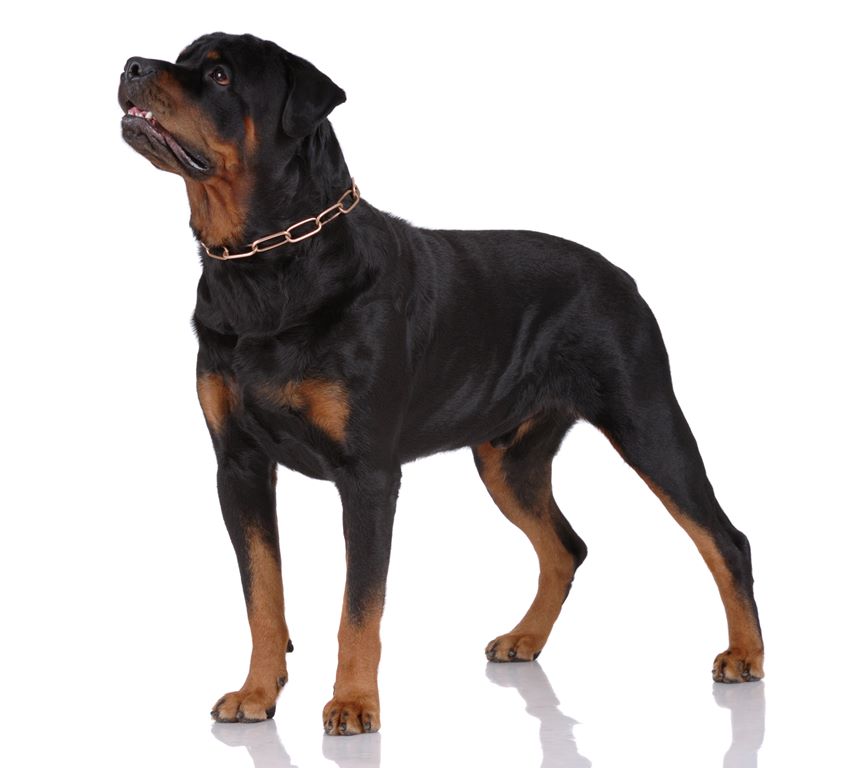
You do not always plan on learning about Rottweilers. Often it starts with something small: a neighbour’s dog that looks powerful but behaves calmly, a puppy photo that does not match the “tough dog” reputation, or a moment of uncertainty about what a big, watchful breed actually needs day to day.
Rottweilers can look imposing, and that can lead to quick assumptions about temperament or “dominance”. In practice, what shapes a Rottweiler is less about bravado and more about structure, training, and routine. When those pieces are in place, you tend to see a steady, capable dog that knows how to settle.
It matters because Rottweilers are not a casual, fit-anywhere breed. They can be brilliant companions, but they do best when their people understand what they were bred for, what they find challenging, and what helps them feel safe and manageable in modern life.
Rottweiler snapshot: size, coat, and daily needs
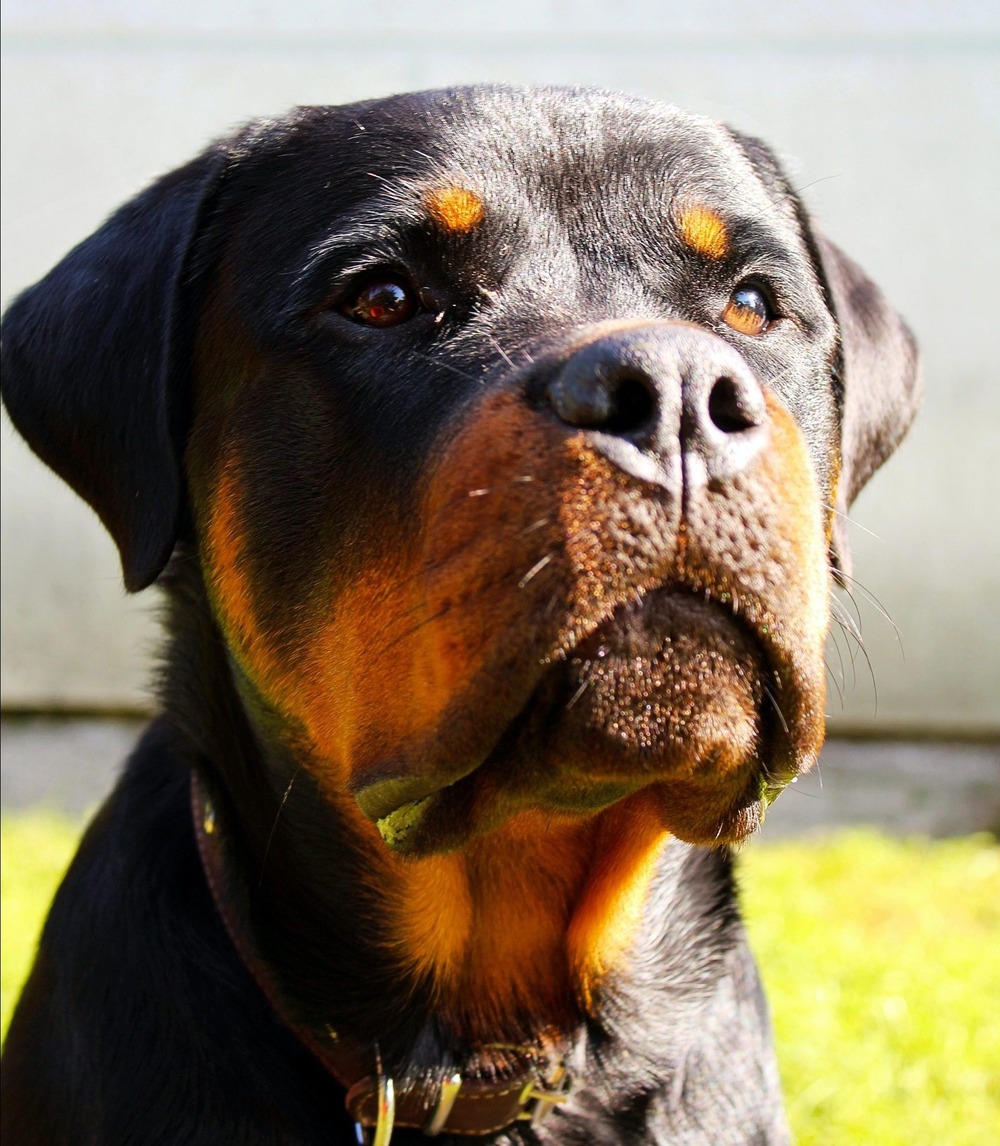
Rottweilers are a robust working breed, originally developed in Germany and still valued for their strength, endurance, and trainability.1
- Group: Working or utility type (varies by kennel club)1, 2
- Height: often around 56 to 69 cm at the withers, depending on sex and standard1, 2
- Weight: commonly in the 35 to 60 kg range, with variation by sex, build, and line1
- Coat: short, dense, black with distinct tan or rust markings2
- Exercise and enrichment: daily physical activity plus mental work is important for a settled adult dog
If you have met a Rottweiler who seems “easy”, it is usually because their needs are being met quietly and consistently, not because the breed is low effort.
History and origin: why the breed is built the way it is
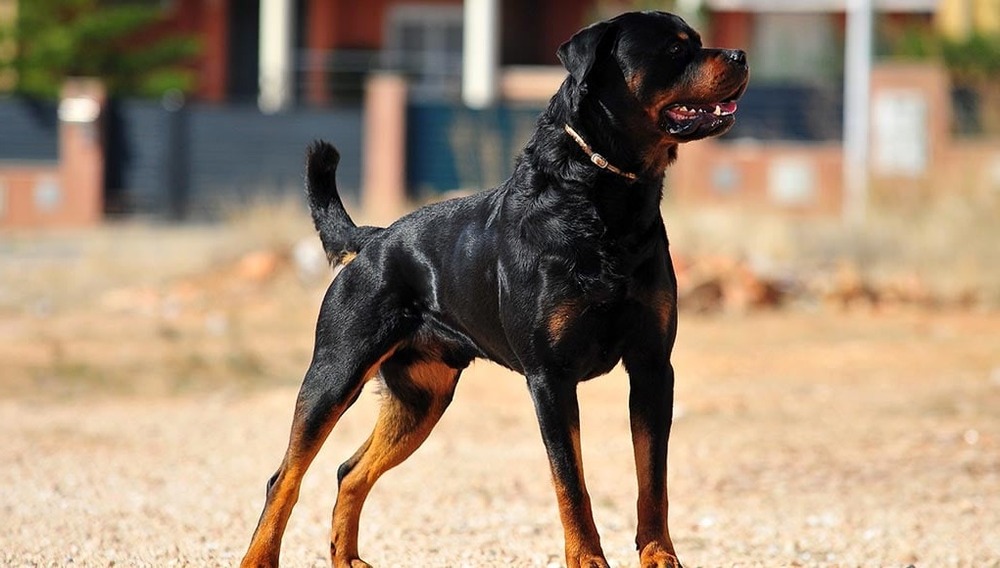
Breed histories can feel like trivia until you live with the dog in front of you. With Rottweilers, the past shows up in the body and the behaviour. They were shaped as driving and guarding dogs, expected to move stock, stay close, and respond to their handler in busy environments.1
The commonly repeated link to Roman drover dogs sits in many breed summaries. What is more useful for owners is the practical outcome: generations of selection for strength, steadiness, and responsiveness. Those traits can be a gift in a family home, but only when they are directed into training, boundaries, and purposeful daily activity.
As transport changed and cattle driving reduced, Rottweilers were tested and adopted for service work, including policing roles in the early 1900s, which reinforced the focus on trainability and nerve.1
Physical characteristics: more than “big and blocky”
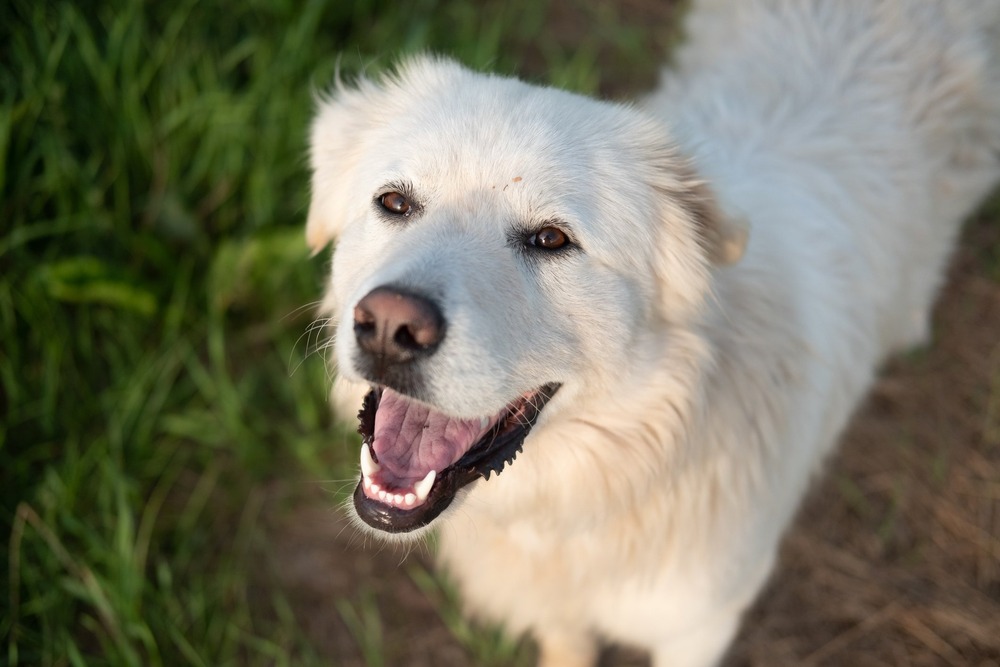
A Rottweiler’s shape is functional. The broad chest, solid bone, and powerful hindquarters support a ground-covering trot and the ability to work for long periods. Well-bred individuals look compact and athletic rather than loose or cumbersome.2
Coat care is usually straightforward, but the dog underneath that coat is substantial. That matters for lead skills, greetings at doors, and the simple reality of managing a large dog safely around visitors, kids, and other dogs.
One small but important modern detail: in Australia, routine cosmetic tail docking has been banned for many years. If you see a docked adult, it may have been done overseas, or it may be a veterinary amputation for medical reasons.3
Temperament and behaviour: what people notice, and what it often means
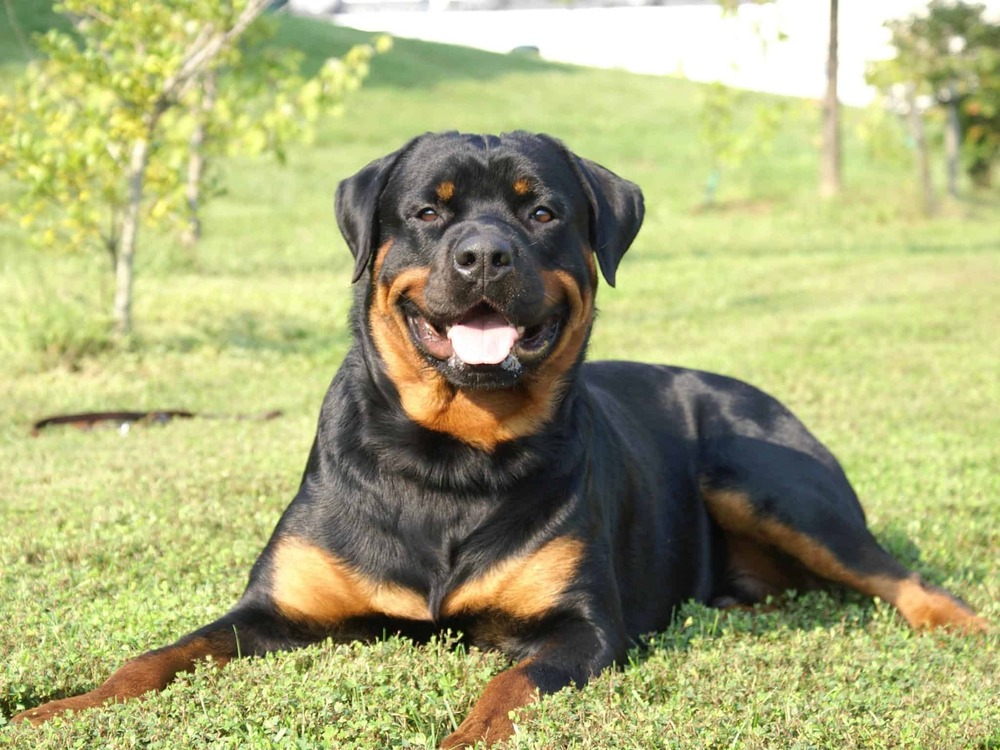
Rottweilers are often described as loyal and protective. In real life, that can look like watchfulness, body-blocking at gates, or a tendency to take time before accepting strangers. None of that automatically equals “aggressive”, but it does mean you are living with a dog who notices things and may respond if you have not taught them what to do instead.
With good socialisation and training, many Rottweilers are calm in the house and composed in public. Without that foundation, the same dog can become pushy on lead, over-alert at windows, or reactive when approached too closely.
If you want a helpful way to think about it, aim for confidence through predictability: clear household rules, consistent reinforcement, and planned exposure to everyday life, without forcing the dog into interactions they are not ready for.
Children and other pets
Rottweilers can live well with children and other animals, but supervision is not optional. Size alone changes the risk picture, even when the dog is friendly. With kids, focus on teaching both sides: the dog learns calm greetings and a solid “go to mat”, and children learn how to give space, avoid rough play, and recognise when a dog needs a break.
With other pets, early introductions and ongoing management matter. Some Rottweilers are social with other dogs, some are selective, and some do best with structured, neutral interactions rather than free-for-all play.
Training and exercise: building a steady adult dog
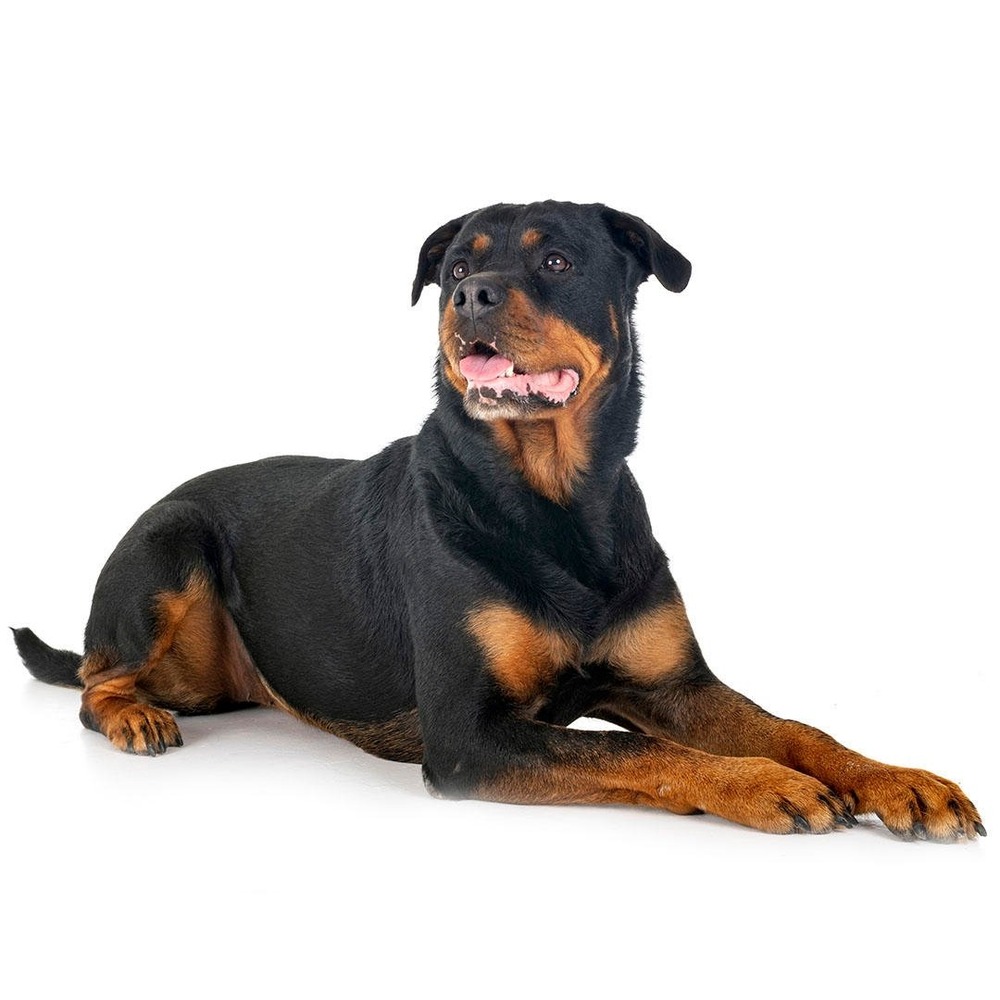
Rottweilers tend to learn quickly, which is wonderful, and slightly unforgiving. They will practise what works, whether that is pulling to greet someone or lying quietly on their bed. Your job is to make the behaviours you want easy to repeat.
In Australia, the RSPCA promotes reward-based training. This approach builds reliable behaviour without relying on intimidation, pain, or “dominance” rituals.4 Veterinary behaviour organisations also warn that aversive methods carry welfare risks and can damage the dog-human relationship.5
Early socialisation, done thoughtfully
Socialisation is not about flooding a puppy with attention. It is about creating calm, controlled experiences: different surfaces, sounds, people at a distance, friendly dogs you trust, and short visits to places where the puppy can observe, then disengage and relax.
Exercise that actually helps
Most adult Rottweilers need daily movement, but they also need their brains occupied. A long walk with constant pulling does not always reduce arousal. For many dogs, a better mix is:
- Loose-lead walking practice in short blocks
- Sniffing time on a long line in safe areas
- Food puzzles, scent games, and simple obedience drills
- Appropriate strength and conditioning, guided by your vet if needed
Health and lifespan: what to watch for with a large working breed
Rottweilers are often quoted as living around 8 to 10 years, although individuals vary. What makes the biggest day-to-day difference is weight management and early screening, especially for joints and heart health.
Common concerns
Like many large breeds, Rottweilers can be affected by hip and elbow dysplasia. These conditions may not be obvious in a young dog, which is why reputable breeders screen breeding stock and good owners pay attention to early stiffness, reluctance to jump, or changes in gait.6
Large, deep-chested dogs can also be at risk of gastric dilatation-volvulus (bloat). It is not something to panic about, but it is worth knowing the signs, such as unproductive retching, abdominal distension, restlessness, and rapid deterioration, since it is an emergency.7
Preventative care that tends to pay off
- Regular vet checks, including discussion of joint health and heart screening if indicated.
- Keep your dog lean, and track body condition over time.8
- Build fitness gradually, especially for adolescents.
- Know the red-flag signs of bloat, and act quickly if they occur.7
Grooming and everyday maintenance

The coat is short and generally low fuss, but grooming is still useful because it doubles as a health check. A weekly brush helps remove loose hair and lets you notice skin changes, lumps, or soreness early.
Expect moderate shedding, often heavier during seasonal changes. Bathing can be occasional, and it is usually more important to keep on top of nails, teeth, and ears than to chase a “perfect” coat.
Diet and nutrition: feeding the dog you have, not the label on the bag
Rottweilers grow fast and carry a lot of weight. That combination makes nutrition feel high stakes, and it can be, especially during puppyhood. The aim is steady growth, healthy muscle, and a body condition you can maintain for years.
WSAVA’s nutrition resources emphasise an individual nutrition plan and regular assessment. This is a useful way to cut through food marketing and focus on what your dog is actually doing on their current diet.8
Practical habits that help:
- Measure food, then adjust based on body condition and activity, not guesswork.
- Split daily food into at least two meals for most adults.
- Use part of the daily ration for training, so rewards do not silently add a third meal.
- Discuss supplements with your vet before adding them, especially for joints.
Choosing a Rottweiler, and setting life up for success
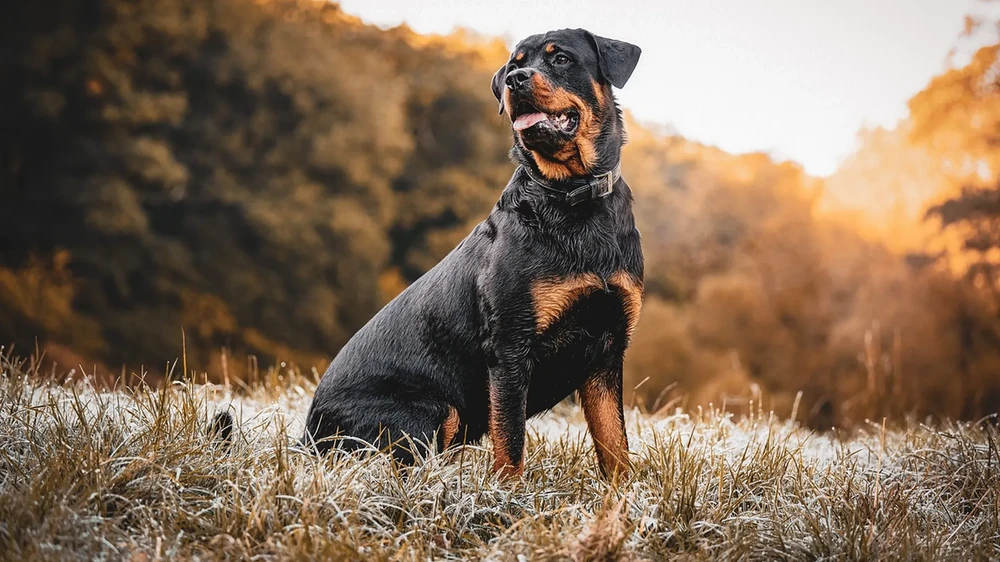
Rottweilers suit people who like training, enjoy routine, and are comfortable managing a large dog in public. They are often at their best when they have a job, even if that job is “walk nicely, settle on cue, and ignore the world politely”.
If you are considering a puppy, spend time on the unglamorous questions: what health screening is done, what early socialisation looks like, and how the breeder supports you if problems arise. If you are adopting an adult, allow time for decompression and consider working with a qualified trainer who uses reward-based methods.4, 5
A well-raised Rottweiler is rarely “easy”, but they are often deeply satisfying. The steadiness people admire usually comes from quiet, consistent work that starts early and continues, gently, for life.
References
- United States Rottweiler Club: Rottweiler Breed Standard (FCI Standard No. 147)
- American Rottweiler Club: Breed Standard
- RSPCA Knowledgebase: Is the tail docking of dogs legal in Australia?
- RSPCA Knowledgebase: Reward-based dog training and why the RSPCA supports it
- American Veterinary Society of Animal Behavior (AVSAB): Position Statements (including Humane Dog Training)
- American Rottweiler Club: Breed Health
- Cornell University College of Veterinary Medicine: Gastric dilatation volvulus (GDV) or “bloat”
- WSAVA: Global Nutrition Guidelines