

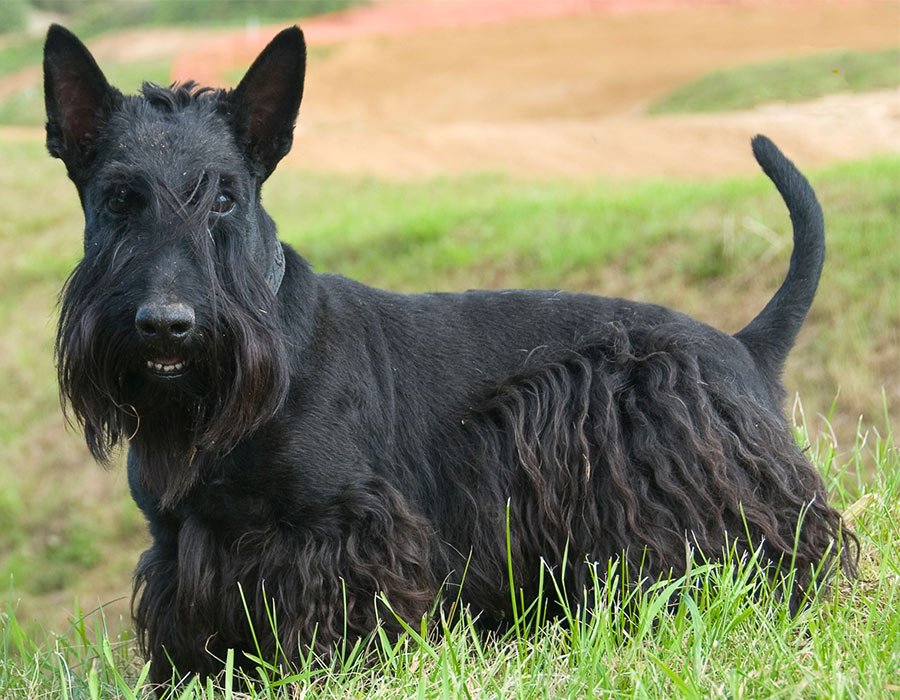
People often first notice a Scottish Terrier because of the outline: a compact dog with a strong little front, a distinctive beard, and eyebrows that seem to give every face a serious look. Then you meet one, and you realise the shape is only half the story. A Scottie can be affectionate in a quiet way, and also quite determined about where they want to stand, what they want to investigate, and when they are done with a conversation.
That mix of charm and resolve is why the breed can feel easy in one home and unexpectedly challenging in another. If you are used to a dog that happily follows your lead, a Scottish Terrier’s independence can be misread as “stubbornness”. If you like a dog with opinions, it is often part of the appeal.
Understanding what the Scottish Terrier was built for helps you live with what you see day to day: alertness, a liking for routine, a strong interest in small moving things, and a coat that looks tidy when it is properly maintained. Done well, Scottie ownership is less about “handling” a dog and more about building a respectful working relationship.
At a glance: Scottish Terrier traits
Breed group: Terrier. Typical size: about 25 to 28 cm at the shoulder, roughly 8.5 to 10.5 kg. Coat: double coat with a harsh, wiry outer layer. Colours: black, wheaten, or brindle. 1
- Energy: moderate, usually satisfied with daily walks and some play.
- Shedding: often described as low, but the coat needs regular hands-on care.
- Temperament: alert, self-possessed, often loyal to their people, sometimes reserved with strangers.
- Best fit: homes that enjoy training and routine, and can manage terrier instincts (digging, chasing, barking).
History and purpose
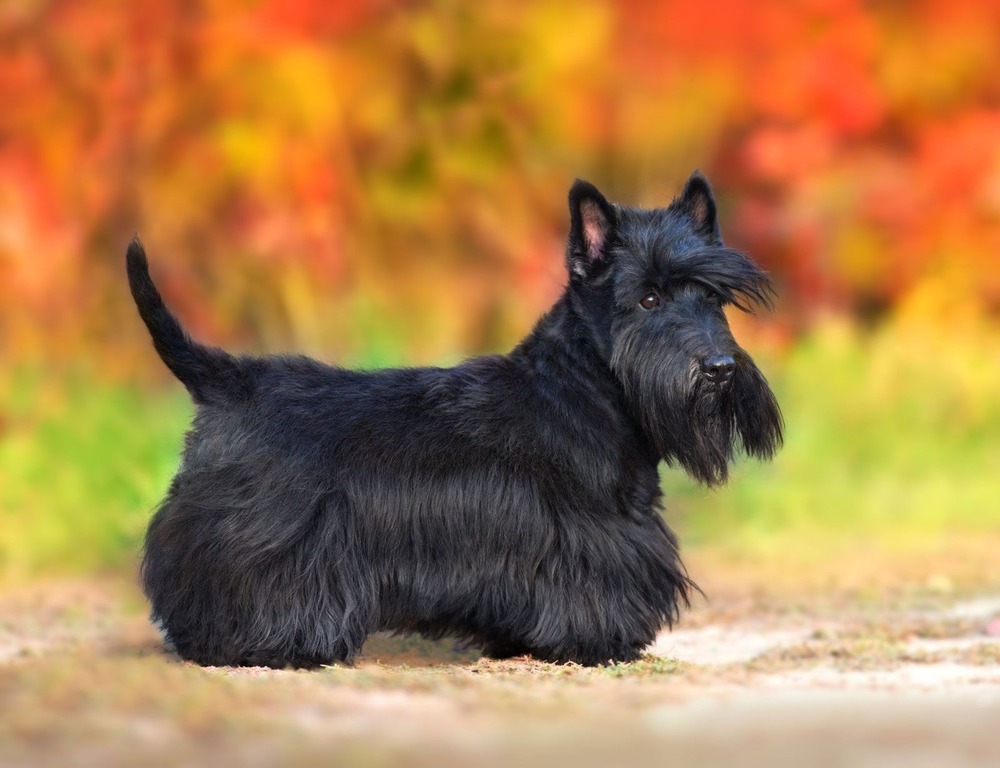
The Scottish Terrier developed as a working terrier in Scotland, valued for going to ground and dealing with vermin. That original job still shows up in modern life, particularly in the breed’s interest in scent trails, their willingness to push into dense scrub, and their habit of making their own decisions when something catches their attention.
In the late 1800s, the breed became formalised with written standards and kennel club recognition. You will still hear them called “Scotties”, and they are often treated as a small dog with a big-dog sense of presence. 1, 2
It is also a breed with cultural visibility. Scotties appear frequently in art and advertising linked to Scottish identity, and they have been kept by well-known public figures, which helped cement their iconic status beyond working-dog circles. 9
Physical characteristics that shape everyday life
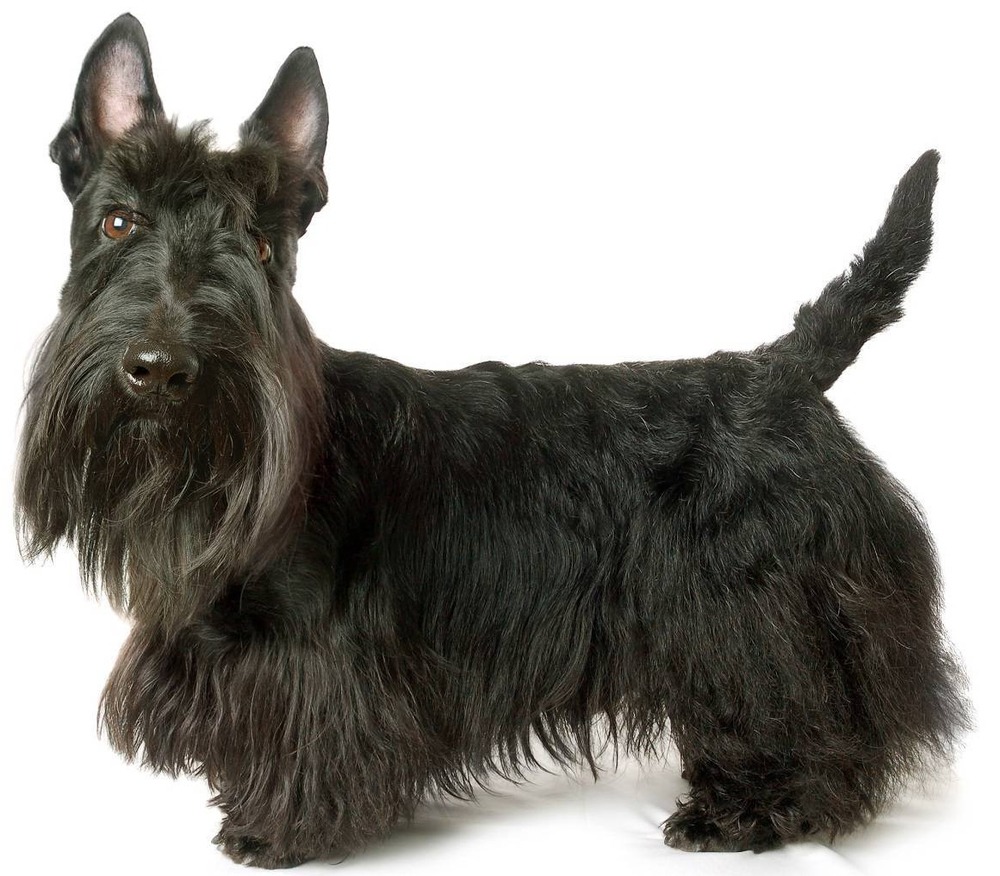
A Scottish Terrier is small, but not fine-boned. Breed standards describe a compact, heavily built dog with balance and symmetry, supported by a deep chest and short legs designed for strength and persistence rather than speed. 2
The coat is a true double coat: a softer undercoat and a harsh outer layer. It is protective, but it is also a commitment. Coat care is not optional if you want to avoid knotting, discomfort, and skin irritation under the furnishings (beard, legs, and belly). 1
Many Scotties cope well with cooler weather, but they can struggle in heat, particularly if exercised hard in the middle of the day. Plan walks for cooler hours and watch for early signs of overheating. 6, 7
Temperament and behaviour: what owners usually notice
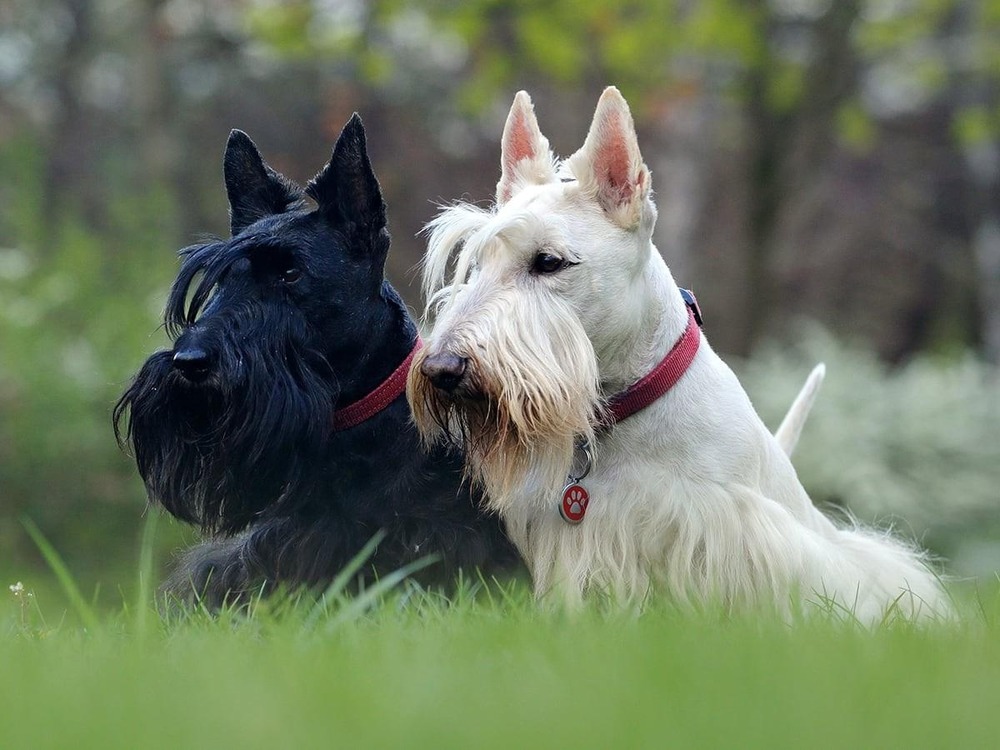
Scottish Terriers are often described as confident and independent. In practice, that can look like a dog who enjoys closeness on their terms, who may take a moment to decide whether something is worth responding to, and who tends to notice changes in the environment quickly.
Many are naturally watchful. Some bark readily at sounds and movement, which can be useful in a home, but less welcome in shared walls. Barking is often a habit that improves when you teach an alternative behaviour and reduce the triggers you can control (windows, fence running, door noise).
With children, a Scottie often suits families with older kids who can read dog body language and give space when asked. As with any breed, supervision matters, and it helps to teach children how to approach, pat, and leave a dog alone when the dog is resting or eating.
With other pets, terrier instincts can surface. Some Scotties live happily with other dogs and with cats, especially when raised together. Small animals can be a tougher match. Assume chase is possible unless you have done careful, gradual introductions and ongoing management. 1
Training and exercise that suits a Scottie brain
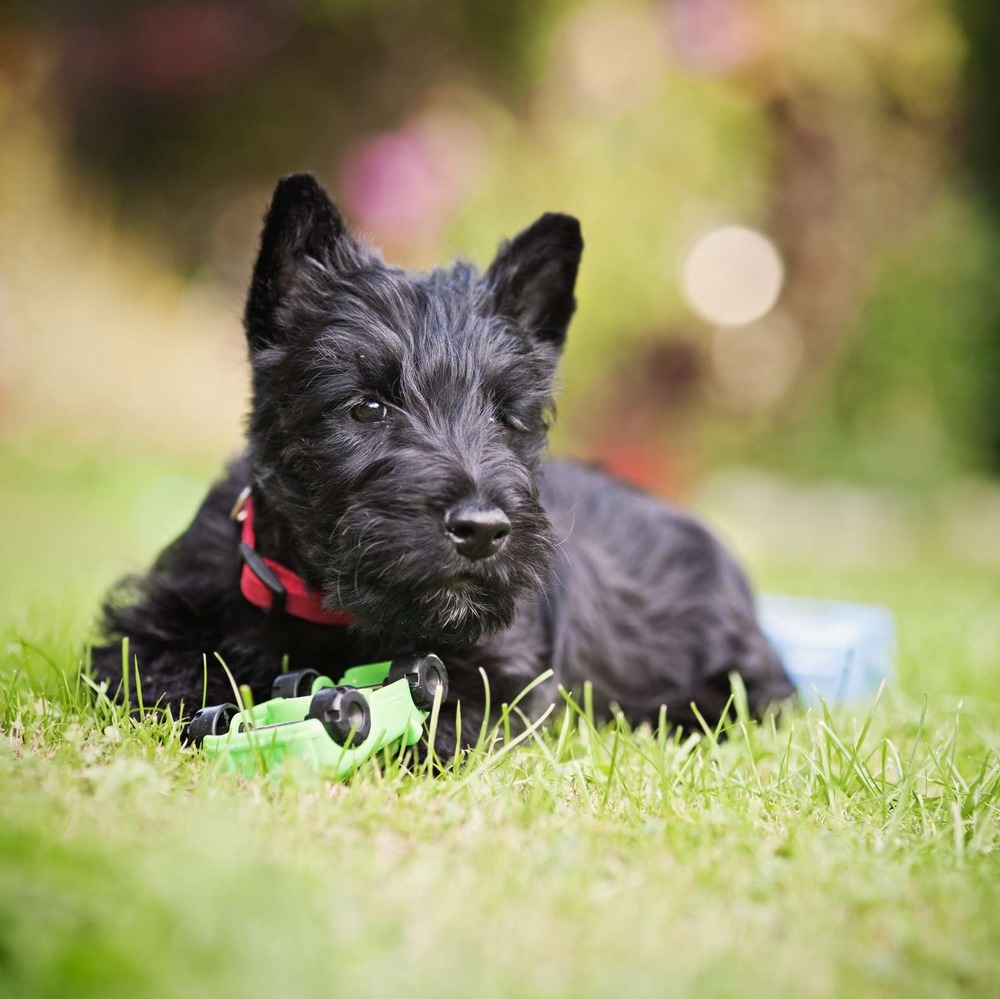
Scotties usually respond best to training that is calm, consistent, and rewarding. If you push too hard, many will disengage. If sessions are too repetitive, they can decide they have already mastered it and see no reason to continue. Keep training short and specific, and finish while your dog is still interested.
Reward-based training methods are widely recommended by animal welfare organisations because they build skills without relying on intimidation or pain. That matters for terriers, who may meet pressure with resistance. 3, 4
Exercise needs are usually moderate. A daily walk plus some sniffing time, enrichment, and play is often enough. Many Scotties enjoy:
- Sniff walks where the pace is slow and the dog can investigate.
- Food puzzles and scatter feeding in the yard.
- Short games that tap into chase and retrieve, in a secure area.
If digging becomes a problem, it is often easier to redirect than to “stop” outright. A designated digging spot, a sandpit, or structured enrichment can give the behaviour a place to go without turning the garden into a daily argument.
Health considerations and lifespan
Scottish Terriers commonly live into their early teens, and many sources cite a typical lifespan around 12 to 15 years, although individuals vary with genetics, weight, dental health, and general preventive care. 1
Like many purebred dogs, Scotties have a set of known health risks. Two that are often discussed are:
- Von Willebrand’s disease, a bleeding disorder that can affect clotting. Screening and veterinary guidance are important, particularly before surgery. 8
- Scottie cramp, a condition associated with episodic movement changes, often triggered by excitement or exercise. It is not the same as a seizure disorder, and assessment by a vet helps rule out other causes. 10
Many long-term health outcomes come down to the basics done well. Keep weight steady, maintain routine veterinary checks, and take dental care seriously. Even small dogs that “eat fine” can carry painful dental disease quietly.
Grooming and coat maintenance
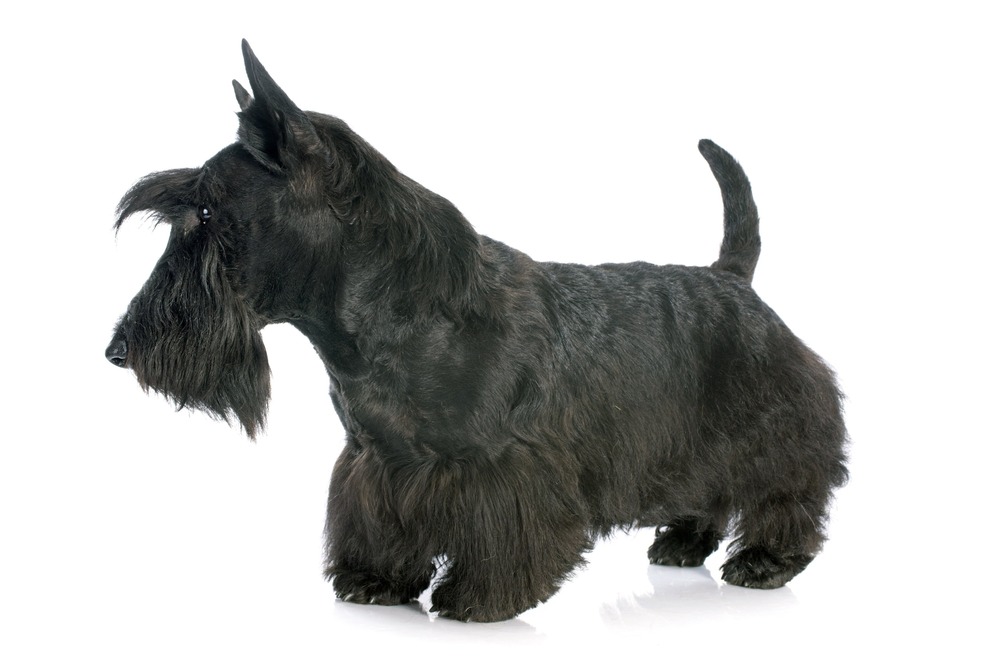
The Scottish Terrier coat looks simple until you live with it. The furnishings (beard, brows, legs) catch food, grass seeds, and burrs. The undercoat can compact if it is not brushed through. If the coat is clipped very short, it can soften the harsh texture over time, which some owners do not mind and others actively avoid.
A practical routine for many households includes:
- Brushing several times a week, focusing on legs, belly, and behind the ears.
- Regular combing of the beard, plus wiping and drying after meals or wet weather.
- Professional grooming as needed to keep the outline comfortable and manageable.
Grooming is also your best chance to notice small changes early: skin irritation, lumps, sore spots, and broken nails.
Diet and nutrition: keeping it simple and safe
Most Scotties do well on a complete and balanced diet appropriate to their life stage, with portions adjusted to keep a clear waist and easily felt ribs. The internet tends to fixate on ingredient lists, but veterinary nutrition groups emphasise looking at the overall evidence behind a food, including quality control and whether it meets nutritional standards. 5
If you offer extras, keep them small and predictable. And be strict about foods that are genuinely dangerous. In Australia, the RSPCA highlights several common household hazards, including chocolate, grapes and raisins, and onion and garlic. If you suspect your dog has eaten something toxic, call your vet promptly. 6
Living well with a Scottish Terrier
A Scottie is rarely a “do anything” dog. They tend to thrive when life is steady, expectations are clear, and the human side of the relationship is willing to train, manage, and enjoy a dog with a bit of grit.
If you are considering the breed, look for a temperament you genuinely like, not just a look you admire. Spend time with adult Scotties if you can, ask breeders and rescue groups about their lines and support, and plan for grooming and training from the start. Choose the dog you can live with, and you will usually get the best of what makes this breed so memorable.
References
- The Kennel Club (UK): Scottish Terrier breed standard
- Scottish Terrier Club of America: Breed Standard
- RSPCA Australia: The do’s and don’ts of training your dog
- RSPCA Knowledgebase: Training recommendations and reward-based methods
- WSAVA: Global Nutrition Guidelines
- RSPCA Pet Insurance: Foods to avoid feeding your dog
- RSPCA NSW: Keeping pets safe in the heat
- Merck Veterinary Manual: Von Willebrand disease in animals
- Purina: Scottish Terrier breed overview
- VCA Hospitals: Scottie cramp in dogs