

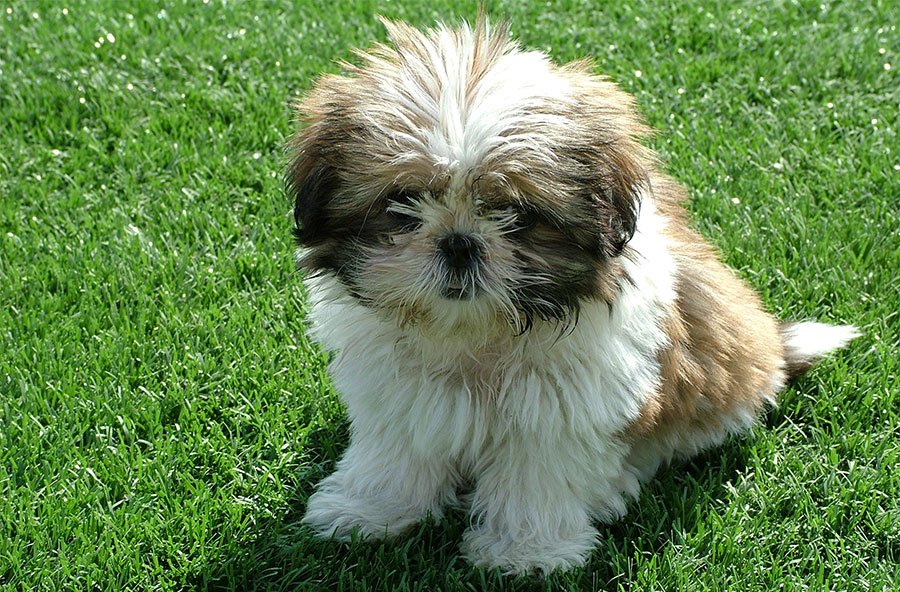
Most people start thinking seriously about Shih Tzus after noticing a few everyday things: that distinctive face (often with a little underbite), the silky hair that seems to grow endlessly, and a temperament that can be both confident and surprisingly gentle in a small body.
They are often described as “easy little companion dogs”, and in some ways that is true. A Shih Tzu will usually fit neatly into apartment life and enjoy a modest daily routine. But their needs can be quietly demanding, especially around grooming, heat management, and the extra care that can come with a short-nosed (brachycephalic) shape.2, 3
When you understand what the breed was created for, close human companionship, and what their bodies do well (and not so well), the whole picture becomes clearer. The result is a dog that can be a wonderful match for many households, as long as you go in with realistic expectations and a practical care plan.
At a glance: what a Shih Tzu is like to live with
Shih Tzus are small, sturdy toy dogs with a long coat and a strong preference for being near their people. In practice, that often means:
- Daily coat care if the coat is kept long, or regular professional grooming if it is kept in a shorter clip
- Short, steady exercise rather than long runs
- Ongoing attention to eyes, ears, teeth, and skin folds
- Extra caution in warm, humid weather, particularly for dogs with more exaggerated flat-faced features2, 3
History and breed identity

The Shih Tzu is closely associated with China’s imperial courts, and the name is often translated as “lion dog”. You will still see that influence in breed descriptions and standards, with their rounded head, abundant coat, and tail carried up and over the back.
In modern terms, this background mainly helps explain one thing: Shih Tzus were selected to be close companion dogs. They tend to be people-focused and happiest when they are included in daily life, rather than left to entertain themselves for long stretches.
Size and appearance
Breed standards describe a compact dog, typically under 27 cm at the shoulder, with an ideal weight range often around 4.5 to 7.5 kg (though individuals vary).1, 4 Their coat can be many colours. The Kennel Club (UK) standard notes that all colours are permissible except merle, which is considered unacceptable in that standard.1
Temperament, household fit, and good handling
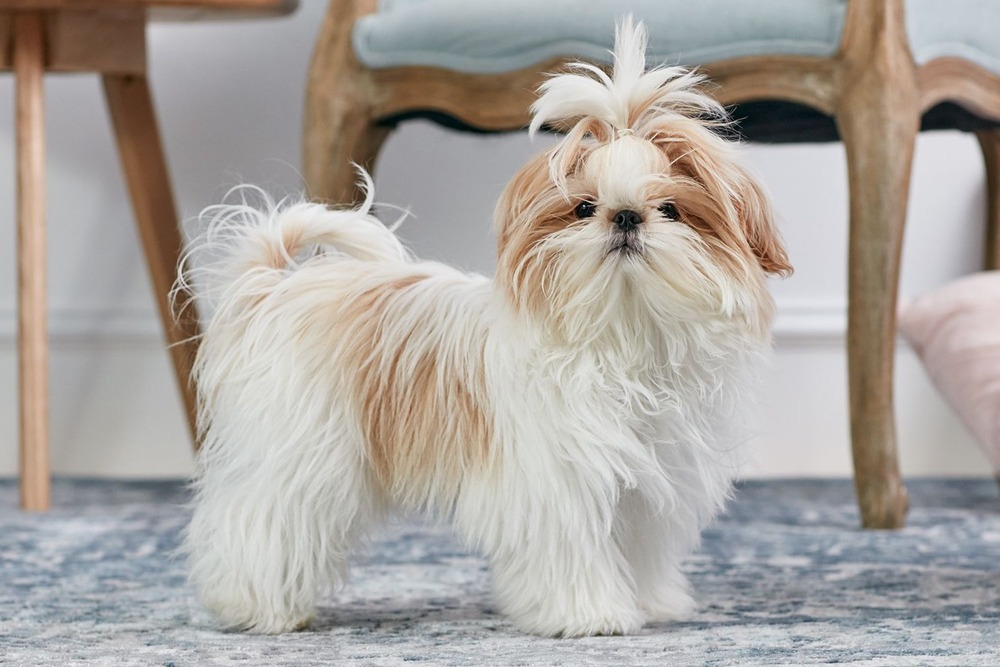
Shih Tzus are often friendly and outgoing with familiar people, and many are sociable with visitors once they have had a chance to settle. They are not usually a “one person only” dog, although individual personalities vary, and early experience matters a lot.
They can suit families, singles, and older owners, provided expectations match reality. The main mismatch happens when a household wants a low-maintenance dog. A Shih Tzu can be calm and adaptable, but they are rarely low-effort.
Children and other pets
Many Shih Tzus live well with gentle children and other animals, especially when they have been introduced thoughtfully. The key is not assuming tolerance based on breed reputation. Small dogs can be easily overwhelmed by fast hands, loud play, or being picked up without warning.
- Teach children to pat gently and low, rather than hugging or hovering over the dog.
- Use baby gates or a quiet room so the dog can opt out.
- Supervise play, even with “good kids”, because most accidents come from ordinary moments.
Training and exercise, what actually works
A Shih Tzu does not usually need a huge amount of physical exercise, but they do need a rhythm. A couple of short walks and a few small play sessions often suit them better than one long outing.
Training tends to go best when you keep it light, consistent, and rewarding. Many Shih Tzus respond well to small food rewards and short sessions. If they seem “stubborn”, it is often because the lesson is too long, too repetitive, or happening when the dog is tired or distracted. Aim for tiny wins, often.
Socialisation without flooding
“Socialisation” is not about forcing a puppy to greet everyone. It is about safe exposure at a pace that keeps the dog relaxed enough to learn. For a Shih Tzu, that can include calm time near traffic, gentle handling for grooming, friendly visitors who ignore the puppy at first, and short car trips paired with good things.
Health considerations, especially flat-faced traits
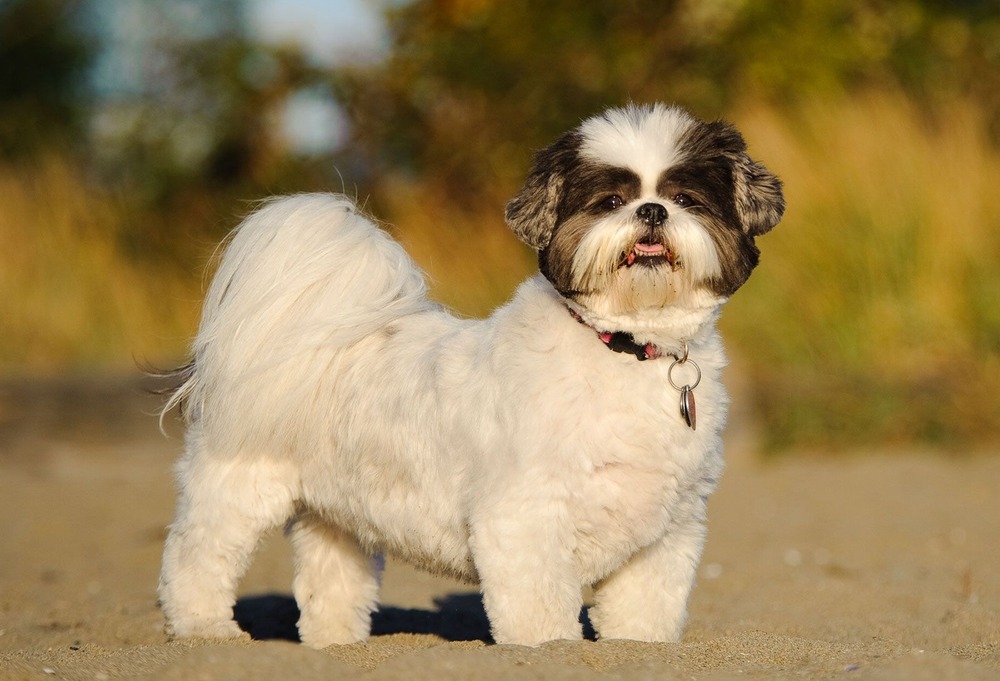
Shih Tzus can live long lives, commonly into the teens, but it is wise to plan for breed-linked vulnerabilities. One of the most practical is their brachycephalic (short-nosed) structure. In some dogs, this shape can contribute to breathing difficulty and reduced ability to cool themselves through panting, especially in warm or humid weather.2, 3
If you are choosing a puppy, it is worth paying attention to the parents’ breathing at rest, their tolerance of mild exercise, and whether they show noisy breathing, frequent snorting, or obvious struggle in the heat. If you already have a Shih Tzu, it is about management and veterinary guidance, not blame. Many dogs do well with sensible routines.
Heat safety is not optional
Australian summers can be challenging for many dogs, and flat-faced breeds are at higher risk of heat stress and heatstroke.2, 3 Practical habits help:
- Walk early or later in the evening, not in the hottest part of the day.
- Use the back-of-hand test on pavements. If it is too hot for your hand, it is too hot for paws.5
- Keep water accessible, offer cool indoor spaces, and avoid intense play on hot days.
If you suspect heatstroke, start cooling with tepid or cool water and seek veterinary care urgently. Avoid ice-cold water or ice directly on the dog, as it can make things worse.5
Grooming and coat care, the part that surprises people
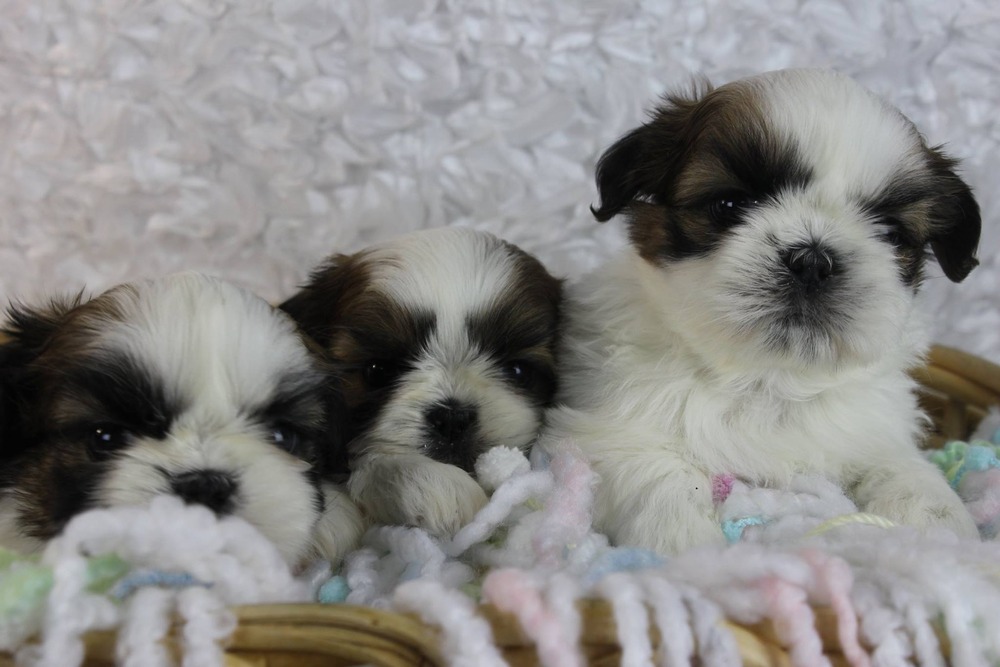
The Shih Tzu coat is hair-like and continuously growing. That can mean less shedding around the house, but it does not mean “no maintenance”. In real life, the coat will mat where there is friction: behind the ears, under the collar, in the armpits, around the groin, and where the dog licks. Mats can pull on the skin and trap moisture, so they are not just cosmetic.
If you want a long coat, plan on daily brushing and regular bathing and drying. If you prefer a shorter clip, you still need routine brushing, plus professional grooming on a schedule that suits your dog’s coat and your lifestyle.
Eyes, ears, and face folds
Those prominent eyes and facial hair need steady attention. Many owners find it helpful to tie up the head hair, as breed standards also recommend, so the dog can see clearly and hair is less likely to irritate the eyes.1 Your vet can advise if you notice redness, discharge, squinting, or rubbing at the face, because eye issues are best treated early.
Feeding and keeping a healthy weight
Shih Tzus do best on a balanced diet appropriate to their life stage, with portions adjusted for a small body and a modest activity level. A “little extra” adds up quickly in toy breeds.
Keeping your dog lean is not about aesthetics. It is a practical health support, especially for joints and breathing, and it can also reduce heat risk. If you are unsure what a healthy weight looks like, ask your vet to help you assess body condition and set a calm, realistic target.
Choosing a Shih Tzu responsibly
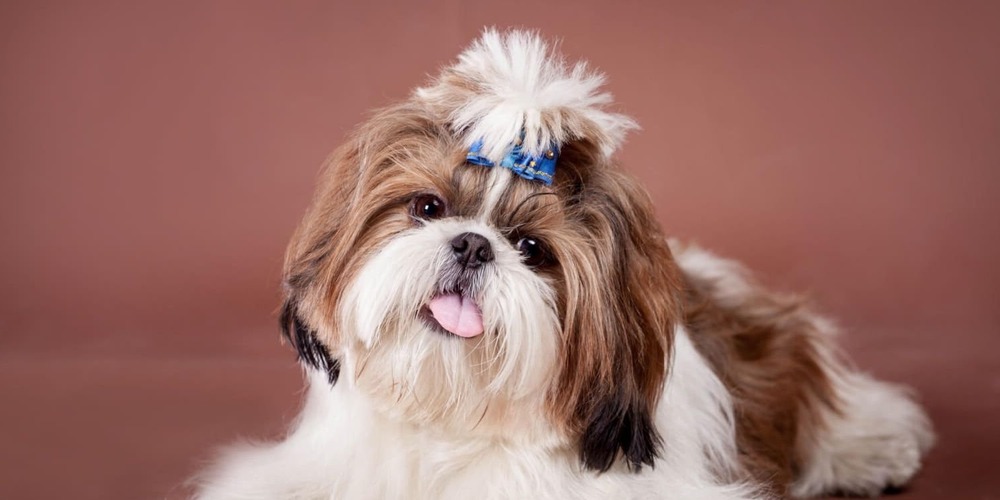
A well-bred, well-raised Shih Tzu is usually a steady companion. The best starting point is meeting the mother dog, seeing how the pups are raised, and asking what health checks have been done. You are looking for sound breathing and comfortable movement, along with a calm, curious temperament.
Rescue Shih Tzus can also make excellent companions. If you adopt, you are often learning the dog’s preferences and sensitivities as you go, which is normal. A gentle routine, a predictable home, and support from your vet and groomer can make a big difference.
Final thoughts
The Shih Tzu is often at its best in the ordinary moments: following you from room to room, settling in close, enjoying a short walk, and then happily returning home. They are small dogs with a surprisingly substantial care footprint, mostly because of grooming and heat management.
If you can commit to the coat, keep a sensible routine, and take warm weather seriously, a Shih Tzu can be a deeply satisfying companion. The goal is not perfection. It is steady care that fits real life, and a dog that feels comfortable in its own body.
References
- The Kennel Club: Shih Tzu breed standard
- RSPCA NSW: Heat stress in pets
- RSPCA Australia: Protect pets from heatstroke
- American Kennel Club: Breed weight chart (includes Shih Tzu)
- RSPCA Australia: Keeping your pet safe during heat
- RSPCA ACT: Hot weather advice for pet owners
- RSPCA Australia Knowledgebase: How often should I groom my dog?
- RSPCA Australia Knowledgebase: Signs of heatstroke in dogs
- WSAVA: Global Nutrition Guidelines