

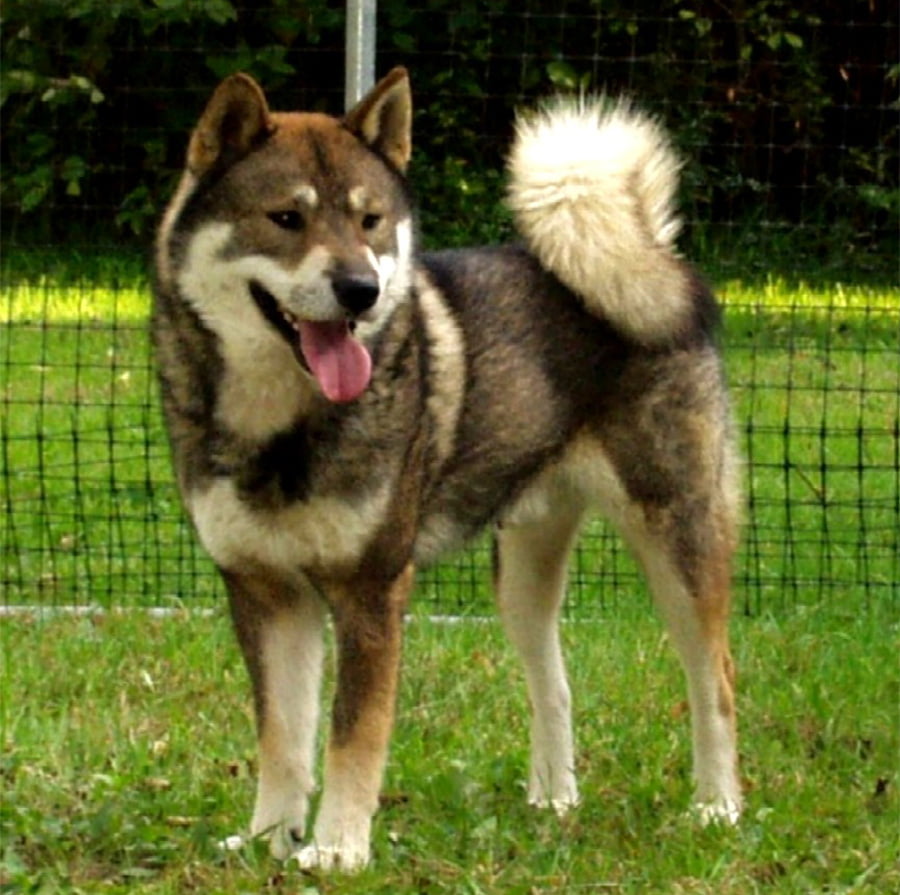
You usually come across the Shikoku because you have seen a dog that looks a bit wolf-like, moves like an athlete, and keeps a quiet distance from strangers while staying closely tuned to its people. Sometimes it is mistaken for a Shiba Inu. Sometimes it is simply described as “one of those Japanese spitz dogs”. Either way, it tends to leave an impression.
It also tends to challenge a common assumption: that a medium-sized dog will naturally slot into most homes if you provide a daily walk and a bit of training. With the Shikoku, the details matter. This is a breed shaped by rugged terrain and purposeful work, and that shows up in its stamina, its quick decision-making, and its comfort with independence.
For the right household, a Shikoku can be a steady, capable companion. For the wrong fit, the same traits can look like restlessness, intensity, or “selective hearing”. Understanding what sits underneath the behaviour is what makes life with this breed feel calmer and more predictable.
Shikoku at a glance
Breed type: Japanese spitz-type hunting dog, also known as the Kochi-ken.1
- Size: Medium. Breed standards describe around 52 cm at the withers for males and 49 cm for females, with a tolerance of plus 3 cm.1
- Coat: Double coat with a harsh, straight outer coat and a soft, dense undercoat.1
- Colours: Sesame, red, black and tan.1
- Life expectancy: Commonly reported around 10 to 12 years, with individual variation.2
- Typical vibe: Enduring, alert, energetic, often reserved with strangers, generally very bonded with its household when raised with thoughtful handling and socialisation.1
History and origin
The Shikoku comes from Japan and is closely tied to the mountainous regions of Kochi Prefecture. It was developed primarily as a hunting dog, especially for hunting boar, which helps explain the breed’s endurance and the way it can shift quickly from stillness to fast, decisive movement.1
Historically, there were regional varieties (Awa, Hongawa, and Hata). Accounts of the Hongawa line often highlight a degree of “purity” linked to the difficulty of access to its breeding area, which limited outside influence.1
In 1937 the breed was designated a natural monument in Japan, an important marker in efforts to preserve native Japanese breeds through social change and modernisation.1
Physical characteristics
In person, the Shikoku reads as compact and athletic rather than heavy. The breed standard describes a medium-sized dog with well-developed, clean-cut muscles, pricked ears, and a curled or sickle tail carried over the back.1
The coat is a true working double coat. It insulates in cold conditions but also means the dog can overheat if pushed too hard in warm weather, particularly if it is excited or running. The outer coat should feel harsh and straight, with a softer dense undercoat underneath.1
If you are comparing it with a Shiba Inu, the difference is not just size. Many people notice the Shikoku’s longer, more “rangy” outline and the way it covers ground, which reflects its development for steep, mountainous terrain.1
Temperament and behaviour
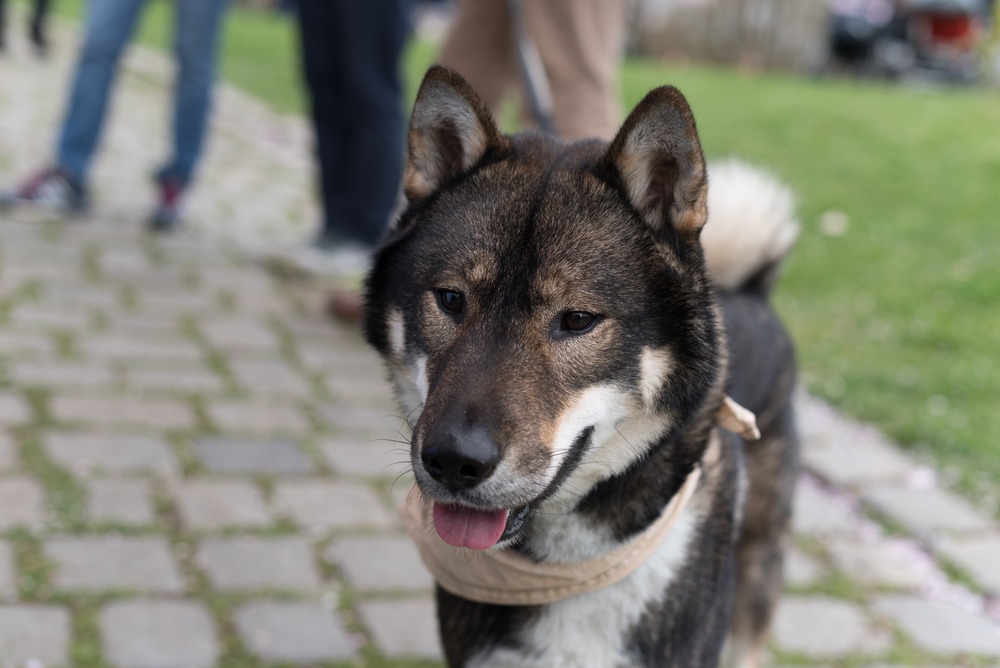
The breed standard describes the Shikoku as having marked endurance, keen senses, and being energetic and highly alert, while also being docile toward its master.1
In day-to-day life, that can look like a dog that watches quietly, takes in detail, and does not always rush to greet. Reserve is not the same as fearfulness. With a thoughtful approach, many Shikoku are steady and composed, especially when they have predictable routines and enough constructive outlets for their energy.
It is also worth being honest about prey drive. A dog bred to hunt can find small fast-moving animals very compelling. Early training helps, but management matters too, especially around wildlife and cats.
If you want a simple rule of thumb, it is this: relationship-based training tends to go further than trying to “out-stubborn” the dog. Clear boundaries, calm repetition, and reinforcement for the behaviours you want will usually land better than heavy-handed corrections.
Training and exercise needs
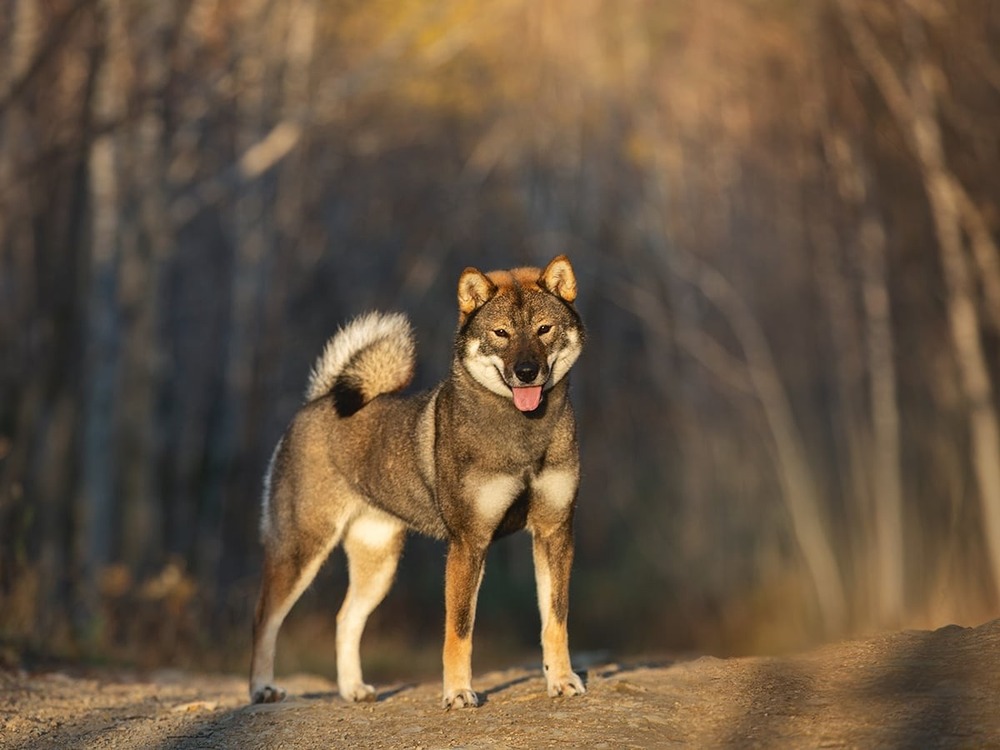
Shikoku are smart and physically capable, which is a lovely combination when you enjoy training and a challenge. It can be less lovely if you are hoping the dog will entertain itself with a short walk and a backyard.
Early socialisation is particularly important for breeds that tend toward reservation, because it helps them learn what “normal” looks like in your world: visitors, kids moving unpredictably, public spaces, handling for grooming, and time alone. Good socialisation is not flooding a puppy with stimulation. It is building positive, manageable experiences, then repeating them until they become ordinary.
Exercise needs are best met with variety. Many owners find the dog settles better when it gets both physical work and mental work, for example:
- brisk walks plus structured sniffing time
- recall games and leash skills in low-distraction areas before you test them elsewhere
- tracking games, scent work, or food puzzles at home
- hikes in cool weather, with water breaks and a plan for heat
In warmer months, be conservative. Thick-coated dogs are at higher risk of overheating, and heatstroke can be life-threatening. Avoid hard exercise in the hottest part of the day, watch for heavy panting and weakness, and seek veterinary help promptly if you suspect heatstroke.5, 6
Health and lifespan
Like many medium-to-large active breeds, Shikoku may be affected by hip dysplasia. Hip dysplasia involves abnormal development and instability of the hip joint, which can lead to pain and arthritis over time. Signs can include lameness, reluctance to jump or rise, and loss of muscle mass in the hindquarters.7
Breed guides commonly cite an average lifespan around 10 to 12 years, though individuals vary with genetics, weight management, and overall care.2
Practical prevention is not about perfection. It is about steady, boring habits that add up:
- keep a lean body condition, because excess weight increases joint load and heat stress risk
- build fitness gradually, especially in young dogs
- use regular veterinary check-ups to discuss mobility, skin, and any eye concerns early
On the nutrition side, veterinary groups emphasise routine nutrition assessment and body condition scoring as part of everyday health care, which is a useful way to keep weight drift from becoming “normal”.8
Grooming and maintenance
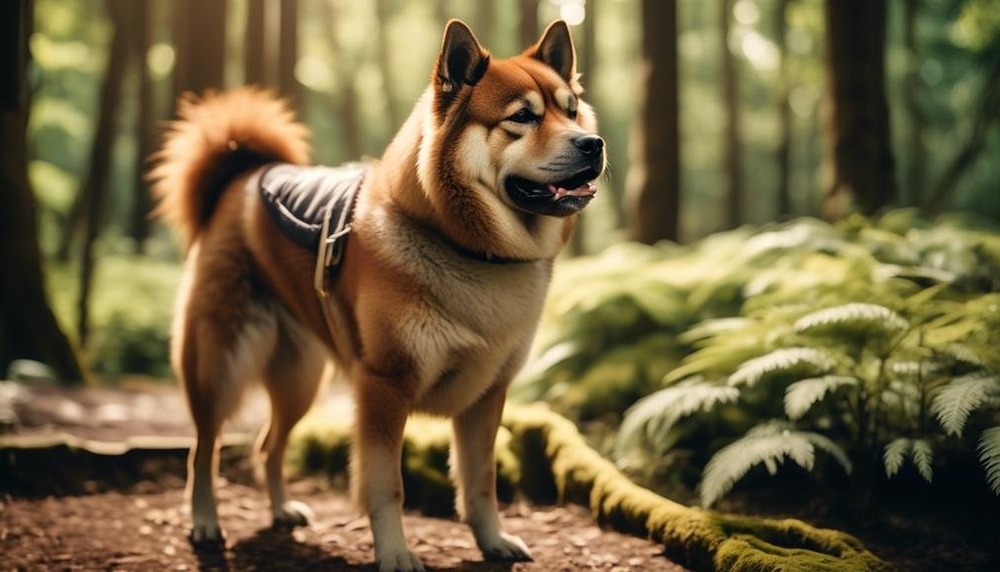
The Shikoku coat is designed to protect the dog in harsh conditions, so it tends to be low-fuss in the sense that it does not require trimming. It is not low-effort, though, especially during seasonal shedding.
A weekly brush is a reasonable baseline for many households, with more frequent brushing when the coat “blows”. This is less about aesthetics and more about comfort, skin health, and keeping loose undercoat from compacting.
Bathing can be occasional. Over-bathing can dry the skin and coat. More useful as routine maintenance are the small things: nail care, ear checks, and getting the dog comfortable with handling early, before you need it.
Diet and nutrition
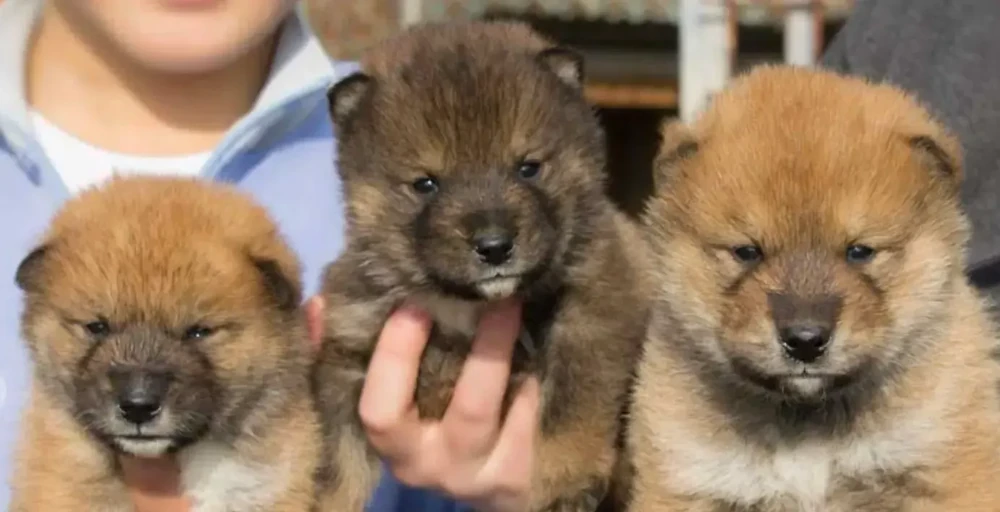
Active dogs do best when food supports steady energy, healthy skin, and strong muscle. In practice, that usually means choosing a complete and balanced diet from a reputable manufacturer, then adjusting portions to the dog in front of you, not the feeding guide on the bag.
If you are unsure where to start, it helps to anchor decisions to a simple goal: maintain an ideal body condition, not a particular number on a scale. Veterinary nutrition guidelines provide tools like body condition scoring and muscle condition scoring that owners can discuss with their vet team, especially if a dog is very active or prone to weight changes.8
If your Shikoku has itchy skin, recurring ear issues, or an unsettled gut, it is tempting to label it “fussy”. Sometimes it is. Sometimes it is worth checking for diet sensitivity with your vet, rather than hopping between foods on a hunch.
Living with a Shikoku in Australia
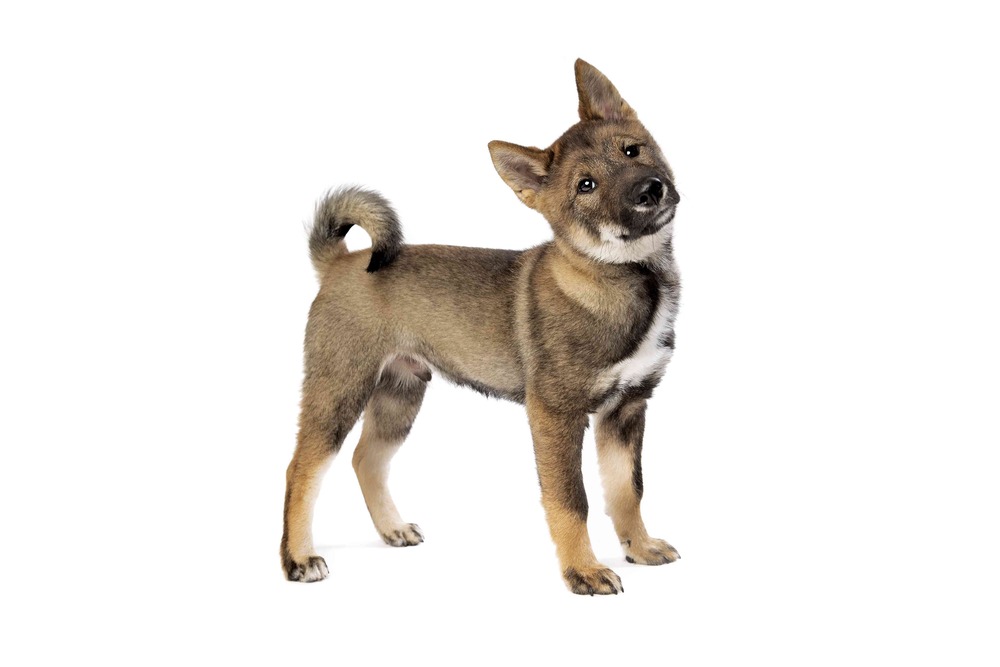
A Shikoku can live in many settings, but it tends to thrive where life is structured and enrichment is routine. Space helps, but it is not a substitute for engagement. A bored Shikoku is often a creative one.
Heat management deserves its own mention. A double coat can make dogs more vulnerable in hot weather, particularly if they are exercised hard or do not have access to cool, shaded, well-ventilated areas. Learn the early signs of heat stress, and plan walks for cooler parts of the day.5, 6
If you are choosing a breeder or a rescue, look for people who value temperament as much as looks, and who can talk comfortably about socialisation, health screening, and what this breed is like when it is under-exercised or overstimulated. Honest matching is a kindness to both dog and owner.
Final thoughts
The Shikoku is not a “hard” dog in a dramatic sense. It is simply a dog with a strong history, and a nervous system built for observation, movement, and work. When its needs are understood, you often see a companion that is attentive, capable, and quietly devoted.
If you are drawn to the breed’s look, it is worth falling in love with the less glamorous parts too: the shedding, the training that needs to be ongoing, and the reality that some Shikoku will always be a little reserved with strangers. For many people, that steadiness is exactly the appeal.
References
- Dogs Australia (ANKC): Shikoku breed standard (FCI Standard No. 319)
- Royal Canin Australia: Shikoku breed guide
- Dogs NSW: Shikoku breed standard
- Shikoku-ken.org: Overview of the FCI standard and breed history
- RSPCA Pet Insurance (Australia): Heatstroke and hyperthermia in dogs
- RSPCA Australia: Protect pets from heatstroke
- American College of Veterinary Surgeons: Canine hip dysplasia overview
- WSAVA: Global Nutrition Guidelines (body condition and nutrition assessment tools)