

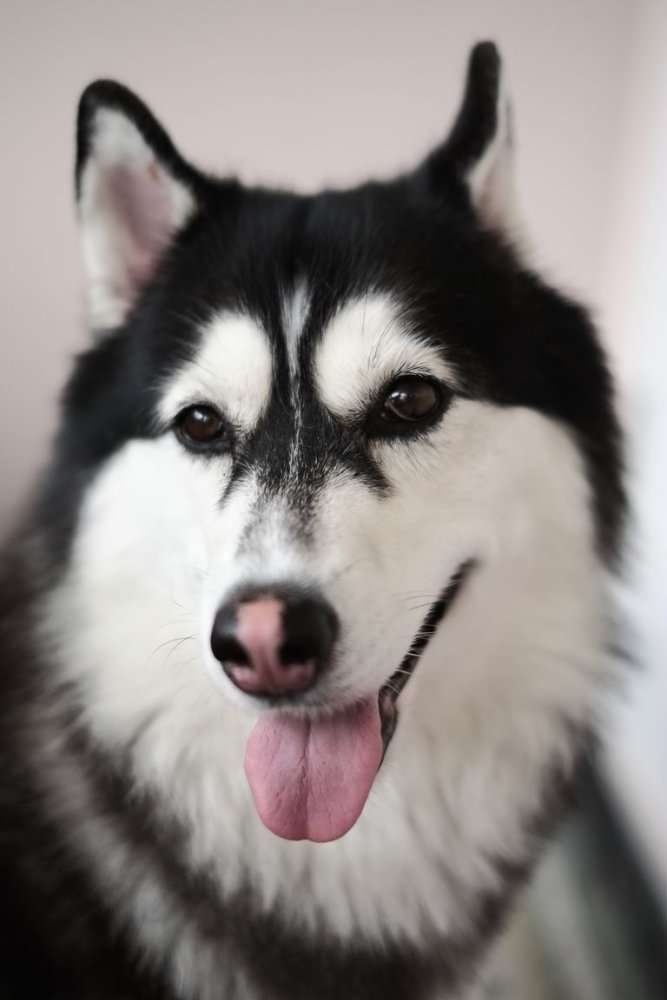
You usually do not start thinking about Siberian Huskies because you are memorising a breed chart. It is more often because you have met one at the park, heard the unmistakable howl through a neighbour’s fence, or found yourself staring at a dog with ice-blue eyes and wondering how a pet can look so much like a working animal.
They can also catch people off guard. A Husky might be friendly with strangers, then completely unimpressed by your best training “voice”. They might look built for winter, yet struggle on hot days. And they often need more movement and mental engagement than many households expect from a medium-sized dog.
Once you understand what they were shaped for, long distances, teamwork in harness, and making decisions in tough conditions, their everyday quirks start to make more sense, and caring for them becomes less about “fixing” behaviour and more about meeting a particular kind of dog where it is.
At a glance: what a Siberian Husky is built for
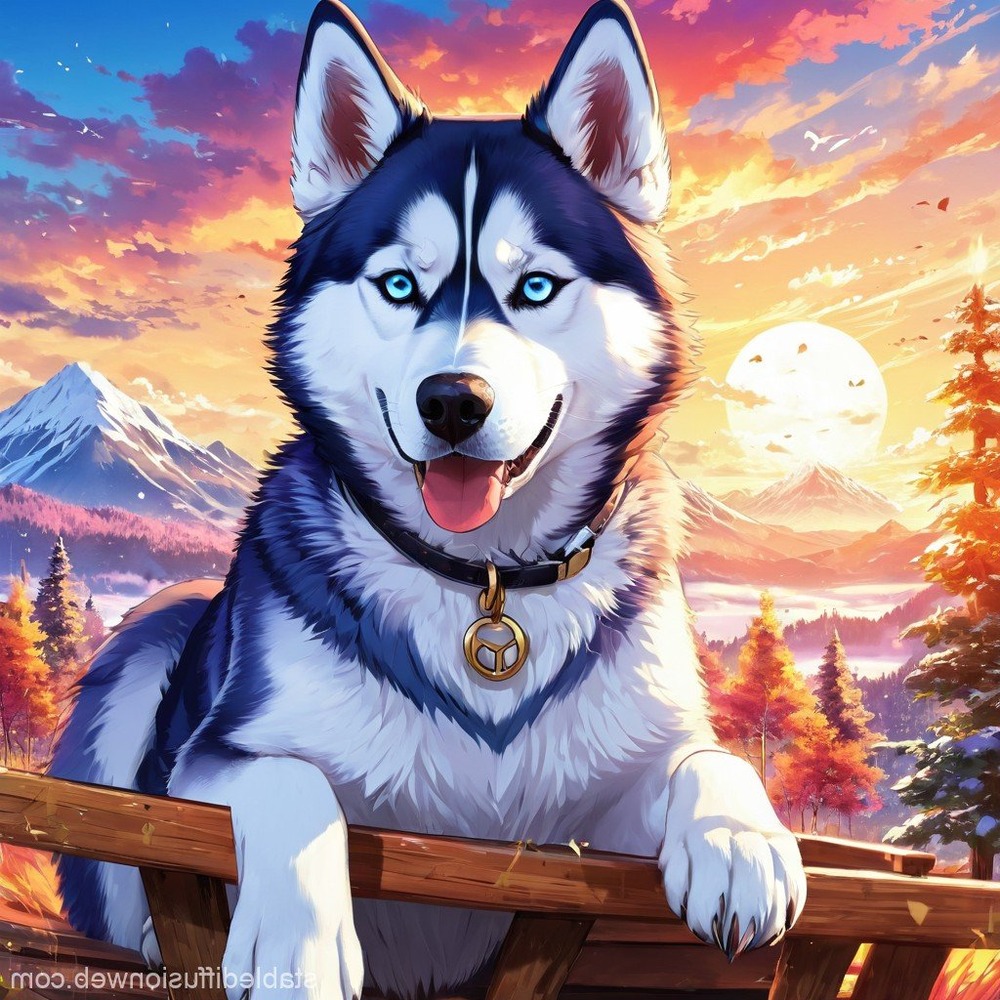
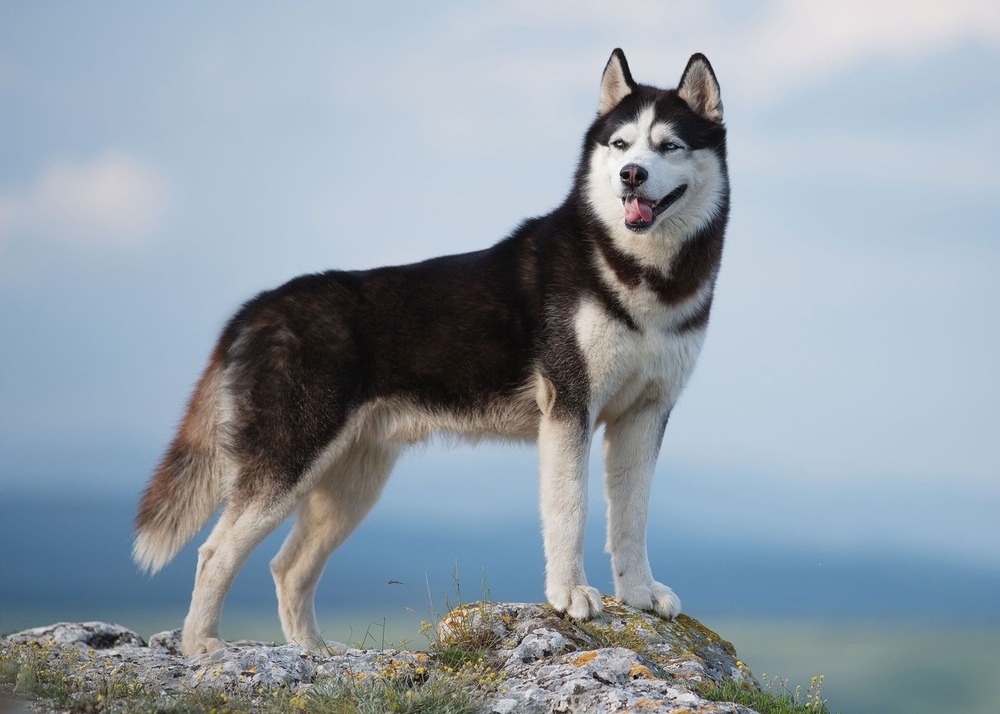
Siberian Huskies are a medium-sized working breed, developed for stamina rather than bulk. Breed standards describe adult height around 53 to 60 cm for males and 51 to 56 cm for females, with weight typically 20 to 27 kg for males and 16 to 23 kg for females, in proportion to height.1
They have a dense double coat, upright triangular ears, and a well-furred tail often carried in a sickle curve. Eye colour can be brown, blue, or one of each, and all colours and markings are seen.1
Most live around 12 to 14 years, although individual longevity depends on genetics, preventive health care, and day-to-day management.2
Early development and why the history still shows up at home
Siberian Huskies are closely associated with the Chukchi people of north-eastern Siberia, where dogs were developed to pull loads efficiently over long distances in severe weather while remaining social enough to live alongside people. That combination, endurance plus sociability, is still the thread running through the modern Husky.
It helps explain why many Huskies are comfortable around unfamiliar people, yet not always motivated by praise alone. A dog shaped for distance work often settles into a steady rhythm, and may not show the same constant “checking in” behaviour you might see in breeds selected for close-range herding or guarding.
A note on the 1925 serum run
The 1925 serum run to Nome is often told as a single heroic dash, but it was a relay involving many teams and mushers, including Alaska Native mushers whose contribution received less attention at the time. Leonhard Seppala and his lead dog Togo covered a particularly long and difficult section, while Balto became the best-known name because he led the final leg into Nome.3, 4
Temperament: friendly, independent, and sometimes surprisingly practical
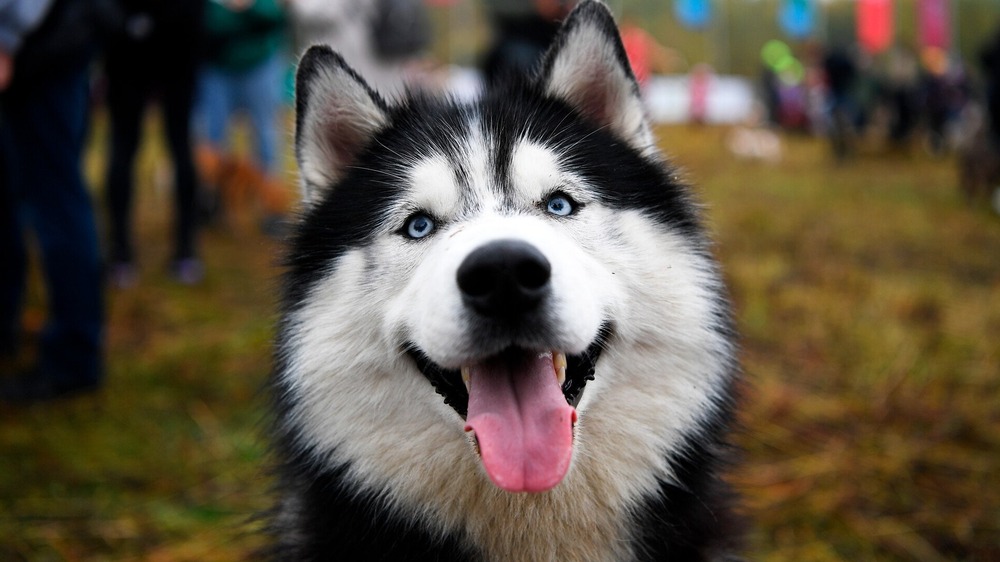
Many Huskies are people-social and curious. That does not automatically translate to easy off-lead reliability. In practice, their independence can look like stubbornness, but it is often closer to a dog weighing up whether the cue is worth responding to.
If you are choosing a Husky for family life, it is worth holding two ideas at once: they can be very gentle in the home, and they can also be highly mobile problem-solvers outdoors. Secure fencing, calm routines, and enough enrichment matter more than “being strict”.
Children and other pets
With children, the biggest success factor tends to be supervision and teaching respectful handling on both sides, rather than assuming the breed is universally child-proof.
With other animals, Husky compatibility varies. Some live happily with cats and small dogs, others have a stronger chase response. Early socialisation helps, but it does not erase genetics. If you have small pets, plan management first, then see what trust is earned over time.
Training and exercise: meeting the dog you have
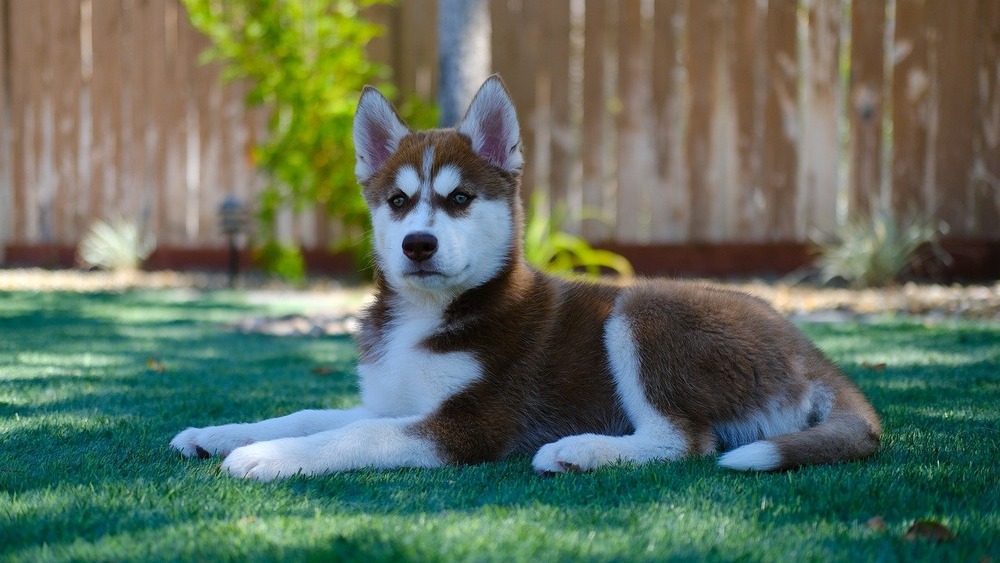
Huskies tend to do best with reward-based training that is consistent, brief, and genuinely worthwhile to the dog. Many will happily learn cues, then still decide that the environment is more interesting. That is not failure, it is information about what you need to practise, and where management is still needed.5
Exercise is also not just “more kilometres”. They usually need a mix of movement and brain work: sniffing walks, structured play, training games, and safe chances to run at their own pace. RSPCA guidance on exercise and enrichment emphasises supervision, hydration, and making sure activities are safe and appropriate for the dog in front of you.6, 7
- Make recall realistic: use long lines and fenced areas until it is truly reliable.
- Build calm as a skill: teach settling on a mat, quiet chewing time, and predictable downtime.
- Rotate enrichment: variety matters more than buying endless toys.7
Health: what owners should watch for
Siberian Huskies are generally robust, but like many breeds they have known areas to monitor. Orthopaedic issues such as hip dysplasia can occur, and inherited eye conditions are a well-recognised concern in dogs, including progressive retinal atrophy (PRA), which can be breed-associated and has multiple genetic causes across different breeds.8
When you are choosing a puppy, ask what health testing the breeder does and whether results can be verified through recognised screening schemes. When you already have a Husky, keep an eye on changes that can be easy to miss at first, such as night vision hesitancy, bumping into objects in dim light, new stiffness after rest, or reduced willingness to jump.
Heat and Huskies
The double coat insulates against cold, but it does not make Huskies “heat-proof”. In warm weather, plan exercise early or late, offer shade and water, and do not assume enthusiasm equals safety. Heat stress and heatstroke can escalate quickly, and veterinary guidance strongly discourages leaving dogs outside in the heat or in cars, even on days that do not feel extreme to people.9
Coat care: brushing beats shaving
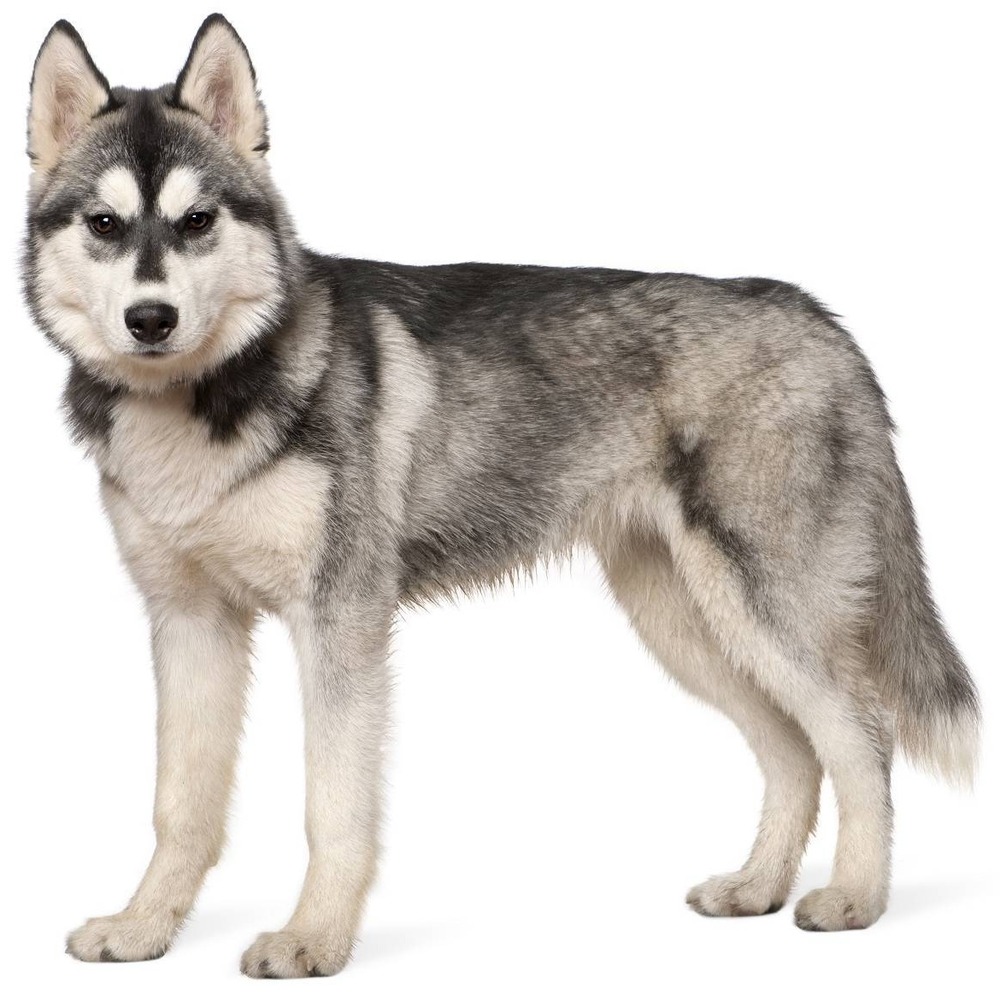
Most Husky grooming is about managing undercoat. Regular brushing removes loose hair, helps prevent tangles, and lets you check skin condition. RSPCA guidance for dense-coated dogs suggests brushing around weekly to fortnightly, increasing frequency during heavy sheds.10
Bathing can be occasional. The coat often sheds dirt well on its own, and over-bathing can dry the skin. What usually helps most is a routine: brush, check ears and paws, and keep nails at a functional length so movement stays comfortable.
Feeding and body condition: keeping an athlete lean
Huskies are typically efficient movers with an athletic build. The goal is a steady body condition where you can feel ribs under a light layer of tissue, and see a waist from above.
A high-quality complete diet, measured portions, and treats used thoughtfully during training usually get better results than constantly switching foods. If weight is creeping up, the first step is often boring but effective: weigh food, review treat calories, and adjust based on a fortnight of consistent intake and activity, ideally with veterinary guidance.
Final thoughts
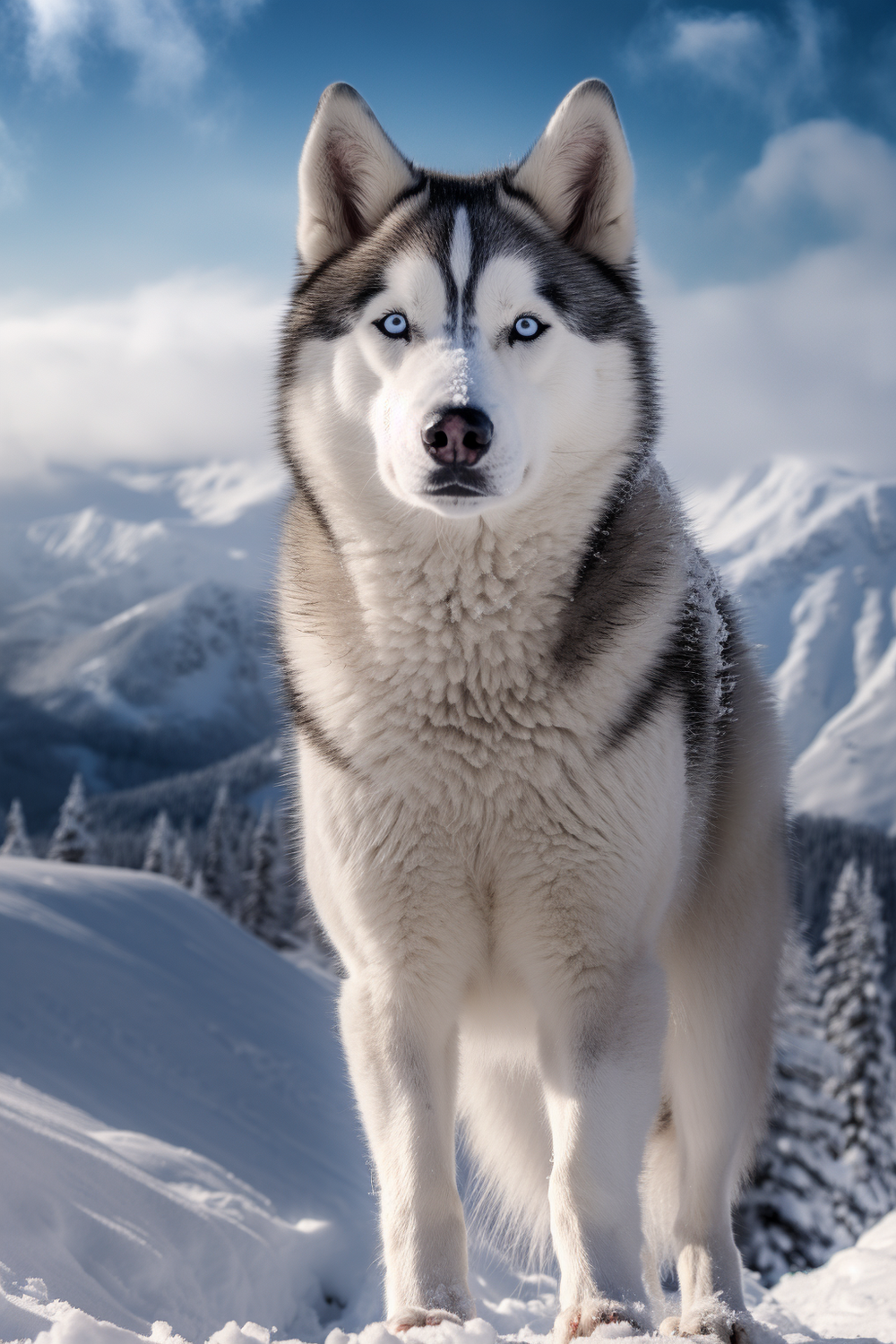
A Siberian Husky can be a wonderful companion for the right household, especially one that enjoys daily outdoor time and can offer structure without harshness. They are often affectionate and engaging, but they are rarely low-effort. If you plan for exercise, enrichment, and containment from the start, you are much more likely to enjoy the charming parts of the breed without feeling constantly outpaced.
References
- The Kennel Club: Siberian Husky breed standard (Working)
- American Kennel Club: Siberian Husky dog breed information
- Associated Press: Mushers and dogs delivered lifesaving serum to Nome 100 years ago
- National Park Service: The Great Race of Mercy (Serum Run to Nome)
- RSPCA Pet Insurance: Essential dog care information (training and exercise)
- RSPCA Pet Insurance: How to safely exercise your dog or puppy
- RSPCA Australia: The importance of enrichment for dogs
- Royal Veterinary College: Progressive retinal atrophy (PRA) in dogs
- American Animal Hospital Association (AAHA): How to prevent heatstroke in your pet
- RSPCA Pet Insurance: Guide to dog cleaning and grooming