

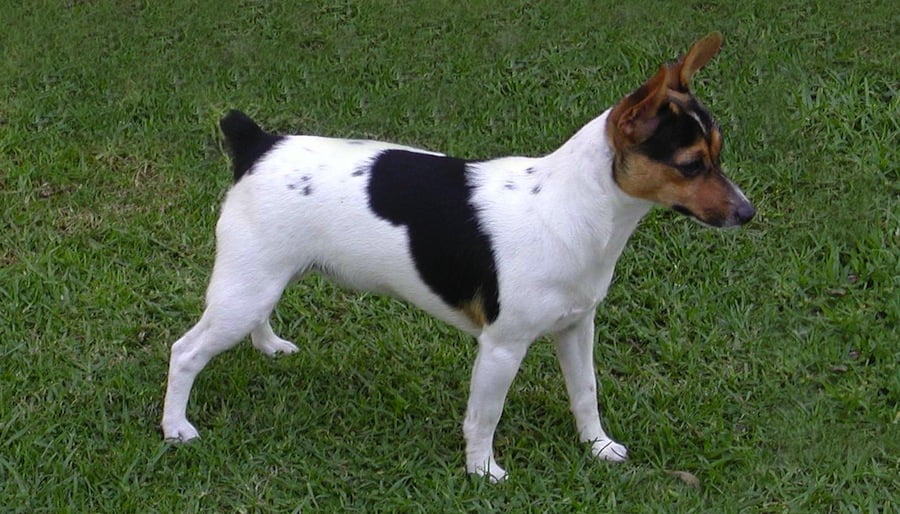
You might first notice a Tenterfield Terrier as a flash of white and tan at the end of a lead, or as the small dog who somehow keeps up with bigger ones at the park. They are compact, quick on their feet, and often scanning the world with an alertness that feels almost oversized for their body.
A lot of people assume that a small dog will naturally be low-energy, easy to tire out, and content with a lap. Tenterfields can enjoy closeness, but they were shaped by practical work. Their minds stay busy, and their bodies tend to follow. When their needs are met, they fit beautifully into everyday life. When they are not, the same intelligence and drive can spill out as barking, restlessness, or over-enthusiastic “helping” at home.
Understanding the breed’s background, and what it looks like in an ordinary household, makes it much easier to decide whether a Tenterfield is the right match, and how to help one thrive.
- Breed category: Terrier
- Country of origin: Australia
- Typical height: about 25.5 to 30.5 cm
- Typical weight: in proportion to size (often around 4 to 6 kg for many adults)
- Coat: short, smooth, single coat
- Colour: predominantly white with black, tan, blue, or liver markings
- General temperament: lively, intelligent, people-oriented
- Exercise needs: moderate to high, with daily movement and mental work
The Tenterfield Terrier’s origins, and why they still matter
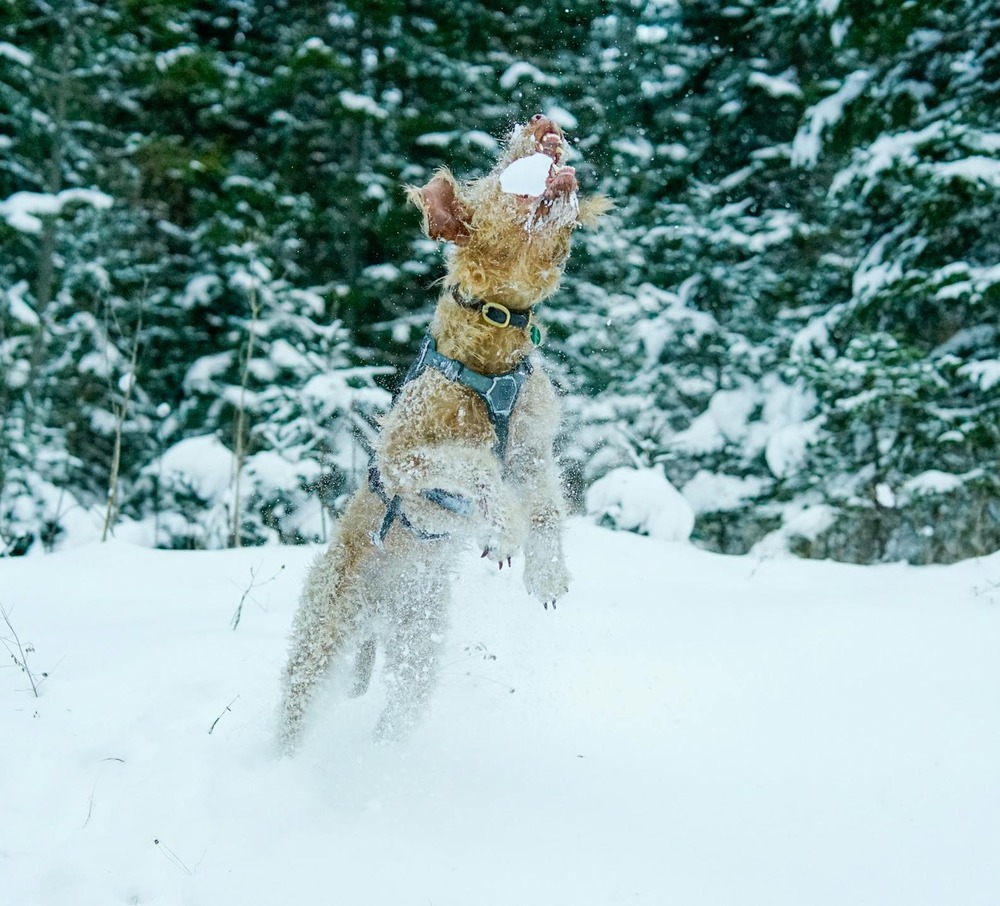
Tenterfield Terriers developed in Australia from small terrier-type dogs that arrived with early European settlers. What those families needed was not a decorative pet, but a capable small dog that could live close to people and tackle rodents around stores, stables, and farms.1, 2
That original purpose is still visible today. Many Tenterfields are quick to notice movement, keen to chase, and happiest when they have a job, even if that “job” is learning a new cue, finding treats in the grass, or coming along on errands. They are built for participation, not for being left out of the day.
In Australia, the breed was accepted as an Australian breed in 2002, and has dedicated breed clubs supporting consistent type and responsible breeding.1
Temperament and everyday suitability
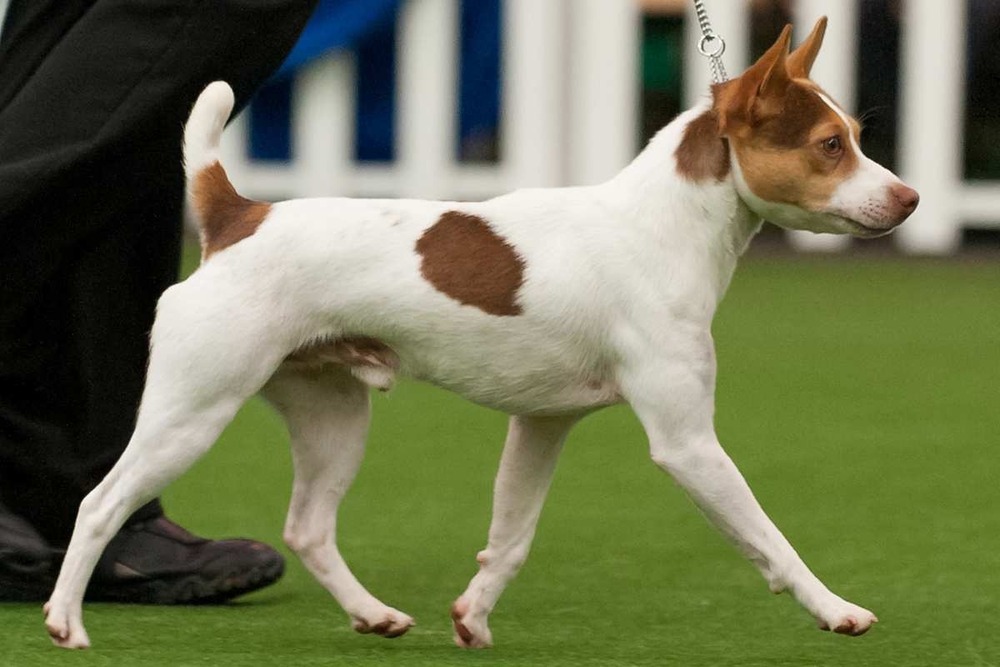
Most Tenterfields are bright, curious, and strongly oriented to what their people are doing. They often enjoy learning, and many will try to “solve” situations with their nose, their eyes, and their feet before they ever consider giving up.
They can suit apartments and smaller homes, but it helps to be realistic about what “small” means. A Tenterfield is not usually a self-exercising dog. If their world is repetitive, they may create their own entertainment, which can look like patrolling the fence line, alert barking, or chasing anything that moves.
With children, the broad rule is the same as with most small terriers: they can be wonderful, but they do best with calm handling and supervision. Teach kids dog manners early, especially around picking up, hugging, and interrupting rest.
With other pets, early introductions matter. Many Tenterfields can live peacefully with other dogs, and some with cats, but their historical “ratting” focus can show up around pocket pets and wildlife. It is not about malice, it is about instinct and rehearsal.
What they look like, and what’s normal for the breed
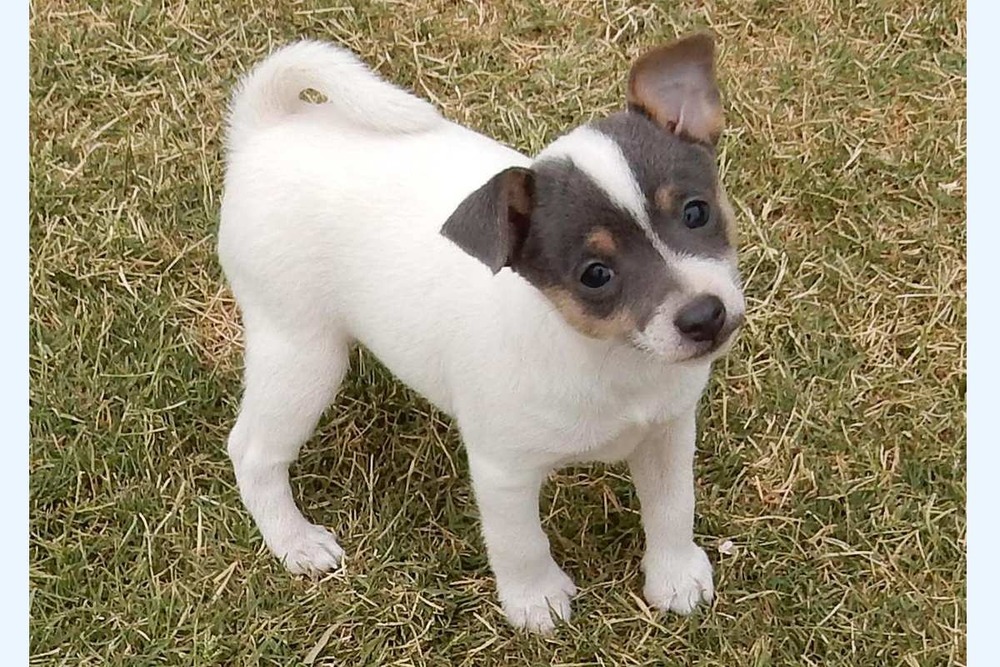
The Tenterfield Terrier is a small, squarely balanced terrier with a short, smooth, single coat. Breed standards describe a height range of roughly 25.5 to 30.5 cm, with weight in proportion to size and overall balance.2
Colour is typically predominantly white with markings in black, tan, blue, or liver. Tri-colouring is common. Full-colour coats are not considered typical for the breed standard.2
Tail length varies, including naturally short “bob” tails in some dogs. You will still see docked tails mentioned historically in breed material, but it is worth remembering that tail docking is restricted or prohibited in many Australian states except under specific circumstances. If tail length matters to you for showing or tradition, speak with Dogs Australia breeders and your local regulations first.2
Training and exercise, making room for a busy mind
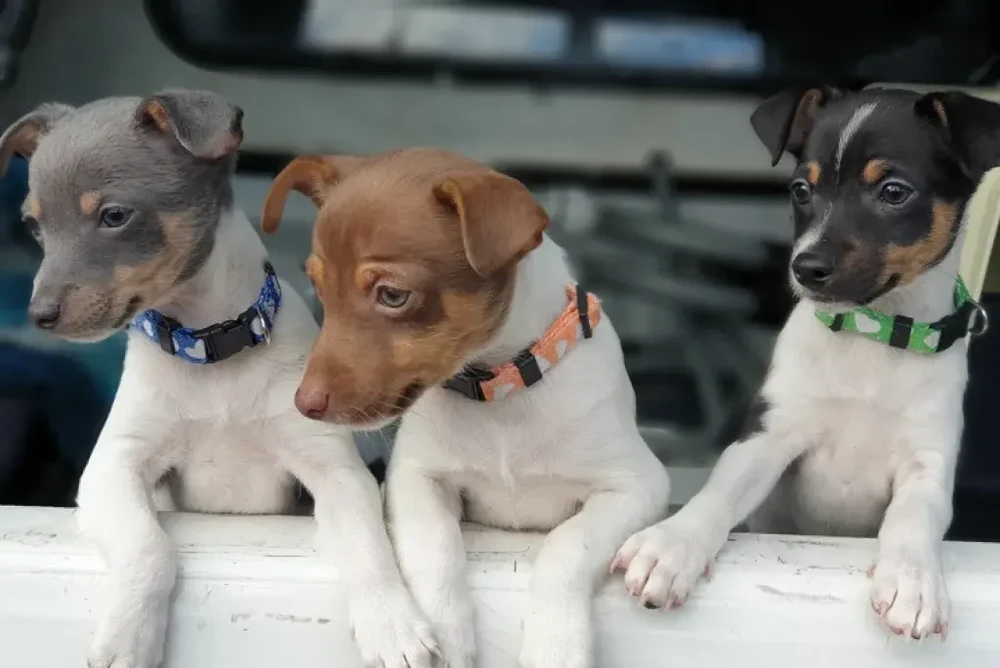
Tenterfields tend to respond best to training that is clear, reward-based, and consistent. In practice, that means you notice and reinforce what you want more of, rather than trying to “out-stern” a clever terrier. Positive reinforcement is the safest baseline, and it is widely recommended by animal welfare and veterinary-aligned organisations.3
Early socialisation helps them learn what is normal: different people, surfaces, sounds, handling, and friendly dogs. The goal is not forced interaction, it is calm exposure that stays within the pup’s comfort level so confidence can grow.4
For exercise, most adults do well with a daily walk plus play, training, or scent games. If you only meet the physical side, some dogs will still look for an outlet. A few minutes of learning, sniffing, and problem-solving can make the rest of the day noticeably easier.
- Short training bursts (one to three minutes) repeated through the day
- Scatter feeding or treat hunts in the yard
- Basic agility-style skills at home (around cones, over low rails)
- Practising calm greetings, rather than letting excitement rehearse itself
Health considerations and sensible preventative care
Tenterfield Terriers are often described as generally healthy and long-lived, but like many small breeds they can be prone to orthopaedic issues, including patellar luxation (kneecap dislocation). It is one of the more common orthopaedic conditions seen in dogs overall, particularly in smaller breeds.5
Patellar luxation can show up as an intermittent skip, a sudden hop on three legs, or stiffness after play. Sometimes it is mild and managed conservatively. Sometimes it needs surgery. What matters is not ignoring the early signs, because long-term misalignment can contribute to discomfort and joint wear.5
Practical preventative care looks ordinary, but it adds up:
- Keep your dog lean, because extra weight can stress small joints.
- Ask your vet about knee checks during routine exams, especially in young dogs.
- Use rugs or runners on slippery floors if your dog scrambles or slides.
- Maintain dental care, parasite prevention, and vaccinations appropriate to your area.
Coat care, grooming, and day-to-day comfort
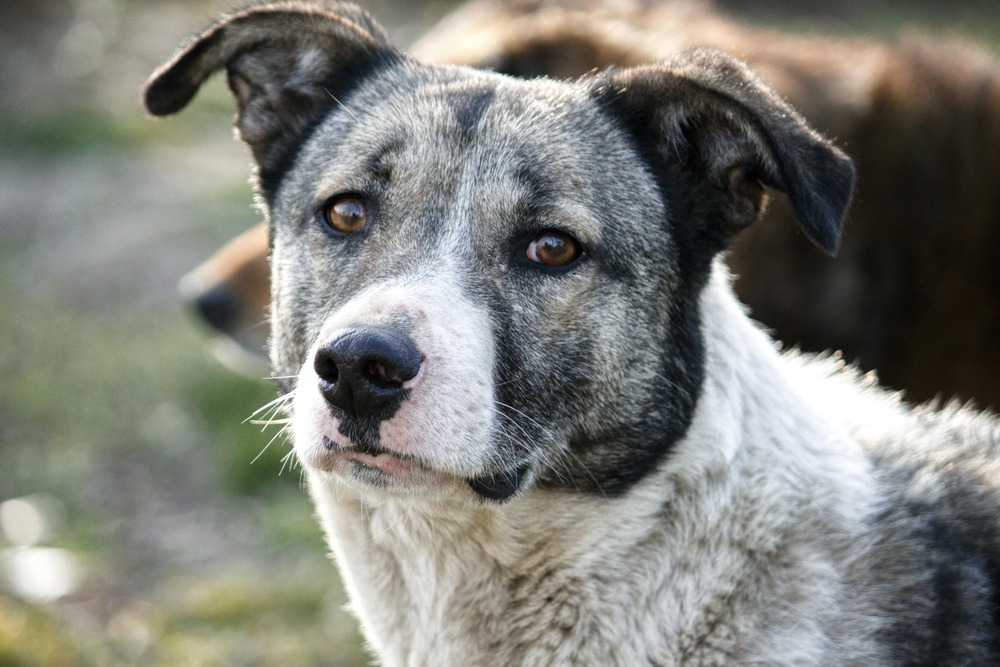
The smooth, single coat is one of the reasons people find Tenterfields so practical. Most do well with an occasional brush to lift loose hair and distribute natural oils. Bathing can be infrequent, and is best kept gentle so you do not dry out the skin.
Because they are lightly coated, some individuals feel the cold. In winter, a well-fitting coat on early morning walks can help, especially for older dogs or those with stiffness.
Routine handling, touching paws, looking in ears, checking teeth, should be taught as a calm habit from puppyhood. It makes vet visits and grooming easier for everyone, and it is also a quiet way to notice small changes before they become bigger issues.4
Feeding well without overthinking it
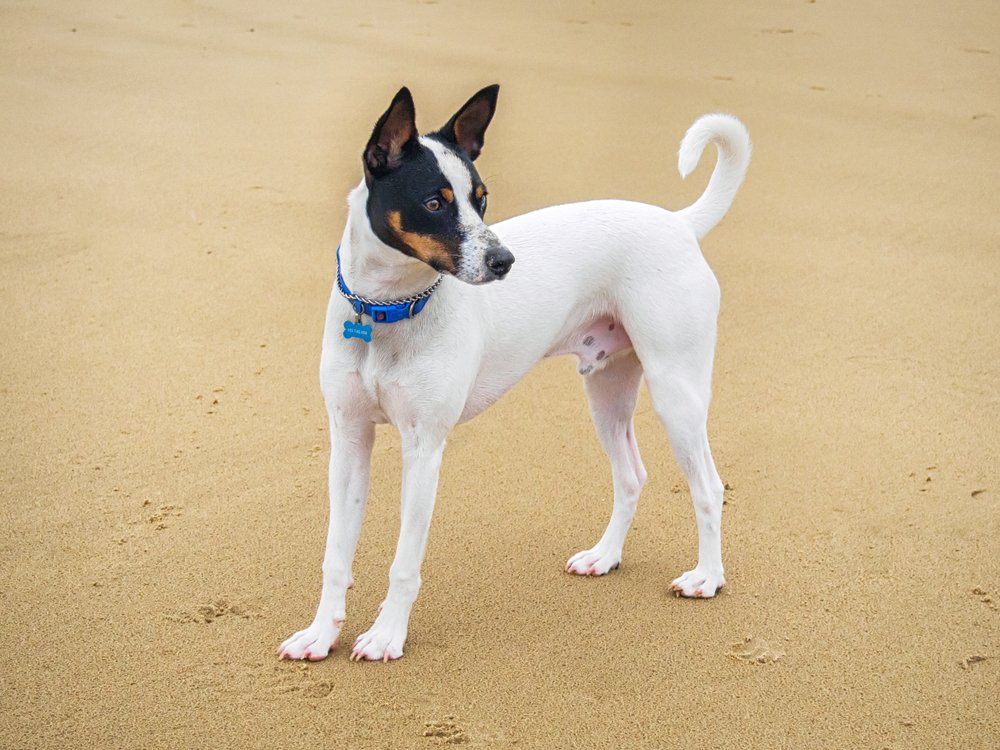
Most Tenterfields do best on a complete and balanced diet matched to their life stage and activity. If you are comparing foods, it helps to look beyond the ingredient list, which can be misleading. Veterinary nutrition groups recommend choosing diets made by companies with appropriate expertise, quality control, and transparent nutritional information.6
Portion sizes matter for a small dog. Weight gain can creep in quickly, and extra kilos are not “just a bit of padding” when the dog has fine joints and a lively jumping style.
It is also worth being conservative with table scraps. Several common human foods can seriously harm dogs, including chocolate, grapes and raisins, xylitol, and cooked bones. If you suspect your dog has eaten something dangerous, contact your vet promptly, or call an animal poisons service for advice.7, 8, 9
Closing thoughts on living with a Tenterfield Terrier
A Tenterfield Terrier can be a deeply satisfying companion for people who enjoy a dog that notices things, learns quickly, and wants to be included. They are small enough to travel easily, yet often hearty enough to join in with a full day, provided their exercise and training are thoughtful and consistent.
The key is to see the breed clearly. Small does not mean simple. When you make room for their instincts, their curiosity, and their need for connection, you often get the best of them: a bright, steady little terrier who fits into family life with surprising grace.
References
- National Tenterfield Terrier Council of Australia, breed information and facts
- Dogs Australia, Tenterfield Terrier breed standard
- RSPCA Pet Insurance, positive reinforcement training overview
- RSPCA Australia, socialising your puppy
- American College of Veterinary Surgeons, patellar luxation (kneecap dislocation) in dogs
- WSAVA Global Nutrition Guidelines
- Agriculture Victoria, human foods to avoid for cats and dogs
- RSPCA Pet Insurance, foods to avoid feeding your dog
- Animal Poisons Helpline, common poisons (including foods) and contact details