

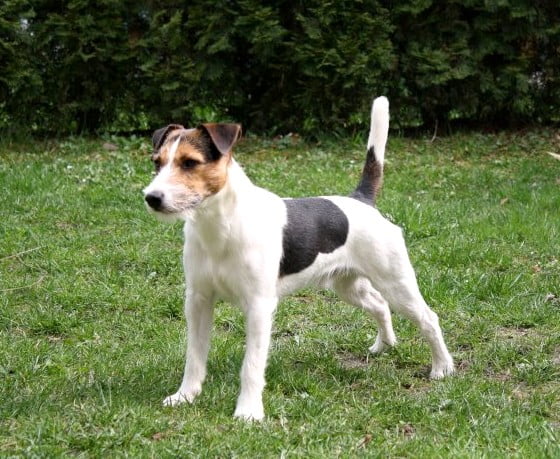
You might notice them on a walk and do a double take: a small white terrier, quick on its feet, scanning the world like it has somewhere important to be. Or you might already live with one and wonder why a dog that fits neatly under your arm can still outlast you on a hike.
The Parson Russell Terrier is often talked about as “high energy”, but that label can be a little too simple. What many people are really seeing is a dog bred for purpose, built to keep up with hounds, think independently, and stay persistent when the job gets difficult. In everyday life, those instincts can look like constant motion, busy barking, or a talent for finding the one weak spot in the fence.
When you understand where that drive comes from, it becomes easier to plan a home routine that suits the dog in front of you, not just the breed description. That matters, because this is a terrier that tends to do best when its brain and body both get a proper outlet.
Quick breed snapshot
Breed category: Terrier
- Origin: England, developed as a working fox terrier associated with Rev John Russell.1
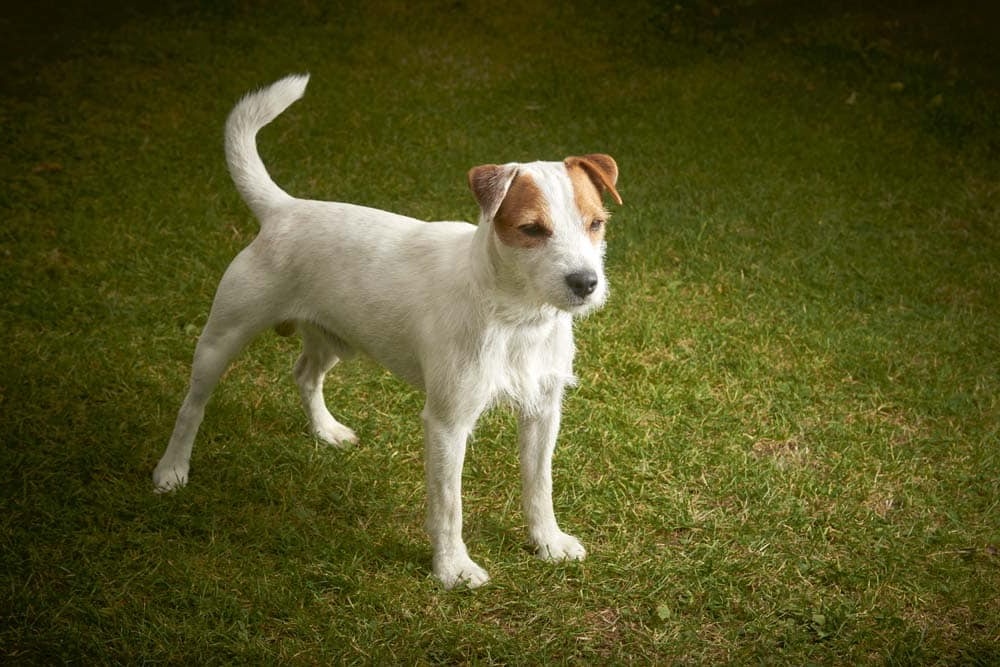
- Size (breed standard): ideal height at withers is 36 cm for dogs and 33 cm for bitches (with balance and working ability prioritised).2, 3
- Coat: smooth or broken, predominantly white with markings (varies by standard wording).2, 3
- Typical lifespan: often over 12 years, with many living well into the teens with good care.1
- Day to day needs: generally suits owners who enjoy training, structured play, and regular exercise.4
Where the Parson Russell Terrier comes from

The Parson Russell Terrier’s story is tightly linked to working terriers used in hunting country. Breed histories often highlight Rev John Russell and the type of terrier he valued: athletic enough to travel with hounds, and practical enough to work close to the ground.1, 3
That working background still shows up in modern homes. Many Parsons have a strong interest in scent, movement, and small animals, and they often enjoy tasks that involve searching, chasing a toy, or navigating obstacles. None of this makes them “naughty” by default, but it does mean that unstimulated Parsons can get inventive in ways their people do not always appreciate.
Temperament in real homes
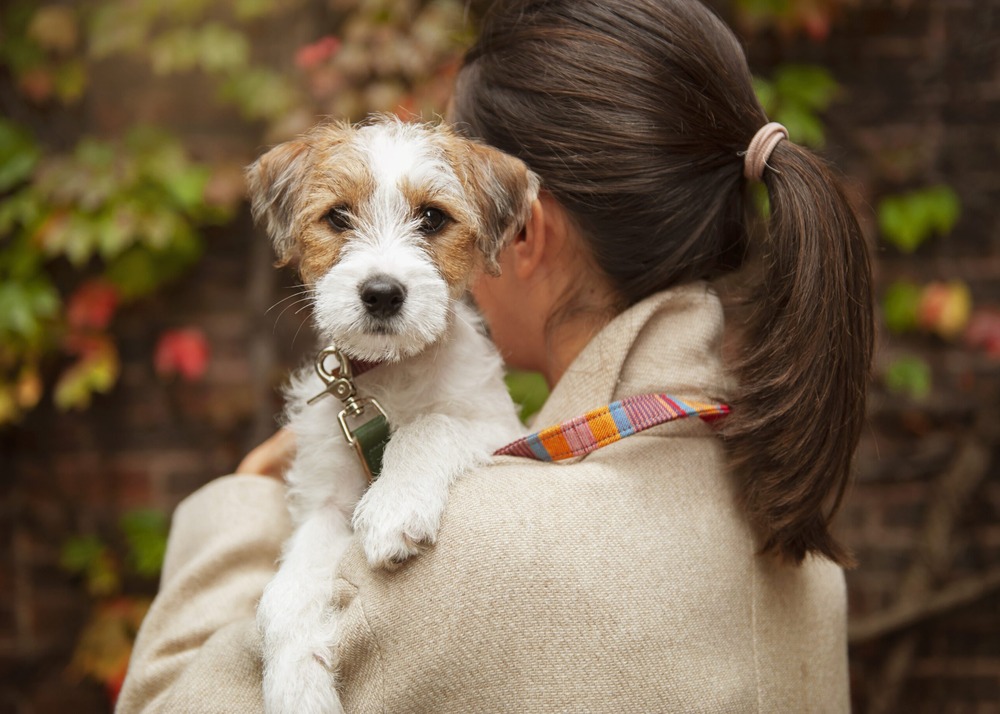
Most people are drawn to the Parson Russell Terrier for the same reasons they sometimes struggle with one: quick thinking and persistence. They are typically bright, active, and responsive, especially when the activity feels like a game rather than a lecture.4
It also helps to expect a bit of independence. Terriers were bred to work with initiative, and that can translate to a dog that tests boundaries, finds shortcuts, or decides that yesterday’s recall rules are optional if something more interesting is happening.
Barking can be part of the picture. Sometimes it is alerting, sometimes it is frustration, and sometimes it is simply a habit that has been reinforced over time. Rather than aiming for a silent dog, it is usually more realistic to focus on teaching a settle cue, rewarding calm behaviour, and managing the environment so the dog is not constantly “on duty”.
Children, visitors, and household dynamics
Parsons can do well in families, but the match matters. Their speed, enthusiasm, and grabby play style can overwhelm very young children, and some dogs will not enjoy being hugged, climbed on, or crowded.
For introductions and day to day safety, follow the same principles animal welfare organisations keep repeating because they work in real life: keep greetings calm, let the dog choose to approach, watch for early stress signals, and supervise closely so you can step in early rather than late.5, 6, 7
Training and exercise that actually helps
The goal with a Parson is not just “more exercise”. Many of them can do a long walk and still come home ready to redecorate the house, because what they needed was a mix of movement and problem solving.
Training tends to go best when it is clear, consistent, and rewarding. Short sessions, repeated often, usually land better than one long session that becomes frustrating for both of you. If you are using food rewards, keep them small and count them as part of the day’s intake.
Practical outlets that suit many Parsons include:
- Sniffing games (scattering kibble in grass, hide and seek with toys)
- Tug and retrieve with rules (start and stop cues, drop cue)
- Agility style obstacles at home (low jumps, weaving around cones)
- Structured social time, rather than chaotic dog park sessions
For some dogs, a secure yard helps, but it is not a guarantee. Many terriers will patrol the fence line, react to passers-by, or practice their digging. Think of outdoor space as one piece of management, not the whole solution.
Health considerations to keep in mind

Parson Russell Terriers are often described as hardy, and many are. Still, like any breed, they can be predisposed to particular issues, and it is worth being familiar with the ones that owners and vets see most often.
Patellar luxation (kneecap dislocation)
Patellar luxation is a common orthopaedic condition in dogs, particularly smaller breeds. It can show up as an intermittent “skip” on a back leg, stiffness after rest, or changes in gait that come and go. Diagnosis is typically made on examination, sometimes supported by imaging, and management ranges from monitoring and physiotherapy to surgery in more severe cases.8
If you are choosing a puppy, ask what health screening is done in the breeding lines. If you already have a dog, consider booking a vet check if you notice recurring hind leg skipping or reluctance to jump.
Eye issues in terriers
Some terrier lines can be affected by inherited eye conditions. The specifics vary by lineage and country, but the practical takeaway is simple: keep up with routine vet checks, and do not ignore changes like cloudiness, squinting, redness, or bumping into objects in familiar spaces.9
Grooming, coat care, and comfort
The Parson’s coat is generally manageable, but “low grooming” is not the same as “no grooming”. A quick brush once or twice a week helps lift dirt, reduce loose hair, and gives you a chance to notice skin irritation or new lumps.
For broken coats, some owners choose hand-stripping to maintain texture. Others keep things simple with occasional tidying. Your groomer can talk you through options that suit the dog’s coat and your tolerance for maintenance.
Also keep the basics steady: nails trimmed, ears checked, teeth cared for. Small dogs can be prone to dental disease, and daily brushing makes a bigger difference than many people expect.10
Living well with a Parson Russell Terrier
In the right home, a Parson Russell Terrier can be a genuinely enjoyable companion: lively, capable, and engaged with the world. They often suit people who like routine with variety, training with play, and a dog that notices everything.
If there is one theme that tends to keep Parsons easier to live with, it is this: channel the terrier brain before it channels itself. When their days include purposeful movement, sniffing, and small training wins, many of the “problem behaviours” settle into something far more manageable.
References
- The Kennel Club: Parson Russell Terrier (breed information)
- Dogs Australia: Parson Russell Terrier breed standard
- The Kennel Club: Parson Russell Terrier breed standard
- PetGov: Parson Russell Terrier (breed characteristics and care overview)
- RSPCA Knowledgebase: Introducing a new dog or puppy to children
- RSPCA Australia: Pets and kids
- RSPCA South Australia: Dog adoption handbook, making introductions
- American College of Veterinary Surgeons: Patellar luxation (kneecap dislocation)
- British Veterinary Association: Inherited eye disease (overview)
- WSAVA: Global Dental Guidelines