

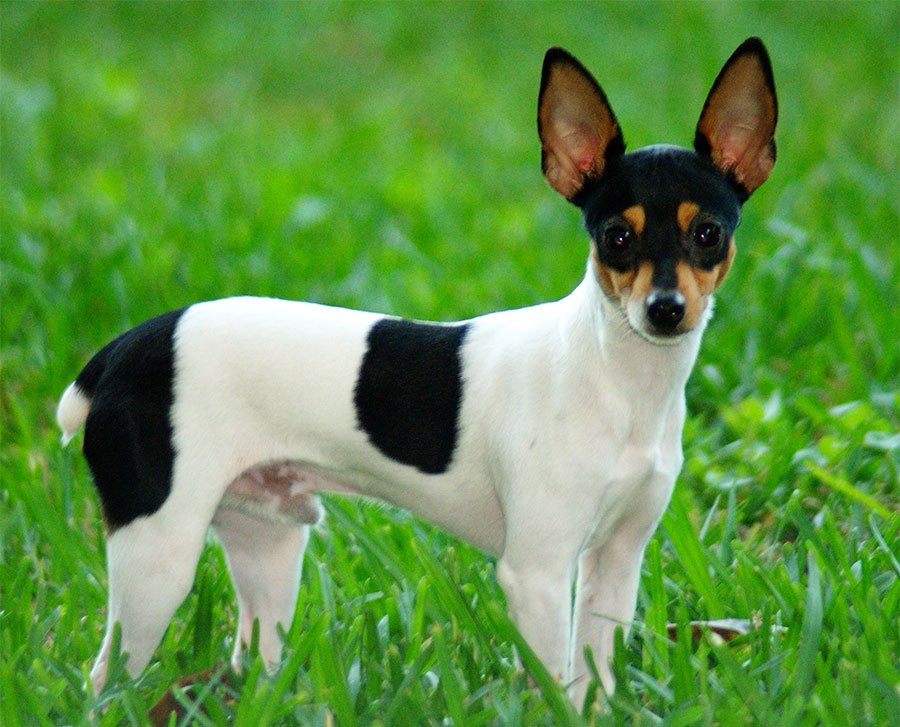
You usually notice a Toy Fox Terrier before you know what it is. A small, fine-boned dog with bright, upright ears, moving like it has somewhere important to be. In the park they can look like a pocket-sized athlete, and at home they often turn out to be surprisingly vigilant about sounds in the corridor, or movement at the window.
It is easy to assume “toy” means delicate, low energy, and happy to be carried. With this breed, that is only partly true. A Toy Fox Terrier can be an excellent apartment companion, but it tends to do best when its brain and body both get a little purposeful work each day, even if that work is just training games and a brisk walk.
If you are trying to work out whether this is the right dog for your household, it helps to look past size and into the mix of terrier traits and toy-dog practicality that shaped the breed in the first place.
At a glance
Breed group: Toy (AKC classification).1
Origin: United States.2
Typical height: around 22 to 29 cm at the withers (8.5 to 11.5 inches).3
Typical weight: commonly 2 to 3 kg (4 to 7 pounds).3, 4
Life expectancy: often 13 to 15 years.5
Coat: short, smooth, relatively low grooming needs.5
History and origin
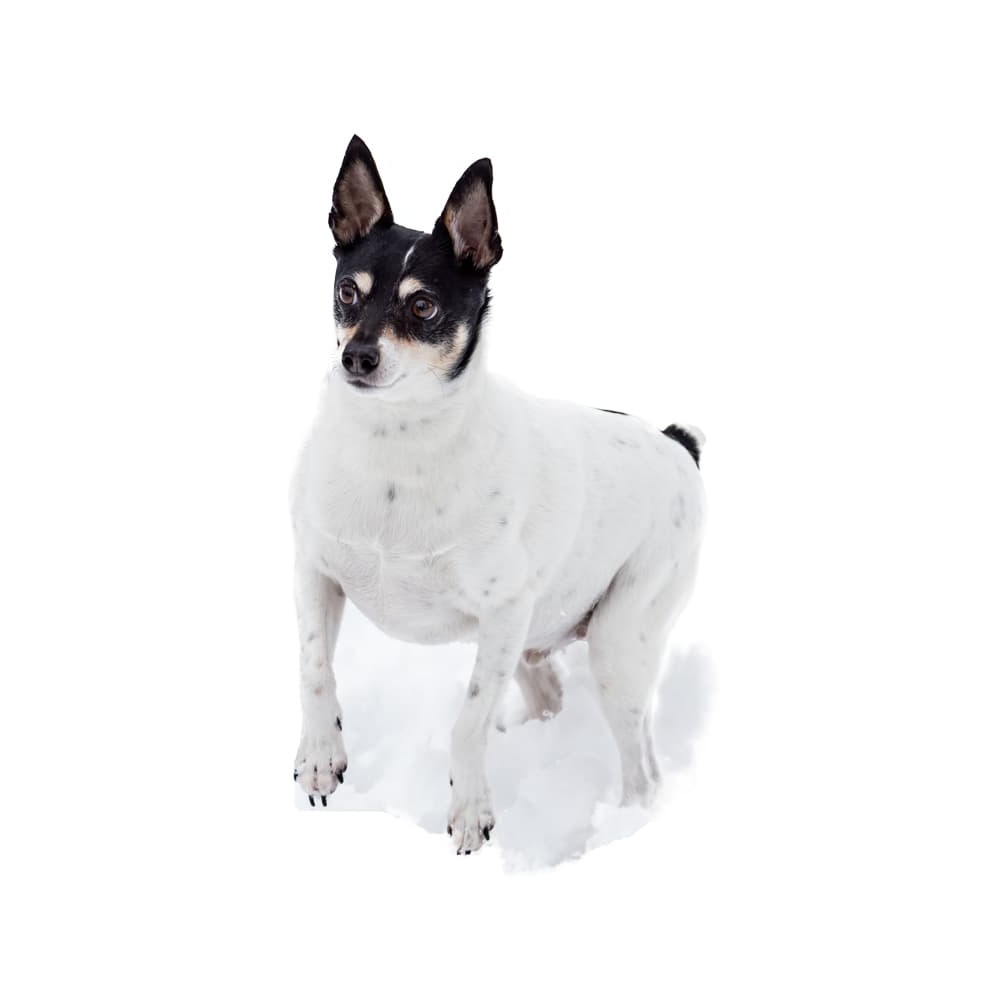
The Toy Fox Terrier developed in the United States from the Smooth Fox Terrier, with breeders selecting for a smaller size while keeping the classic terrier sharpness and athleticism.2 Over time, other toy breeds were introduced into the mix, helping create a compact dog that could still move fast and think quickly.3, 5
Early on, these dogs were valued for practical work, especially vermin control around farms, as well as companionship. That dual purpose still shows. Many Toy Fox Terriers enjoy being near their people, but they also like having a “job”, even if it is learning tricks, running an agility sequence, or searching out treats in the grass.2, 5
The breed was recognised by the American Kennel Club in 2003.2, 5
Physical characteristics that matter day to day
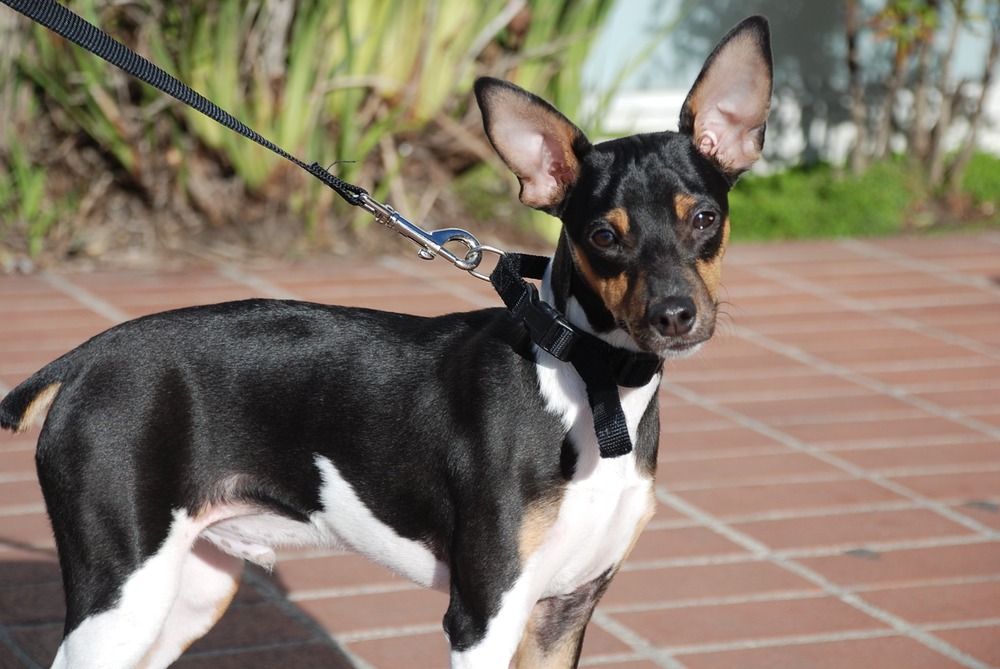
On paper, the Toy Fox Terrier sits in a narrow size range, but in real life what you notice is the combination of fine structure and confidence. They are small enough to suit compact living, yet built to spring, turn, and accelerate with ease.3
The coat is short and smooth, which usually means easy coat care, but it also means less insulation. In cooler weather, many do better with a warm indoor resting spot, and sometimes a coat for winter walks, depending on the dog and the climate.5
Colour is typically white with black, tan, or chocolate markings, often in bicolour or tricolour patterns.3
Temperament and behaviour
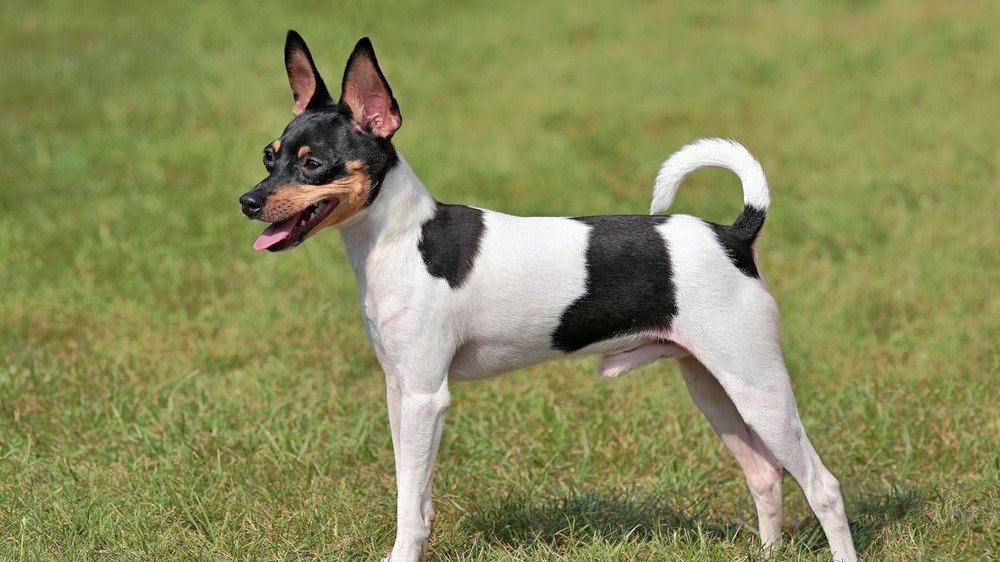
Toy Fox Terriers are often described as lively, bright, and people-oriented. They tend to learn quickly, and many enjoy the back-and-forth of training because it feels like a shared activity, not just “obedience”.5
They can also be quite alert. In practice, that means you may see watchdog barking, especially if the dog is under-exercised, startled by corridor noise, or unsure about visitors. This is not a flaw so much as a trait that benefits from steady handling, calm routines, and teaching an alternative behaviour (for example, “go to mat”, then reward quiet).5
With children, the fit often depends less on the dog and more on the child. Because they are small, Toy Fox Terriers typically do best with older children who can read a dog’s signals, handle gently, and give space when the dog wants to rest.5
With other pets, early socialisation helps, but it is wise to remember the terrier background. Some individuals show a stronger chase response around small animals, so introductions should be managed thoughtfully, especially with pocket pets.5
Training and exercise
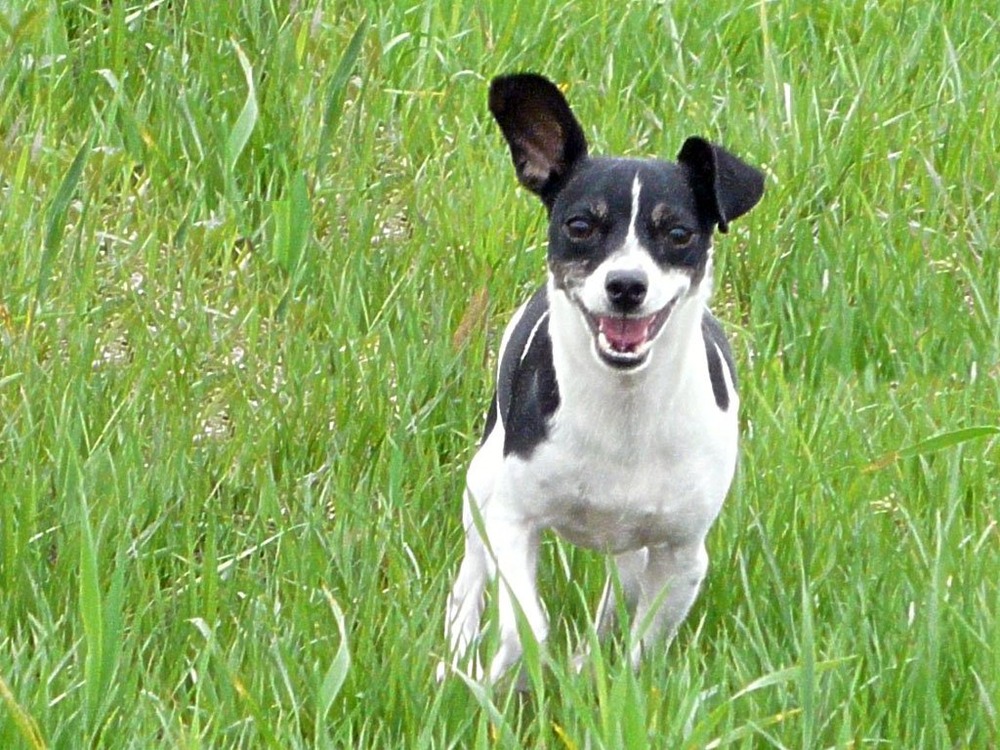
Most Toy Fox Terriers respond well to reward-based training. Short, upbeat sessions suit them best, particularly when the reward is something the dog truly values, such as a small treat, a quick tug game, or a chance to chase a thrown toy.5
Early socialisation matters, but it is worth thinking of it as “skill building” rather than forced friendliness. Gentle exposure to surfaces, sounds, visitors, handling, and car trips tends to produce a dog that copes better when life inevitably gets a bit messy.
For exercise, many do well with a daily walk plus play, and they often enjoy activities that use their brain, such as:
- scatter-feeding in the yard or on a snuffle mat
- short trick-training sessions
- beginner agility foundations (low impact and age appropriate)
- toy games with rules (start, stop, swap)
If you are seeing restlessness, sharp barking, or over-excitement indoors, it is often a sign the dog needs more structured outlets, not necessarily more “free play”.
Health considerations and lifespan
Many Toy Fox Terriers live into their teens, with a commonly cited lifespan of around 13 to 15 years.5 As with many small breeds, there are a few health issues worth understanding before you commit.
Patellar luxation (a kneecap that slips out of its normal groove) is common across small and miniature dogs. Signs can include intermittent skipping on a back leg or shifting lameness. Mild cases may be managed conservatively, while more significant cases can require surgical correction, so it is something to discuss with your vet if you notice symptoms.6
Another condition often discussed in toy breeds is Legg-Calve-Perthes disease, a problem affecting the hip joint that can lead to pain and lameness in young dogs. Diagnosis and treatment planning should be guided by a veterinarian, usually with imaging and an orthopaedic assessment.7
Because they are small, keeping them lean is one of the most practical health protections you can provide. A healthy body condition reduces strain on joints and can make everyday movement more comfortable over the long term.8
Grooming and everyday maintenance
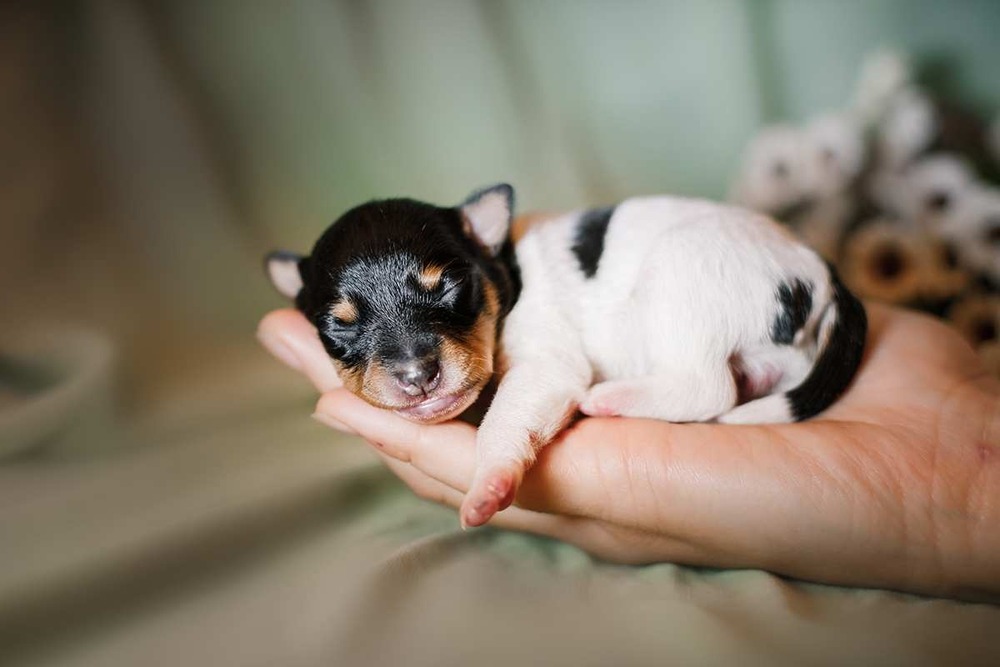
The coat is typically straightforward: occasional brushing to remove loose hair and keep the skin in good order, plus baths only as needed.5 The bigger “maintenance” tasks tend to be the small-dog basics that are easy to overlook.
Pay special attention to:
- dental care, including regular tooth brushing, because small dogs are often prone to dental disease over time9
- nail trims, as long nails can change gait and affect comfort
- ear checks, particularly if the dog is prone to wax build-up or irritation
Diet and nutrition
A high-quality, complete diet formulated for small dogs usually meets the needs of a Toy Fox Terrier, but the details matter. Small dogs can gain weight quickly, and “just a few extra snacks” can add up over weeks rather than days.
If you use treats for training, it can help to set aside part of the daily food allowance, or choose very small, soft treats. The goal is lots of rewards without drifting into over-feeding.
It is also worth being clear about household hazards. Some common foods are toxic to dogs, including chocolate, grapes and raisins, and onions and garlic. If you suspect ingestion, contact your vet promptly.10
Living with a Toy Fox Terrier
The Toy Fox Terrier often suits people who like a dog that is engaged and responsive, but not physically demanding in the way a larger sporting breed can be. They can do well in apartments when their daily routine includes outdoor time, training, and a bit of mental work.
They are not always the best match for households that want a very quiet dog, or for situations where the dog will be left without meaningful activity for long stretches. When their needs are met, though, many settle into a pleasant rhythm: energetic in short bursts, then content to curl up close by.
References
- American Kennel Club (AKC): Toy Fox Terrier breed information
- American Kennel Club (AKC): Toy Fox Terrier history
- Purina: Toy Fox Terrier breed profile (height, weight, coat, colours)
- American Kennel Club (AKC): Breed weight chart (Toy Fox Terrier)
- The Spruce Pets: Toy Fox Terrier characteristics and care
- Merck Veterinary Manual: Patellar luxation in dogs and cats
- VCA Animal Hospitals: Legg-Calve-Perthes disease in dogs
- WSAVA: Global Nutrition Guidelines
- American Veterinary Medical Association (AVMA): Pet dental care
- ASPCA Animal Poison Control: People foods to avoid feeding pets