

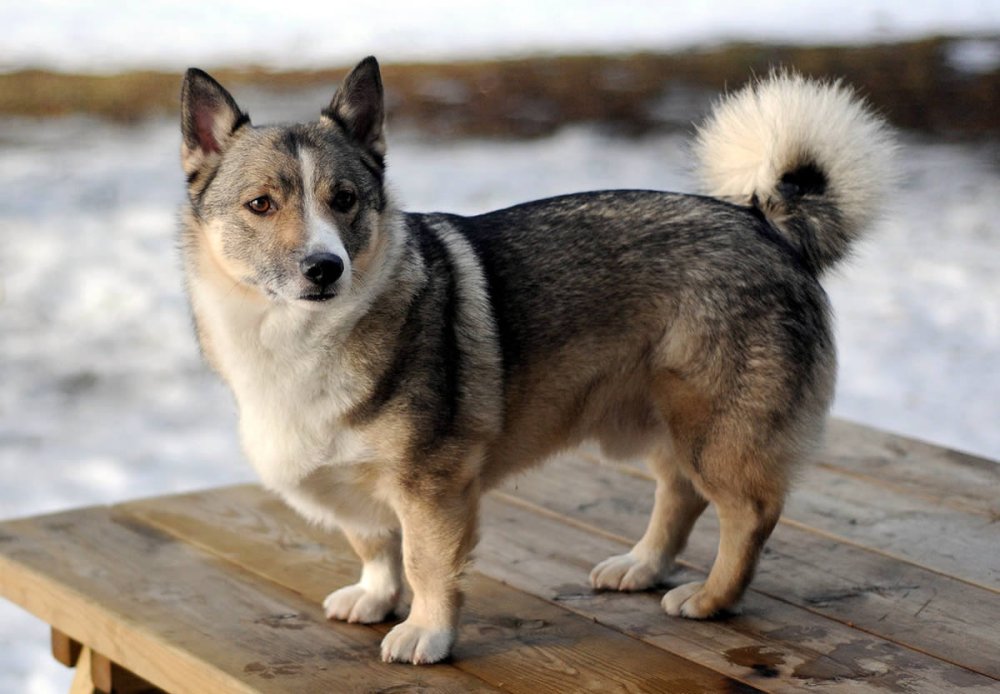
Most people first notice the Västgötaspets because something does not quite add up. A small, low dog walks past with a confident, workmanlike stride, ears pricked, coat built for weather, and a voice that suggests it has opinions about what is happening in the street.
It is easy to assume a compact dog is a “carry-around” companion. With the Swedish Vallhund, that assumption quickly feels incomplete. Under the handy size is a herding dog with quick responses, a sharp brain, and a real need for purpose, even if that purpose is simply learning skills and moving its body every day.
If you are weighing up whether this breed suits your home, it helps to look past the cute outline and into what the dog was made for: steady work, clear communication, and plenty of activity.
- Breed category: Herding (AKC), Nordic watchdogs and herders (FCI)
- Country of origin: Sweden
- Typical height: about 30 to 35 cm at the shoulder
- Typical weight: about 9 to 14 kg
- Typical lifespan: around 12 to 15 years
- Coat: dense, weather-resistant double coat
- Exercise needs: high, daily movement and mental work
- Grooming: moderate, regular brushing
Where the breed comes from, and what it was bred to do
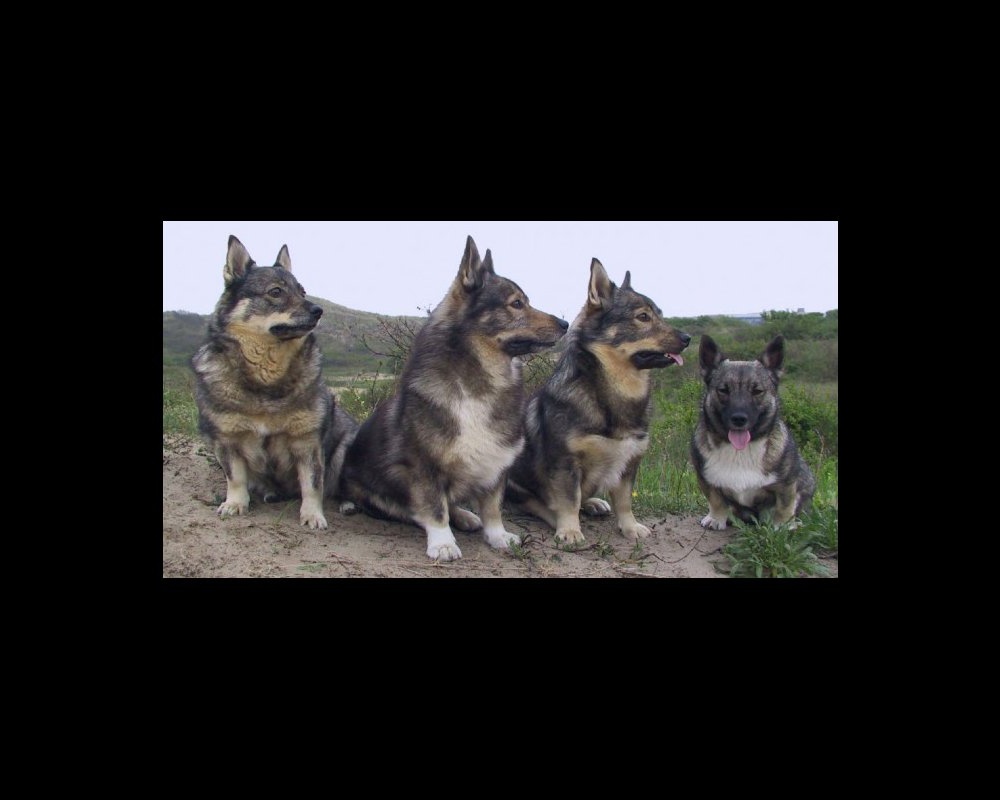
The Västgötaspets (often called the Swedish Vallhund) is a Swedish farm and cattle-herding breed, traditionally used to move livestock and act as a watchful all-rounder on rural properties.1, 2 Even today, many Vallhunds carry that “small dog, big job” outlook into suburban life.
You will sometimes hear the breed linked to the Viking era. That long history is part of the lore, but the most reliable detail is that the breed became rare enough in the early 1940s that its survival was in question, and then it was deliberately rebuilt from remaining local dogs.3, 4 That matters because it explains why modern Vallhunds can be both hardy and intensely alert.
A near-loss, and a careful revival
Accounts of the revival consistently point to Count Björn von Rosen and K. G. Zettersten as key figures who helped locate typical dogs, promote interest, and support a breeding program at a time when numbers were very low.3, 4 The Swedish Kennel Club formally recognised the breed in the 1940s, and international recognition followed later, including AKC registration eligibility in 2007.5, 6
Appearance, movement, and the traits people notice first
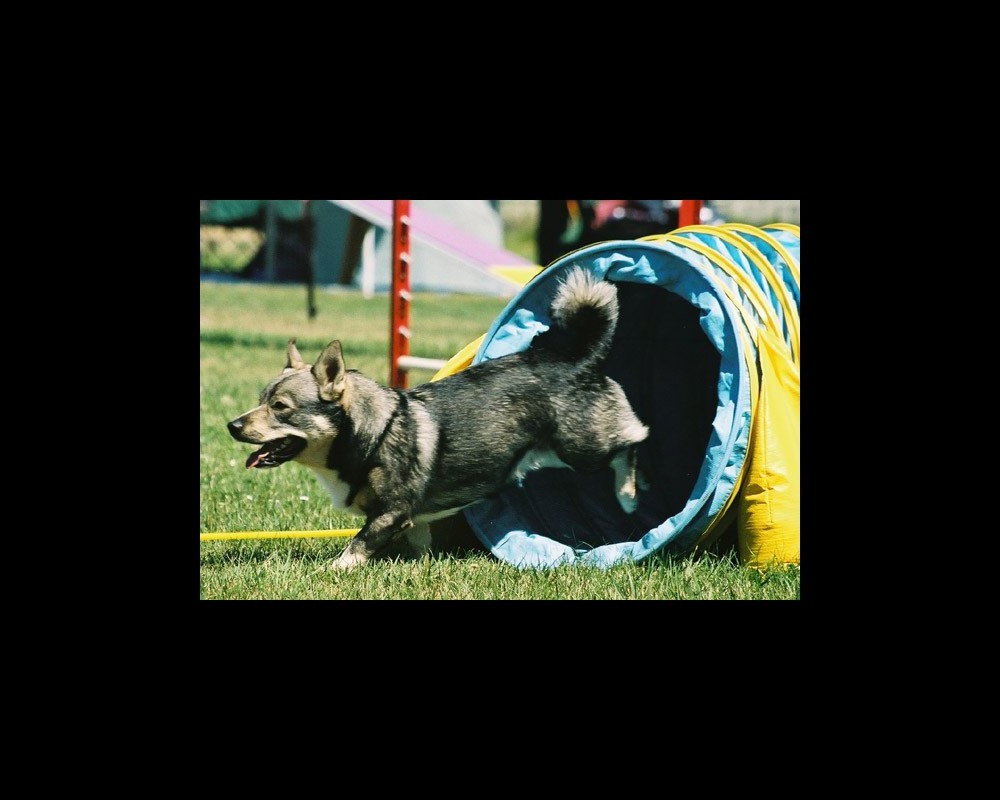
The Vallhund’s shape is part of its working design: a long body on shorter legs, with a stable frame built for quick turns around stock. Many have a naturally short tail or no tail, while others have a full tail, and both occur within the breed standard depending on the registry and line.1, 2
The coat is a practical double coat, dense and protective rather than fluffy for its own sake. You can expect a weather-ready dog that sheds, especially seasonally, and benefits from brushing that keeps the undercoat from building up.2
What surprises some owners is how athletic this “short-legged” dog can be. A well-conditioned Vallhund typically moves with purpose and stamina, and will happily take on walking, hiking, and dog sports, provided joints and fitness are managed sensibly.1
Temperament and what “herding dog” looks like in a home
The Vallhund is often described as bright, biddable, and very aware of its environment. In practice that can be lovely, because the dog notices your routines quickly, learns patterns, and enjoys training. It can also be a bit confronting if you expected a quiet, low-key companion.
Many Vallhunds are naturally vocal. Barking is not “bad behaviour” in itself, it is frequently part of how a watchful herding breed manages the world. The useful goal is teaching a settle cue, rewarding calm, and giving the dog enough physical work and brain work that it is not inventing its own jobs.1
Children, visitors, and other pets
With children, the best outcomes usually come from two things: supervision and teaching everyone how to interact safely. Herding breeds may try to control movement, which can show up as circling, shadowing, and sometimes nipping at heels if arousal runs high. Early guidance and structured play help the dog learn what is appropriate.
With other pets, Vallhunds can do well when introduced carefully and given clear boundaries. As with most dogs, early socialisation and ongoing management make far more difference than labels like “good with other pets”.
Training and exercise, turning energy into good habits
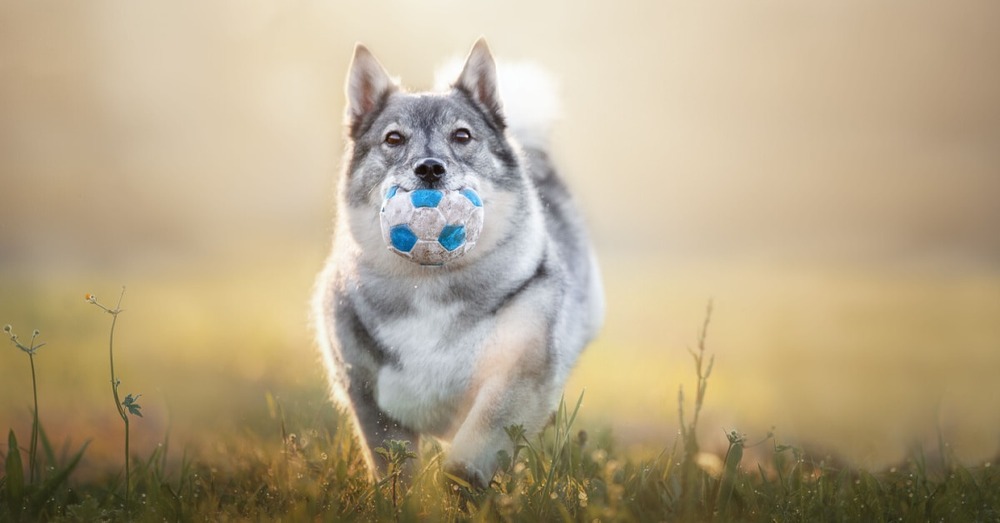
Training tends to go smoothly when it is consistent, reward-based, and built into normal life. Vallhunds often enjoy short, frequent sessions that feel like a game, especially when you rotate between skills, nosework, and movement.
A helpful way to think about exercise is that the breed usually needs both: daily physical activity and daily mental work. A brisk walk alone may not be enough, particularly for young adults.
- Physical outlets: brisk walks, hiking, off-lead running where safe, structured tug and retrieve
- Brain work: scent games, trick training, obedience foundations, food puzzles
- Dog sports that often suit: agility, rally, obedience, herding activities (where available)
If barking, restlessness, or pestering behaviours are building, it is often a sign the dog’s needs are not being met, not that the dog is “being difficult”. The adjustment is usually practical: more enrichment, clearer routines, and reinforcement of calm behaviours.
Health considerations, what to watch for over a lifetime
Most Vallhunds are robust, but like many purebred dogs they can be predisposed to certain inherited conditions. Commonly discussed issues include hip dysplasia and eye disease, which is why health testing in breeding stock and regular veterinary checks matter.7, 8
When you are choosing a puppy, it is reasonable to ask what screening has been done and to request documentation. When you already own an adult, it is worth asking your vet what to monitor as the dog ages, particularly mobility, eyes, and weight, because extra weight increases joint strain in any long-bodied dog.
In hot weather, pay attention to heat stress. A double coat is protective, but it does not make a dog “heatproof”. Plan exercise for cooler parts of the day, prioritise shade and water, and learn the early signs of overheating.9
Coat care, grooming, and everyday maintenance
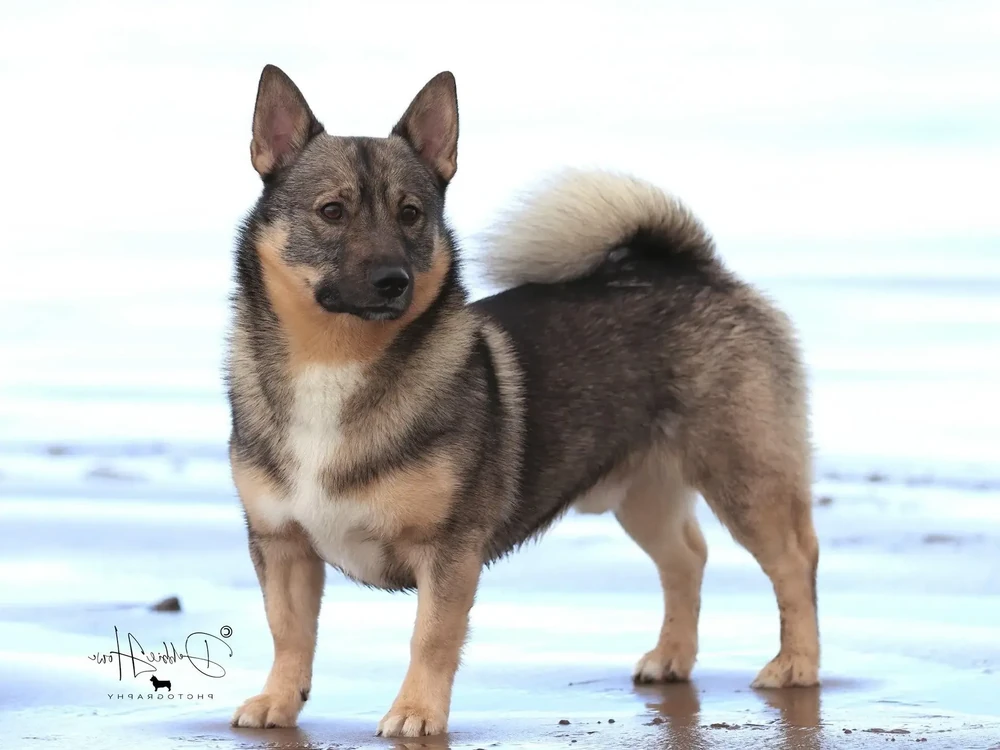
The Vallhund coat is designed to be practical. Regular brushing helps reduce loose hair around the house and keeps the undercoat moving along, especially during seasonal “blow” periods. A simple routine is usually enough, with more frequent brushing when shedding lifts.
Bathing is best kept occasional. Over-washing can dry the skin and coat. Nails, teeth, and ears matter just as much as coat, and many owners find that a brief weekly “maintenance check” prevents problems from sneaking up.
If you are managing heavy shedding, aim for brushing before bathing and using a brush suited to a double coat. Your groomer or veterinary clinic can also help you choose tools that do not damage coat or irritate skin.10
Living with a Vallhund in an Australian context
In Australia, the breed can fit suburban life well if its working needs are respected. A Vallhund does not require a farm, but it typically does require a plan. Without one, the dog may try to “run the household” through barking, hovering, and constant involvement.
Apartment living can work for some individuals, but only when the dog’s day includes reliable exercise, enrichment, and opportunities to decompress. Noise management matters in close housing, so prioritising calm training early can make a real difference to long-term harmony.
Final thoughts
The Västgötaspets is small, clever, and built for action. For the right household, that combination feels like a gift, because you get a companion that wants to learn, move, and take part.
If you want a dog that is content with brief walks and long naps, this may not be your match. If you like training, you enjoy an alert personality, and you can offer steady daily outlets, a Vallhund can be deeply rewarding, not because it is easy, but because it is engaged.
References
- American Kennel Club (AKC): Swedish Vallhund
- Federation Cynologique Internationale (FCI): Västgötaspets (Swedish Vallhund)
- Swedish Vallhund Society (UK): A Swedish Vallhund History (Chris Millard)
- Swedish Vallhund Club of America: Breed History
- AKC Press Release: Swedish Vallhund Eligible for AKC Registration (March 1, 2007)
- AKC: Breeds by Year Recognized
- Orthopedic Foundation for Animals (OFA): CHIC program, Swedish Vallhund
- Orthopedic Foundation for Animals (OFA): Eye Disease Information
- RSPCA Australia: Signs of heat stress in dogs
- RSPCA Australia: How do I groom my dog?