

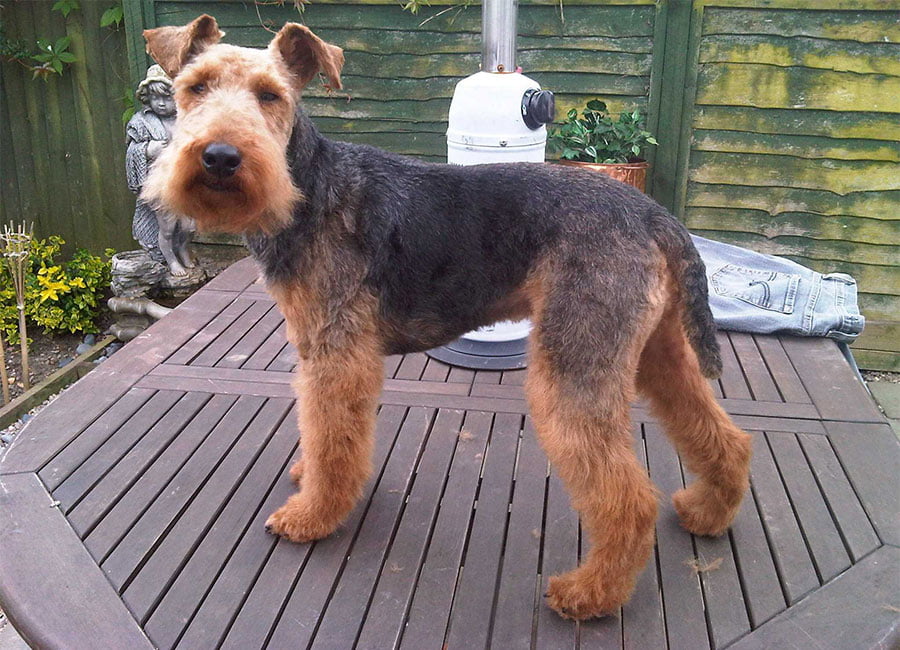
People often first notice a Welsh Terrier in a photo and think, “That looks like a small Airedale,” or they meet one at the park and clock the bright, wiry coat and the tidy beard. Then the questions start: are they “easy” like some small companion breeds, or are they terrier through and through?
The honest answer is that Welsh Terriers can feel quite straightforward in the day to day once you understand what motivates them. They tend to be clever, lively, and keen to join in, but they were built for purposeful work, not just pottering around the house. In practice, that shows up in their need for activity, training that stays interesting, and coat care that is more specialised than it looks.
If you are considering life with a Welsh Terrier, it helps to set aside the idea that all terriers are interchangeable. This breed has its own rhythm: steady confidence, quick reactions, and a real talent for finding “jobs” if you do not provide them.
- Breed category: Terrier
- Country of origin: Wales
- Typical height: up to 39 cm at the shoulder
- Typical weight: about 9 to 9.5 kg
- Typical lifespan: 12 to 15 years
- Coat: wiry, hard, close, and abundant
- Colour: black and tan, or black grizzle and tan
- Energy level: high
- Grooming: regular brushing plus trimming or hand-stripping
History and origin
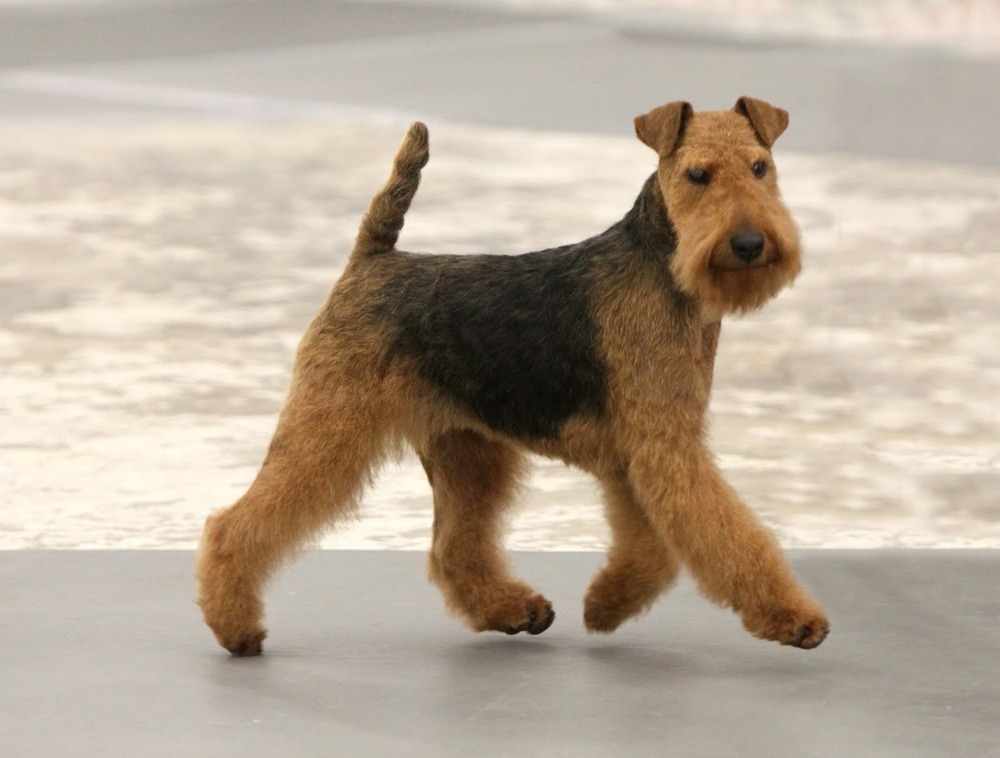
The Welsh Terrier comes from Wales and developed as a practical hunting and farm terrier. These were dogs expected to cope with rough ground, push into dense cover, and stay effective around other working dogs and people. That background still matters because it shaped the modern Welsh Terrier’s busy, capable temperament and their willingness to engage with the world, nose first.1, 2
Historically, Welsh Terriers were used to hunt and bolt quarry such as fox, otter, and badger, and to control vermin on farms. You will still see echoes of that job description in many individuals: persistence, a strong chase instinct, and a certain confidence about getting involved.1, 2
In the late 1800s, the breed became more formalised within the dog world. Breed club activity and written standards helped keep a consistent “type”, including the familiar black and tan jacket and the neat, rectangular outline created by correct coat texture and grooming.3
Physical characteristics
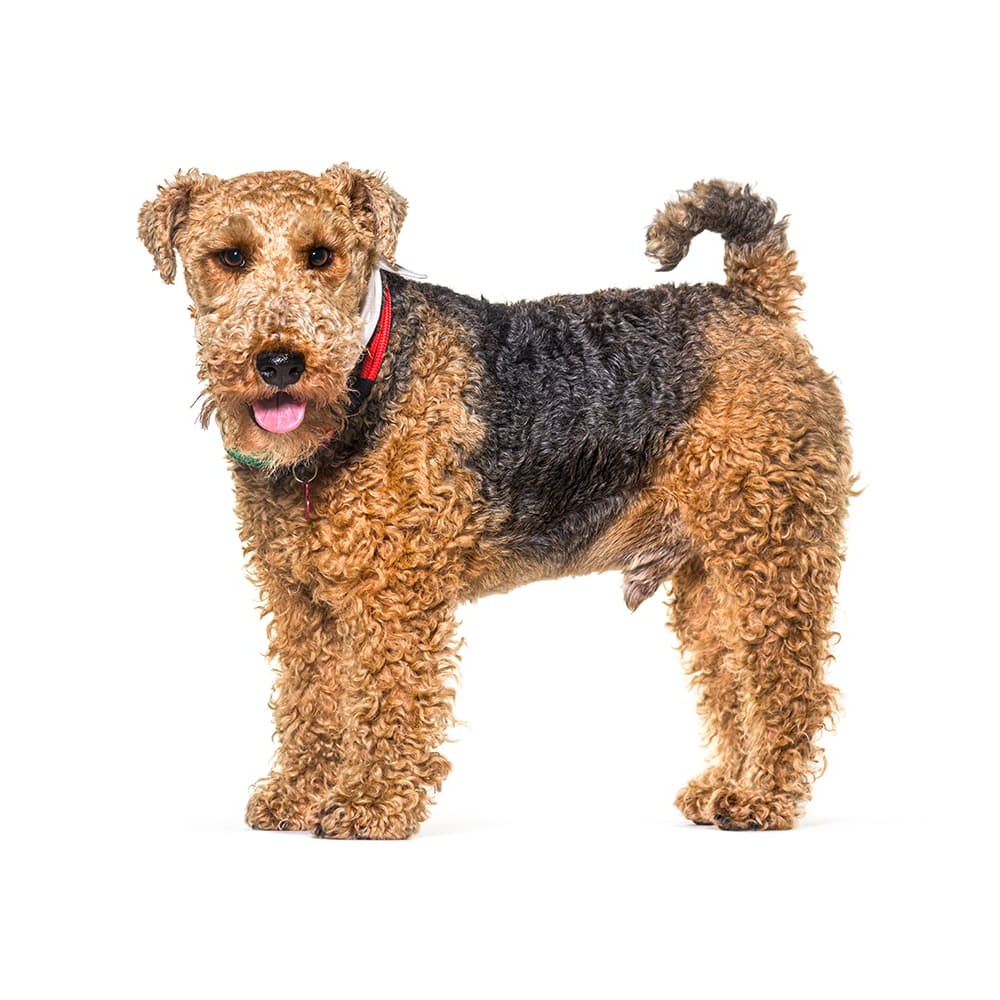
A Welsh Terrier is small but not delicate. The breed standard describes a compact dog with a hard, wiry coat, a distinctive black and tan (or black grizzle and tan) pattern, and small V-shaped ears carried forward. They are typically up to 39 cm at the shoulder and around 9 to 9.5 kg in weight, which places them in a very manageable size bracket for many homes.3
The coat is one of the big practical considerations. That crisp, broken jacket does not generally fall out in heavy seasonal clumps like some double-coated breeds, but it also does not “look after itself”. If you want the traditional texture and tidy outline, you are looking at a routine that includes brushing and either hand-stripping or skilled clipping, depending on your goals and your dog’s coat quality.4
Welsh Terriers are often described as “square” in outline, with a sturdy build that supports endurance rather than speed. It is part of what makes them so satisfying to live with on long walks, they tend to feel solid, athletic, and ready to keep going.3
Temperament and behaviour in real homes
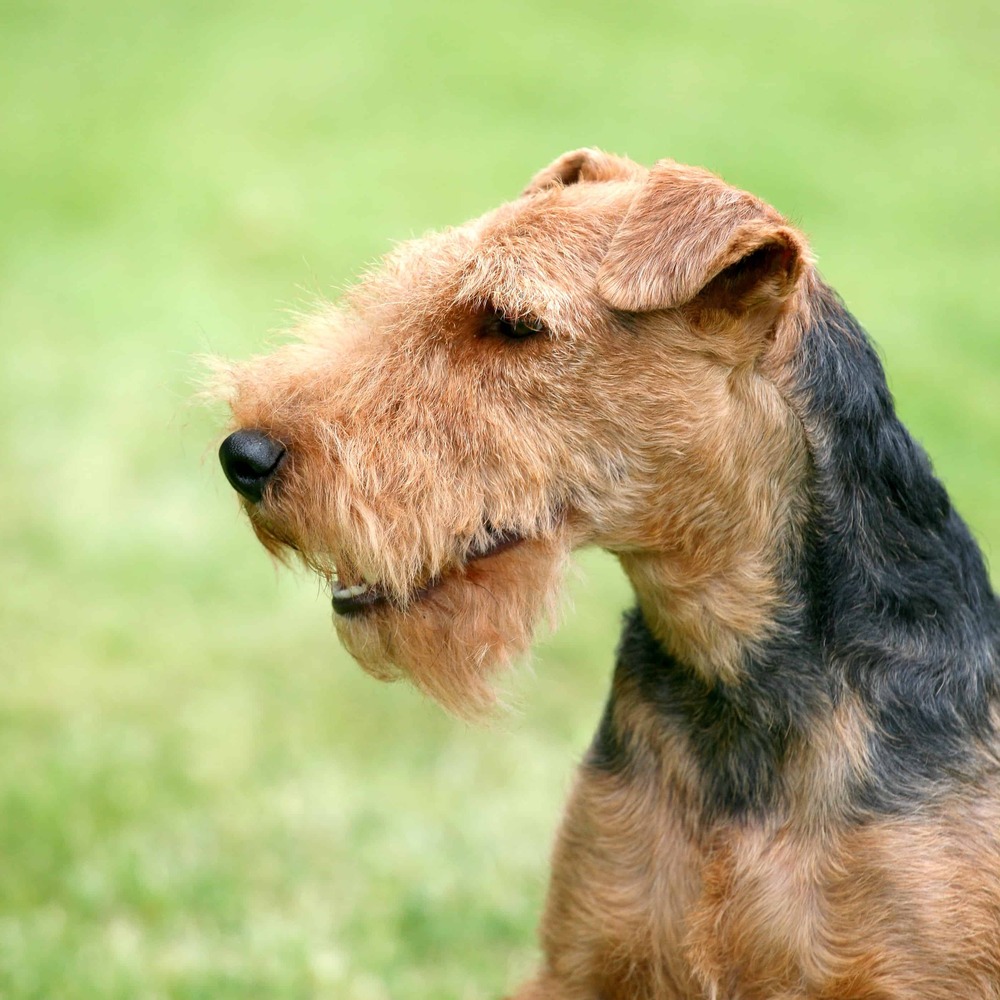
Welsh Terriers are commonly described as affectionate and lively, with a “game” terrier outlook that is confident without needing to pick fights. Many are social with their people and enjoy being part of whatever is happening, but they still benefit from clear household boundaries and consistent training.3
It is worth gently challenging a common assumption here: “friendly” does not always mean “easy”. A bright terrier can be very people-oriented and still make their own decisions when something interesting appears. In practice, engagement beats control, you will usually get the best results by building habits, rewarding attention, and making the right behaviour more rewarding than the alternatives.5
With children, the picture is often positive when adults manage the match thoughtfully. Welsh Terriers tend to enjoy play, but they can be quick, physical, and excitable. Calm supervision, teaching kids appropriate handling, and giving the dog easy “escape routes” (like a crate or quiet room) makes family life smoother.
With other animals, especially small pets, it helps to assume there may be prey drive. Some Welsh Terriers live peacefully with cats and other dogs, but it is usually the product of early socialisation and management, not a guarantee of the breed.2
Training and exercise needs
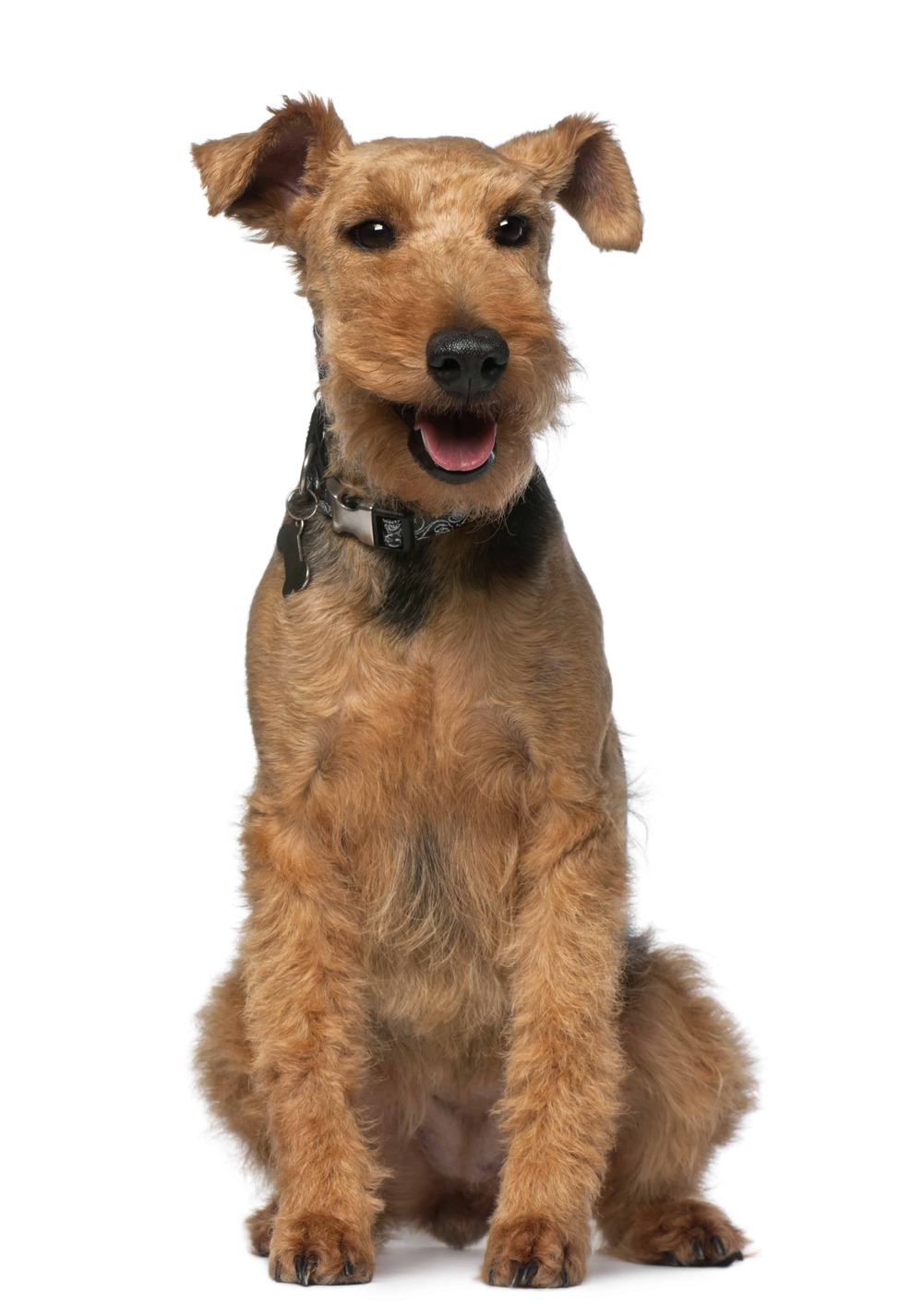
Welsh Terriers tend to do best when training starts early and stays relevant. Short sessions, clear reinforcement, and skills that slot into daily life (recall, leash manners, settling on a mat, handling for grooming) are the building blocks. A terrier that knows what earns rewards is often far easier to live with than a terrier that is simply “told off” for improvising.5
Exercise needs can be quite workable for committed owners. The UK Kennel Club describes exercise needs as up to one hour per day, but it is not just about minutes on a clock. A Welsh Terrier usually benefits from a mix of walking, sniffing time, play, and some kind of problem-solving, because mental boredom can be the real driver of nuisance behaviour.2
If you are looking for activities that tend to suit the breed, consider:
- Sniff-heavy walks where the dog can explore safely
- Retrieving games and tug with clear start and stop cues
- Beginner agility or sports foundations (kept fun and low-pressure)
- Food puzzles and simple scent games at home
A note on “apartment friendly”: Welsh Terriers can live in smaller spaces, but only if the outside-of-the-house routine is genuinely consistent. In tight living, sound management (barking habits, calm greetings, structured exercise) matters more than floorplan.
Health and lifespan
Welsh Terriers commonly live around 12 to 15 years. Most are robust dogs, but like any breed, they can have inherited risks that are worth taking seriously, especially when choosing a breeder and planning preventative care.5
One condition strongly associated with the breed is primary lens luxation (PLL)6
Other issues can include orthopaedic and skin concerns, and individual dogs may experience allergies or irritation. The practical takeaway is not to assume “terriers are tough, so they do not need checks”. Regular vet visits, sensible weight management, and prompt attention to eye changes (squinting, redness, rubbing, sudden cloudiness) can make a real difference over a long life.5, 6
Grooming and maintenance
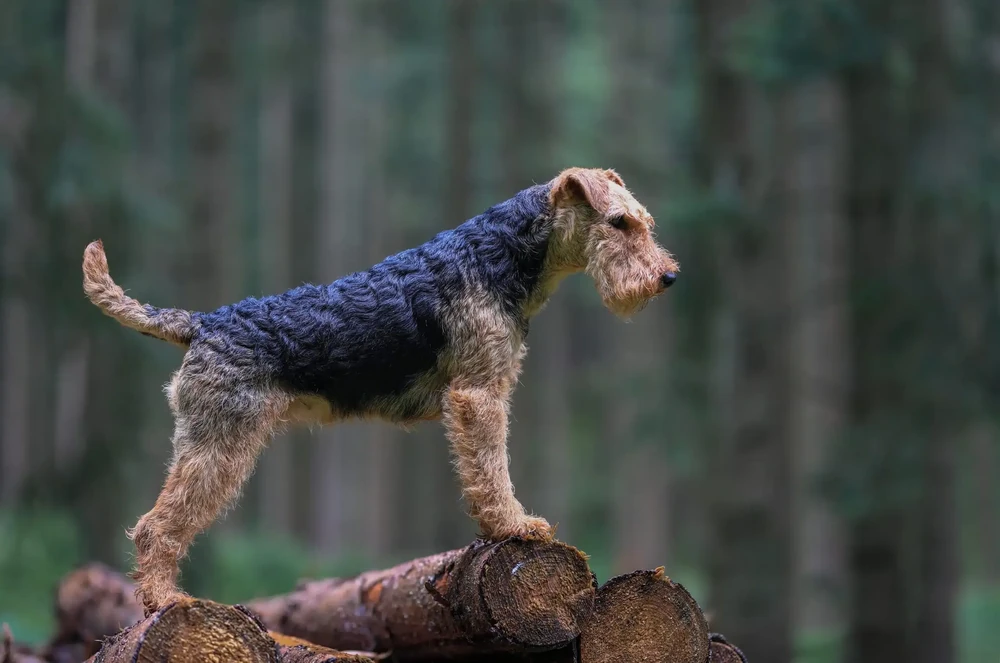
The Welsh Terrier coat is designed to be protective and weather-resistant, but it comes with a trade-off. To keep it comfortable and in good condition, plan for brushing more than once a week and periodic professional grooming. Many owners book grooming every couple of months, particularly if they want the traditional look rather than a softer, clippered coat.2, 5
If you are new to hand-stripping, it is worth having a groomer demonstrate what good coat care looks like for your individual dog. Some coats strip beautifully, others are more challenging, and many pet homes choose a practical middle path. The best routine is the one you can actually maintain without turning grooming into a wrestling match.
Beyond the coat, keep an eye on the basics that quietly prevent bigger problems: nails trimmed to a sensible length, ears checked, teeth brushed where possible, and paws inspected after rough ground. Small dogs with big lives pick up a lot of dirt and debris.
Diet and nutrition
Welsh Terriers thrive on a diet that supports an active, muscular little dog without creeping weight gain. If you are unsure where to start, the World Small Animal Veterinary Association (WSAVA) nutrition resources are a useful way to think about food quality beyond marketing claims and ingredient-list shortcuts.7
Portion size is individual, based on age, activity level, and body condition. In practice, the most reliable method is to monitor your dog’s shape and weight over time with your vet’s input, and adjust gradually rather than chopping and changing foods often.
It is also worth being clear about household hazards. Some common human foods can be genuinely dangerous for dogs, including chocolate, grapes and raisins (and sultanas), onions and related plants, xylitol, macadamias, and cooked bones. If there is any chance your dog has eaten something risky, contact your vet promptly.8, 9
Small details that make Welsh Terriers a joy
Welsh Terriers are sometimes mistaken for other black-and-tan terriers at a glance, but living with one quickly reveals the difference. They often carry themselves with a steady, alert confidence, and they can be surprisingly adaptable when their day includes enough activity and attention.
Their “beard and eyebrows” are not just decoration. They are part of the breed’s traditional outline, and when the coat is maintained well, it gives the Welsh Terrier that unmistakable terrier expression that owners tend to fall for.
If you enjoy training that feels like a conversation, brisk walks with plenty of sniffing, and a dog that is present in the home without being fragile, a Welsh Terrier can be a deeply satisfying companion. The key is meeting them where they are: a working terrier in a family setting, not a small dog built to be ornamental.2, 3
References
- Encyclopaedia Britannica, Welsh terrier
- The Kennel Club, Welsh Terrier (breed information)
- The Kennel Club, Welsh Terrier breed standard
- United Kennel Club (UKC), Welsh Terrier breed standard
- PetMD, Welsh Terrier
- The Kennel Club, The Kennel Club Health Standard (Welsh Terrier PLL)
- WSAVA, Global Nutrition Guidelines
- Agriculture Victoria, Human foods to avoid for cats and dogs
- RSPCA Pet Insurance, What fruit and vegetables to avoid feeding your dog