

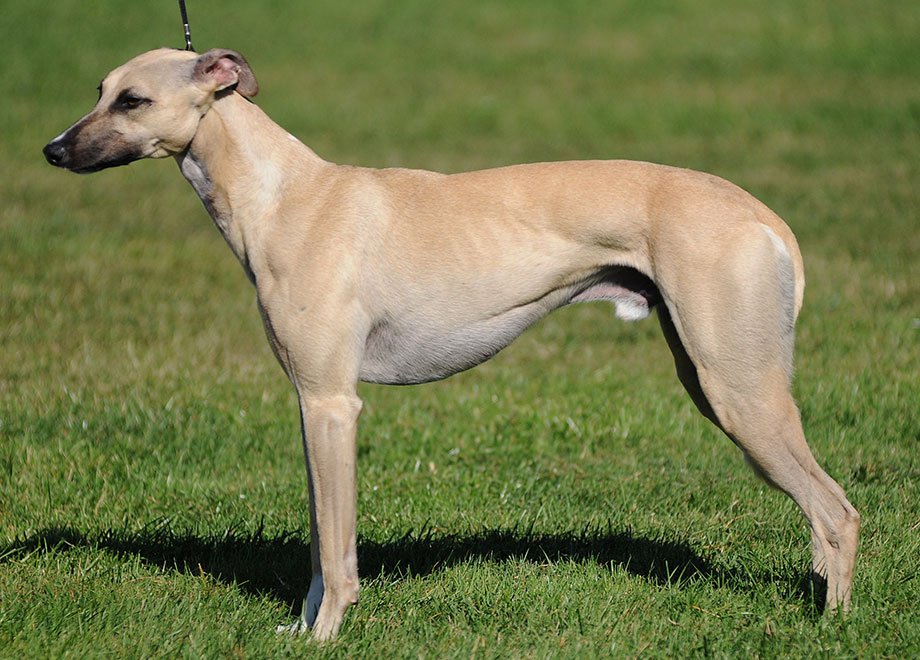
People often notice a Whippet in an ordinary place first, at the park doing one sudden, astonishing sprint, or curled tightly on a café mat as if running was never part of the plan. That contrast is usually what sparks the questions. How can a dog built like an athlete seem so settled indoors, and what does that mean for day to day life at home?
It is easy to assume sighthounds need constant high intensity exercise, or that a “racing type” dog will be wired and restless. With Whippets, the reality is more nuanced. They do need chances to stretch out and move properly, but they also tend to value quiet routines, soft bedding, and feeling safe and warm. Getting the balance right is what makes this breed such a good fit for many households, including smaller homes, provided their needs are understood.
- Breed category: Hound (sighthound)
- Country of origin: England
- Typical height: Dogs 47 to 51 cm, bitches 44 to 47 cm1
- Typical weight: Often around 11 to 18 kg, depending on build and line2
- Typical lifespan: Commonly around 12 to 15 years2, 3
- Coat: Fine, short, close
- Best known for: Speed, quiet companionship, and an “on off” energy style
History and what the Whippet was bred to do
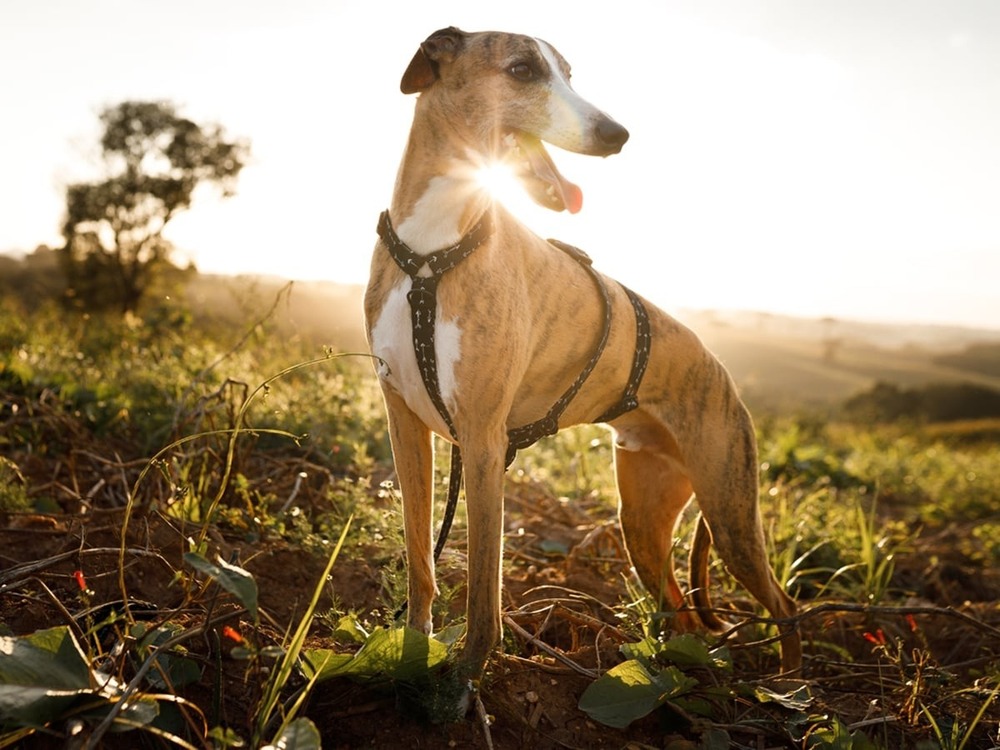
The Whippet developed in Britain, with strong associations to 19th century working communities and the sports of the time. Accounts commonly describe them as a smaller, more affordable coursing and racing dog, valued for quick acceleration and sharp sight based chasing ability. The old nickname “the poor man’s racehorse” captures that social history as much as it does the dog’s athleticism.3
That background matters because it explains two things you still see in pet Whippets today. First, many have a genuine urge to chase fast moving things. Second, they often prefer short bursts of running rather than long, steady endurance exercise. Those traits can sit very comfortably alongside family life, if you plan for them rather than trying to train them away.
From racing and coursing to companion life
Organised breed recognition and standards helped shape the Whippet as a distinct breed in the late 1800s, and they later spread internationally as both sporting dogs and companions.3 Modern Whippets still do well in lure coursing, agility, and other sports, but many are happiest with a predictable home routine plus regular opportunities to run safely.
What a Whippet looks like, and why it matters for care
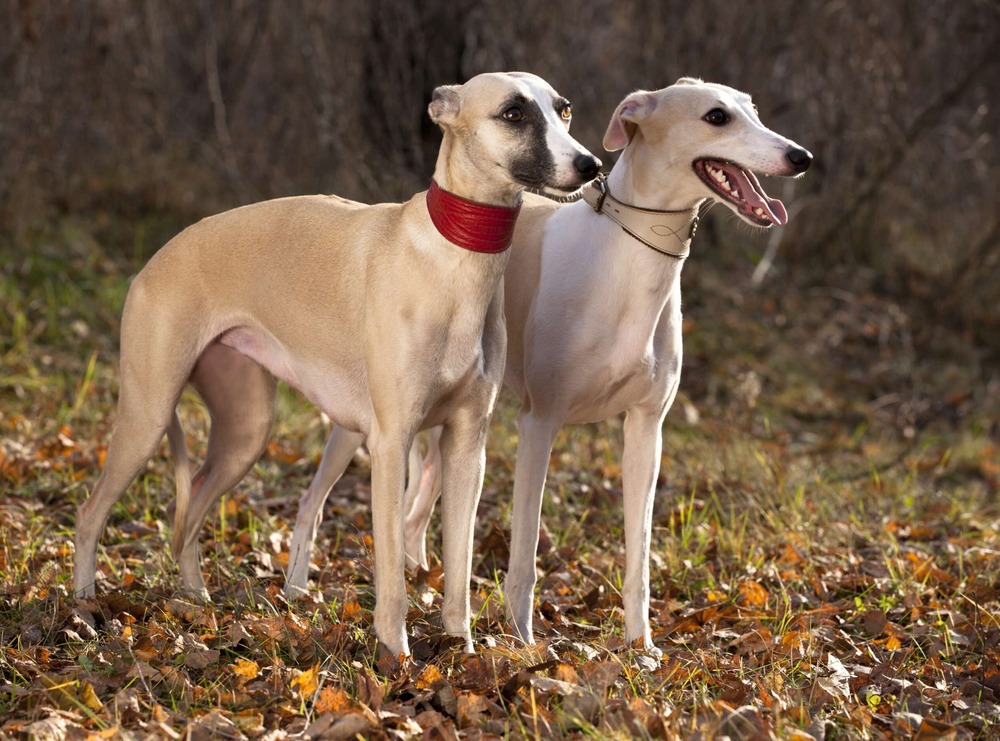
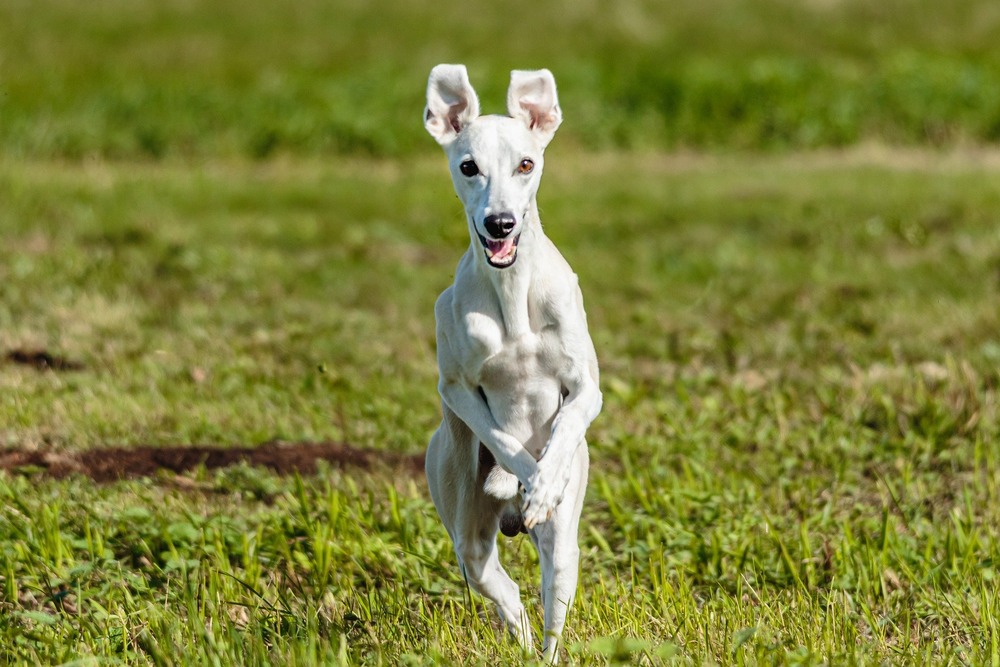
Whippets are built for speed: deep chest, long legs, and a tucked up waist. Breed standards describe a fine, short, close coat, and allow a wide range of colours and markings (with some registries excluding merle).1, 2 In practice, that sleek coat means less grooming than many breeds, but also less insulation in cold or wet weather.
It also helps to know that this is a naturally lean breed. A healthy Whippet often has a defined waist and visible muscle, and may look “too thin” to people used to stockier dogs. Your vet is the best judge of ideal body condition for your individual dog, but as a general principle, staying lean supports joint health and athletic movement.
Speed in context
Figures vary by dog and conditions, but Whippets are often cited at around 35 mph (about 56 km/h) at top speed, which is remarkable for their size.4 What owners tend to notice more than the number is the suddenness: a Whippet can go from still to fast in a blink. That is part of why safe spaces to run, and good recall training, are so important.
Temperament and everyday behaviour
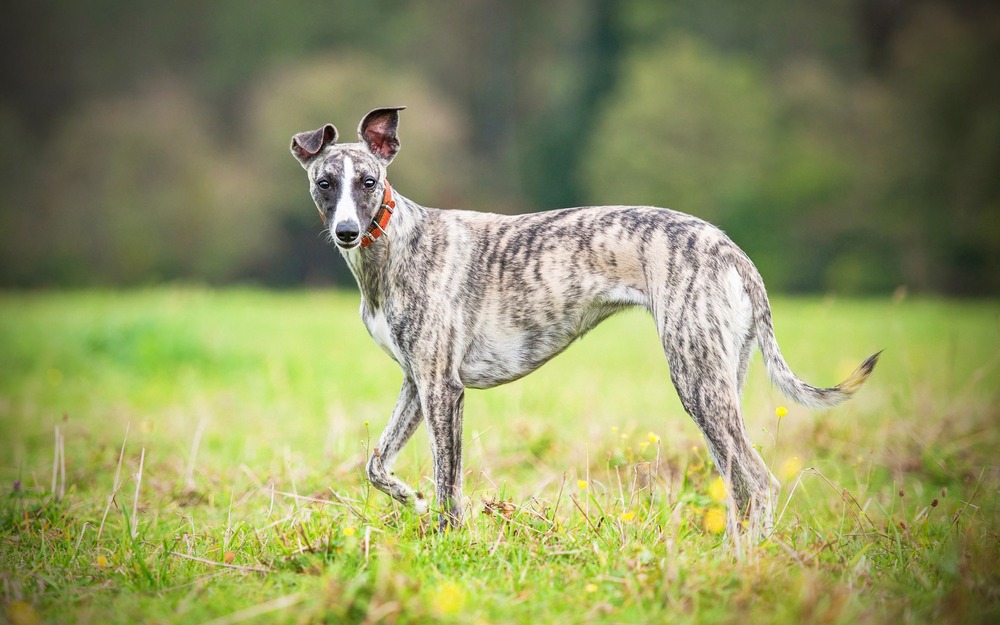
Most Whippets are gentle at home, often choosing the warmest, softest spot and settling for long stretches. They can be affectionate and people focused, but not always in an overly busy way. Many are also sensitive to tone and handling. For training and household routines, calm consistency usually works better than repeated corrections.
They are commonly described as low barkers, and many do well in quieter households. That said, “quiet” does not mean “uninterested”. A Whippet may watch the world carefully from the couch, then suddenly light up when it is time for a walk or a game.
Children and visiting friends
Whippets often do well with respectful children, especially when they have space to move away and rest undisturbed. The key is supervision and teaching kids simple rules, such as not hugging tightly, not disturbing a dog that is sleeping, and giving the dog a reliable retreat area. Supervise all child and dog interactions, and use barriers when you cannot supervise closely.5
Other pets and the chase instinct
Many Whippets can live peacefully with other dogs, and some live well with cats too, particularly if they are raised together or introduced carefully. Still, it is worth being realistic about the sighthound tendency to chase. Good management might include separate spaces, gradual introductions, and avoiding situations where a small pet bolts and triggers a pursuit response.
Training and exercise that suit a Whippet

Whippets often learn quickly, but they do not always respond well to pressure. Many do best with short, upbeat sessions and rewards they actually value, treats for some dogs, play for others, and sometimes simply the chance to run. Positive reinforcement is not just kinder, it is usually more effective with a dog that can shut down when stressed.
Socialisation without flooding
A steady approach to early experiences helps. Think of socialisation as helping a dog feel safe around everyday life, not forcing them to “cope” with everything at once. Gentle exposure to different surfaces, friendly people, calm dogs, and routine handling (paws, ears, collar) tends to pay off over the years.
Exercise, safely
Most adult Whippets need daily walking and regular chances to sprint. The sprint part is important because it matches how they are built to move. A secure fenced area, a long line in an open space, or organised dog sports like lure coursing can all be good options, depending on your circumstances.
- Daily baseline: walks plus sniffing time, not just marching
- Regular sprint outlet: short, safe runs in secure areas
- Brain work: simple training games, food puzzles, or scent based play
Because of their chase instinct, off lead freedom in unfenced areas is not a casual decision. Many Whippets have solid recall, but many also have moments where movement wins over training. Planning for that reality keeps everyone safer.
Health, lifespan, and what to watch for
Whippets are generally considered a relatively healthy breed, with many living well into their teens with good care.2, 3 Still, like any breed, they can be affected by inherited and acquired conditions. Regular veterinary checks and thoughtful breeding choices matter.
Anaesthesia sensitivity in sighthounds
One practical point that comes up with Whippets and other sighthounds is anaesthesia sensitivity, particularly with some older drugs such as barbiturates. It is linked to their low body fat and differences in how certain drugs are metabolised. If your Whippet needs a procedure, it is sensible to mention they are a sighthound and ask what protocols the clinic uses. Tell your vet your dog is a sighthound, even if it seems obvious.3
Eyes, heart, and general wellbeing
Sources commonly mention eye disease and cardiac conditions among issues seen in the breed, although risk varies by line and individual. The practical approach is to keep up with routine exams, stay alert to changes in exercise tolerance, coughing, or vision, and talk to your vet early rather than waiting for a problem to become obvious.2
Grooming and comfort at home

Grooming is usually straightforward. A soft brush or grooming mitt once a week often keeps the coat in good condition and gives you a chance to check skin, nails, and any new lumps or scrapes. Whippets can be prone to minor cuts and knocks simply because they run fast and have fine coat coverage.
The bigger day to day issue is often warmth. With a thin coat and lean body, many Whippets appreciate a jumper indoors in winter and a well fitted coat outdoors on cold, wet days. Choose clothing that does not restrict shoulder movement, and remove it indoors if your dog starts to overheat. Warmth is a welfare need for some individuals, not a fashion choice.6
Food and nutrition for a lean, active dog
Whippets do well on balanced diets that support muscle maintenance without pushing them into unnecessary weight gain. If you are choosing a commercial food, it can help to look beyond marketing claims and focus on whether the diet is complete and balanced for your dog’s life stage, and whether the company can answer clear questions about formulation and quality control. The World Small Animal Veterinary Association (WSAVA) provides practical guidance for owners navigating pet food information and labels. 7
Portioning and body condition
Portion needs vary widely with age, desexing status, and activity. Rather than relying on a fixed “cup amount”, monitor your dog’s body condition over time and adjust gradually. If you are unsure, ask your vet or a vet nutritionist for help, especially for growing puppies, seniors, or dogs competing in sports.
Living with a Whippet in real homes
In many households, the Whippet’s appeal is how neatly they fit into everyday rhythms. They often enjoy a morning walk, a proper run a few times a week, and then long stretches of quiet time. They can suit units and smaller homes if their exercise and enrichment needs are met, and if you accept that a fast dog needs secure containment.
It also helps to plan for the “soft furniture reality”. Many Whippets love comfort and may seek couches and beds if allowed. If you would rather keep furniture dog free, it is usually easier to offer an appealing alternative (a padded bed in a warm spot) and reinforce that choice early. Make the right thing easy, and the routine tends to stick.
References
- The Kennel Club: Whippet breed standard
- American Whippet Club: The AKC Whippet Standard (overview details)
- Wikipedia: Whippet (history and health overview)
- National Geographic: Reas the whippet named America’s fastest dog, breaks last year’s record
- RSPCA Australia Knowledgebase: How do I introduce a new dog or puppy to children?
- RSPCA Pet Insurance Australia: How to keep your pets warm in winter
- WSAVA: Global Nutrition Guidelines