

People usually start searching about pet aggression after a bite, a near-miss, or a sudden change in behaviour that doesn’t feel like their animal. The stakes are practical: safety in the home, the welfare of the pet, and sometimes legal consequences if someone is injured.
Aggression isn’t a single “problem personality”. It’s behaviour that appears in a specific context—often when an animal is frightened, in pain, overwhelmed, or protecting something important to them. The fastest path to improvement is careful observation, sensible management to prevent another incident, and early veterinary and behaviour support.1, 2
What drives aggression in pets
Aggression usually has more than one root. Think of it as a threshold: when stress, arousal, pain, or frustration rises high enough, the animal uses distance-increasing behaviour—stiffening, growling, snapping, biting—to make the situation stop.1, 2
Medical and biological factors
Pain and illness are common, overlooked contributors. Arthritis, dental disease, skin irritation, injuries, neurological disease, and some hormonal conditions can lower a pet’s tolerance and make handling or close contact feel unbearable.2, 3
Age and sex can influence risk in some situations (for example, sexually related aggression between intact males). Breed can shape tendencies like arousal level or guarding, but it doesn’t let you predict an individual animal, and “this breed is aggressive” is not a reliable diagnosis.1, 4
- When to suspect pain: aggression during grooming, being picked up, being touched in a particular spot, or when the pet is approached while resting.2, 3
Environmental factors
Where and how a pet lives matters. Poor early socialisation, repeated frightening experiences, unpredictable noise and traffic, overcrowding, lack of rest, and being frequently startled or restrained can all push an animal towards defensive behaviour.2
A history of punishment-based handling can also make aggression more likely, because the animal learns that people (or other dogs) predict unpleasant outcomes, and escalates sooner next time.5, 2
Psychological factors
Fear is one of the most common motivations behind aggression. A frightened pet may try to retreat first, then freeze, then growl or snap if escape isn’t possible—such as on a lead, cornered behind furniture, or held in someone’s arms.2
Anxiety, frustration, and guarding behaviours (food, toys, beds, doorways, favourite people) can look “sudden”, but they often follow a pattern once you know what to watch for.1, 2
Common types of aggression (and what tends to trigger them)
Fear-related (defensive) aggression
Triggered by perceived threat: unfamiliar people, handling, looming gestures, crowded spaces, other dogs, or past bad experiences. The animal is trying to make the scary thing move away.2
Territorial or protective aggression
Often shows up at home, near fences, in cars, or at the front door. It may be true territorial behaviour, but it can also be fear in a familiar space where the pet feels “stuck” and practised at driving visitors away.2
Resource guarding
Directed at anyone approaching food, chews, toys, stolen items, beds, or favourite resting places. It can start subtly—hovering, quick eating, stillness—before it escalates.2
Redirected aggression
Happens when a pet is highly aroused (for example, barking at a dog behind a fence) and then bites the nearest target when interrupted or restrained.2
Predatory behaviour
More likely to be quiet and fast, with little warning. It’s linked to stalking and chasing movement (small animals, running children). This is a high-risk pattern and needs specialist advice and strict management.1, 2
How to recognise early warning signs
Most animals give signals before they bite, but they can be brief or easy to miss—especially when children are involved or when the pet has learned that growling gets punished. Look for small changes that say, “I need space.”2, 5
Body language cues
- Freezing or going very still
- Hard stare, showing “whites” of the eyes, turning the head away while watching
- Stiff, high or tucked tail; tense body; hackles raised
- Ears pinned back or sharply forward (depending on the animal)
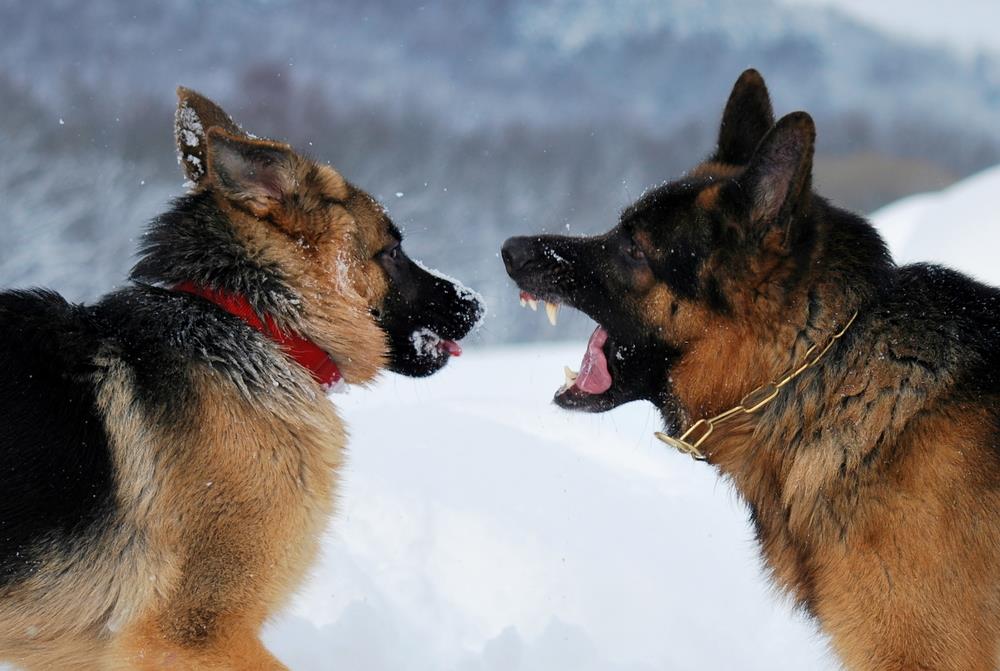
- Lip lift, baring teeth, snarling
Growling, snapping, and baring teeth are clear “back off” signals, not misbehaviour. They’re important information, and they should trigger distance and calm management rather than punishment.6, 5
Behaviour changes that deserve a vet check
- Sudden irritability or “out of character” reactions
- Withdrawing, hiding more, avoiding touch
- Changes in appetite, sleep, or willingness to move
When behaviour shifts quickly, it’s sensible to assume pain or illness until proven otherwise.2, 3
Why it matters: safety, welfare, and legal risk
Injuries to people and other animals
Bites and scratches can cause serious harm, especially to children, older people, and smaller pets. The risk often increases after the first incident if the triggers stay the same and the animal keeps practising the behaviour.1, 2
Stress in the pet
Aggression is frequently paired with chronic stress—an animal spending too much of the day on alert. That’s not a comfortable state to live in, and it can erode behaviour over time.1, 2
Legal consequences (Australia varies by state)
Australian rules differ by state and council area, but dog attacks are treated seriously. In NSW, owners have reporting and control obligations after attacks and for dogs declared menacing or dangerous, and councils/police have powers to investigate and act.7, 8
When to get professional help (and who to call)
Aggression is rarely solved by a single quick fix. The safest approach is a team: a vet to rule out medical causes, and a qualified behaviour professional to build a plan you can actually live with.4, 2
Veterinarian
Start here—especially if the behaviour is new, escalating, or linked to handling. Treating pain or illness can lower arousal and make training possible again.2, 3
Veterinary behaviourist / accredited behaviour professional
For complex, high-risk, or long-standing aggression, ask your vet about referral to a veterinary behaviourist or a behaviourist working closely with your clinic. RSPCA guidance also emphasises professional support and positive reinforcement foundations.4, 5
Trainer (reward-based)
Choose a trainer who works with reward-based methods and stays within their scope—especially around biting risk. Aversive tools and punishment can worsen fear and aggression and increase risk to people in the home.5, 2
Behaviour modification and management that genuinely helps
Behaviour change is built on two tracks at once: management (preventing rehearsal and keeping everyone safe) and training (teaching new responses).
Immediate management (reduce the chance of another incident)
- Prevent access to triggers while you organise help (use doors, baby gates, leads, crates, or separate rooms).
- Avoid crowded greetings and unpredictable handling.
- Don’t force interactions between pets, or between pets and visitors.
- If dogs are fighting, don’t try to physically separate them; create distance and seek help, as injuries to people are common in these moments.6
Positive reinforcement
Reward calm, safe behaviour so it becomes more frequent: settling on a mat, looking at you instead of fixating, walking away, letting go of a toy on cue. This is the base layer that makes everything else easier.5
Desensitisation and counterconditioning
These pair controlled exposure to the trigger (far enough away that the pet stays under threshold) with something good—often food—so the animal learns a different emotional response over time. This work is safest and most effective when designed by a qualified professional for your specific triggers and bite risk.1, 2
Medication and supportive therapies
Medication isn’t a shortcut, but it can be an important support when fear or anxiety is high, or when the animal can’t stay under threshold long enough to learn. This is a veterinary decision and is usually paired with behaviour modification.2
Environmental enrichment—exercise suited to the animal, food puzzles, scent work, predictable rest—can reduce general stress and make aggressive episodes less likely, especially when boredom or frustration are part of the picture.1
Preventing aggression before it starts (or before it escalates)
Early socialisation and gentle exposure
Safe, positive experiences with people, dogs, handling, and everyday environments in early life help build resilience later. For adult pets, slow, controlled exposure still matters—it just takes longer, and it needs careful planning.2
Keep routines steady and needs met
Regular sleep, predictable feeding, suitable exercise, and quiet spaces to retreat reduce the background stress that can push a pet over threshold.
Regular vet care
Ongoing health checks help catch pain and illness early, before they show up as growling, snapping, or avoidance.2, 3
References
- RSPCA Australia Knowledgebase: My dog is being aggressive, what should I do?
- Merck Veterinary Manual (Dog Owners): Behavior Problems in Dogs
- Vetwest Veterinary Clinics: Pain—How can you tell if your dog is in pain?
- RSPCA NSW: They have shown some aggression
- American Veterinary Society of Animal Behavior (AVSAB): Position statements (Humane Dog Training)
- RSPCA Australia: Keeping safe around other dogs
- NSW Office of Local Government: Report a dog attack
- NSW Office of Local Government: Control requirements for dangerous and menacing dogs