


Most people start thinking about dogs and “emotional disorders” after a stretch of behaviour that does not quite fit their dog. A calm dog begins pacing at dusk, a confident dog suddenly will not settle when left alone, or a dog that has always coped with storms starts trembling long before the thunder arrives.
It can be tempting to explain these changes as stubbornness, boredom, or “they’re just being naughty”. Sometimes it is as simple as a new routine or an under-stimulated dog. At other times, the behaviour is closer to stress responses that have become habits, and the longer they run unchecked, the more they can shape a dog’s daily life.
What matters in practice is noticing patterns early, ruling out pain or illness, and choosing support that fits the dog in front of you, not the story you wish were true.
Common emotional and behavioural disorders in dogs

In veterinary behaviour, the language is often “behaviour problems” or “behaviour disorders” rather than a single neat category of emotional illness. That is partly because similar signs can come from very different causes, including pain, gastrointestinal discomfort, skin irritation, hormonal disease, sensory decline, or learning history. A good first step is thinking in terms of what the dog is doing and what predicts it.
Anxiety and fear related problems
Some dogs show distress when separated from their people, others struggle with specific triggers such as thunderstorms, fireworks, vacuum cleaners, visitors, or travel. Signs can include vocalising, pacing, destructive chewing, toileting indoors, escape attempts, or an inability to settle. In noise-related fear, you might also see shaking, hiding, drooling, panting, scanning for exits, or restlessness that begins before the main event, as the dog picks up on subtle cues in the environment.1, 2, 5
Low mood and “shutdown” behaviour
People often describe a dog as “depressed” when they seem flatter than usual, sleep more, eat less, or lose interest in play. It can happen after major change, loss of a companion, or prolonged stress. It is also a classic moment to check for medical causes, because pain and illness can look like low mood at home. The key clue is usually a sustained change from baseline rather than a quiet day here and there.
Compulsive and repetitive behaviours
Repetitive behaviours such as tail chasing, flank sucking, light and shadow chasing, pacing, or persistent licking can become self-reinforcing and hard to interrupt. These patterns may start as normal behaviour in an over-aroused moment, then strengthen through repetition, stress, and relief. Management typically involves reducing triggers, improving daily enrichment, and using structured behaviour modification, and in some cases medication support is considered alongside training.6, 7
Why these problems happen

There is rarely a single cause. Most behaviour disorders sit at the crossroads of temperament, learning, environment, and physical health. A thoughtful assessment tries to answer two questions: what makes this dog vulnerable, and what keeps the behaviour going now?
Temperament and genetics
Some dogs are simply more sensitive to novelty, sound, or separation, and that sensitivity can run in lines and breeds. Genetics is not destiny, but it can influence how easily a dog becomes startled, how quickly they recover, and how strongly they repeat certain coping behaviours.
Experience and environment
One frightening event can be enough to change how a dog responds to a particular sound or situation, especially when the trigger is loud and unpredictable, such as fireworks. Repeated exposure without support can also lead to sensitisation, where the response becomes stronger over time rather than fading.2, 3
Health, pain, and the body’s stress load
It is easy to miss pain in dogs because it does not always look like limping. Dental disease, arthritis, ear infections, skin disease, gastrointestinal upset, and age-related sensory changes can all shift behaviour. If a dog is suddenly irritable, clingy, restless at night, or reluctant to be touched, treat “behaviour change” as a health clue and book a vet check.
Recognising signs early, without over-interpreting them
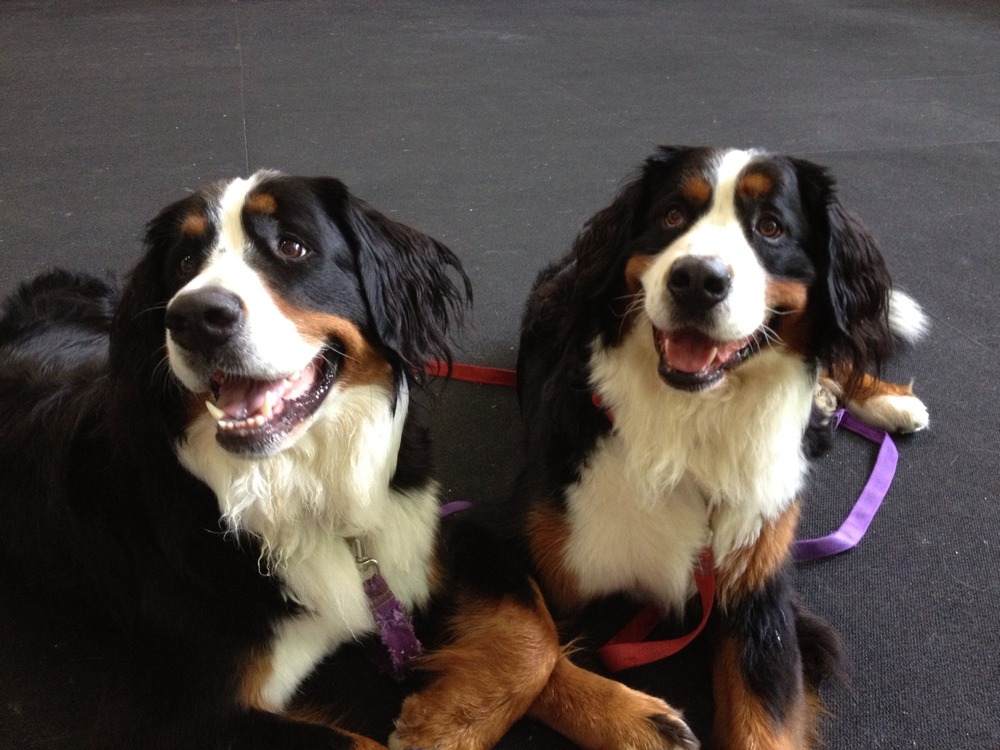
Early signs are often subtle. You might notice lip licking, yawning, scanning the room, turning away, sudden sniffing, or a dog who cannot quite settle even though they are physically tired. Over time, those small signs can build into bigger responses like barking, destruction, hiding, or snapping when approached.
A helpful approach is to write down what you see for a week. Note the time of day, what was happening just before, who was present, and how long it took for your dog to recover. If you can, use a camera when you are out, because separation-related distress and boredom can look similar in the aftermath but are very different states for the dog.4
- Look for patterns: does it happen only when you leave, only during storms, or only when the household is busy?
- Watch recovery time: quick return to normal suggests mild stress, while prolonged agitation suggests the dog is struggling to cope.
- Notice escalation: increasing intensity over weeks can mean the behaviour is being reinforced or the trigger is getting harder for the dog to tolerate.
Diagnosis and professional support
Diagnosis is usually a process, not a single test. Vets commonly start by ruling out medical contributors, then building a behavioural history that includes when the issue began, what triggers it, and what the dog does when they are most distressed. Behaviour questionnaires, video, and a clear timeline are often more useful than a single “label”.
When specialist help is needed, a veterinarian with behaviour training or a qualified behaviour professional can guide a plan that is safe, realistic, and tailored. The goal is usually less distress and better coping, not perfect behaviour in every situation.
Seek help promptly if you see sudden behaviour change, self-injury (for example, frantic scratching or chewing), repeated escape attempts, aggression that feels out of character, or if the household is beginning to restrict normal life to avoid triggers.
Treatment and day-to-day management
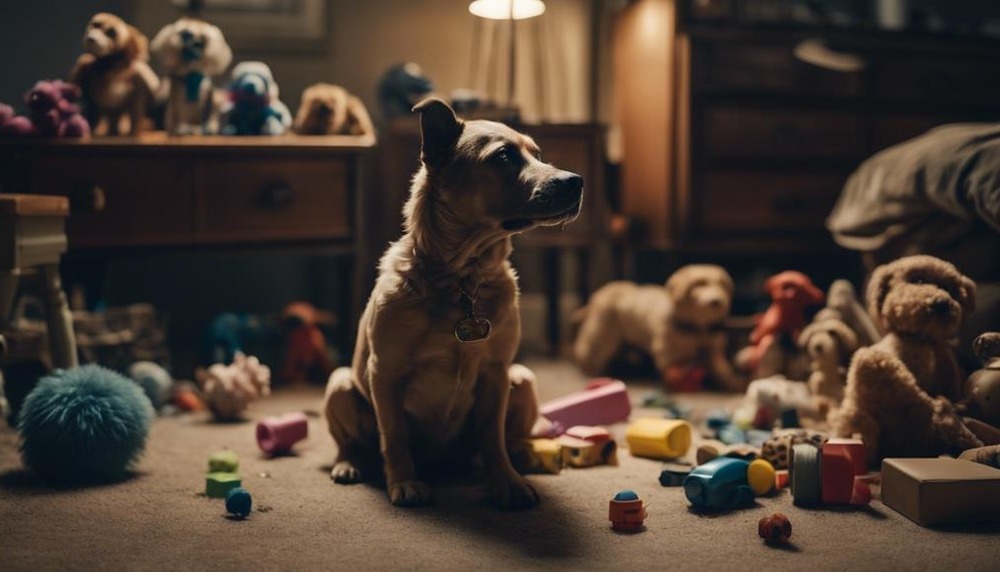
Most effective plans combine three strands: management (preventing rehearsals of the problem), skill-building (teaching the dog what to do instead), and lowering overall stress. Progress tends to be uneven, with improvements that come in waves rather than a straight line.
Behaviour modification that fits the dog
For separation issues, this often means gradual alone-time training paired with calm, predictable departures and arrivals. For noise fears, it may involve desensitisation and counterconditioning, which is careful exposure at a level the dog can handle while pairing the trigger with something good, plus practical steps to reduce the impact of sound and flashes on the day.1, 2, 8
Across most anxiety problems, it helps to focus on reinforcement-based training and avoid punishment, because punishment can increase fear and does not teach the dog what would be safer or more effective in that moment.6
Medication as part of a broader plan
For some dogs, medication can reduce the intensity of anxiety enough for learning to take place. In veterinary practice, options may include SSRIs or clomipramine for longer-term support, and event-based medication for predictable triggers such as fireworks or veterinary visits. These medicines need veterinary oversight, and they work best when paired with behaviour change, not used as the only tool.6, 7
Environment and enrichment
Good enrichment is not just “more toys”. It is giving the dog safe ways to forage, chew, sniff, and relax, and matching exercise to the dog’s age and body. For compulsive patterns, ensuring adequate mental stimulation and then reducing exposure to triggers (for example, blocking access to reflective light for light and shadow chasers) can reduce rehearsal while you teach alternative behaviours.6
Prevention and steadier coping over time
Prevention is less about creating a bombproof dog and more about building flexible coping. Early positive exposure to everyday life matters, but so does teaching a dog how to be calmly alone, how to settle, and how to recover after being startled.
Practical steps that often help:
- Protect sleep and downtime, especially in busy households.
- Keep routines predictable where you can, and make changes gradually when you cannot.
- Support independence with short, easy alone-time practice, rather than saving all alone time for long absences.
- Before known noisy events, set up a quiet indoor area, close curtains, add background sound, and ensure ID tags and microchip details are up to date.2, 9
Realistic outcomes and what “better” looks like
Success is often quieter than people expect. A dog who used to panic at every departure might learn to settle for most absences, then have a wobble when the household routine changes. A dog with noise sensitivity may still startle, but recover faster and choose their safe space rather than trying to escape.
If you take one thing from this topic, let it be this: behaviour change is easiest when the dog feels safe enough to learn. When you combine careful management, kind training, and veterinary support when needed, many dogs can reach a place of steady, workable coping.
References
- Dogs NSW: Dealing with anxiety (separation-related distress)
- Agriculture Victoria: Pets during fireworks and thunderstorms
- FOUR PAWS Australia: Fireworks are frightening to pets
- RSPCA Australia: Caring for your pets during fireworks displays
- RSPCA Queensland: Fireworks, storms and pets
- Merck Veterinary Manual: Behavior problems of dogs
- Merck Veterinary Manual: Psychotropic agents for treatment of animals
- RSPCA Tasmania: Keeping your animals safe during fireworks and thunderstorms
- RSPCA NSW: Tips to help keep pets safe during firework displays