

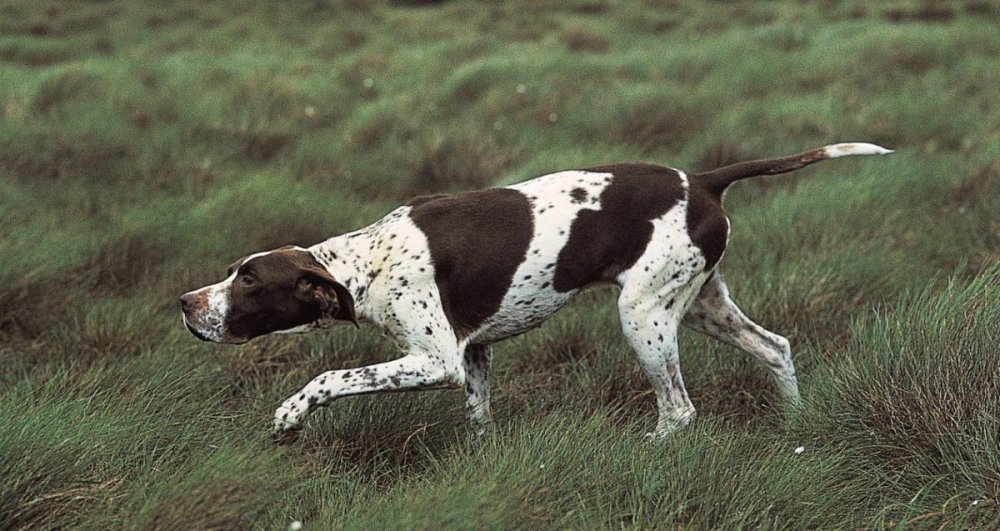
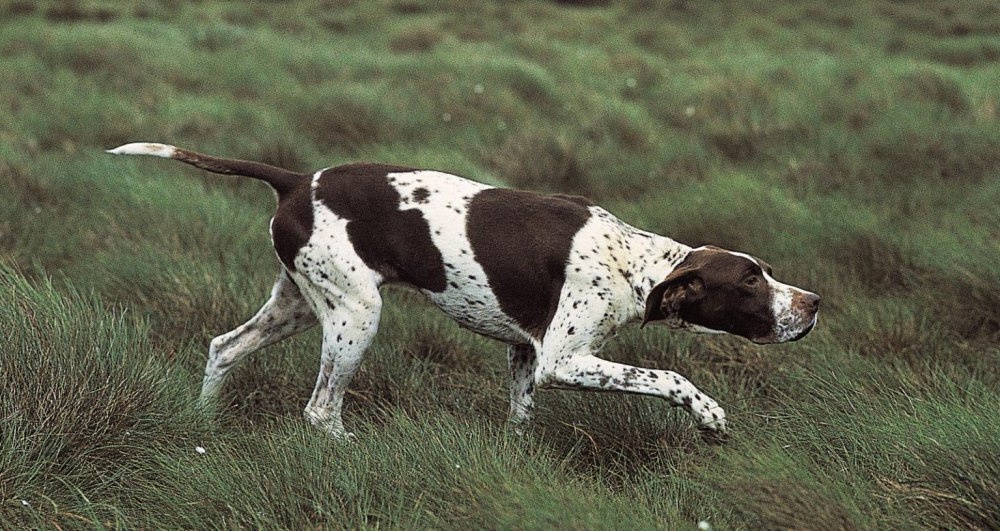
People often start looking into pointing breeds after noticing a particular kind of dog in the park or on social media: head lifted, body still, one paw sometimes held up, as if the dog has suddenly “switched on” to something you cannot see. It can look like a trained trick, but for many pointing dogs it is a real, inherited pattern of behaviour that has been shaped for field work.
It is also where expectations can go a bit sideways. A pointing dog can be calm in the house, affectionate with their people, and lovely company, but they are typically built for long days of searching, thinking, and moving. When that need for purposeful activity is met, these dogs tend to settle well. When it is not, the same strengths that make them good gundogs can turn into restlessness, scavenging, or “selective hearing”.
Understanding pointing breeds is less about memorising a list of dog types, and more about recognising what they were made to do. Once you see the logic of the “point”, their training, exercise needs, and even some common health considerations make more practical sense.
History and origin of pointing dog breeds
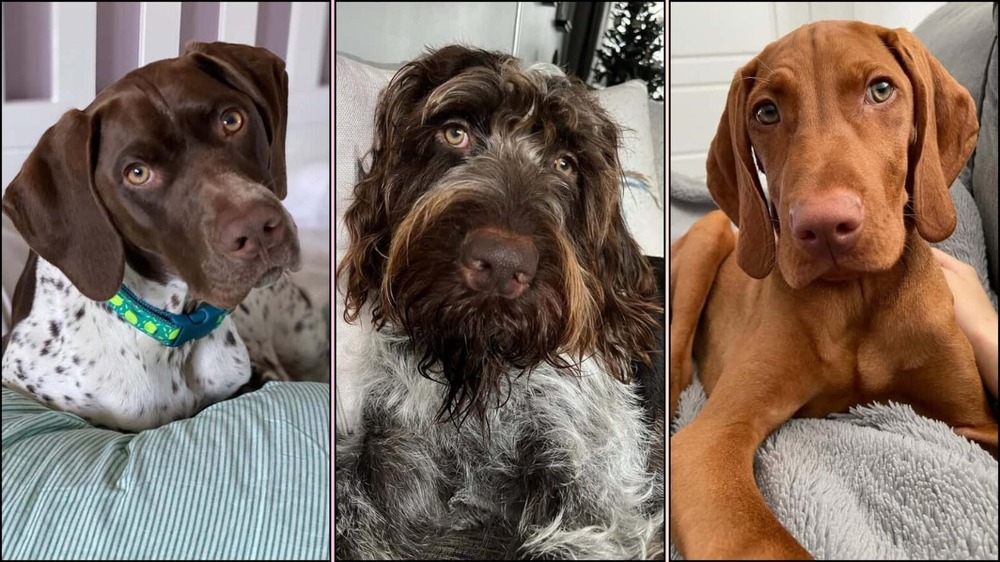
Pointing breeds developed alongside bird hunting methods that relied on dogs to find and indicate game at a distance. Before modern firearms and fast-paced flushing styles became widespread, hunters valued dogs that could locate birds by scent and then “set” or point, giving the human time to approach. Many of today’s pointing breeds were refined in Europe over centuries, and later developed further in the UK and North America as sporting traditions and terrain shaped what people wanted from a gundog.
It helps to think of pointing as teamwork. A pointing dog searches, uses wind and scent, then becomes still when they locate game. That stillness is functional, not decorative. In field contexts, the dog’s steadiness reduces the chance of birds flushing early and allows the handler to move into position safely and predictably.1
Modern pointing dogs might never set foot on a hunt, but the underlying “job description” often remains. Many will still quarter a paddock, work scent, and show that sudden full-body focus when something interesting appears.
Physical characteristics that support the work
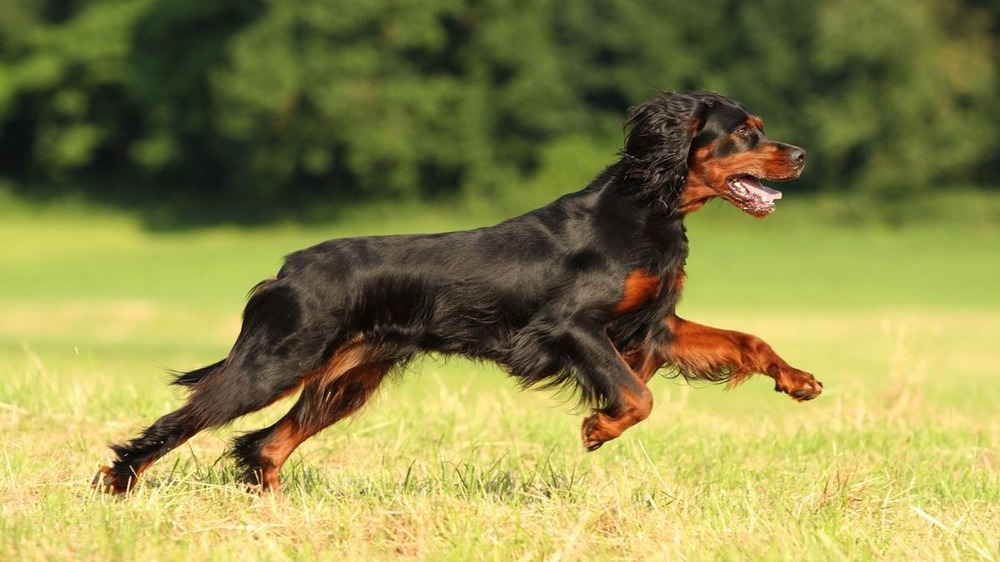
Most pointing breeds share an athletic outline: deep chest for stamina, efficient stride, and a body built to cover ground. Coats vary from short and sleek to wirehaired, but even the fluffier-looking pointers are generally practical rather than ornamental.
What tends to stand out is not one single feature, but a combination of structure and senses. A good gundog needs a functional nose, the ability to regulate pace over time, and enough physical soundness to handle uneven ground. Their ears, eyes, and posture often look “busy” in the field because they are continually checking information from the environment.
If you are choosing a breed (or a particular dog within a breed), it is worth noticing how comfortably the dog moves, how they recover after exercise, and whether their body type matches the lifestyle you can provide.
Temperament and everyday behaviour
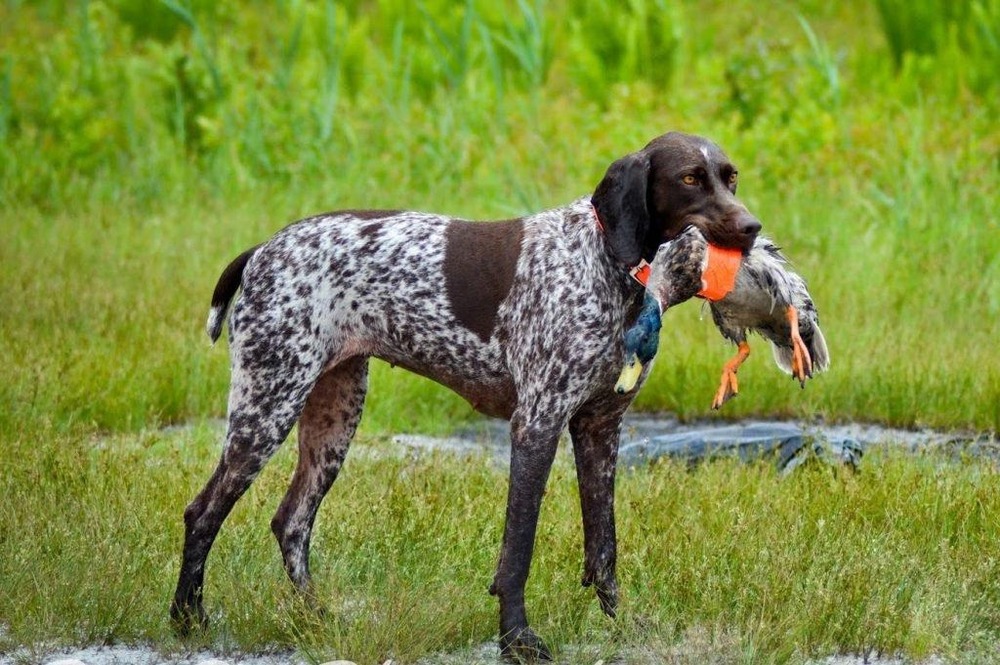
Pointing dogs are often described as intelligent and people-oriented, but it is more accurate to say they can be both cooperative and independent. In the field, they need to work away from the handler, make decisions, and keep hunting. At home, that can translate into dogs that enjoy training, but also notice everything, follow scent trails on walks, and get bored with repetition.
Many do well as family companions when their needs are understood. That usually means steady routines, enough movement, and training that feels like a conversation rather than a lecture. If there are children or other animals in the home, early socialisation and ongoing supervision matter, not because these dogs are “bad with kids”, but because their speed, enthusiasm, and prey interest can be a lot in a small space.
A helpful mindset is to plan for arousal management as much as exercise. A dog that can switch between activity and rest is easier to live with than a dog who is constantly waiting for the next thrill.
Training and exercise that suits a pointing breed
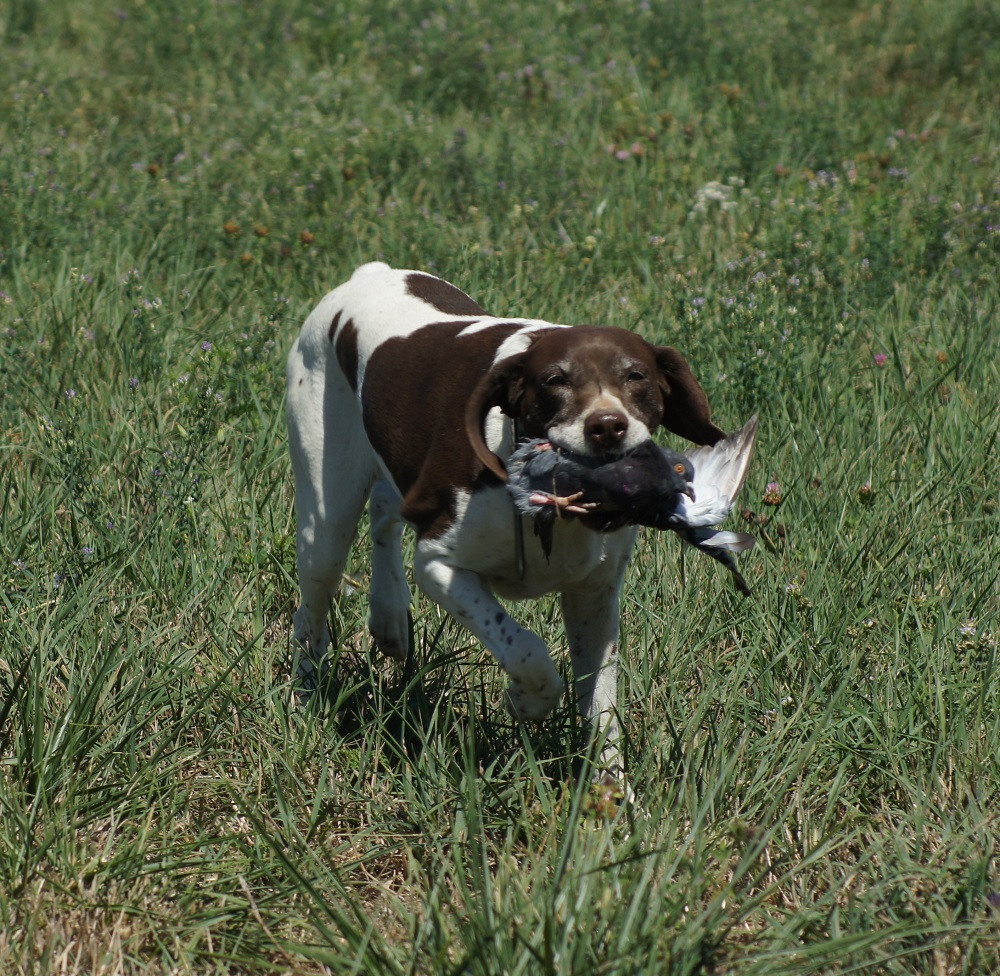
Pointing breeds usually respond best to reward-based training that protects their confidence and keeps engagement high. If you lean heavily on corrections, many will either shut down or learn to work around you. If you keep sessions clear and fair, they often become keen, fluent learners.
Early socialisation is not about “meeting everyone”. It is about safe, gradual exposure to people, dogs, surfaces, sounds, and handling so the puppy learns what normal life feels like. Structured puppy classes can be useful, and it is sensible to follow your vet’s advice about what is appropriate while vaccinations are still in progress.2, 3
Exercise needs vary by breed, age, and individual, but many pointing dogs need more than a slow lap of the block. They often do best with a mix of:
- Long, sniff-rich walks on a loose lead or long line
- Short training games that build recall, impulse control, and steadiness
- Scent work and “find it” games that channel natural searching
- Off-lead running only where it is safe, legal, and the recall is reliable
If you are not a hunter, you can still give the dog a job. Many owners find that a little scent work and thoughtful training does more for household calm than simply adding kilometres.
Health considerations and lifespan
Many pointing breeds are relatively robust, but they are not immune to the common issues seen in medium to large, active dogs. Depending on the breed and lines, you may hear about hip dysplasia, elbow problems, certain eye conditions, and ear infections (especially in dogs that swim or have heavier ear leather).
Hip dysplasia is a useful example of why nuance matters. It is influenced by genetics and development, but also by factors such as body condition and how a young dog is managed. Screening and responsible breeding reduce risk, but they do not make it zero. Keeping an adult dog lean and fit is one of the most practical, protective steps most households can take.4
Lifespan varies by breed, with many pointing breeds commonly living into the low to mid teens. Regular veterinary care, dental hygiene, and sensible conditioning often make more difference than any single supplement. If you are considering a puppy, ask what health testing is typical for that breed in your region, and request evidence rather than assurances.
Grooming and maintenance without overcomplicating it
Most pointing dogs are refreshingly straightforward to groom. Short coats tend to need a weekly brush and an occasional bath. Wire coats may need more specific coat care, depending on whether the dog is clipped or hand-stripped, and how harsh the coat is meant to be.
The details that matter are often the unglamorous ones: nails kept short enough to support good movement, ears checked and dried after swimming, and burrs or grass seeds removed promptly after a run in long grass.
For very active dogs, it is also worth building a habit of calm body checks. A quick hands-on scan after exercise can catch small issues early, which is kinder to the dog and usually cheaper for you.
Diet and nutrition for active dogs
Pointing breeds often have hearty appetites, particularly when they are young or in regular work. Rather than chasing trendy ingredient lists, focus on whether the food is complete and balanced, and whether the manufacturer can answer sensible questions about formulation and quality control. The ingredient panel can be a poor shortcut for quality, even when it looks impressive.5
In practice, feeding comes down to three calm checks:
- Body condition: can you feel ribs easily under a light cover?
- Stools and digestion: consistent, well-formed, not chronically loose
- Energy and recovery: enough fuel for activity without constant “wired” behaviour
Be cautious with table scraps and “just a little taste”. Several common foods can be dangerous for dogs, including chocolate, grapes and raisins, and onion and garlic (including powders used in cooking). If a dog gets into these, it is worth calling a vet promptly rather than waiting for symptoms to declare themselves.6
Choosing a pointing dog that fits your life
It is easy to fall for the look of a pointer, the elegance of their stance, the bright-eyed attention. The better question is what day-to-day life looks like in your household. These dogs often thrive where there is space to move, time for training, and humans who enjoy being outdoors even when the weather is ordinary.
If you are meeting adult dogs, look for signs of stable temperament rather than perfection. A dog can be excited and still have good recovery. A dog can be sensitive and still be brave. What you want is trainability plus resilience, not a dog that is simply “quiet” in a stressful environment.
For many people, the happiest outcome is not owning the most driven dog in the litter, but the dog whose needs you can meet consistently, year after year.
Final thoughts
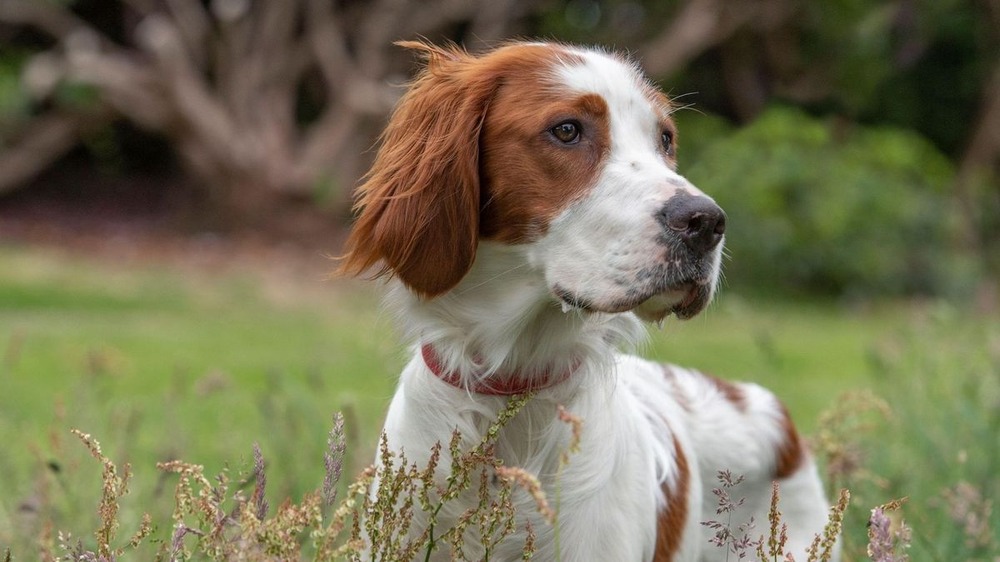
Pointing breeds make more sense when you view them as purpose-built animals. The “point” is part of a larger picture that includes searching, scenting, stamina, and an ability to work with a handler while thinking for themselves.
In a family home, that heritage can be a gift. It can also be a challenge if you expect a pointer to be satisfied with very little to do. With thoughtful training, enough movement, and a few outlets for their natural skills, many pointing dogs become steady, engaging companions who are as enjoyable on a quiet walk as they are when they light up on scent.