


You might first notice it on a morning walk: one dog charges out, grabs a ball, and returns as if it is the whole point of being alive, while another looks politely confused and wanders off to sniff a tree. That difference is not just training. For some breeds, retrieving is a deeply practised pattern of behaviour, shaped over generations.
Retrievers are often described as easy family dogs, and many are. Still, “easy” can hide the real work of living with a dog built for purposeful activity. When their daily life does not include enough movement, problem-solving, and chances to use their nose, they can invent their own projects, and owners often label that as cheekiness or stubbornness.
Understanding where retrieving breeds came from, and what their bodies and brains are set up to do, helps you choose well, and helps the dog settle. It also makes everyday decisions clearer: how much exercise is realistic, what training style fits, and what care actually keeps them comfortable over the long term.
History and origin of retrieving breeds
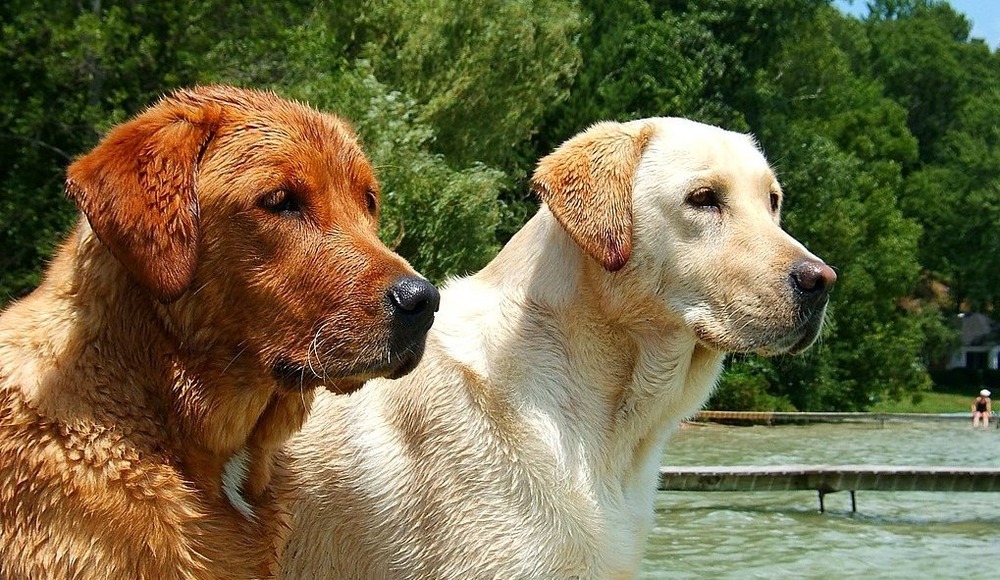
Retrieving breeds sit within the wider “gundog” tradition: dogs developed to work alongside people in the field, locating and carrying game from land and water. Over time, breeders selected for a blend of traits that still show up in pet homes today, including a strong desire to carry, a willingness to work with a handler, and the physical sturdiness to move through scrub, mud, and cold water.
In the United Kingdom, especially in the 1800s, shooting sports and organised dog breeding influenced the development and refinement of retriever types. Field trials and working tests later helped formalise what “good retrieving” looks like, not simply the return of an object, but steadiness, control, and a tender hold that brings game back intact.1
It is also worth knowing that “retriever” is not one single history. For example, the Golden Retriever has a documented origin in Scotland in the nineteenth century, linked to the breeding programme of Lord Tweedmouth at Guisachan Estate.2 That level of record-keeping is unusual in dog history, and it is part of why the breed’s story is often referenced when people talk about purpose-bred companion animals.
What makes a retriever look like a retriever

Most retrieving breeds are medium to large dogs with a build that suits steady endurance rather than quick sprinting alone. Many have a dense, weather-resistant coat, and the classic “otter tail” of the Labrador is a good example of form matching function, helping with balance and propulsion in water.
Some physical traits get repeated online with a bit too much certainty. People often mention “webbed feet”, and it is true that many water-oriented breeds have skin between the toes that can assist swimming. Still, it is better to think in terms of a whole swimming toolkit: coat texture, body shape, tail use, confidence in water, and early experiences all matter.
Perhaps the most practically important feature is the mouth. Retrievers were selected for a “soft mouth”, meaning they can hold and carry without crushing. As pets, this can translate into a dog that likes to pick things up and parade them around. It is not always “stealing”. Often it is simply a default behaviour that needs calm boundaries and a clear “swap” cue.
Temperament and behaviour in everyday homes
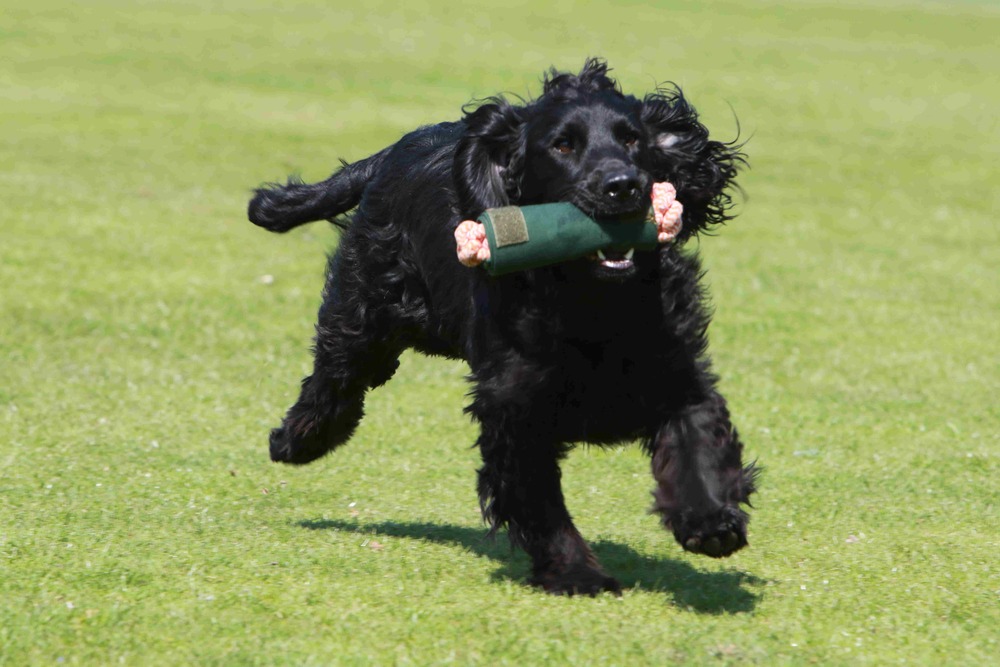
Many retrievers are socially confident, people-oriented, and highly trainable. That reputation is deserved, but it can lead to mismatched expectations. A young retriever, especially in adolescence, can be mouthy, bouncy, and intensely interested in the world. Without guidance, those traits can be frustrating in the kitchen, on the lead, or when visitors arrive.
Retrievers also tend to enjoy repetition. That is why fetch becomes a household routine so easily. The risk is that fetch becomes the only activity offered, and the dog learns to stay in a high arousal loop. A better aim is varied, low-conflict enrichment that includes sniffing, problem-solving, training games, and relaxed social time, not just throwing a ball until everyone is exhausted.3
With children and other animals, many retrievers are tolerant and steady, but good outcomes still depend on supervision and teaching everyone in the household what safe interaction looks like. Gentle handling is learned on both sides. Early socialisation helps, but so does ongoing practice of calm greetings, thoughtful play, and quiet downtime.
Training and exercise that actually suits a retriever
Retrievers often learn quickly, which can make training feel effortless at first. Then adolescence arrives and owners are surprised by selective hearing. It helps to remember that reliability is built through repetition in different places, not by drilling one perfect sit in the lounge room.
Positive reinforcement tends to work particularly well with retrievers because many are food-motivated and socially responsive. Keep sessions short, clear, and practical. You are teaching skills for real life, not performing a routine.
Useful foundations for most retrieving breeds include:
- Recall and check-ins, taught slowly and rewarded generously
- Loose lead walking, with planned sniff breaks rather than constant restriction
- “Drop” and “swap” to prevent conflict over stolen socks and kids’ toys
- Settle-on-a-mat work, so the dog practises switching off
Exercise needs vary by breed, age, and health, but the pattern is similar: daily movement plus daily mental work. The RSPCA highlights that enrichment is broader than exercise alone, and that sniffing, games, and variety help prevent boredom-related behaviour in dogs.3
Health and lifespan considerations
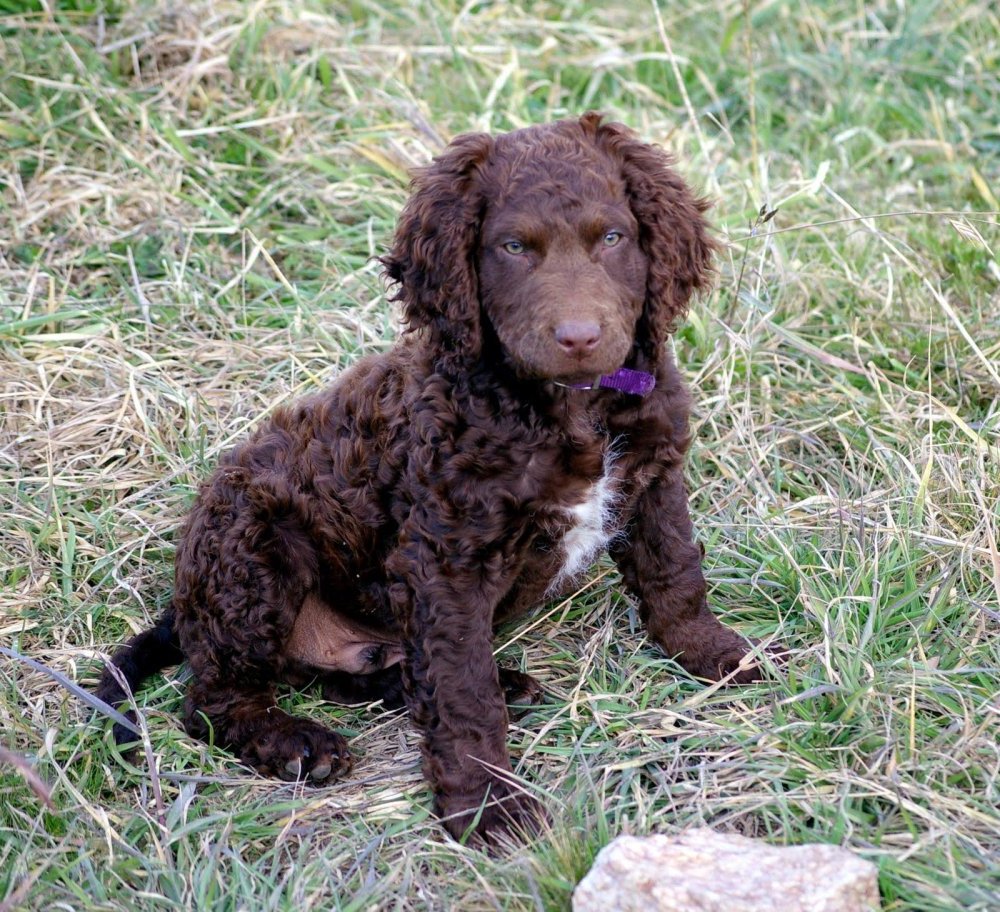
Many retrieving breeds live roughly into the 10 to 12 year range, though individual dogs vary. Like other medium to large dogs, some retrievers are predisposed to orthopaedic issues such as hip and elbow dysplasia. Eye conditions also occur in several retriever breeds, and responsible breeders screen for known problems where possible.
In daily life, one of the biggest protectors of long-term comfort is staying lean. Extra weight increases strain on joints and can quietly reduce a dog’s willingness to exercise. If you are unsure, ask your vet to score body condition and help set a realistic target.
Preventative care is not glamorous, but it is where good ownership shows up most clearly:
- Regular veterinary checks and timely vaccinations as advised for your area
- Parasite control suited to your dog’s lifestyle
- Dental care at home, plus professional advice when needed
- Age-appropriate exercise, especially for growing puppies
Grooming and coat maintenance
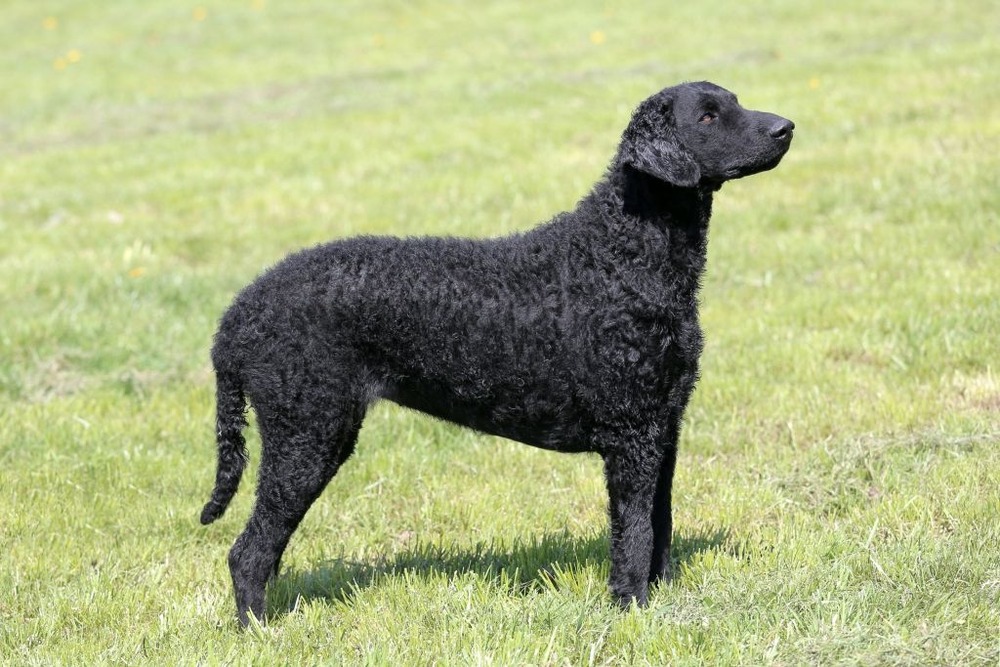
Most retrieving breeds have coats designed to handle weather and water. That usually means a dense undercoat and a topcoat that can trap debris. Brushing a few times a week prevents matting, reduces shedding through the house, and gives you a chance to notice skin changes, ticks, or sore spots before they become bigger problems.
Seasonal shedding is common, especially as daylight shifts. During heavy coat blows, daily brushing can help. Bathing should be occasional and purposeful, using dog-safe products and rinsing thoroughly so the coat does not become itchy or dull.
If your retriever swims often, pay attention to ears. Moisture trapped in the ear canal can contribute to irritation. Dry ears gently after swimming and speak with your vet if you notice redness, odour, or frequent head shaking.
Diet and nutrition for active, food-loving dogs

Retrievers are famous for enthusiasm around food, and that can be useful in training. It can also lead to creeping weight gain if portions are not measured and treats are not counted. A good diet for a retriever is less about trendy ingredients and more about suitability: the right calories, complete and balanced nutrition, and adjustments for life stage and activity.
The World Small Animal Veterinary Association provides practical nutrition guidelines and tools that encourage an individual nutrition plan and regular body condition monitoring, ideally with support from your veterinary team.4
Some human foods are genuinely dangerous to dogs. Australian RSPCA resources list common hazards such as chocolate, grapes and raisins, onions and garlic (allium family), macadamias, alcohol, caffeine, and products containing xylitol.5, 6 If you suspect your dog has eaten something toxic, contact your vet promptly.
Small details that make life easier with a retriever
Living with a retrieving breed often means living with a dog that notices patterns. If the lead comes out, they are ready. If the kids head to the back door, they assume a game is starting. You can use that sensitivity to build calm routines, rather than constantly managing excitement.
Two gentle shifts tend to help most households:
- Teach an “off switch” as actively as you teach recall, using a mat, chews, and quiet reinforcement for relaxing.
- Offer “retrieving” in different forms: hide-and-seek with toys, short scent games, and structured fetch with clear starts and stops.
Retrievers are often at their best when their day includes purpose, rest, and connection. When those needs are met, the classic retriever qualities, steadiness, responsiveness, and a willingness to carry life alongside you, tend to show up without being forced.
Final thoughts
A retrieving breed can be a deeply satisfying companion: up for an adventure, able to learn quickly, and usually comfortable in the social flow of family life. They are not only “fetch dogs”, though. They are working dogs in a family setting, and that means their needs are practical, not abstract.
If you are considering a retriever, look beyond the highlight reel. Ask whether you can provide daily movement and mental work, steady training, and the kind of routine that helps a dog settle. When those pieces are in place, retrieving breeds tend to fit into a home with a quiet sort of ease, the kind that looks simple from the outside because someone has taken the time to understand the dog in front of them.
References
- The Kennel Club: New to the field trials?
- The Golden Retriever Club (UK): Origin of the breed
- RSPCA Australia: The importance of enrichment for dogs
- WSAVA: Global Nutrition Guidelines
- RSPCA Australia: Household dangers to your pet
- RSPCA Pet Insurance: What fruit and vegetables to avoid feeding your dog
- American Kennel Club: Labrador Retriever
- American Kennel Club: Golden Retriever
- American Kennel Club: How to teach your dog to retrieve