Most people first notice dog vomiting when it interrupts an otherwise ordinary day: a dog that eats breakfast normally, then brings it back up on the patio, or retches on a walk after sniffing something irresistible. It is unsettling partly because it can mean almost anything, from a brief stomach upset to something that needs urgent care.
It also helps to gently challenge a common assumption: vomiting is not a diagnosis on its own. It is a sign that something has irritated the gut, affected the whole body, or changed how the stomach is moving. Working out which one you are dealing with is the difference between quiet home management and a prompt trip to the vet.
1
The goal is not to become your dog’s diagnostician. It is to notice patterns, spot the red flags early, and support recovery in a way that does not make things worse.
Common causes of dog vomiting

Vomiting can start with something as simple as eating too fast, scavenging, or a sudden diet change. Dogs explore with their mouths, and even well supervised dogs can manage to swallow scraps, plants, spoiled food, or non-food items on a walk.
1
Other causes sit a little deeper. Some dogs react poorly to particular ingredients, some develop gastrointestinal infections or parasite burdens, and some vomit because the problem is not primarily in the stomach at all, for example kidney or liver disease, pancreatitis, or exposure to toxins.
1, 2
It is worth keeping two ideas in mind at the same time:
- One episode can be minor, especially if your dog is bright, hydrated, and settles quickly.
- Repeated vomiting is a pattern, and patterns deserve a proper assessment, even if each episode seems small on its own.1
What to watch for at home
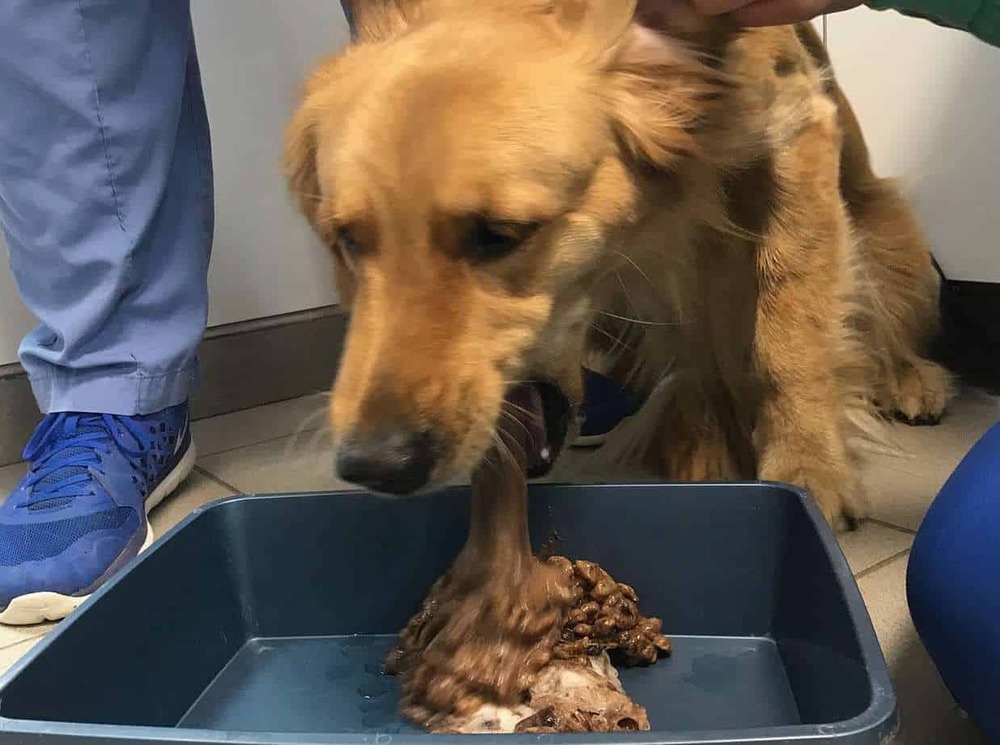
Vomiting often comes with small behavioural shifts that are easy to miss. Some dogs drool more, lick their lips, swallow repeatedly, or keep changing where they lie down. Others become quieter, stop finishing meals, or seem reluctant to move around much.
It also helps to separate vomiting from regurgitation.
Vomiting is active, usually with retching and abdominal effort. Regurgitation tends to be more passive, and the material may look undigested, as if it never reached the stomach. That distinction can change what your vet looks for first.
1
If you can, note the timing and context: whether it happened straight after eating, during exercise, overnight, or after possible scavenging. If it is safe, take a photo of the vomit. It sounds unglamorous, but it can genuinely help with triage.
When vomiting is urgent
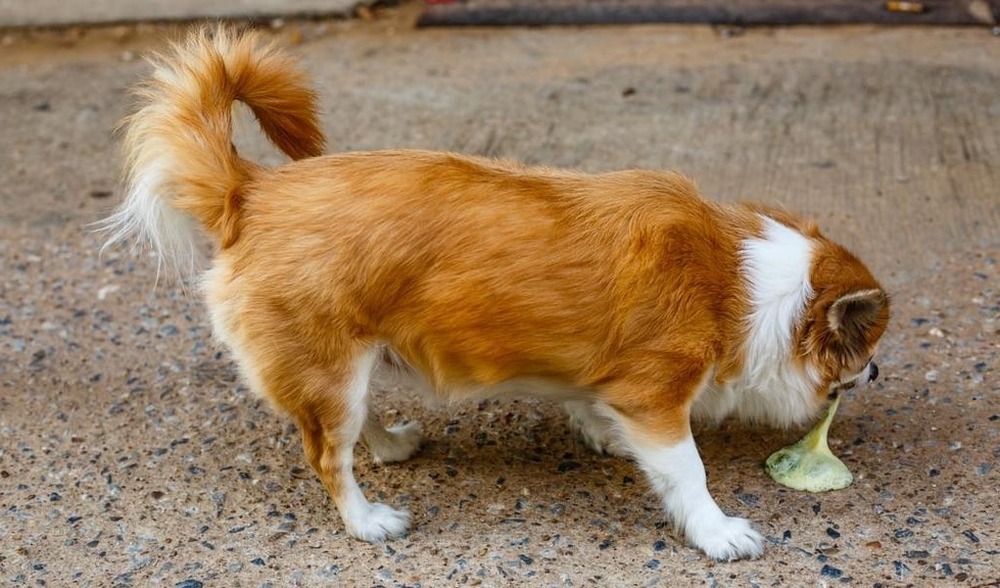
Some situations move beyond watchful waiting. Seek veterinary care promptly if any of the following are true:
- Repeated vomiting, for example several episodes in 24 hours, or vomiting that continues past a day.4, 5
- Blood in vomit, either bright red or dark and granular (often described as coffee ground like).6
- Marked lethargy, collapse, or obvious pain.1, 4
- Signs of dehydration (dry or tacky gums, weakness, not wanting to drink), especially in small dogs and puppies, who can deteriorate quickly.4
- A swollen abdomen, repeated unproductive retching, or agitation that could fit bloat (GDV), which is an emergency.7
- Possible toxin exposure, or suspected foreign body ingestion (toy pieces, bones, corn cobs, socks). Do not try to make your dog vomit at home unless a vet has specifically instructed it.8
Even when the vomiting itself has eased, ongoing nausea and dehydration can keep a dog feeling unwell. If your instincts say something is not right, it is reasonable to call your vet and talk it through.
4
How vets work out the cause
In clinic, the first step is usually a careful history and physical exam, including palpating the abdomen and asking detailed questions about diet, access to rubbish, medications, travel, and recent changes at home. Those details often narrow the field more than people expect.
From there, your vet may recommend tests based on what they find.
Common starting points include bloodwork, urine testing, faecal tests, and imaging such as X-rays or ultrasound, particularly if obstruction, pancreatitis, or systemic illness is a concern.
1
If vomiting becomes chronic, more specialised steps, including endoscopy and biopsy, can be considered to look for inflammatory disease, ulcers, or other underlying conditions.
1
Treatment options that are commonly used
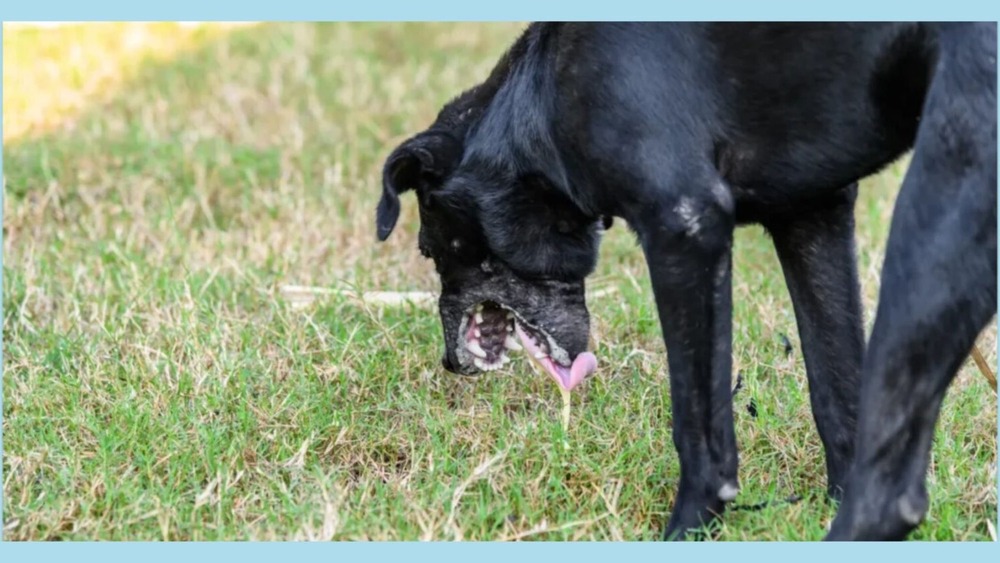
Treatment depends on the cause, but it often includes a combination of supportive care and targeted therapy. Many dogs benefit from short term diet changes, nausea control, and rehydration. If there is dehydration, ongoing vomiting, or systemic illness, your vet may recommend fluids, sometimes via injection under the skin or intravenously.
1
Diet is often part of recovery, but it needs to be approached thoughtfully. Smaller, more frequent meals can reduce the load on an unsettled gut. Your vet may suggest a temporary gastrointestinal diet, or a longer term strategy if there is suspicion of food sensitivity.
Medications can include antiemetics (anti-nausea), gut protectants, parasite treatments, antibiotics when indicated, and pain relief in specific conditions. If an obstruction or GDV is suspected,
surgery may be lifesaving, and time matters.
1, 7
Home care for mild, one-off vomiting
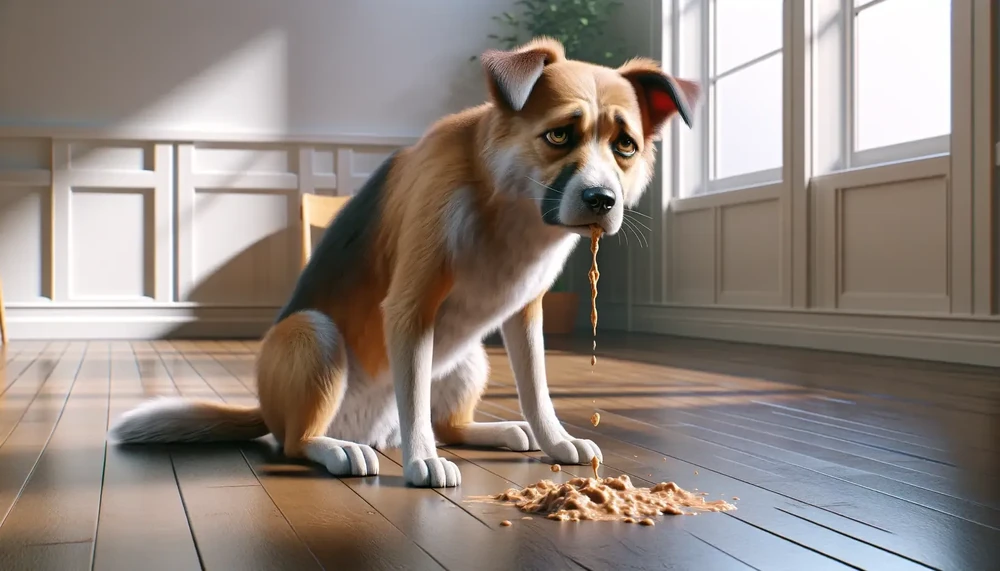
If your dog vomits once, then returns to normal energy and behaviour, home care may be appropriate. The guiding principles are rest, gentle reintroduction of food, and careful hydration.
3
Many vets advise a short break from food for uncomplicated, mild vomiting, followed by small bland meals if vomiting has stopped. Approaches vary on timing, and it is not appropriate for every dog.
Puppies, toy breeds, and dogs with medical conditions can be at risk if food is withheld, so check with your vet if you are unsure.
3, 4
Offer water in small amounts. Some dogs do better with frequent small sips, or ice cubes, rather than a big drink that triggers another vomit. If your dog cannot keep water down, that is a strong reason to seek veterinary care.
3
Prevention that makes a real difference
Not all vomiting is preventable, but a few steady habits reduce the odds of repeat episodes.
- Reduce scavenging opportunities: secure bins, pick up dropped food quickly, and practise a solid “leave it”.
- Introduce new foods gradually, and avoid frequent, abrupt diet changes where possible.
- Keep vaccination and parasite control up to date, especially for puppies and adolescent dogs who are still building immunity.9, 10
- Store toxins and medications safely, and assume dogs can reach more than you think, particularly when bored or anxious.
If you suspect a particular food or treat is involved, stop it and speak with your vet. In Australia, organisations such as the RSPCA also encourage reporting suspected pet food problems so patterns are easier to detect.
9
Final thoughts
Dog vomiting sits in that tricky space between common and sometimes serious. The most helpful response is usually calm observation paired with a low threshold for asking for help when the picture does not fit a simple, mild upset.
Focus on what you can control: notice changes, keep notes, protect hydration, and seek veterinary advice when vomiting repeats, when your dog seems unwell, or when the situation includes any red flags.
Good monitoring is proactive care, and it often shortens the road back to normal eating, normal walks, and a settled stomach.
References
- Merck Veterinary Manual (Pet Owner Version): Vomiting in Dogs
- My Corner Vet: Vomiting in Dogs and Cats, causes and when to see a vet
- Vets Love Pets: Why Is My Dog Vomiting? Home care and when to see a vet
- Perth Vet Emergency: My Pet Is Vomiting
- MustCare Vet Centres: Vomiting in Pets, causes and when to see a vet
- AdelaideVet: Vomiting Dog
- American Kennel Club: When to See the Vet and When to Treat at Home
- Animal Welfare League: Your guide to pet first aid
- RSPCA Australia: What to do if there’s a problem with your pet’s food
- RSPCA Knowledgebase: What is parvovirus and how can I protect my dog from it?

