


You usually start thinking about “dog care basics” after something small nudges you, a new dog in the house, a sudden bout of scratching, a fussy eater, a walk that feels harder than it should, or a behaviour you cannot quite read. Most of us begin with the obvious needs, food, exercise, a warm place to sleep, then realise the day to day details matter just as much.
Good care is less about doing everything perfectly, and more about noticing patterns. When your dog is a bit off, their body language changes, their appetite shifts, their coat dulls, they rest differently. Those are practical clues, and they are easy to miss if you are only focused on “training” or “getting enough steps in”.
In Australia, heat, parasites, and busy public spaces add their own layers. The aim is simple: support health, reduce preventable risks, and build routines that make life calmer for both of you.
Choosing the right dog for your life
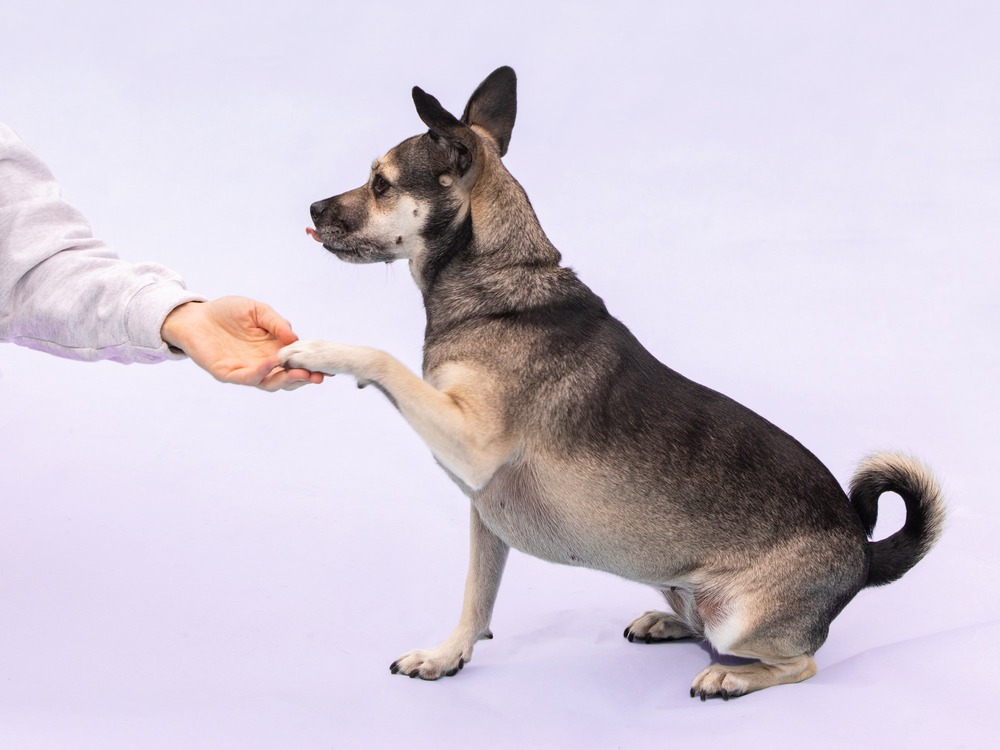
Choosing a dog is not only about breed traits or looks. It is about the daily reality of your home: time, energy, noise levels, visitors, stairs, yard access, and how often the dog will be alone. Even within a breed, individuals vary, but general tendencies can still help you avoid a mismatch.
If you are adopting, try to learn what the dog has already lived with, kids, other animals, apartment sounds, car travel, handling, grooming. If you are buying from a breeder, ask about health testing, early handling, and what support they offer after the puppy goes home. Whatever the route, planning for the next 10 to 15 years is part of the choice.
It also helps to think about “needs” as a mix of:
- Physical outlets (walking, sniffing, play, safe running)
- Mental work (training, puzzle feeding, new environments at a sensible pace)
- Social comfort (the right amount of interaction, plus time to rest)
Basic health care that prevents bigger problems

Routine veterinary care is where small issues are often caught early: dental disease, skin infections, weight gain, sore joints, or ear problems that quietly build over time. A regular check-up also gives you a place to ask the “small” questions that are not small at all, like changes in drinking, itchy paws, or ongoing soft stools.
Vaccination advice is best tailored to your dog’s risk and your local area, but most dogs need a set of core vaccinations, plus non-core vaccines depending on lifestyle (for example, boarding, dog parks, or high wildlife exposure).1
Parasite control is similar: the right plan depends on where you live and what your dog does. Ticks, fleas, heartworm, and intestinal worms are not just unpleasant, they can cause serious illness. Your vet can help you choose a schedule that fits your region and your dog’s age and health.
Nutrition and feeding without overcomplicating it
Feeding advice can get noisy fast, especially online. A calmer approach is to focus on three things: a complete and balanced diet, a portion that keeps your dog in a healthy body condition, and a feeding routine your household can actually maintain. The World Small Animal Veterinary Association (WSAVA) highlights the value of regular nutritional assessment and adjusting food to the individual, rather than sticking rigidly to a label forever.2
Puppies, adults, and seniors do have different needs, but you do not need a complicated spreadsheet. What matters is how your dog is tracking over time. If ribs are hard to feel, or the waist has disappeared, it is worth adjusting portions and treats early, because small gains add up.
Practical habits that help:
- Measure meals for a week, then adjust based on body condition and your vet’s guidance.
- Use part of the daily food as training rewards.
- Introduce diet changes slowly over several days to reduce stomach upset.
Exercise that fits the dog in front of you
Exercise is not only about wearing a dog out. For many dogs, especially those that get overwhelmed easily, the most valuable part of a walk is sniffing and decompression. A shorter, calmer outing can be more useful than a long, busy loop that leaves your dog wired.
Breed tendencies matter, but so do age, fitness, joint health, and temperament. A young working breed might need structured activity and training games. A brachycephalic dog (flat-faced) may struggle in heat or high intensity exercise and can overheat quickly. When in doubt, ask your vet what is appropriate, especially if your dog coughs, lags behind, or seems sore afterwards.
On hot days, plan walks early or late, keep sessions gentle, and avoid hot surfaces. Heat stress can become an emergency quickly, and cars are especially dangerous even on mild days.3, 4
Training and behaviour: clear, kind, consistent

Most everyday behaviour problems are not “naughty”. They are usually a dog trying to meet a need (space, safety, stimulation), or reacting to a situation they have not learned to handle yet. Training works best when it is built around reward-based learning, clear management, and realistic expectations for age and temperament.5
It is also worth being cautious of advice framed around “dominance” as a simple explanation for aggression or defiance. Veterinary behaviourists note that dominance is often misapplied in pet dogs, and that fear, conflict, and other factors are more likely drivers of aggressive behaviour toward people.6
If you are feeling stuck, a good trainer will help you sharpen timing and structure, while keeping your dog under threshold. For more complex cases, your vet can refer you to a qualified behaviour professional.
Grooming, ears, and teeth: small routines that pay off
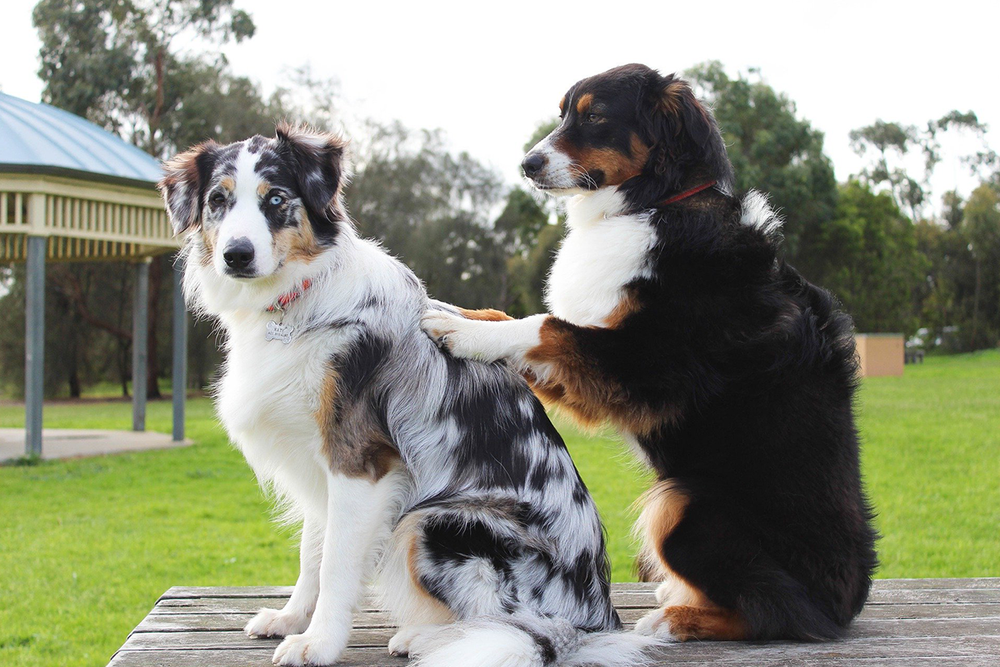
Grooming is not just cosmetic. Brushing helps you spot lumps, soreness, parasites, and skin irritation early. It also reduces matting, which can pull on the skin and create chronic discomfort, especially behind ears, under collars, and in armpits.
Dental care is one of the most overlooked basics. Tooth brushing is ideal, but not every household manages it consistently. If you use dental chews or diets, look for products with evidence behind them. The Veterinary Oral Health Council (VOHC) lists products that have met its standards for reducing plaque or tartar when used as directed.7
Ears are similar: some dogs never have issues, others need regular checks and occasional cleaning. If you notice redness, odour, head shaking, or persistent scratching, it is time for a vet visit rather than repeated home cleaning.
Safety and wellbeing at home and on the road
“Safe” often means seeing your home from dog height. Loose medications, toxic foods, unsecured bins, open gates, and accessible compost can all cause trouble. If your dog is a chewer, cords and small objects are worth managing early, before the habit becomes rehearsed.
Travel safety is another quiet essential. A well-fitted crate or car restraint reduces distraction and helps protect both the dog and passengers in sudden stops. In warm weather, plan errands so the dog is not left waiting. Australian animal welfare bodies and government guidance are clear that leaving a pet in a car can lead to heat stroke and death within minutes, even with windows cracked or shade.3, 4
Understanding canine communication
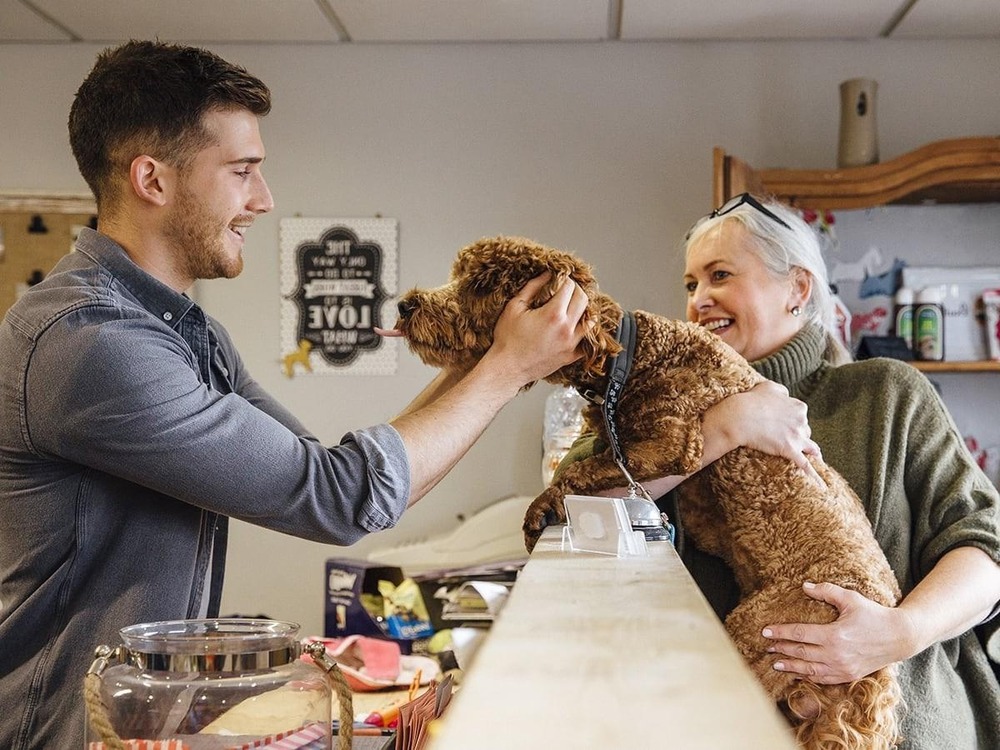
Life with dogs gets easier when you learn their early signals. Many dogs show subtle signs of stress or uncertainty long before they growl or snap, such as lip licking, yawning, turning the head away, or “fiddle” behaviours that look harmless out of context.8
When you spot those signs, the most practical response is often to create space, reduce pressure, and help the dog settle, rather than pushing through. This is especially important around kids, visitors, and other dogs.
If you want to build a stronger bond, consistency helps more than intensity. Short training sessions, predictable routines, and gentle handling teach your dog what to expect. Over time, that predictability can reduce reactivity and make everyday care, grooming, vet visits, travel, easier for everyone.5, 9
Final thoughts
Good dog care is a set of ordinary choices done repeatedly: the right food in the right amount, steady preventive health care, exercise that suits the individual, and training that helps your dog feel safe and understood. If you focus on what your dog is showing you, and adjust before problems become habits or emergencies, you will usually find your routines becoming simpler, not more complicated.
References
- American Animal Hospital Association (AAHA), 2022 Canine Vaccination Guidelines
- World Small Animal Veterinary Association (WSAVA), Global Nutrition Guidelines
- RSPCA Australia, Keeping your pet safe during the heat
- Agriculture Victoria, Heat and pets
- RSPCA Knowledgebase, How can I socialise my puppy?
- American College of Veterinary Behaviorists, Position Statements (Dominance and aversive methods)
- Veterinary Oral Health Council (VOHC), Accepted Products
- RSPCA Pet Insurance, How to interpret body language in dogs
- RSPCA Australia, Socialising your puppy