

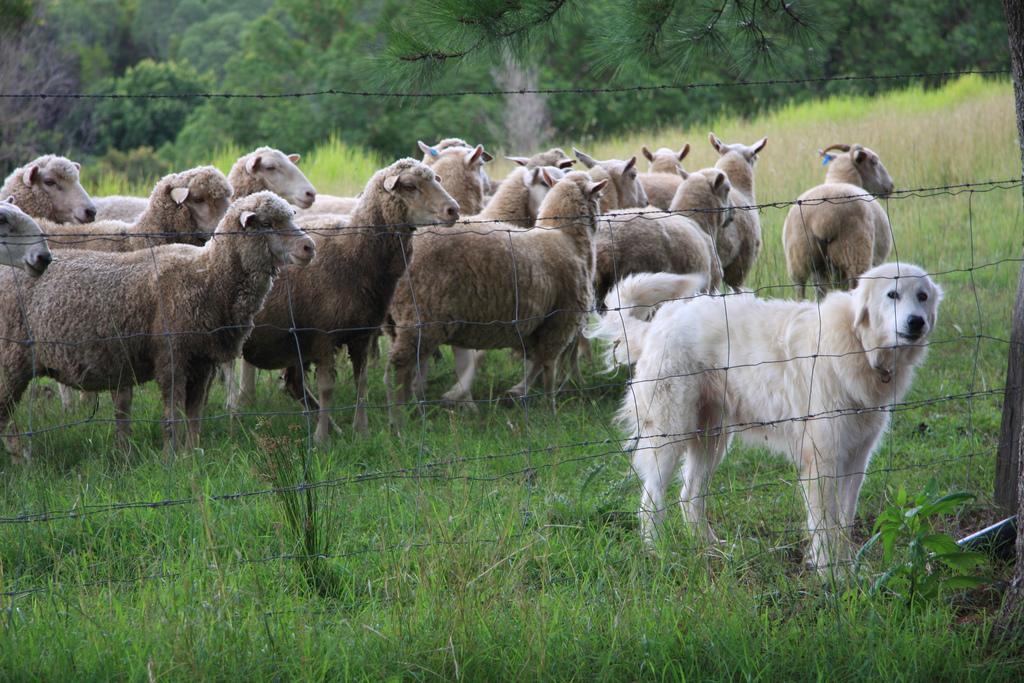
You do not usually go looking for livestock guardian dogs because you want another dog on the property. More often it starts with a pattern you cannot ignore: lambs that go missing, chooks that stop free ranging, a nervous mob at dusk, or fresh tracks along the fence line in the morning.
It is easy to assume the only real options are tighter fencing, more shooting, or just accepting losses as part of rural life. But for many producers, and for some smallholders doing their best with limited time, the more practical question becomes: can I change the predator pressure without turning the whole place into a fortress?
That is where livestock guardian dogs (LGDs) come in. Done well, they are less a quick fix and more a long-term management tool, based on bond, presence, and steady routines rather than constant intervention.
Where livestock guardian dogs came from
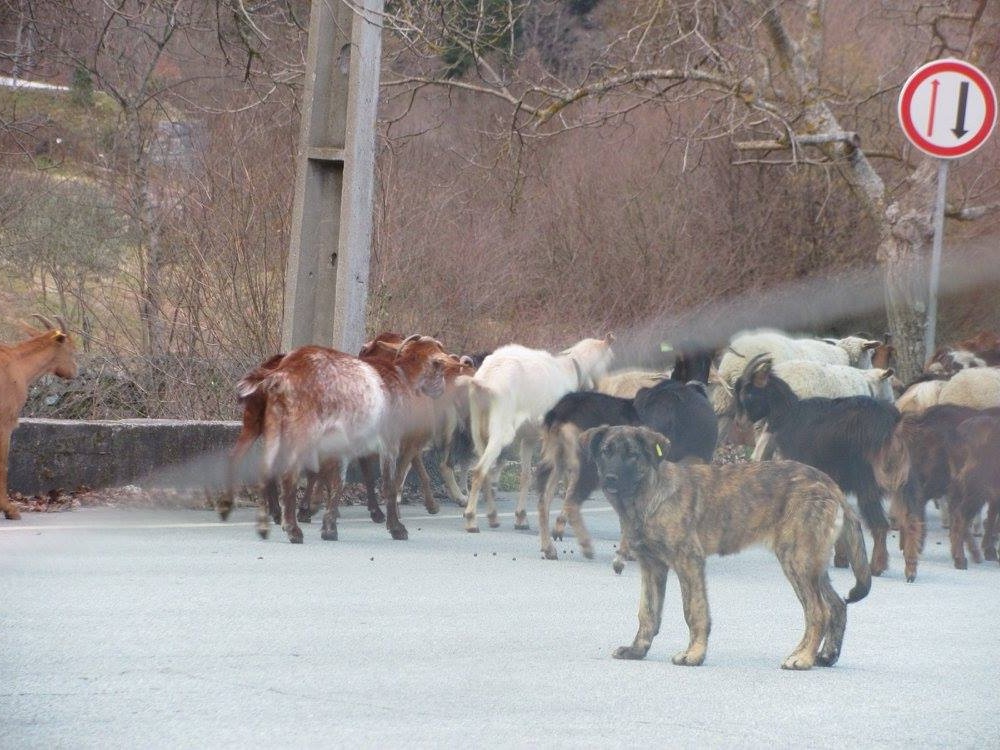
LGDs are not herding dogs, and they are not typical “watch dogs” either. They developed in pastoral systems where dogs lived with stock and helped reduce predation through round-the-clock presence, territory patrols, and escalating responses such as barking, posturing, and, if needed, physical confrontation.1, 2
Across regions, breeds were shaped by landscape and predators, but the working recipe stayed similar: large, weather-hardy dogs with the stamina to stay out, the judgment to work at distance, and a low tendency to harass the animals they live with.2, 3
Protection is mostly deterrence
One of the most helpful mindset shifts is this: good guardians aim to prevent a test. A confident dog that is regularly present with stock, especially overnight, can reduce opportunities for foxes and wild dogs, because predators tend to favour easy, low-risk targets.2, 3
What an LGD actually does on a property
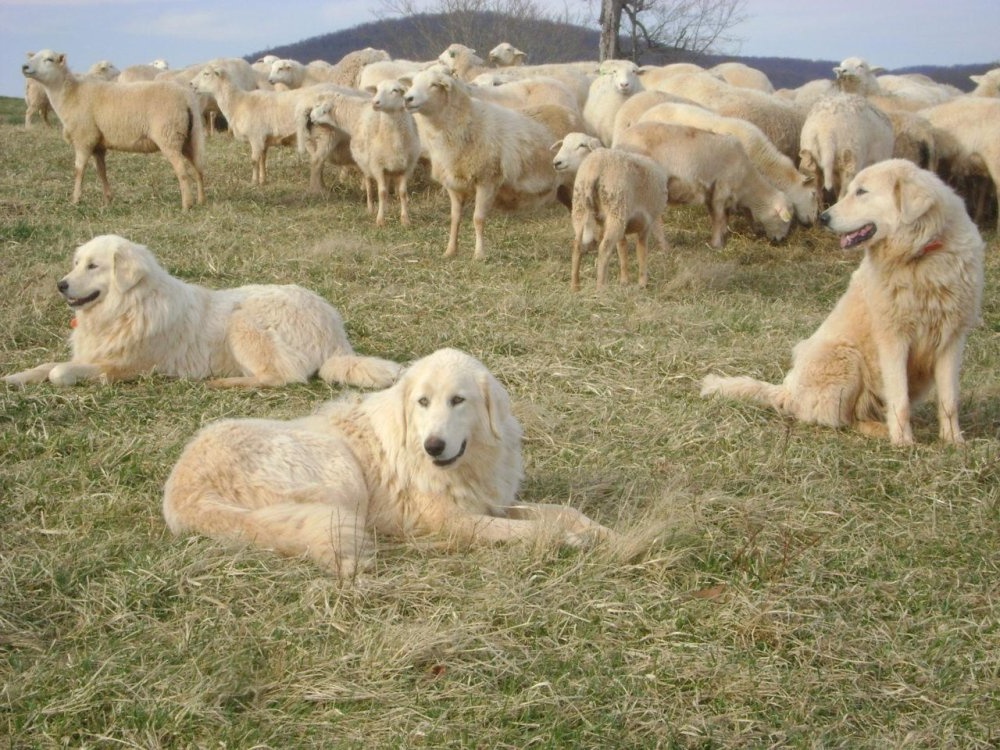
Most LGD work is quiet and repetitive. The dog moves with the mob, checks boundaries, watches changes in the environment, and uses vocalising as an early warning system. Many handlers notice that predators do not disappear completely, but they stop coming close enough to cause damage.3, 4
In Australian conditions, LGDs are commonly used against dingoes, foxes, and roaming dogs. Management matters because, unlike some overseas systems, guardians here often work with less direct shepherd presence, which makes early setup and stock bonding even more important.4
Pairs and “coverage”
Some properties do well with a single dog, others benefit from two or more. A second dog can reduce fatigue and improve coverage, particularly where paddocks are large, predation pressure is high, or stock are spread across multiple mobs.3
Appearance and traits that matter in day-to-day life
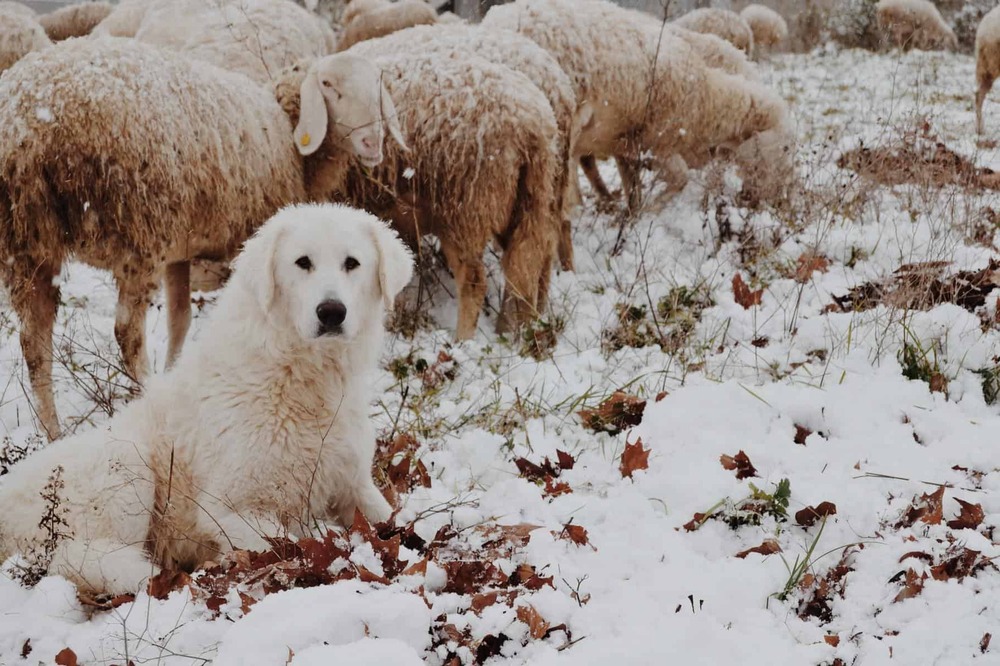
Most LGDs are large, solidly built, and made for weather. That size is not about intimidation for its own sake, it is about physical presence, endurance, and the ability to stay out with stock in heat, cold, and rain.
Temperament is the more important piece. A workable LGD tends to be steady, observant, and independent enough to make decisions without constant cues. Independence is useful, but it also means you are shaping a dog that will not look to you for every answer, so clear boundaries early are worth the effort.2, 3
Common breeds you will hear about in Australia
- Maremma Sheepdog, widely used in Australia and commonly recommended for sheep and poultry setups.4, 5
- Other LGD types used locally include Kangal and related guardian breeds, and Great Pyrenees lines in some areas.3
Personality, suitability, and the “pet versus worker” tension
A well-run guardian can be calm with familiar people, but they are not built to be easygoing with every visitor, dog, or unfamiliar situation. Many behaviour problems begin when expectations are mismatched, for example treating a young guardian like a suburban companion dog, then being surprised when it barks all night or challenges anyone near “its” paddock.
If you want a working LGD, the dog generally needs its social centre of gravity to be the stock. That does not mean no handling or affection. It means the dog learns, day after day, that the animals are its group and the paddocks are its workplace.2, 4
Children, visitors, and other dogs
Many guardians can live safely around children in the right setup, but they are big dogs with strong protective behaviours. Supervision, good fencing, and visitor routines matter, especially during adolescence when boundaries are still being tested.
With other dogs, some LGDs are social, others are selective. On properties where guardians work in pairs, careful introductions and enough space can help reduce friction. In tighter peri-urban blocks, conflict risk tends to rise, because neighbours, traffic, and off-lead dogs are hard to control.
Bonding, training, and daily management
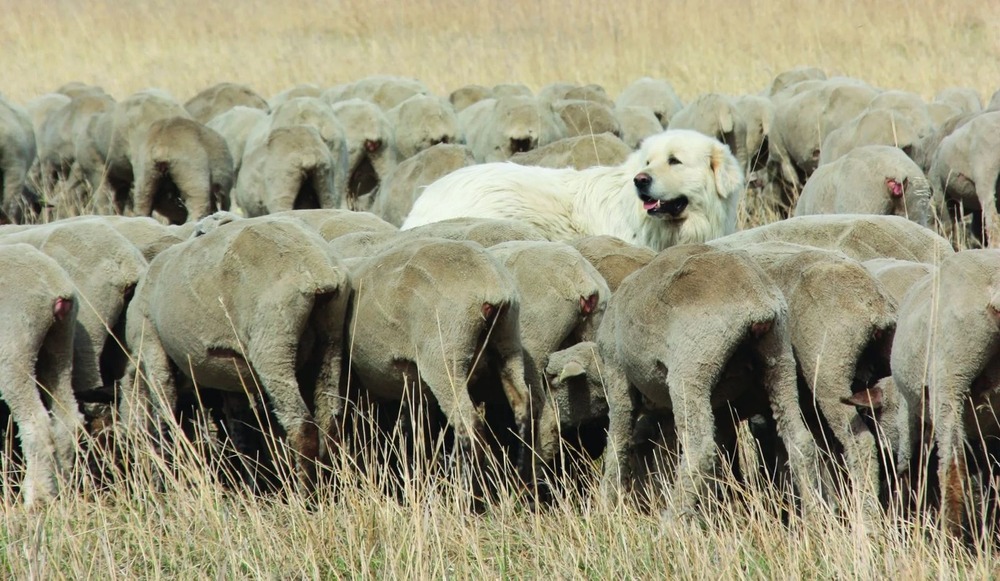
People sometimes say LGDs “do not need training”. The guarding instinct is real, but success still depends on management: what the pup lives with, what behaviours are allowed to rehearse, and how consistently you respond when things drift off course.3, 4
The early months are mainly about bonding and boundaries, not obedience titles. You are aiming for a dog that is safe with stock, confident in the environment, and responsive enough to be handled for health care and day-to-day property needs.
Early setup that tends to help
- Start with appropriate stock exposure, with supervision, so curiosity does not turn into chasing or rough play.
- Keep the pup’s “home base” where you want the adult dog to work, rather than constantly bringing it back to the house yard.2
- Teach calm handling: collar holds, walking on lead when needed, being checked over, and settling in a secure pen for short periods.
Exercise is not the same as “work”
LGDs often self-exercise through patrolling and moving with stock. They usually do not need high-arousal games, and in some dogs, repeated chase play can spill over into livestock interactions. What they do need is enough space, a stable job, and routines that keep them from rehearsing nuisance behaviours like fence-running or roaming.
Health and lifespan, what owners should watch for
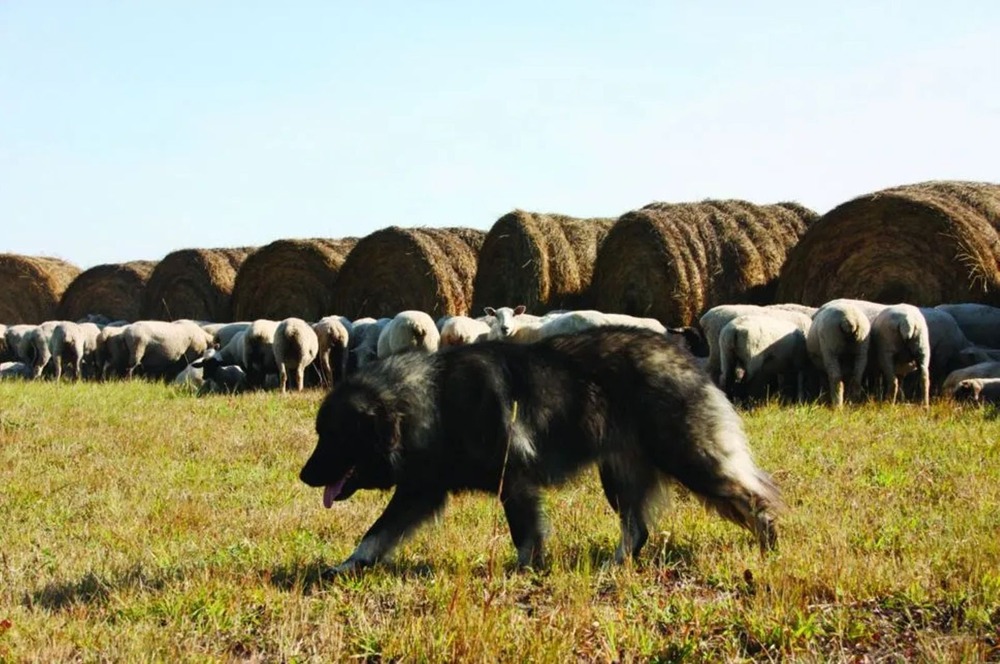
Most LGDs are physically robust, but their size brings predictable risks. Joint disease (including hip dysplasia) is a common concern in large breeds, and maintaining a lean body condition throughout life is one of the simplest ways to reduce strain on hips and elbows.6
Another risk worth understanding is gastric dilatation volvulus (GDV), often called bloat. It is a medical emergency seen more commonly in large, deep-chested dogs. Feeding management can reduce risk, for example splitting food into multiple meals, slowing fast eaters, and avoiding hard exercise around mealtimes.7, 8
When to call the vet urgently
If a dog is retching without bringing anything up, has a rapidly swelling abdomen, is drooling, restless, or collapses, treat it as an emergency and seek veterinary care immediately.8
Coat care, feeding, and practical maintenance
Most guardian breeds have dense double coats. Weekly brushing is usually enough outside shedding season, with more frequent grooming when the undercoat drops. Regular checks of ears, nails, and teeth matter, not because guardians are delicate, but because these dogs can be stoic and live at a distance from daily close handling.
Feeding is less about chasing trends and more about consistency, quality, and keeping the dog fit for long-term work. For large breed pups, talk with your vet about a diet that supports steady growth, as rapid growth and excess weight can worsen joint stress.6
A note on raised bowls and bloat
You will still hear raised feeders recommended for big dogs. Evidence is mixed across different studies and contexts, but several veterinary sources advise caution with elevated bowls for dogs at risk of GDV. If you are concerned, discuss your individual dog’s risk factors with your vet and focus on meal size, eating speed, and rest periods around feeding.7, 8
LGDs in Australia, a reminder of what “success” looks like
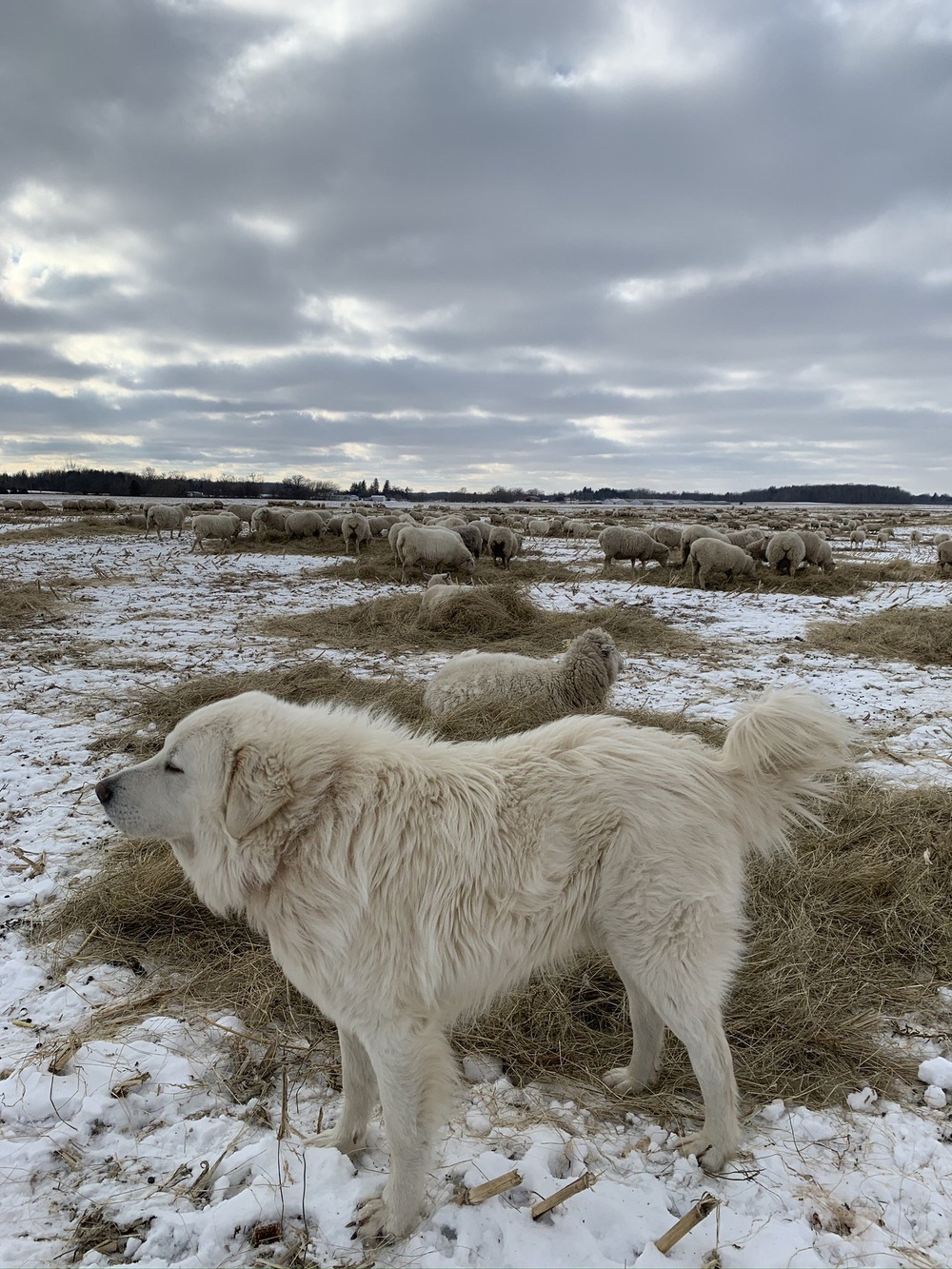
There is a real-world temptation to judge a guardian by whether you have seen it “do something”. Often the best sign is more subtle: calmer stock, fewer night-time disturbances, and losses that drop to a level you can live with. Research and producer experience in Australia suggest that, when properly selected, bonded, and managed, guardian dogs can be an effective part of a predator management plan, with costs and effort that typically pay back over time.2, 4
They also sit within a bigger picture. Fencing, human routines, carcass disposal, and neighbour relationships still matter. An LGD can be the anchor, but it works best when the whole system supports the dog’s job.
A well-known Australian example
Maremmas became widely recognised outside farming circles through their use protecting penguins on Middle Island in Victoria. It is a useful reminder that the core skill is not “loving” a particular species, it is forming a stable social bond and responding to perceived threats within a defined territory.9
Final thoughts
Livestock guardian dogs can be quietly transformative on the right property. They are not a plug-in solution, and they are not suited to every block or every household. But when expectations are realistic, and the early months are handled with care, an LGD can become a steady presence that changes predator behaviour, supports animal welfare, and gives people back a bit of breathing room in their day-to-day management.
References
- Australian Wool Innovation: Guardian dogs protect flocks from predators
- ABC News (Rural): Maremma guard dogs proving beneficial for livestock producers
- Livestock Guardian Dogs Australia: Services and overview of LGDs
- Livestock Guardian Dogs Australia: Protect your livestock from predators
- The Maremma Sheepdog (maremma.com.au): Breed background and working overview
- Walkerville Vet (Australia): Hip dysplasia, prevention and management tips
- American Animal Hospital Association (AAHA): Understanding canine bloat (GDV)
- Cornell University College of Veterinary Medicine: Gastric dilatation volvulus (GDV) or bloat
- Parks Victoria: Middle Island Maremma guard dogs project