

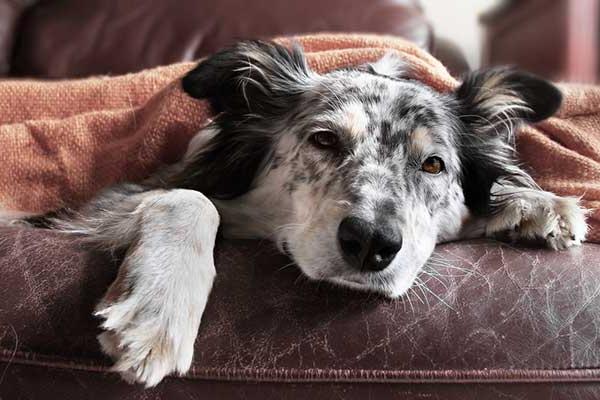
You usually start thinking about a dog’s digestion when something changes that does not quite fit your “normal”. A dog who scoffs meals suddenly picks at food. Stools swing from firm to sloppy. There is a bit of vomit on the floor, then it happens again, and you are left wondering whether it is a one-off or the start of something more.
It is tempting to assume most tummy upsets are just “something they ate”, and often that is partly true. Dogs explore with their mouths, their gut is sensitive to sudden diet changes, and mild irritation can settle quickly. The tricky part is that the same early signs, vomiting, diarrhoea, reduced appetite, can also sit on top of problems that need proper veterinary care.
Digestive disorders matter in practice because they affect hydration, nutrient absorption, comfort, and day-to-day behaviour. They can also be the first hint of issues elsewhere in the body. Knowing what patterns to watch for helps you respond calmly, keep good notes, and get help at the right time.1, 2
Common digestive disorders in dogs
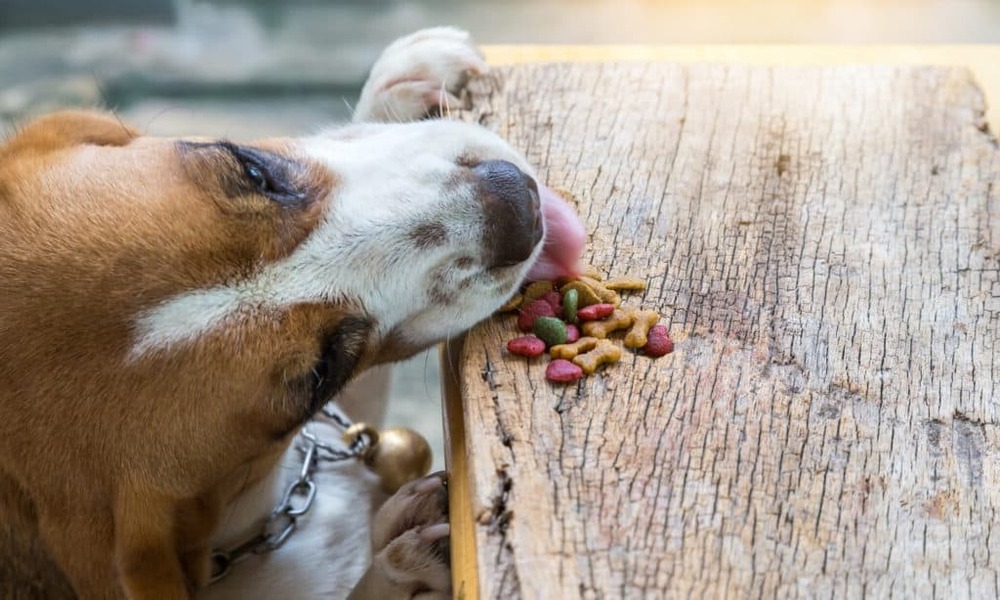
“Digestive disorder” is a broad label. Sometimes it refers to a short-lived irritation in the stomach or intestines (often grouped as gastroenteritis). Other times it points to a specific diagnosis such as pancreatitis, food-responsive chronic enteropathy, or inflammatory bowel disease (IBD). The overlap in signs is exactly why observation, history, and diagnostics matter.
Gastritis and gastroenteritis
Gastritis is inflammation of the stomach lining. Gastroenteritis involves the stomach and intestines. Both can show up as vomiting, diarrhoea, nausea (lip licking, drooling), and a dog who seems “off food” for a day. Common triggers include scavenging, rich foods, sudden diet changes, stressors, parasites, and some infections. In many uncomplicated cases, the gut settles with supportive care, but persistent signs deserve a check-up.
Pancreatitis
Pancreatitis is inflammation of the pancreas, and it can range from mild to severe. You might see vomiting, reduced appetite, abdominal discomfort, lethargy, and sometimes diarrhoea. A history of dietary indiscretion (for example, fatty scraps) is a recognised risk factor, although many cases have no clear single cause.3
Chronic enteropathy and IBD
When vomiting or diarrhoea drags on for weeks, or keeps returning, vets often talk about chronic enteropathy. Some dogs improve with a carefully chosen diet trial, some need targeted parasite control, and some need additional medication. “IBD” is sometimes used loosely in everyday conversation, but a definitive IBD diagnosis is based on intestinal tissue biopsies, and not every long-running gut issue turns out to be IBD.4, 5
Foreign body obstruction
Dogs are famous for swallowing things they should not, socks, corn cobs, toys, bones, string. A blockage can look like an ordinary tummy upset at first, then escalate. Ongoing vomiting, inability to keep water down, abdominal pain, lethargy, and trouble passing stools can all fit. Linear objects (like string) are particularly risky because they can damage the gut as it tries to move them along.6, 7
Symptoms that are worth taking seriously
Digestive signs are common, but the pattern and the “whole dog” picture matter. A single vomit in an otherwise bright, hydrated dog is different from repeated vomiting in a dog who looks flat, painful, or dehydrated.
Keep an eye on:
- Vomiting frequency and whether it is getting worse
- Diarrhoea that is watery, persistent, or waking your dog at night
- Blood in vomit or stool, or black, tarry stools
- Refusing water, or vomiting after drinking
- Abdominal swelling, obvious discomfort, or a “praying” posture
- Lethargy, weakness, collapse, or pale gums
- Weight loss, ongoing poor appetite, or recurrent episodes
When to contact a vet promptly
It is sensible to call your vet the same day if vomiting or diarrhoea continues beyond 24 hours, or sooner if your dog is very young, elderly, pregnant, or has an underlying condition. Seek urgent care if there is blood, marked lethargy, repeated vomiting, suspected toxin exposure, or any concern they may have swallowed an object. If your instincts are telling you “this is not my dog’s normal”, that is information too.1, 8
How vets work out what is going on
The most useful “test” often starts with your observations. When did it begin? Any diet change? New treats? Access to rubbish, compost, or a chewed toy? Recent boarding, dog park visits, stress, new medications, or scavenging on walks? Bringing a timeline helps the consult move quickly.
From there, your vet may recommend a combination of:
- Physical examination, including hydration and abdominal palpation
- Faecal testing for parasites or infection
- Blood tests to assess inflammation, organ function, electrolytes, and pancreatitis markers
- Imaging (X-rays and ultrasound) to look for obstruction, foreign material, or organ changes
- Endoscopy and biopsies in selected chronic cases, especially if signs persist despite diet and parasite trials
Sometimes the first visit is about ruling out urgent problems, stabilising hydration, and choosing safe next steps. In chronic cases, diagnosis can be a staged process, where response to a structured diet trial is part of the information, not a “guess”.5, 6
Treatment and support, what commonly helps
Treatment is always tied to the cause, but there are a few themes you will see again and again. Many dogs need rehydration and rest for the gut, whether that happens at home under guidance or in hospital with intravenous fluids.
Depending on the diagnosis, your vet may use:
- Anti-nausea and gut-protectant medications
- Pain relief (especially in pancreatitis or obstruction concerns)
- Antiparasitic treatment if parasites are suspected or confirmed
- Antibiotics in specific situations, not as a default for every diarrhoea case
- Diet therapy (a highly digestible diet, a novel protein diet, or a hydrolysed diet)
- For foreign bodies, endoscopic retrieval or surgery when needed
With pancreatitis, management is usually supportive (fluids, anti-nausea care, pain relief, and nutrition planning) and can vary depending on severity and any underlying risk factors. Follow-up matters, because a dog can look “a bit better” while still being dehydrated or nauseous.3
Dietary management and prevention that feels realistic

Food is not the cause of every digestive disorder, but it is one of the few factors you can control day to day. For a lot of dogs, prevention looks less like the “perfect” diet and more like avoiding the common disruptions that throw their gut off.
Helpful habits include:
- Change foods slowly over several days, especially for dogs with a sensitive gut
- Keep treats predictable and modest, and watch the “extras” adding up
- Avoid rich table scraps, fatty trimmings, and cooked bones, which can create trouble in multiple ways
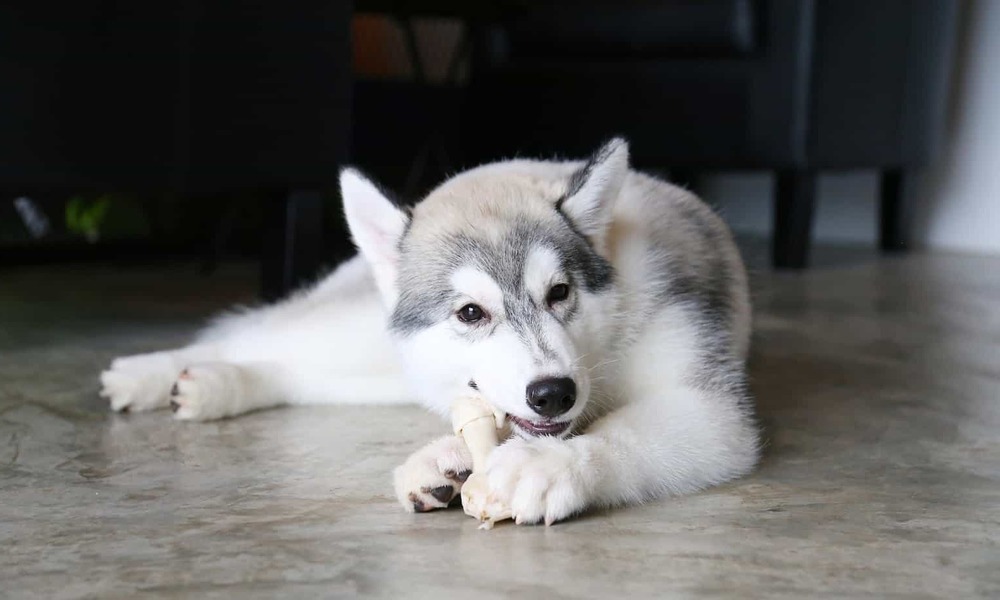
- Use chew toys thoughtfully, and supervise dogs who are determined swallowers
If your vet recommends a diet trial for chronic signs, it needs to be done cleanly to be meaningful. That usually means the prescribed diet only, plus approved treats, for the full trial period. Even small “just this once” add-ons can blur the result and prolong the process.9, 10
Home care and monitoring between vet visits
Home care is not about doing everything yourself. It is about keeping your dog comfortable, sticking to the plan, and noticing what changes. The most practical tool is a simple diary: appetite, water intake, vomiting episodes (time and appearance), stools (frequency and consistency), energy, and any new exposures.
At home, focus on:
- Offering water little and often if your vet has said it is safe, and watching for vomiting after drinking
- Feeding exactly as directed, including meal size and frequency
- Keeping them off scraps and unapproved treats while recovering
- Limiting strenuous exercise until energy and stools are back to normal
If signs worsen, new signs appear (especially blood, repeated vomiting, increasing lethargy, or suspected foreign body ingestion), or your dog cannot keep water down, contact your vet promptly. Digestive disorders can shift quickly, and early support is often simpler than late rescue care.6, 7
Final thoughts
Most dog owners will deal with some level of vomiting or diarrhoea at some point, and it is not always a crisis. The skill is learning your dog’s baseline, noticing when the pattern changes, and taking the signs seriously without panicking.
A calm approach helps: keep notes, avoid sudden diet experiments, and involve your vet early when the signs are persistent, severe, or simply not adding up. Digestive health is rarely about one perfect trick, but about steady routines, sensible prevention, and timely care when your dog needs more than time to settle.
References
- American Kennel Club: When to see the vet and when to treat at home
- VCA Animal Hospitals Urgent Care: Diarrhea or vomiting
- Merck Veterinary Manual: Pancreatitis in dogs and cats
- VCA Animal Hospitals: Inflammatory bowel disease (IBD) in dogs
- WSAVA: Gastrointestinal guidelines and standardisation resources
- Cornell University College of Veterinary Medicine: Gastrointestinal foreign body obstruction in dogs
- American College of Veterinary Surgeons: Intestinal obstruction (gastrointestinal foreign bodies)
- VCA Animal Hospitals: Ingestion of foreign bodies in dogs
- RSPCA Australia: What should I feed my dog?
- American Animal Hospital Association (AAHA): Nutrition and weight management guidelines