

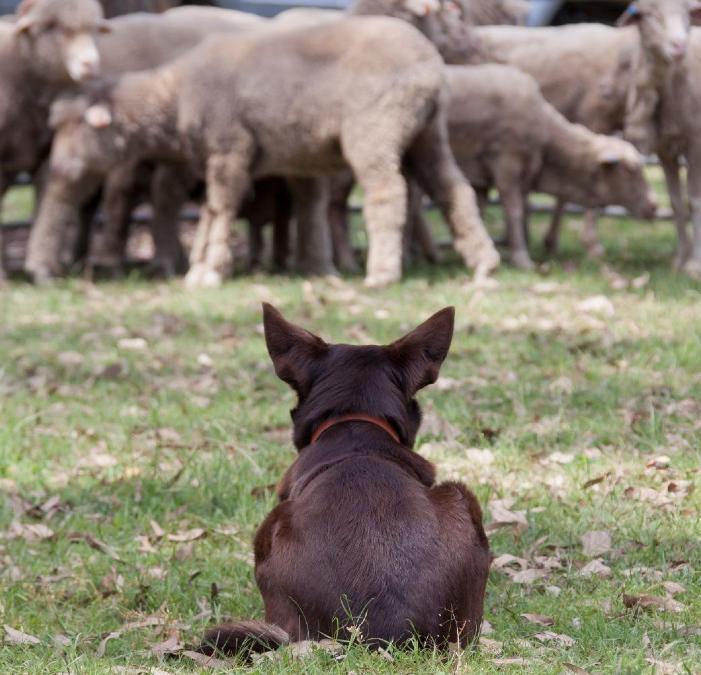
You might first notice an Australian Cattle Dog when a friend’s “heeler” seems to be switched on all the time, tracking movement in the yard, shadowing people from room to room, or inventing work if none is offered. Sometimes it looks like restlessness. Sometimes it looks like mischief. More often, it is simply a dog doing what it was shaped to do: observe, decide, and act.
It is easy to assume a cattle dog is “just a herding breed”, and that enough exercise will smooth everything out. In practice, the Australian Cattle Dog is a particular kind of working dog: independent, physically tough, and built for long days of purposeful movement. That combination can make them brilliant companions for the right home, and surprisingly hard to live with if their needs are guessed at rather than understood.
Getting to know the breed means looking past the nickname and the speckled coat, and paying attention to how they learn, how they cope with busy environments, and what they tend to do when they feel under-stimulated. The details matter, because they shape daily life: training, social time, handling, and even the kind of mistakes that can snowball into ongoing behaviour problems.
Early development and work on Australian cattle stations
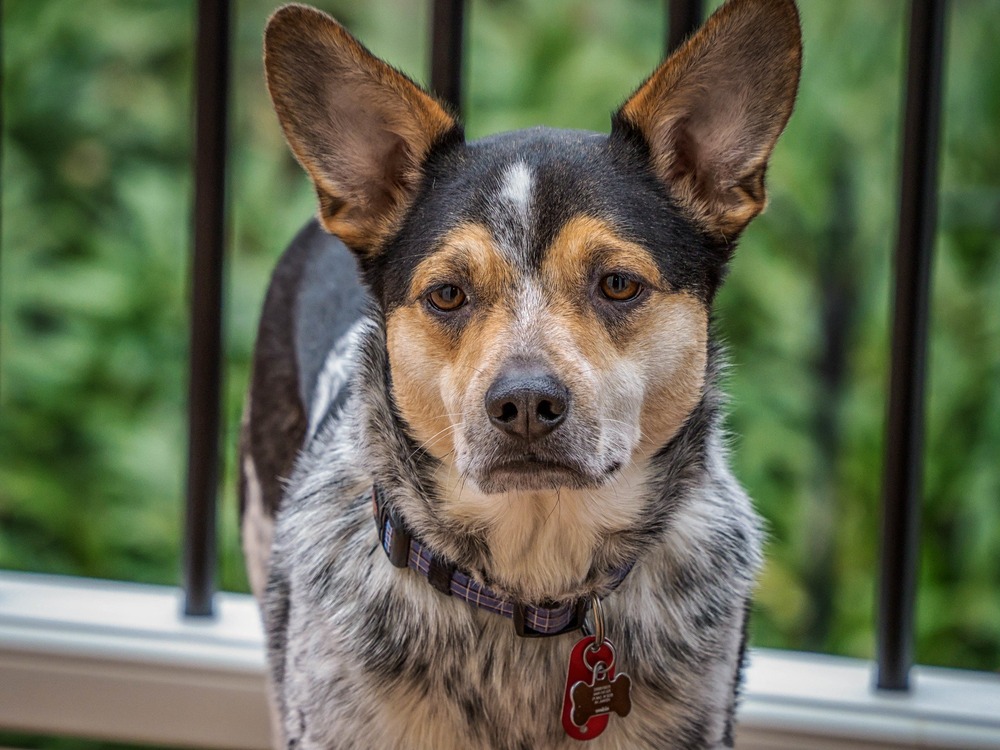
The Australian Cattle Dog (often called the Blue Heeler or Queensland Heeler) was developed in the 1800s to move cattle across distance and heat, while staying steady enough to work close to hooves and horns. The breed’s story is tied to pastoral work: dogs that could think on the run, tolerate harsh conditions, and keep going when a softer dog would fade. 1
A commonly repeated piece of breed history centres on Thomas Hall, who in the 1840s is widely credited with developing “Hall’s Heelers” by crossing working dogs with dingoes. Accounts vary in the finer points, but the practical aim is consistent: produce a dog tough enough for Australian conditions, with the stamina and nerve to shift cattle efficiently. 2, 3
That background helps explain why many Australian Cattle Dogs are at their best when life feels organised and meaningful. They tend to cope well with routine, and they often settle more readily when they have a role, even if that role is simply structured training, a daily run, and a few short jobs around the home.
What they look like, and why it suits the job
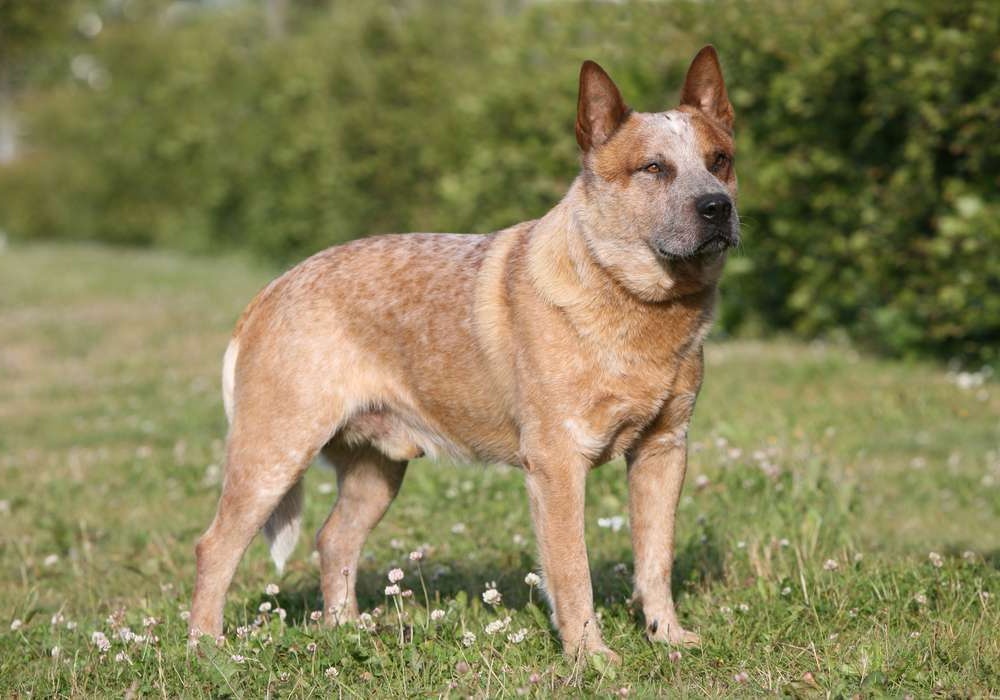
The breed standard describes a compact, muscular dog designed for endurance and agility. Their coat is short to medium length, weather-resistant, and typically appears in blue speckle or red speckle. These patterns are not just “pretty markings”, they are part of a practical coat built for outdoor work. 1
Size varies, but most adults sit in the medium range. What stands out more than height is the overall balance: a dog that can accelerate quickly, turn hard, and keep moving without falling apart. If you are meeting puppies, it is worth watching how the breeder’s adult dogs move and recover, because soundness matters in a breed that naturally wants to do a lot. 1
Temperament and everyday behaviour
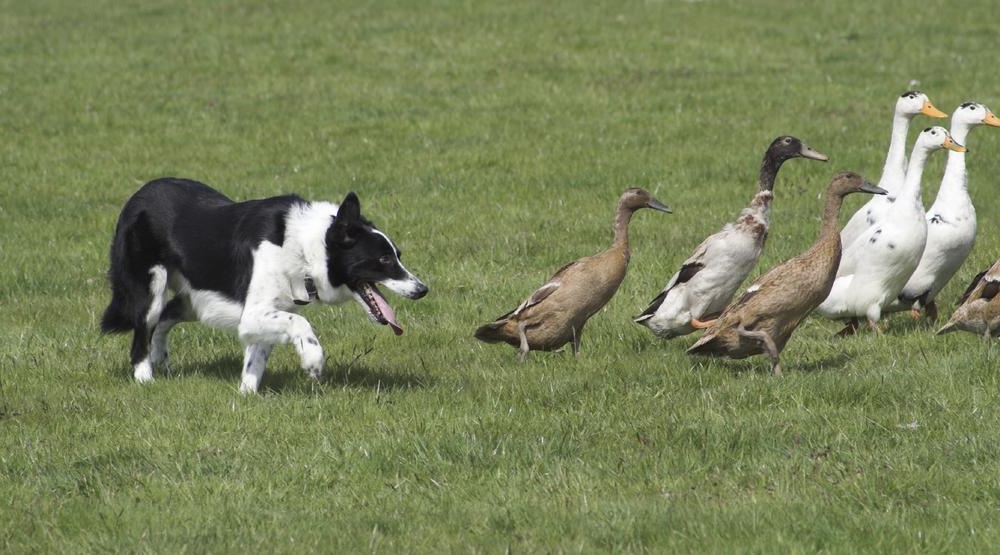
Australian Cattle Dogs are often described as intelligent, loyal, and energetic. Those labels are broadly true, but they can hide the more useful detail: many of these dogs are fast pattern learners and persistent problem-solvers. If a behaviour works once, they may repeat it, whether it is polite (offering a sit) or inconvenient (barking to start a game). 4
They also tend to be alert to movement, including running children, scooters, and other pets. That does not mean they are “bad with kids”, but it does mean households often need clear rules about chasing games, doorways, and rough play. The herding instinct can show up as circling, blocking, and in some lines, nipping at heels. With calm handling and early training, many dogs learn better ways to cope with excitement.
Stranger wariness is common. In day-to-day life, this can look like a dog that watches visitors carefully, prefers space, and settles only after a routine is established. Early, gentle exposure helps, but so does respecting the dog’s need for distance. Pushing interactions too fast can create the very reactivity people are trying to avoid.
Training and socialisation that actually helps
Because they are bright, Australian Cattle Dogs can look “fully trained” early on, then hit a tough adolescent phase where they test boundaries and rehearse unwanted behaviours. It helps to think in terms of skills that mature over time: impulse control, calm greetings, and the ability to disengage from movement. 5
Reward-based training tends to suit the breed well, especially when rewards include play, permission to move, and short bursts of learning rather than long drills. Many cattle dogs enjoy training that feels like a puzzle, but they also benefit from clear, consistent limits around what behaviour earns attention. 5
If you are building a well-rounded adult, socialisation is not about your puppy “meeting everyone”. It is about teaching neutrality and confidence. Useful early experiences often include:
- watching the world from a comfortable distance, then leaving before the puppy gets overwhelmed
- brief, positive handling (paws, ears, collar) paired with treats
- calm exposure to bikes, prams, dogs at a distance, and different surfaces
- planned rest, because constant activity can build endurance without building calm
Exercise and enrichment, beyond the long walk
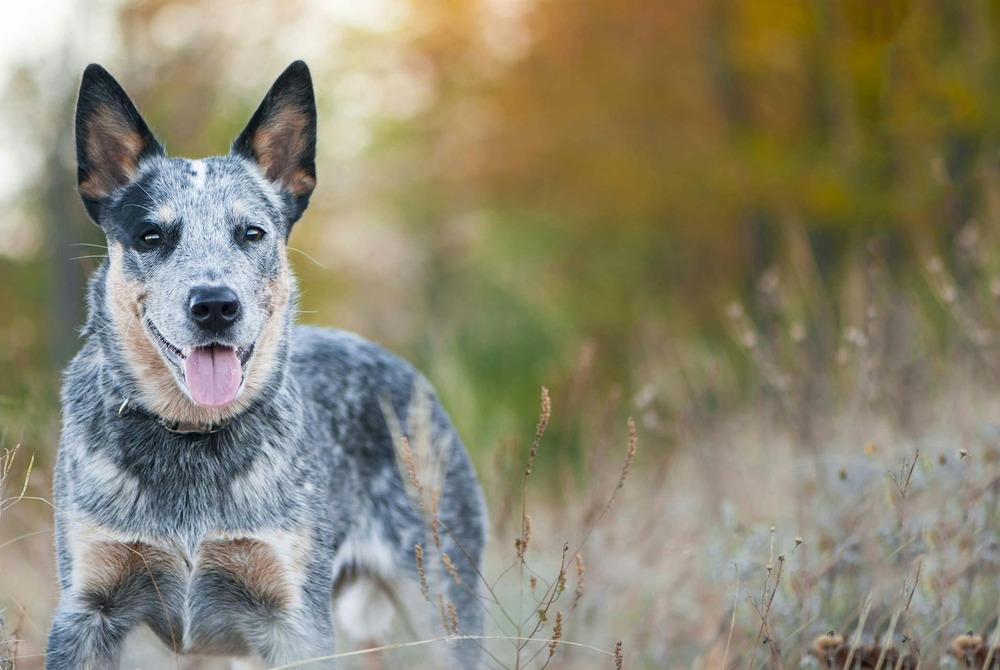
Australian Cattle Dogs do need exercise, but many also need a better mix of exercise. If all they get is more and more running, they may become exceptionally fit while staying mentally edgy. In practice, a combination of movement, training, and decompression tends to work best.
Good options include recall games, scent work, controlled tug, trick training, and structured fetch with rules (for example, a short sit before the next throw). Many dogs also thrive in dog sports such as agility, obedience, rally, tracking, and herding where available. The goal is not to keep them busy all day, it is to meet their need for purposeful activity and then teach them how to switch off.
Health considerations and lifespan
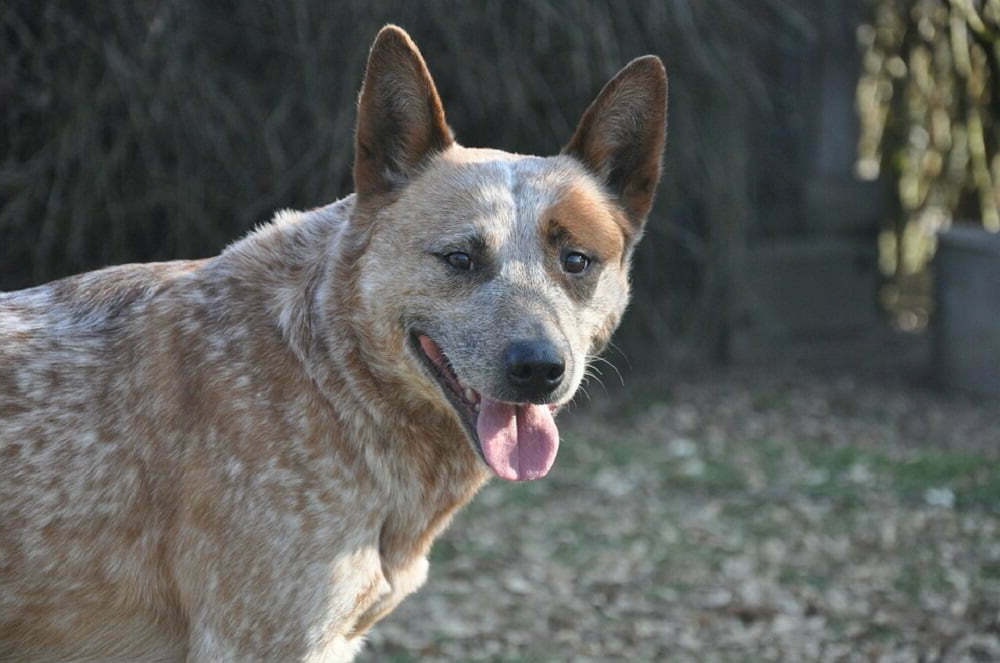
Many Australian Cattle Dogs live long lives, commonly into the low to mid teens, though any individual dog’s lifespan depends on genetics, health care, and day-to-day management. 6
Like all breeds, they have conditions that come up more often in the population. Issues commonly discussed by breed and health organisations include hip dysplasia, inherited eye disease (including forms of progressive retinal atrophy), and congenital hereditary deafness. If you are buying a puppy, ask what health screening is done in the line, and request written evidence rather than relying on verbal reassurance. 7, 8
Deafness deserves a special mention because it can be missed, especially when it affects only one ear. BAER testing (Brainstem Auditory Evoked Response) is used to assess hearing in each ear and is the most reliable way to confirm whether a puppy is unilaterally or bilaterally deaf. 8, 9
Coat care and routine grooming
The breed’s coat is usually straightforward to maintain. Weekly brushing helps remove loose hair and gives you a chance to check skin, paws, and ears. Many dogs have heavier shedding periods where brushing more often is simply part of life.
Bathing is typically occasional rather than frequent, unless the dog has rolled in something unpleasant. Keep nails trimmed, stay on top of dental care, and check ears after swimming or dusty outings. In active dogs, small maintenance habits prevent bigger problems later.
Food, weight, and keeping joints comfortable
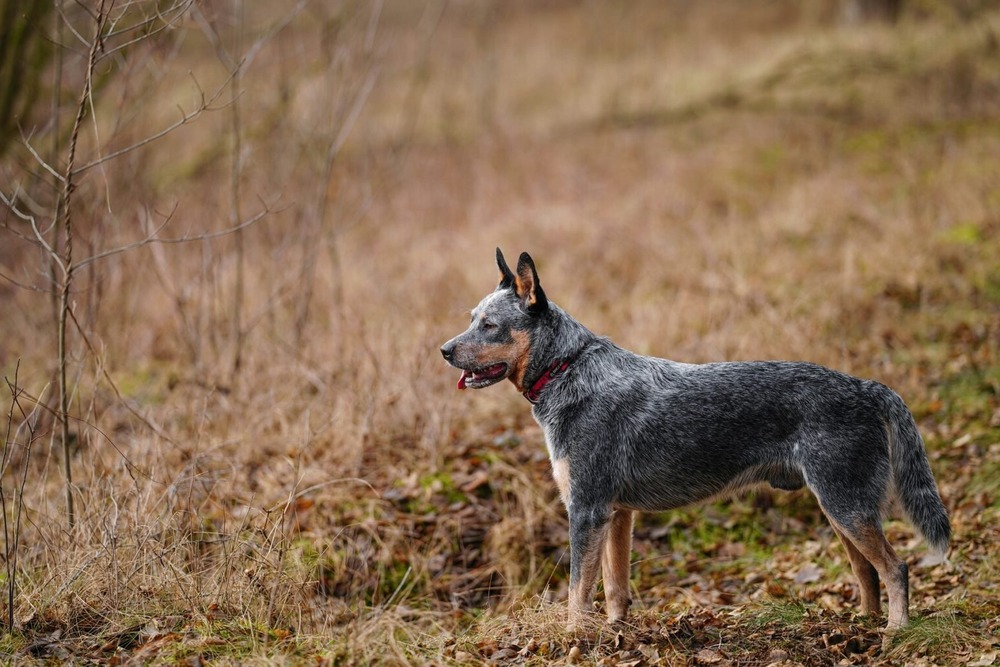
Australian Cattle Dogs are often enthusiastic eaters, and their athletic build can hide creeping weight gain. Keeping them lean is one of the most practical gifts you can give their joints and overall health. If you are unsure, ask your vet to score your dog’s body condition and suggest a target weight range. 10
Choose a complete and balanced diet appropriate to life stage, and adjust portions to match the dog in front of you, not the feeding guide on the bag. Training treats add up quickly in a breed that benefits from lots of reinforcement, so it helps to use tiny pieces, or set aside part of the daily ration for training.
Interesting notes, including the story of Bluey
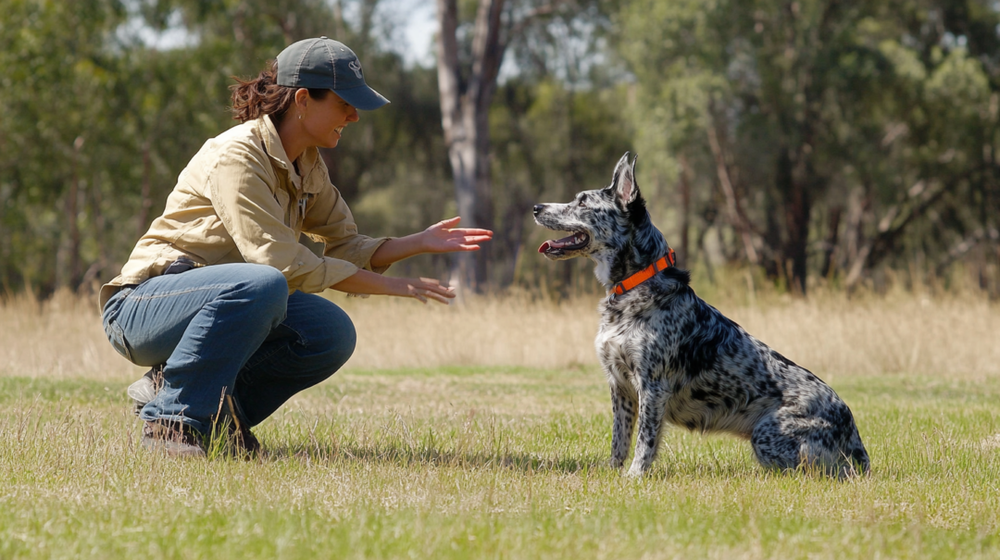
The breed’s “heeler” nickname comes from a common working style: moving stock by driving from behind, including nipping at heels when needed. In a pet home, that instinct can show up around running, squealing, and fast movement, which is why early training around calm behaviour and boundaries is so valuable.
Bluey, an Australian Cattle Dog from Rochester in Victoria, is widely recognised as the oldest verified dog, reported to have lived 29 years and 5 months (1910 to 1939). Records around extreme longevity can be contentious, but major reporting has noted Bluey’s long-standing recognition in the wake of later record reviews. 6
Final thoughts
Australian Cattle Dogs are often at their best with people who enjoy training, like being outdoors, and are willing to shape a dog’s life rather than simply “own a dog”. They can be affectionate and deeply connected to their household, but they also tend to notice everything and remember what works.
If you are considering the breed, think carefully about your daily rhythm: time, space, noise, visitors, and what the dog will do when you are busy. When their needs are met with structure and kindness, many cattle dogs become steady, capable companions with a real sense of partnership.
References
- Dogs Australia (ANKC): Australian Cattle Dog breed standard
- Encyclopaedia Britannica: Australian cattle dog
- National Museum of Australia: Australian cattle dog
- RSPCA Australia: How do I train my dog?
- American Veterinary Society of Animal Behavior (AVSAB): Position statements on humane dog training
- ABC News: Bluey and the world’s oldest dog record
- Australian Cattle Dog Club of America: Health issues survey summary
- BMC Veterinary Research: Deafness prevalence and coat associations in Australian Cattle Dogs
- Australian Cattle Dog Society of NSW: Deafness and BAER testing
- WSAVA: Global Nutrition Guidelines (body condition and feeding)