

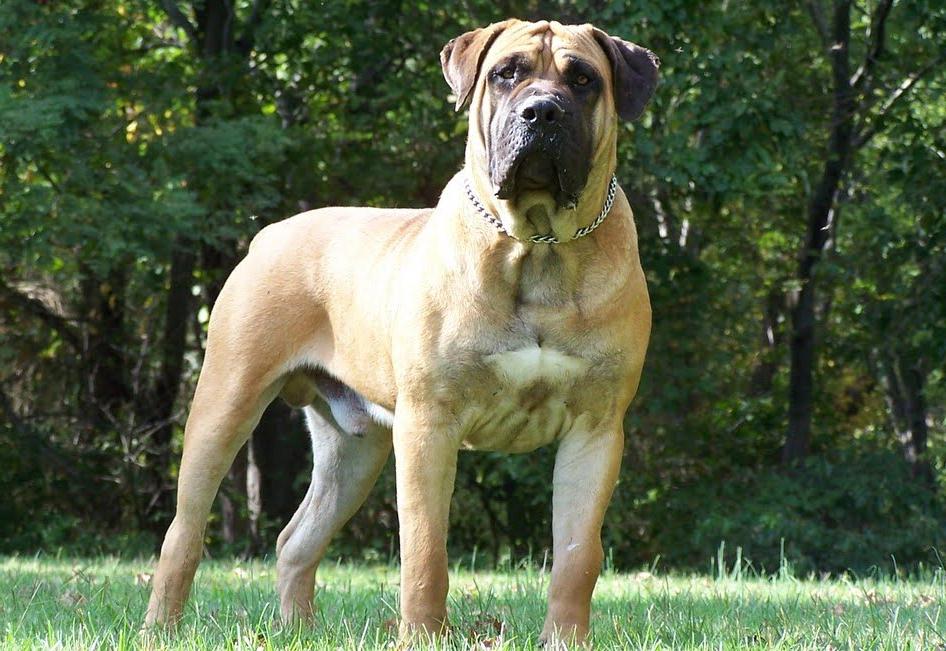
You might notice it at the park first. A broad head, heavy bone, and that slow, watchful way some dogs move through a space. People often call them “mastiffs”, or “guard dogs”, or simply “big dogs”, but what they are really pointing to is a shared type: the Molosser.
It is easy to assume these dogs are all the same, or that size automatically equals steadiness or safety. In practice, Molosser type dogs are a varied group, shaped by breeding goals, early experiences, health, and day to day handling. When things go well, they can be calm, biddable companions. When things go poorly, their strength makes small issues feel very big, very quickly.
Understanding what “Molosser” means, and what it does not mean, helps you make better decisions about training, management, and even which individual dog fits your home. It also helps you look past the silhouette and pay attention to the dog in front of you.
What “Molosser type” actually means
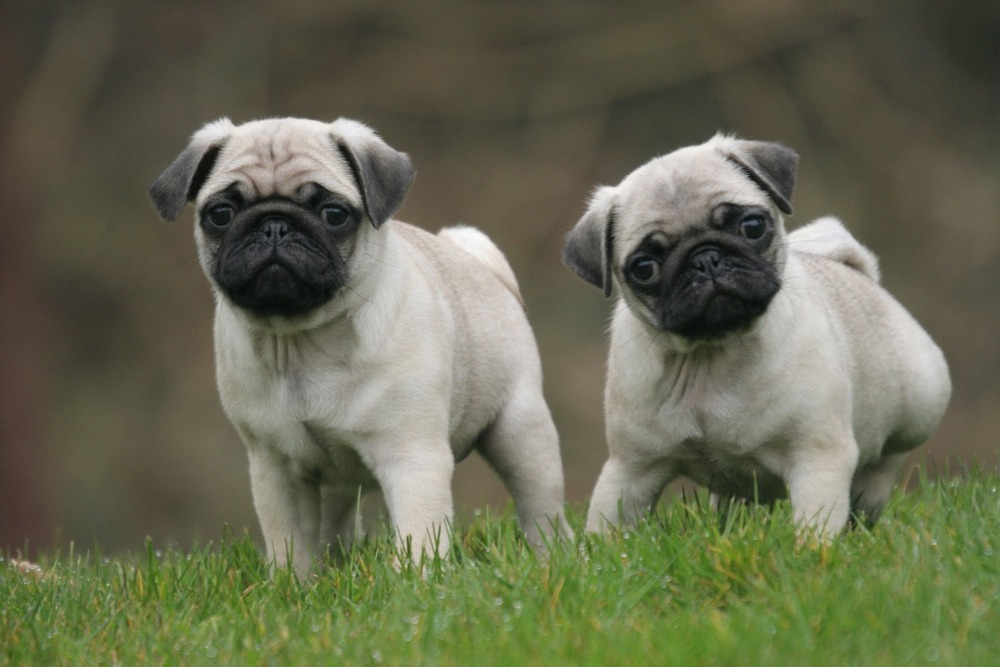
“Molosser” is used in modern dog circles as a broad label for heavily built, muscular dogs with substantial heads and bone, often linked to mastiff and bulldog lines. It is not a single breed, and it is not a guarantee of temperament or suitability for any particular household.
The word itself comes from the Molossians of Epirus in ancient Greece, who were associated with powerful dogs in historical writing, and with the now extinct Molossus or “Molossian hound” in later descriptions.1, 2 Over time, the term has broadened, and it is commonly used as a “type” grouping rather than a precise genetic family tree.
In practical terms, many recognised breeds people loosely call Molosser type dogs include mastiff style breeds, some guardian livestock breeds, and some shorter faced, heavy bodied dogs. Even within one breed, you can see large differences in energy, reactivity, sociability, and physical soundness.
Temperament, bonding, and the protective reputation
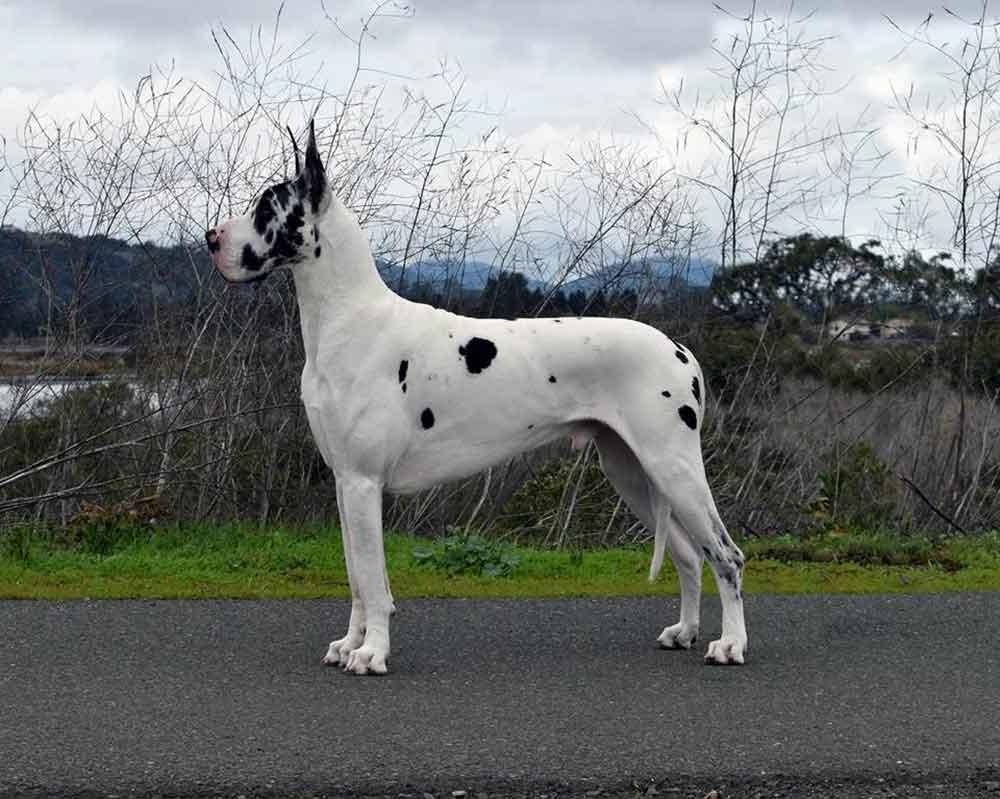
Molosser type dogs are often described as loyal and protective. That reputation can be partly earned, because many were historically selected for guarding roles, and many individuals are naturally attentive to their environment. Still, “protective” is not a single behaviour. It can look like quiet watchfulness, or it can look like barking, blocking, lunging, or difficulty settling when visitors arrive.
A helpful way to think about it is this: these dogs tend to notice. Whether they cope well with what they notice depends on their genetics, early socialisation, training, and how predictable their daily life is.
If you are considering one as a family dog, it is worth prioritising stable, neutral sociability over a dramatic “guardian” persona. A dog that can remain calm around people, dogs, and normal household activity is usually the safer and more pleasant companion.
Children and other animals
Many Molosser type dogs can live well with children and other pets, but supervision is non negotiable, especially when kids are small. Size alone changes the margin for error. A playful body slam, a scramble for food, or a rushed hug can tip an interaction into something unsafe even without any “bad intent”.
With other dogs, early, thoughtful social experiences matter. Some Molosser type dogs are dog social, others are selective, and some are simply happier with space. It helps to avoid forcing greetings and to build habits around calm passing, recall, and structured decompression walks.
Training and exercise that suits a powerful dog
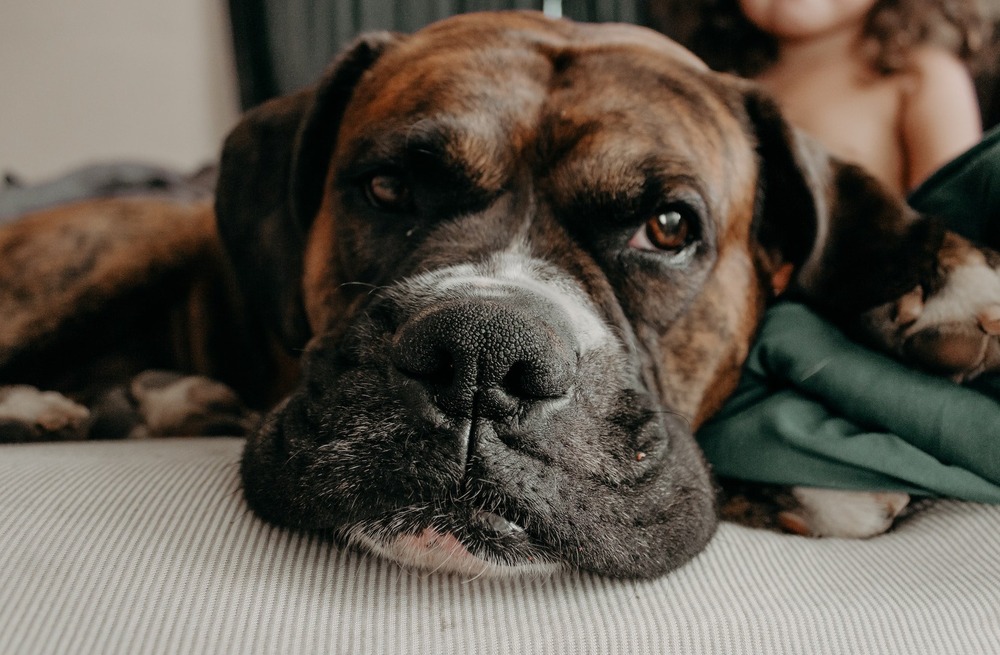
Because these dogs are strong, training is less about flashy tricks and more about everyday skills: loose lead walking, settling on a mat, polite greetings, and calm behaviour behind a gate when the doorbell goes. You are building habits that keep everyone safe, including the dog.
Reward based training (positive reinforcement) is widely recommended by animal welfare organisations, and it is particularly useful for big dogs because it builds cooperation rather than confrontation.3 Harsh corrections can suppress behaviour in the moment, but they can also increase stress and handling risk in the long run, especially in a dog that already carries a lot of physical power.
Most Molosser type dogs do well with a mix of moderate daily exercise and steady mental work. Long, repetitive high impact exercise is not always appropriate, particularly for young, fast growing dogs or individuals with joint concerns. Instead, think in terms of:
- Sniff walks and varied routes
- Short training sessions built into the day
- Food puzzles and scatter feeding
- Low impact strengthening and controlled play
The goal is a dog that can engage, recover, and settle, not a dog that is “exercised into submission”.
Health considerations that come up often
Health varies by breed and individual, but some patterns appear more often in Molosser type dogs because of their size, chest shape, and, in some breeds, shortened muzzle conformation.
Joints and soundness
Hip and elbow dysplasia are common concerns in large breeds. If you are buying a puppy, look for breeders who screen and report results through established schemes, and be cautious of anyone who treats health testing as optional. The Orthopedic Foundation for Animals (OFA) outlines how hip dysplasia is assessed and recorded, and why screening matters in breeding decisions.4
Bloat (GDV) risk in deep chested dogs
Some larger, deep chested breeds have increased risk of gastric dilatation volvulus (GDV), often called bloat. It is a fast moving emergency. Veterinary sources note associations with factors such as deep chest conformation and feeding patterns, and many recommend practical routines such as splitting food into multiple meals and avoiding hard exercise around mealtimes.5, 6
Breathing and heat tolerance in shorter faced Molosser types
Some Molosser type breeds are brachycephalic (short muzzled). In these dogs, breathing efficiency and heat tolerance can be compromised, and signs can worsen with excitement, exercise, and hot weather. Cornell University’s overview of brachycephalic obstructive airway syndrome (BOAS) is a useful starting point for understanding what to watch for and why healthy weight and sensible activity matter.7
Grooming and day to day care
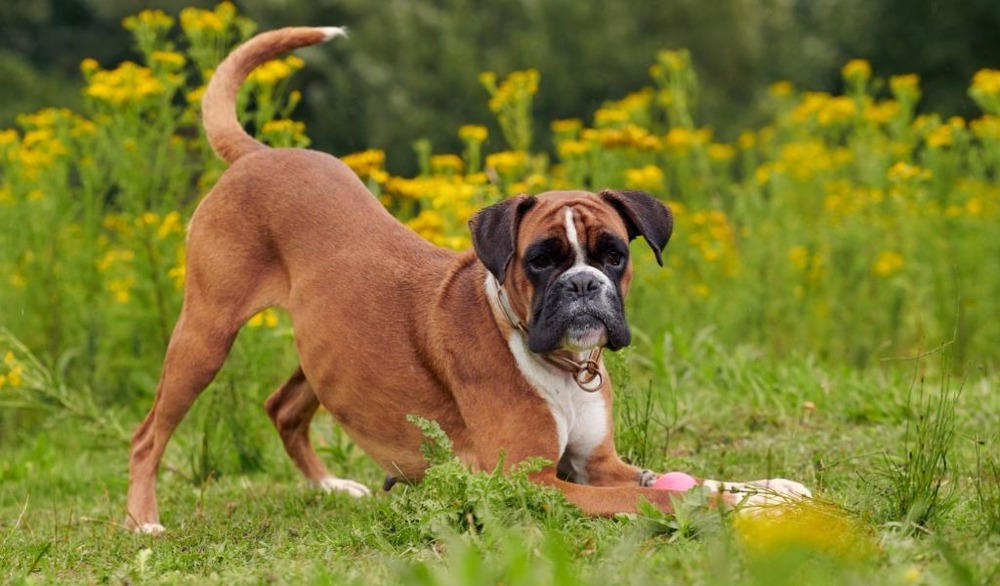
Most Molosser type dogs are not high maintenance groomers, but they are high impact housemates. Nails, skin folds (where present), ears, and teeth are the unglamorous routines that prevent discomfort and vet visits later.
Regular brushing helps you spot changes early, including new lumps, sore spots, parasites, or heat rashes under a collar or harness. For heavier dogs, keeping nails short is also a comfort issue, because long nails can change gait and load joints.
If your dog has facial folds, keep them clean and dry. Moisture trapped in skin folds can contribute to irritation and infection. If you notice redness, odour, or persistent rubbing, your vet can help you set up a safe cleaning plan.
Feeding and keeping a healthy weight
With Molosser type dogs, weight management is not about aesthetics. It is about joint load, stamina, breathing, and long term comfort. Many big dogs stay “a bit padded” because people underestimate how much food a large, calm dog actually needs, especially once puppy growth slows down.
The WSAVA Global Nutrition Guidelines encourage routine nutritional assessment, including body condition scoring, and an individually tailored plan rather than relying on label claims or ingredient list myths.8 If you are unsure, your veterinary team can help you set a target weight and work backwards to a realistic daily intake.
For dogs at risk of GDV, veterinary guidance often includes feeding routines such as dividing daily food into two or three meals, slowing fast eaters, and keeping exercise calm around mealtimes.5, 6
Living well with a Molosser type dog
The best Molosser relationships tend to look quietly ordinary. A dog that can wait at doors, settle when guests arrive, walk without dragging, and cope with the everyday bustle of suburbia is usually a dog whose needs are being met.
If you are drawn to these dogs for their presence, it helps to also plan for their practical footprint: stronger equipment, earlier training support, and a household routine that makes good behaviour easy to repeat. When you take the time to build those foundations, you often get what people hope for when they picture a Molosser in the first place, a steady companion with real world manners.
References
- Wikipedia: Molossian hound (Molossus)
- Wikipedia: Molossians (Epirus and historical references to Molossian dogs)
- RSPCA Knowledgebase: Dog training recommendations (reward based methods)
- Orthopedic Foundation for Animals (OFA): Hip dysplasia
- American College of Veterinary Surgeons: Gastric dilatation volvulus (GDV) and gastropexy
- American Animal Hospital Association (AAHA): Understanding canine bloat (GDV)
- Cornell University College of Veterinary Medicine: Brachycephalic obstructive airway syndrome (BOAS)
- WSAVA: Global Nutrition Guidelines