

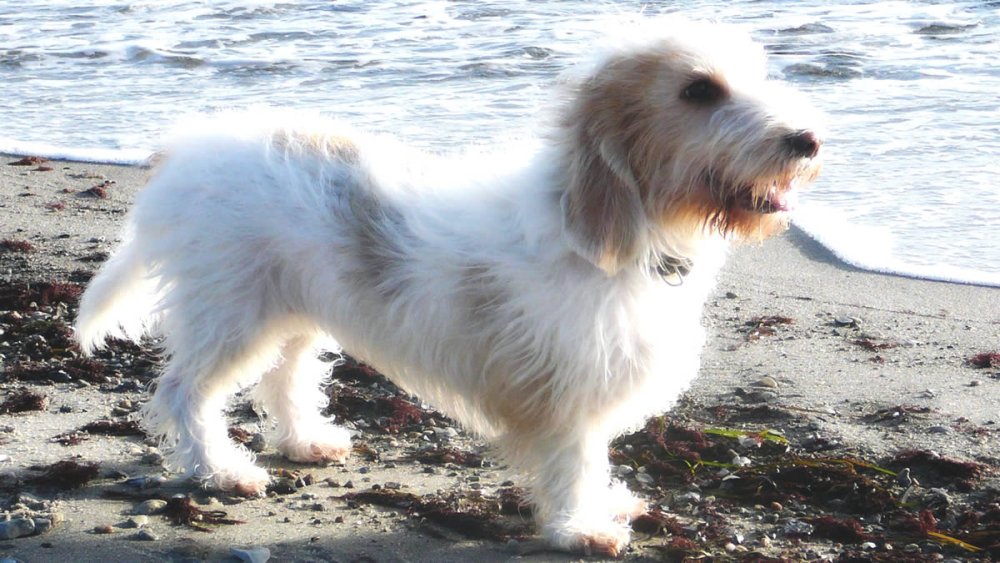
You might notice it in the small moments, the puppy who paces at bedtime, chews the coffee table leg the second your back is turned, or seems brave in the lounge room but unsure in the front garden. A new puppy can look confident and carefree, yet everything about their world has changed: the smells, the sounds, the people, and the rules that do not make sense yet.
It is also easy to assume good care is mostly about the big things, the right food, the right bed, the right vaccinations. Those matter, but day-to-day success usually comes from the quieter choices: keeping the home predictable, preventing practice of unwanted habits, and guiding your puppy through new experiences at a pace they can handle.
What you do in the first weeks tends to echo for months. Not because puppies are fragile, but because they learn quickly, especially when they are tired, excited, or a little overwhelmed. Setting things up well early gives you more calm, more sleep, and a puppy who can settle into family life with fewer bumps along the way.
Preparing your home for a puppy
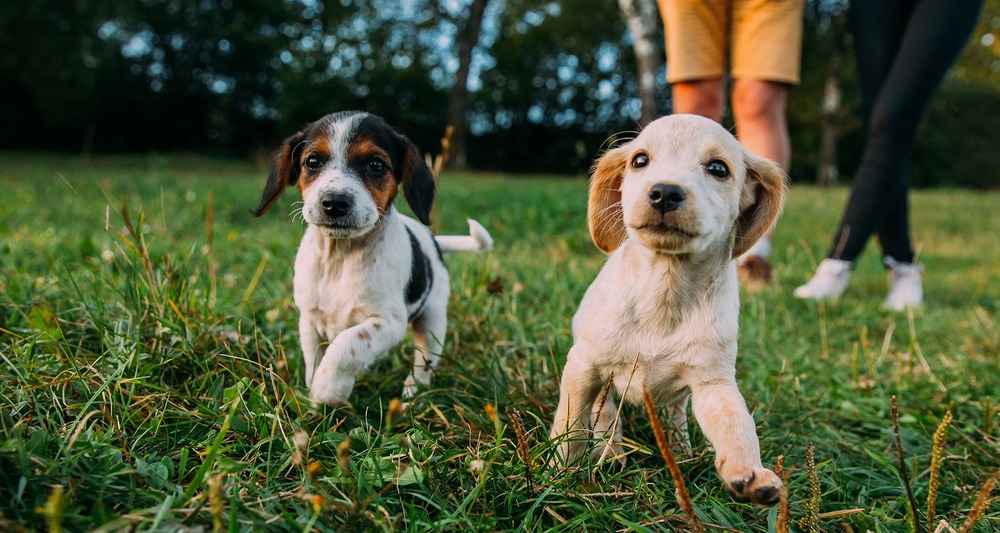
Before training really starts, management does. A puppy who cannot reach hazards, and cannot rehearse the behaviours you do not want, is already on a better track. Think of it as making the safe choice the easy choice.
Puppy-proofing, the practical version
It helps to do a quick scan at puppy height. Look for dangling cords, low shelves with medications, kids’ toys, pot plants, and bins that smell like treasure. Most of the time, curiosity is the driver, not stubbornness.
- Cover or lift electrical cords, and block access behind TVs and desks.
- Put laundry, shoes, and children’s small toys in closed storage.
- Use baby gates to create a small, easy-to-supervise area.
- Keep risky foods well out of reach, especially chocolate and raisins (including sultanas and currants).1
Supplies that genuinely help in week one
You do not need to buy everything at once, but a few items make life calmer:
- A comfortable bed plus a washable blanket.
- Food and water bowls that are easy to clean.
- A harness and lead that fit well, plus an ID tag.
- A small variety of chew items, including something soft and something more durable, so you can redirect chewing without fuss.
- A gate or playpen for short, safe breaks when you cannot supervise closely.
The first days at home
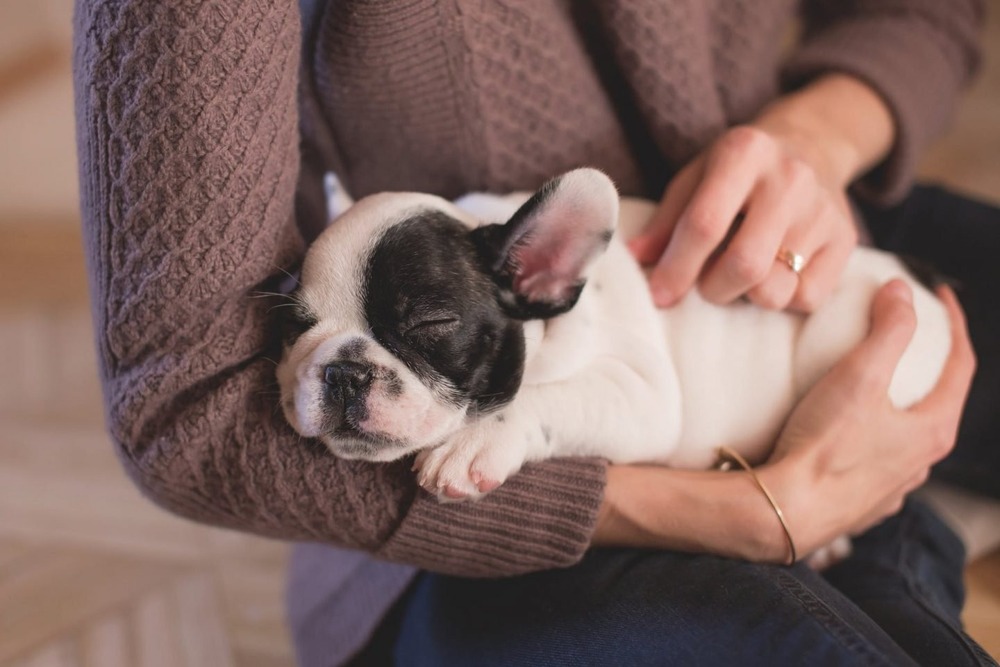
The first day tends to be busy, but puppies usually cope better with less. Too many visitors, too much handling, and too much space can lead to a puppy who looks “naughty” but is simply overtired.
Helping your puppy settle
Start small. Let your puppy explore one or two rooms, then gently repeat those spaces over the first couple of days. If you are using a crate or pen, treat it as a calm retreat, never as a punishment. The goal is somewhere safe to switch off.
For the first week, it can help to keep nights predictable: last toilet break, lights low, and a quiet cue that signals bedtime. If your puppy wakes, keep outings boring and brief, then return them to their rest area.
Routine without rigidity
Puppies do best when the day has a shape. That usually means regular meals, frequent toilet breaks, and short play sessions followed by rest. After sleep, after eating, and after a burst of play are the moments when most puppies need to toilet.
If you are struggling with accidents indoors, it is rarely a “toilet training problem” in the beginning. More often, it is a supervision and timing problem. Tighten the routine, reduce roaming, and reward the right place immediately.2
Health and veterinary care
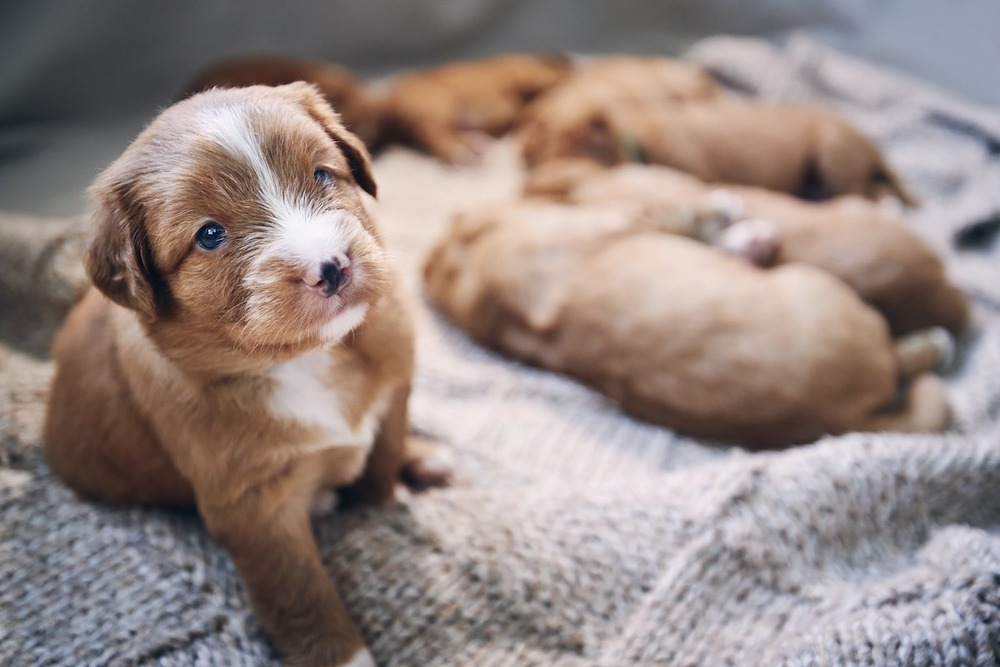
A good early relationship with your vet sets up your puppy for long-term health. Your first visits are not only about needles. They are a chance to discuss parasite prevention, diet, growth, desexing timing, and what is normal for your puppy’s breed and lifestyle.
Vaccinations, risk, and sensible timing
Vaccination schedules can vary, but puppy vaccinations commonly start around 6 to 8 weeks, then continue every 3 to 4 weeks until at least 14 to 16 weeks. Your vet will tailor this to your local disease risk and your puppy’s history.3, 4
One common tension is socialisation versus infection risk. It is not about choosing one or the other. Aim for safe, controlled exposure (calm visitors, clean training spaces, known healthy dogs), while you follow your vet’s advice about higher-risk places like dog parks and high-traffic areas.2, 5
Parasite prevention, the quiet essentials
Ask your vet about a plan for intestinal worms, fleas, ticks (depending on where you live), and heartworm. In many parts of Australia, heartworm prevention is recommended year-round because mosquitoes can be active across long seasons, and missed doses can leave gaps in protection.6
Nutrition and feeding
Food choices can feel strangely emotional with a new puppy, especially when everyone has an opinion. The main aim is steady growth, good digestion, and a body condition that stays lean and athletic as your puppy matures.
Choosing a diet that supports growth
Look for a diet labelled as complete and balanced for growth, or for “puppy” life stage. If you have a large-breed puppy, ask your vet about large-breed growth diets, since controlled growth and appropriate mineral balance can matter for developing joints.
If you want to change diets, make it gradual over several days to reduce tummy upsets. Your vet can also help you interpret labels and choose something appropriate, especially if your puppy has diarrhoea, itch, or poor weight gain.
Meal frequency and portioning
Many puppies do well on three meals a day early on, then transition to two meals as they get older. Use the feeding guide as a starting point, then adjust based on your puppy’s body condition and growth. Regular weigh-ins at the clinic can be surprisingly reassuring.
As a general principle, avoid rapid weight gain. Extra kilos on a growing frame can make everything harder, including training, stamina, and joint comfort later in life.7
Training and socialisation
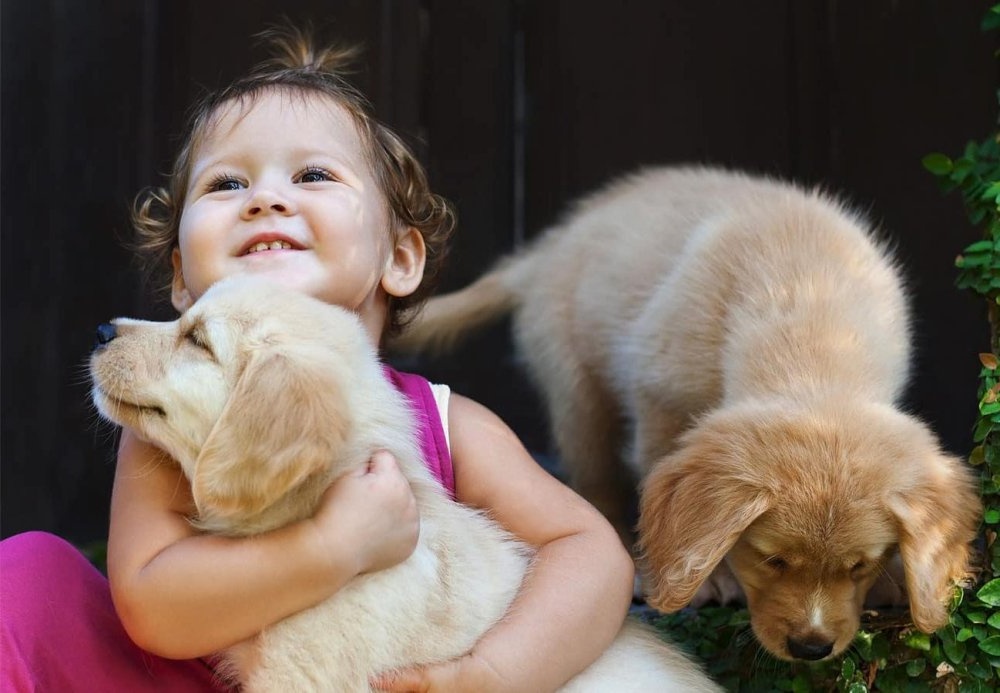
Training is not a separate activity that starts later. It is happening every day, through what your puppy can access, what works for them, and what gets repeated.
Socialisation as gentle exposure
Socialisation is often misunderstood as “meeting lots of dogs”. It is broader than that. It is learning that the world is manageable: different surfaces, noises, hats, prams, car rides, handling, grooming, and brief separation. Quality matters more than quantity.
There is a recognised sensitive window early in life when experiences can have an outsized effect on later behaviour. Many guidelines describe a critical socialisation period roughly between 3 and 17 weeks, although exact timing varies between individuals.5
Simple training that pays off quickly
Reward-based training is widely recommended for puppies. It tends to build clearer communication and fewer side effects than methods that rely on intimidation or punishment.2
- Teach a reliable name response: say their name once, reward when they look at you.
- Reinforce calm: reward sitting, lying down, and choosing to chew their own toy.
- Keep sessions short, one to three minutes, several times a day.
- For toilet training, go out often, then reward immediately when they finish in the right spot.2
Exercise and play
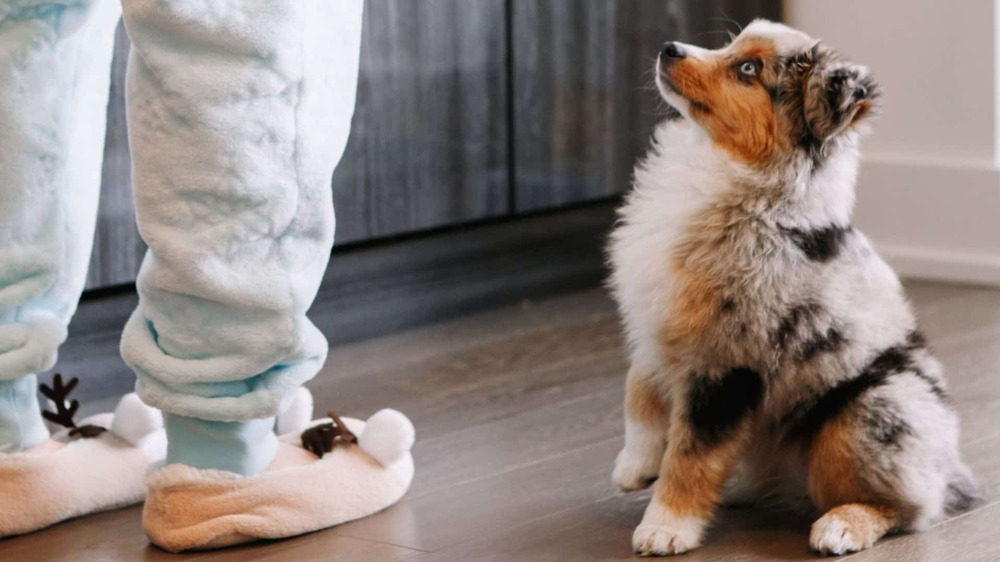
Puppies need movement, but they also need a lot of sleep. When people describe a puppy as “hyper”, it is often an overtired puppy who has missed rest, or a puppy who has not learned how to settle yet.
What exercise should look like for a growing body
Aim for frequent, short bursts: sniffy wanders, gentle games, and training that uses the brain. Be cautious with repetitive high-impact activities while your puppy is growing, particularly for medium to large breeds.
Walks can start short. Let your puppy pause, sniff, and watch. The walk is not only physical exercise. It is nervous system practice in a busy world.2
Safe play habits
Choose toys large enough not to swallow, and supervise chewing until you know your puppy’s style. Rotate toys rather than leaving everything out, which keeps interest higher without turning the lounge room into a constant party.
If you notice intense mouthing during play, pause, offer a chew, and resume when your puppy is calmer. This teaches that gentle play keeps the game going.
Grooming and ongoing maintenance
Grooming is not just about looking tidy. It is a handling skill. The earlier you teach your puppy that brushing, paw checks, and tooth brushing predict good things, the easier veterinary care and home care become later.
Brushing, bathing, and skin care
Keep grooming sessions short and upbeat. A minute of brushing followed by a treat can do more than a long session that pushes your puppy past tolerance. Use a puppy-appropriate shampoo if bathing is needed, and avoid over-bathing, which can dry the skin.
Teeth, nails, and ears
Dental disease is common in dogs, so it helps to build tooth brushing early, even if you only manage a few seconds at first. Nail trims are similar: tiny, frequent practice beats occasional big battles.
If you are unsure where the quick sits, ask your vet nurse or groomer to demonstrate. Good technique prevents injury, and it keeps the experience calmer for everyone.
Understanding behaviour and development
Puppies change quickly. One week they trail after you quietly, and the next they are grabbing socks and testing boundaries. That does not mean you are going backwards. It often means your puppy is settling in and feeling confident enough to explore.
Developmental stages, in plain language
Early weeks are shaped by learning and brain development, with a strong socialisation phase in the first months of life. During this time, your puppy is building a library of “normal” experiences. Calm, repeated exposure helps them cope with novelty later on.5
Common issues, and what usually helps
Chewing, barking, and mouthing are common. The most effective approach is usually a blend of management and teaching:
- Chewing: provide varied chew options, remove access to tempting household items, and reward chewing the right things.
- Mouthing: keep play gentle, pause when teeth touch skin, then redirect to a toy.
- Barking: look for the trigger (overtiredness, boredom, frustration, noise), then reduce rehearsal and reward quiet behaviour.
If behaviour is escalating, or you feel out of your depth, ask your vet for a referral to a qualified reward-based trainer, or a veterinary behaviourist. Early support can prevent small problems from becoming entrenched habits.
Final thoughts
Most puppies do not need perfection. They need clear routines and kind boundaries, plus a home that is set up to help them succeed. If you focus on safety, sleep, steady socialisation, and reward-based training, you will usually see a puppy who settles more easily and learns faster.
When in doubt, come back to two questions: what is my puppy practising, and what do I want them to practise instead? That simple shift is often the difference between a household that feels constantly reactive, and one that gradually becomes calm.
References
- RSPCA Victoria: Easter chocolate a big pet hazard
- RSPCA Australia: Here’s how to care for your puppy
- Journal of the American Animal Hospital Association: 2022 AAHA Canine Vaccination Guidelines (2024 update)
- Pet Medical Australia: Puppy vaccination schedule
- RSPCA Knowledgebase: Is socialising my puppy important?
- Southern Cross Vet: Importance of heartworm prevention
- WSAVA: Global Nutrition Guidelines
- RSPCA Australia: Socialising your puppy