

You might notice it in passing, your dog does something a little awkward with a toy, pulls a face you could swear is a grin, or offers a play bow at exactly the wrong moment, and you find yourself laughing out loud. Later, you might wonder if they meant to be funny, or if you are simply projecting a human story onto ordinary dog behaviour.
What usually sits underneath “dog humour” is not comedy in the human sense, but social play and feedback. Dogs are observant, quick to learn patterns, and deeply tuned to what gets them attention. When laughter reliably shows up around certain behaviours, many dogs will repeat those behaviours, not because they understand a joke, but because the outcome feels good and the interaction continues.
That matters in practice because laughter can either soften a moment and build connection, or accidentally reward something you do not want more of. Understanding where the “funny” comes from helps you enjoy it while still keeping your dog safe, settled, and well supported.
The behaviour behind what we call “funny”
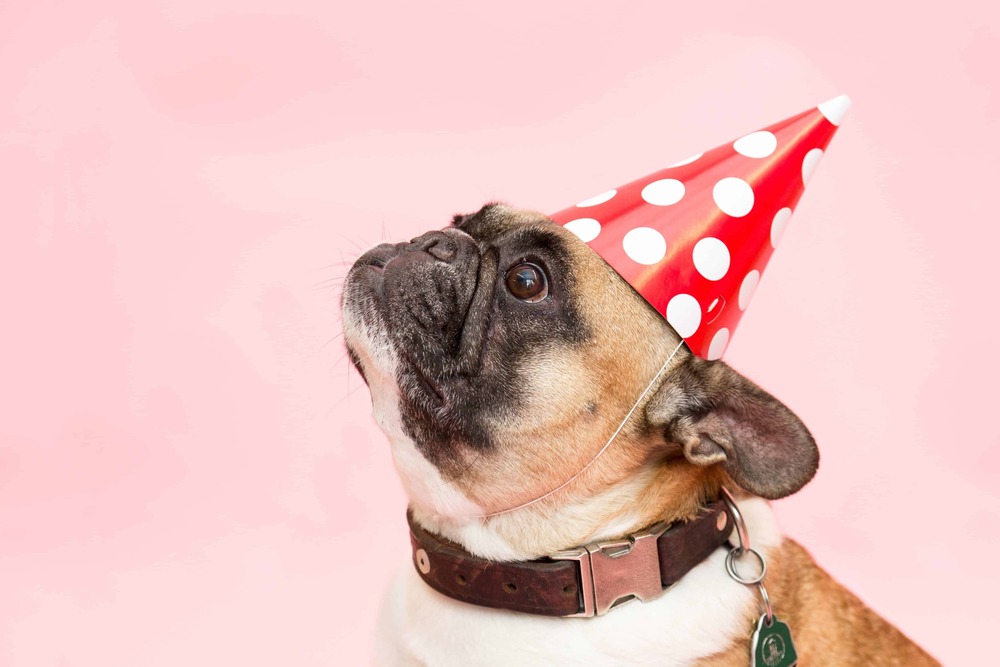
A lot of dog humour is really our response to normal canine communication in a surprising context. Dogs use posture, movement, and timing to negotiate everyday life. When those signals pop up in human spaces, on slippery floors, near an over-sized bed, in the middle of your phone call, they can look like slapstick.
It helps to remember that dogs are not performing for an audience. They are moving through a world full of cues, rewards, and friction points. A head tilt, a sudden zoomie, a dramatic flop onto the rug can be play, arousal, confusion, habit, or simply a body doing what bodies do.
Expressions and body language you are likely to laugh at
Some of the biggest laugh moments involve body language that is easy to spot:
- Play bows, a front-end dip with a lifted rear, often used to invite or restart play with another dog or a person.1
- “Bouncy” movement and loose limbs during play, which can look over-the-top to human eyes.
- Exaggerated pawing, nudging, or toy “presenting” that functions as a clear request: keep going.
Researchers studying play bows in pet dogs have found they often appear after a brief pause, as a way to reinitiate play, rather than as a deliberate “I was only joking” signal every time.1 That nuance is useful, because it steers you away from over-interpreting, while still recognising the communication.
Do dogs respond to our laughter?
Many dogs do. They may not grasp why you laughed, but they can learn that laughter is a positive social sound and that it predicts engagement, play, or attention. Studies on dog cognition show dogs can be sensitive to human cues and emotional tone, which fits with what many owners and trainers observe day to day.2
One related line of research, contagious yawning, suggests dogs can respond differently to familiar humans compared with strangers, although the interpretation is still debated and not a clean “dogs feel what we feel” story.3 The practical takeaway is simpler: your dog is watching you, and your reactions shape what happens next.
Common types of dog humour (and what may be going on)

Dogs do not need a sense of humour for us to experience humour around them. What we call funny often falls into a few familiar patterns, each with a different “why” underneath.
Physical comedy
Slips, misjudged jumps, toy fumbles, the “how did your legs do that?” moment. Sometimes it is simple clumsiness, sometimes it is excitement and speed outpacing coordination. If it happens repeatedly on certain surfaces, treat it as information, not entertainment, and add rugs or change the game location to prevent injury.
Vocal oddities and play sounds
Play growls, squeaks, grumbles, and that breathy play-pant some people describe as a laugh can all be part of aroused, joyful play. It is worth being cautious with labels here, because vocalisations can also show stress or frustration depending on the whole body picture. Some veterinary behaviour resources discuss “play panting” as a common play-associated sound, but it is not the same thing as human laughter.4
Situational comedy
Dogs in costumes, dogs “helping” with chores, dogs confidently entering a space they do not fit in. Often the dog is simply following reinforcement history: they have learned that approaching, nudging, or getting into the middle of the action brings social contact.
If the situation involves restraint, slippery props, blocked vision, or a dog showing avoidance signals, it is better to choose connection over the joke. Gentle humour holds up best when the dog has real choice and comfort.
Why laughter can strengthen the bond (and when it can backfire)
Shared amusement can be a lovely part of living with a dog. It keeps interactions light, increases attention to each other, and can make everyday care feel less like a chore. In training terms, it often functions as a reinforcer, laughter is attention, and attention can be valuable.
The tricky part is that laughter is not selective. If you laugh when your dog snatches a sock, barrels into guests, or demand-barks at dinner time, you may accidentally teach them, “that behaviour works”. This is one reason many animal welfare organisations recommend training that emphasises rewarding what you want, and avoiding punishment-based methods that can harm welfare and the relationship.5, 6
Using humour thoughtfully during training
You can keep training enjoyable without turning it into a hype-fest:
- Use a warm tone, a smile, and relaxed body language as part of your reward mix.
- Reinforce behaviours you genuinely want to see again, like a calm sit, a check-in, or a toy bring-back.
- If your dog offers something “funny” but unhelpful, pause, reset, and give them a clear way to succeed.
Reward-based training guidance from the RSPCA emphasises positive reinforcement and avoiding aversive methods or tools, both for effectiveness and welfare.5
Humour, play, and your dog’s wellbeing
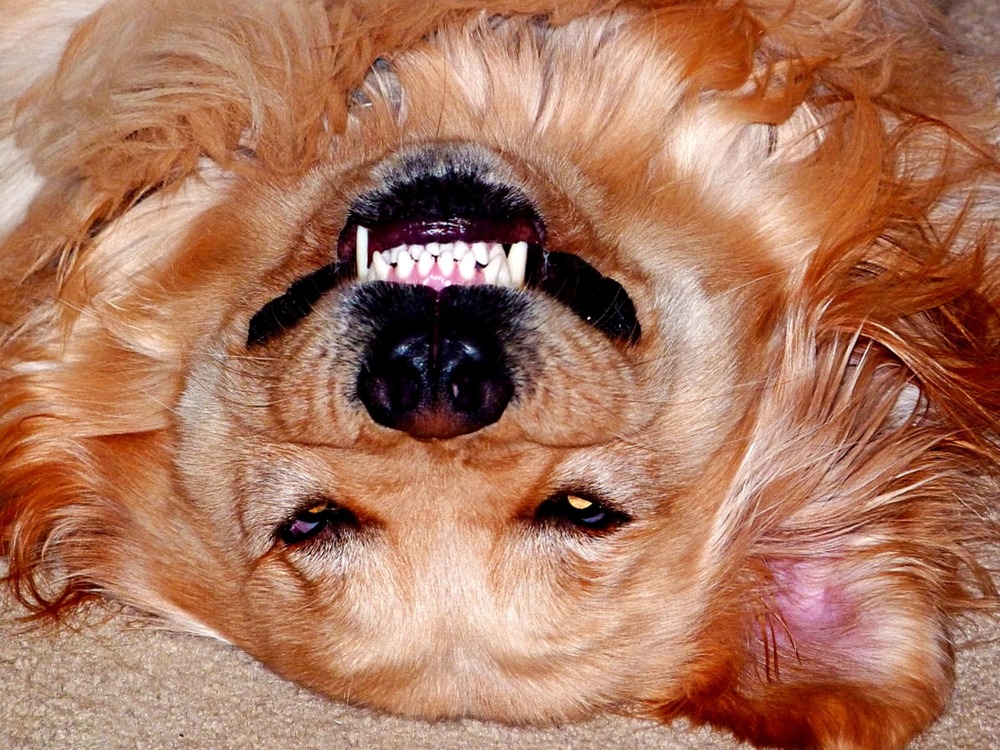
A playful dog is not automatically a “happy dog”, but play is often a good sign when it is loose, flexible, and easy to pause. Healthy play supports movement, problem-solving, and social learning. From a welfare perspective, structured enrichment and varied activities can reduce boredom and lower the risk of stress-related behaviours.7
There is also a calmer side to humour. When you respond to your dog with gentle amusement and steady affection, you tend to slow down, breathe, and soften your posture. Many dogs find that ease easier to read than excited squealing or intense, prolonged eye contact.
Evidence from enrichment settings also suggests that giving dogs appropriate outlets for activity and interaction can improve behaviour and reduce repetitive stress behaviours in some contexts.8
Encouraging your dog’s “funny side” safely
If you enjoy a playful, cheeky dog, you can encourage that spirit without encouraging chaos. The goal is safe, consent-based play that the dog can step in and out of easily.
Practical ways to invite playful behaviour
- Rotate toys to keep interest high, rather than leaving everything out all the time.
- Use short, upbeat training games, then stop while your dog is still keen.
- Try food puzzles, scent games, or simple hide-and-seek with a toy, especially for dogs that get over-aroused by rough play.
Enrichment advice from the RSPCA highlights the value of mental and physical stimulation, and notes that lack of enrichment can be linked with stress-related behaviours.7
When “funny” is a sign to slow down
Sometimes what looks comical is a dog struggling to cope. Consider easing up if you see:
- Freezing, whale eye, tucked tail, repeated lip licking, or turning away.
- Escalating arousal that tips into nipping, humping, or frantic zooming that is hard to interrupt.
- Repeated “clown” behaviour that appears during busy, noisy, or overwhelming moments, which can be a displacement pattern.
If you are unsure, a veterinarian or a qualified behaviour professional can help you read the behaviour in context and adjust routines in a way that supports welfare.
Dog humour in popular culture (and what it gets right)
Film, television, and social media have trained us to look for punchlines. Viral dog clips often highlight the same ingredients: exaggerated movement, surprising timing, and human-like framing. The best of these moments can celebrate real dog playfulness, curiosity, and learning ability.
The downside is that edited clips can hide context, stress signals, or repeated takes. If you are recreating something you saw online, keep it gentle, keep it short, and prioritise your dog’s comfort over the “bit”. Reward-based training organisations and veterinary behaviour groups consistently recommend humane methods and caution against aversive approaches, even when the goal is simply a cute trick for a laugh.6, 9
Final thoughts
Dog humour is one of the quieter gifts of sharing life with an animal. It is rarely deliberate comedy, more often a by-product of play, communication, and the small misunderstandings that happen when two species share a home.
If you treat laughter as information, what did my dog just learn from that moment, you can keep the joy while also shaping steadier behaviour. The sweet spot is simple: laugh often, reinforce wisely, and keep your dog’s body language at the centre of the story.
References
- PubMed: Investigating the function of play bows in adult pet dogs (Canis lupus familiaris)
- Scientific Reports: Dogs and humans respond to emotional vocalisations (research article)
- PLOS ONE: Contagious yawning in dogs is affected by familiarity with humans
- PetMD: Can Dogs Laugh?
- RSPCA Knowledgebase: Is it important to train my dog, what sort of training would you recommend?
- American Veterinary Society of Animal Behavior (AVSAB): Humane Dog Training Position Statement
- RSPCA NSW: Enrichment
- UC Davis: Enrichment and play space benefits for dogs (TRACS program)
- RSPCA Knowledgebase: What is reward-based dog training and why does the RSPCA support it?