


You might first notice it on a walk: your dog keeps stopping to catch their breath, makes a new snorting sound, or has a cough that seems to come and go. Sometimes it is obvious, like noisy breathing after a bit of excitement. Other times it is subtle, like a dog who is normally keen for play choosing to lie down sooner than usual.
It is tempting to assume a cough is “just kennel cough”, or that a bit of wheeze is normal for certain breeds. In practice, breathing problems are rarely that simple. The respiratory system is easily irritated, and similar signs can come from infection, inflammation, allergies, heart disease, airway changes, or heat stress.
Knowing what is common, what is concerning, and what helps (and what can make things worse) means you can respond calmly and early. That often leads to quicker relief for your dog and a more straightforward vet visit.
Common causes of respiratory problems in dogs
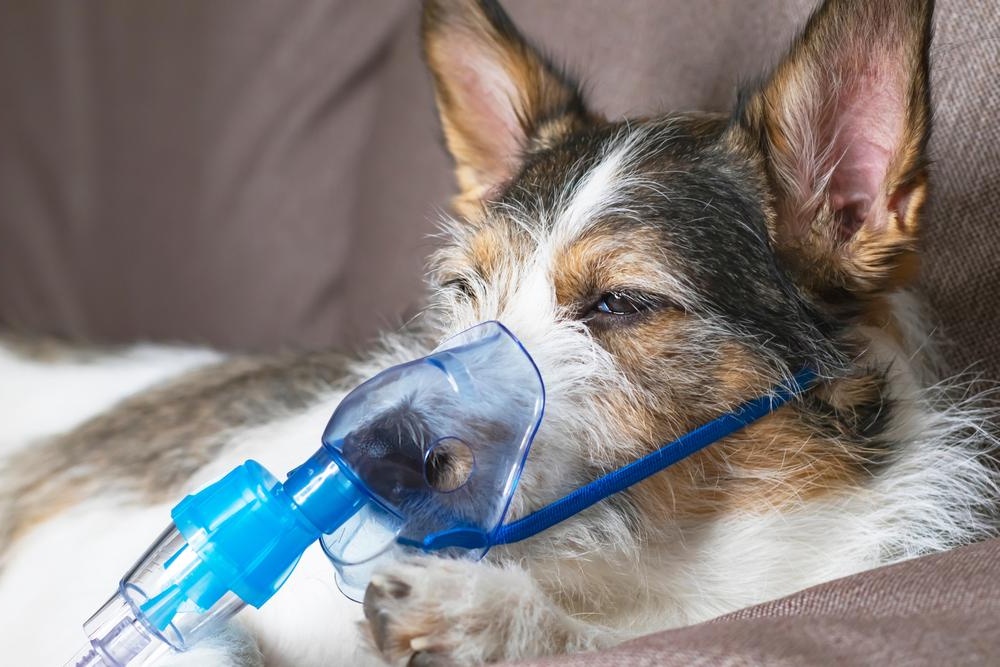
“Respiratory problem” is a broad label. It helps to think in a few overlapping buckets: infectious disease, irritation and allergy, and physical or breed-related airway limits. More than one can be happening at the same time, especially when a dog has been coughing for a while.
Infectious respiratory disease (including kennel cough)
Canine infectious respiratory disease complex (often called kennel cough) is a common cause of a sudden cough, particularly after contact with other dogs at boarding, daycare, shows, shelters, grooming, or busy parks.1 It is not one single germ. Several viruses and bacteria can be involved, and co-infections are common.1
Many dogs remain bright and well, with a dry cough that sounds harsh or “honking”. Some, especially very young puppies, older dogs, or dogs with other illness, can develop more severe disease, including pneumonia.1, 2 That is one reason vets take “just a cough” seriously when the overall picture does not fit a mild, self-limiting illness.
Allergies and irritants
Dust, smoke, strong fragrances, household sprays, bushfire haze, and seasonal pollen can all irritate airways. Some dogs develop ongoing inflammation that looks like repeated coughing or throat-clearing, particularly when excited or pulling on the lead.
If your dog’s signs flare up in particular places (for example, at home during cleaning, or outside during certain seasons), that pattern is useful information for your vet. It does not prove allergy on its own, but it can guide what to trial and what to avoid.
Anatomy, breed predisposition, and airway change over time
Some dogs start life with less “breathing room” than others. Flat-faced (brachycephalic) breeds may have narrowed nostrils, an elongated soft palate, and other changes that make airflow noisy and less efficient. They can also struggle more in warm weather because panting is less effective at cooling them.7, 8
Small and toy breeds can develop tracheal collapse, a progressive narrowing of the windpipe that typically causes a dry, harsh cough (often described as “goose-honking”). Heat, humidity, excitement, smoke, and pressure on the neck can make it worse.3
What you might notice at home
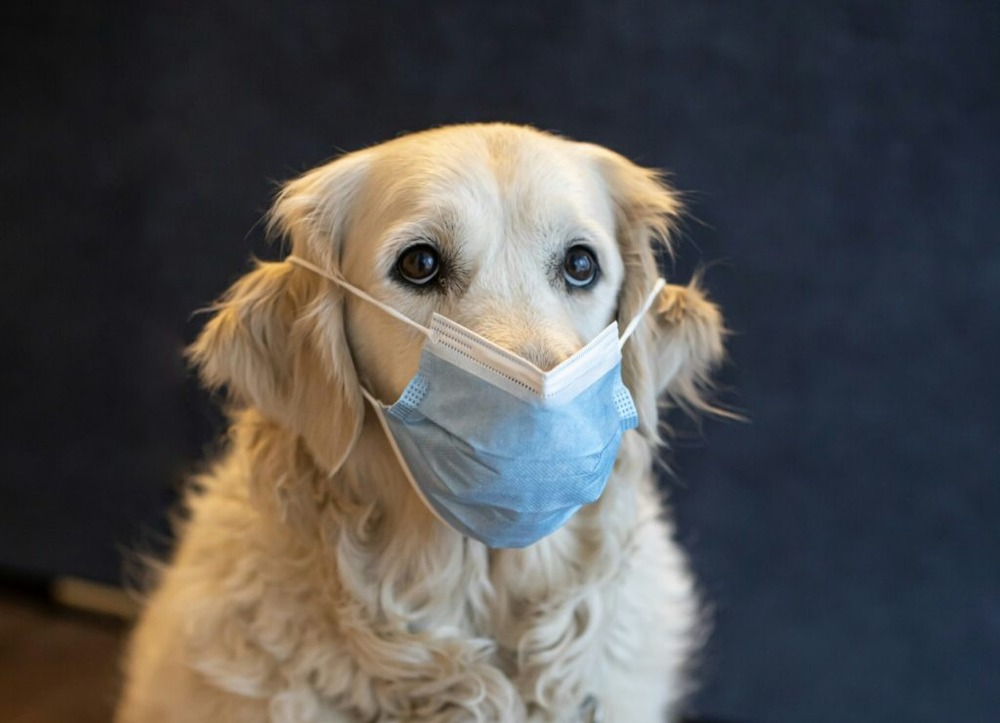
Breathing signs can be noisy, visible, or purely behavioural. A useful rule of thumb is to consider what is new for your dog, what is getting worse, and what affects their ability to rest, sleep, eat, or exercise normally.
Respiratory signs that are easy to miss
Owners often notice the cough first, but other clues can be just as important: a change in bark, more frequent swallowing, gagging after drinking, or a dog who suddenly dislikes having their collar handled. Some dogs cough mainly at night or after excitement, which can make it easy to dismiss as “nothing”.
- Coughing, dry or productive, occasional or frequent
- Noisy breathing (snoring while awake, stertor, wheeze)
- Faster breathing rate at rest
- Nasal discharge or sneezing
Changes in behaviour and tolerance
Dogs often adjust their activity before they show dramatic respiratory distress. You might see shorter bursts of play, reluctance to walk in warm or humid weather, or more time spent resting with the neck extended. These changes do not tell you the cause, but they do tell you the impact.
With brachycephalic dogs, “normal” can be especially tricky to judge. A bit of noise may be typical for an individual dog, but reduced exercise tolerance, repeated gagging, or struggling to recover after mild activity is worth discussing with your vet.8
When it is urgent
Seek veterinary care urgently if you notice difficulty breathing, collapse, severe lethargy, repeated vomiting with respiratory effort, or gums or tongue looking blue or grey. Severe heat stress can also present with breathing distress and rapidly worsen, especially in flat-faced dogs or overweight dogs.6, 8
If your dog seems in danger right now, keep them calm, minimise handling, and head straight to an emergency clinic.
How vets assess breathing problems

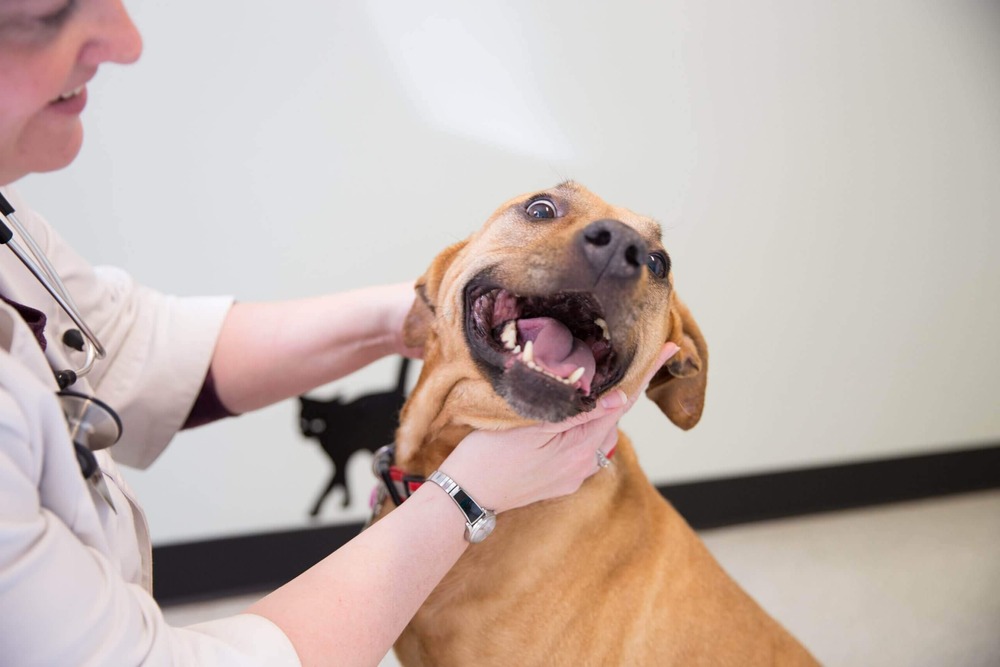
A good respiratory work-up starts with the basics: history, listening to the chest and upper airway, temperature, gum colour, and how your dog breathes at rest. The context matters. A cough after boarding suggests one set of possibilities, while cough plus fainting, weight gain, or exercise intolerance may point elsewhere.
Common tests
Depending on what your vet finds, they may recommend:
- Thoracic (chest) X-rays to check lungs, airway, and heart size
- Blood tests to assess inflammation, infection, and overall health
- PCR testing (swabs) if infectious respiratory disease is suspected1
- Airway imaging or scoping in selected cases
Why diagnosis can take a little time
Breathing and coughing signs overlap between conditions. Vets often work through a differential diagnosis, ruling in and out likely causes based on exam findings, response to initial care, and test results. That methodical approach helps avoid missing a bigger problem behind a familiar-sounding cough.
Treatment and day-to-day support
Respiratory treatment depends on the cause, the severity, and your dog’s risk factors. The goal is usually to reduce airway inflammation and irritation, support comfortable breathing, and treat infection when it is truly present.
Medication, used thoughtfully
For kennel cough-like illness, many cases are mild and self-limiting. Antibiotics are not always needed, and are generally reserved for cases where pneumonia is suspected or confirmed.1, 2 Your vet may instead focus on rest, avoiding airway irritants, and targeted medications depending on the signs.
In conditions like tracheal collapse, ongoing medical management can improve comfort and quality of life, though it is typically a progressive condition. Dogs may need a combination of approaches, and flare-ups are often linked to triggers such as smoke, heat, excitement, or pressure on the neck.3
Surgery and procedures in selected cases
Some dogs benefit from procedures that improve airflow. This is most commonly discussed for severe brachycephalic airway syndrome, or for advanced tracheal collapse where medical management is not enough. In tracheal collapse, stenting may be considered in severe cases, usually with specialist involvement, and it is not without risks.3
Home care that genuinely helps
Practical steps can make a noticeable difference, especially during recovery:
- Use a well-fitted harness rather than a neck collar, particularly for dogs that cough when they pull or dogs with flat faces.3, 8
- Keep air as clean as you can (avoid cigarette smoke, strong sprays, and dusty rooms).
- Prioritise calm, steady routines. Excitement can worsen coughing in some airway conditions.3
- In warm weather, walk early or late, offer water, and stop before your dog is struggling.6, 8
Prevention and risk reduction
Not all respiratory illness is preventable, but you can often reduce exposure and severity. Prevention is less about being perfect and more about making a few steady choices that suit your dog’s lifestyle.
Vaccination and sensible exposure
Vaccines can reduce the risk and severity of some infectious respiratory diseases, but they are not a guarantee against all causes of “kennel cough” because multiple pathogens are involved.1, 4 Your vet can help you decide which vaccines are appropriate based on your dog’s age, health, and exposure (for example, boarding and daycare versus mostly home life).
International vaccination guidance commonly distinguishes between core vaccines and non-core vaccines that are used based on risk.5 If you are unsure what your dog has had, an annual health check is a good moment to review records and make a plan that matches your reality, not an idealised routine.4
Heat management is respiratory management
Heat and humidity can turn a manageable breathing limitation into an emergency. Brachycephalic dogs are particularly vulnerable, but any dog can develop heatstroke.6, 8 If your dog is panting relentlessly, drooling heavily, seems confused, or has very red or pale gums, treat it as urgent and seek veterinary help immediately.6
Breeds and dogs who need extra care
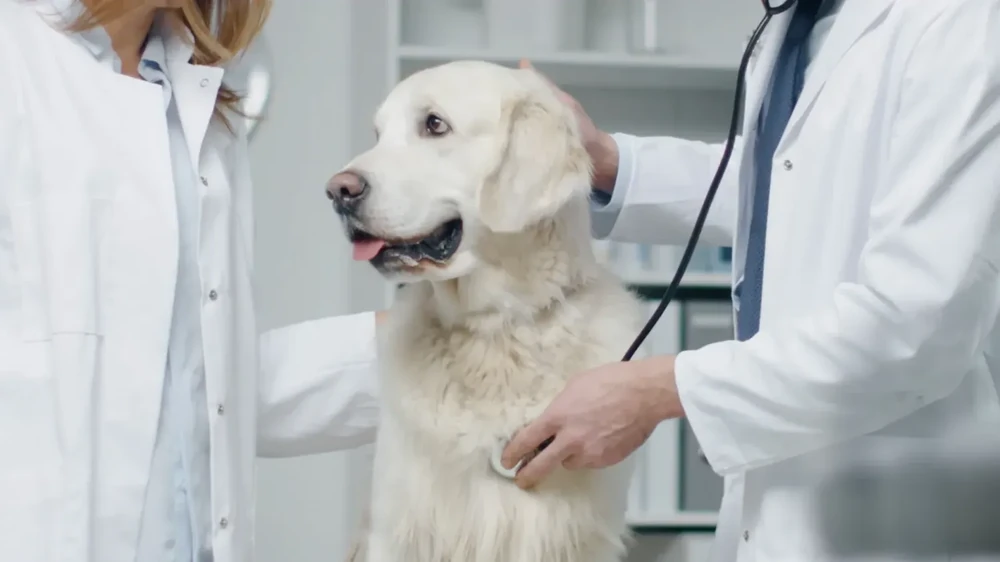
Breed is not destiny, but it does shape risk. Knowing the common pressure points can help you choose kinder routines and recognise trouble earlier.
Flat-faced (brachycephalic) breeds
Dogs such as Pugs, French Bulldogs, British Bulldogs, Boston Terriers, and Boxers can have brachycephalic obstructive airway syndrome (BOAS). Typical signs include noisy breathing, reduced ability to exercise, and worse symptoms in warm weather.8, 9 Many benefit from using a harness, careful weight management, and avoiding strenuous activity in heat.8
Small breeds and chronic cough
Tracheal collapse is most common in toy and small breeds, often presenting in middle-aged or older dogs with a persistent, harsh cough. It can worsen over time, and severe episodes can become a respiratory emergency.3 Managing triggers and reducing pressure on the neck are simple changes that often support bigger medical decisions later.3
Final thoughts
Breathing is one of those things that is easy to take for granted until it changes. When your dog’s cough or breathing pattern shifts, the most helpful approach is often quiet observation plus timely action: note what you are seeing, reduce obvious irritants, avoid heat and overexcitement, and get veterinary advice if signs persist or your dog seems unwell.
The good news is that many respiratory problems are manageable, especially when you catch them early and tailor care to your dog’s body and lifestyle. The goal is not to eliminate every sound, but to support comfortable, safe breathing so your dog can move through the day with ease.
References
- Merck Veterinary Manual: Kennel cough (canine infectious tracheobronchitis)
- American Humane: Kennel cough (CIRDC) overview and when it may be more serious
- Cornell University College of Veterinary Medicine: Tracheal collapse in dogs
- RSPCA Pet Insurance (Australia): Vaccination timing, boosters, and the role of annual vet check-ups
- WSAVA: 2024 vaccination guidelines for dogs and cats (global guidance)
- RSPCA Queensland: Heatstroke signs and why it is an emergency
- PDSA: BOAS (breathing problems in flat-faced dogs) and hot weather precautions
- RSPCA: Caring for flat-faced dogs (harness use, heat, weight, and exercise)
- The Kennel Club: Breathing problems in brachycephalic dogs (BOAS signs and management)