

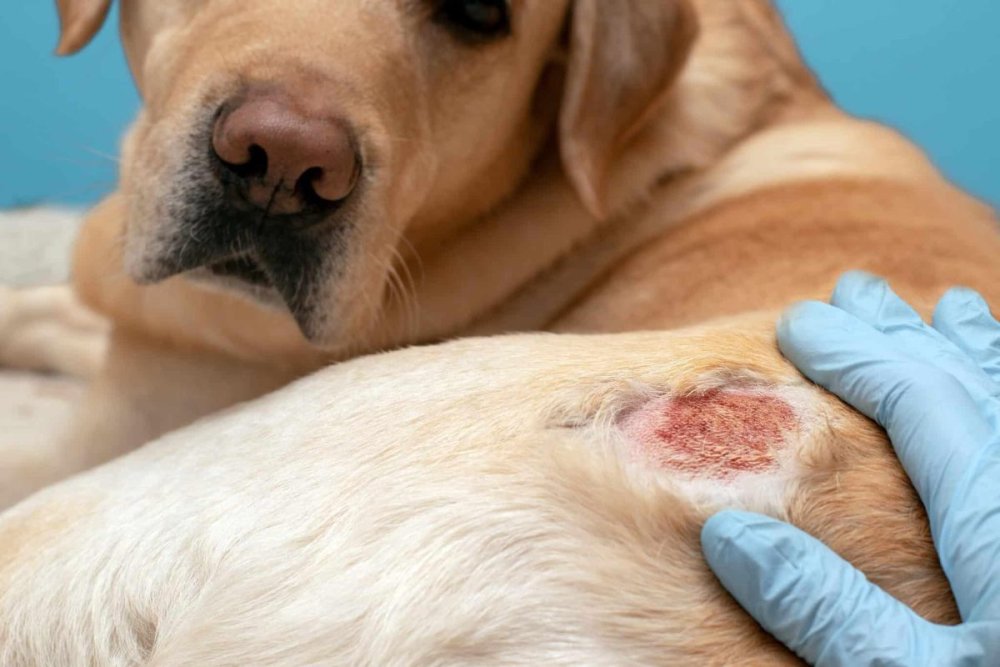
You notice it in ordinary ways. A dog that suddenly keeps shaking their head after a bath, a faint yeasty smell when you cuddle them, or a sharp yelp when you touch an ear that was fine yesterday. Sometimes it is subtle, like a dog who seems “distracted” on walks, or startles more easily when approached from behind.
It is tempting to assume ear problems are just a bit of wax, or that hearing changes are simply “old age”. In practice, the ears are a small space where moisture, inflammation, infection, allergies, and anatomy can all stack up quickly. When things are missed early, irritation can turn into recurrent disease that is harder to settle.1, 2, 3
What helps most is learning the patterns, what is normal for your dog, what is worth watching, and when to get a vet involved sooner rather than later. Ear and hearing issues are common, but they are not all the same problem, and they do not all need the same response.
Types of ear disorders in dogs
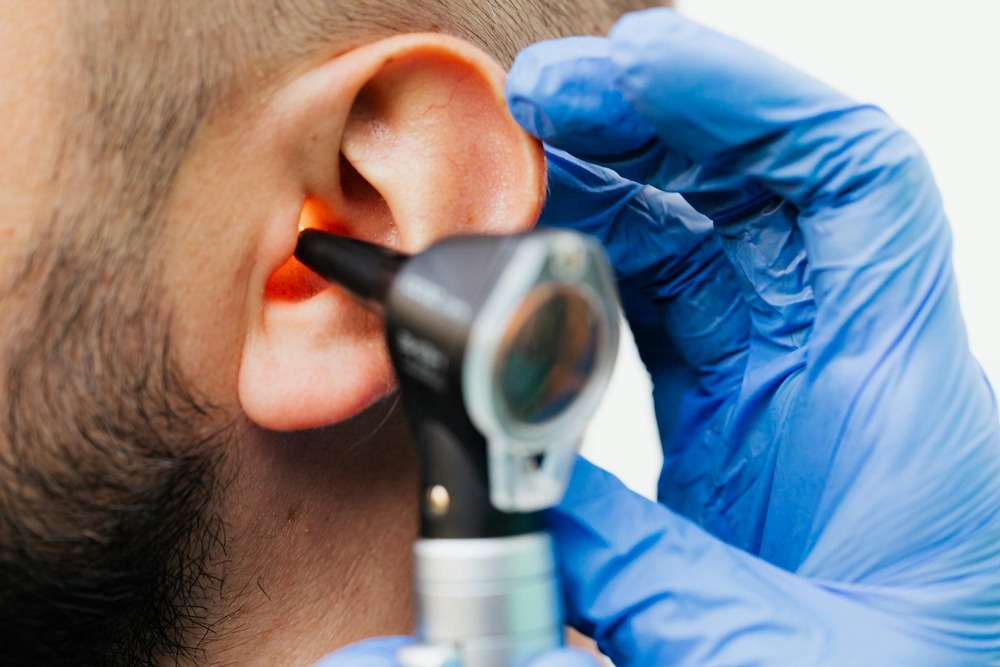
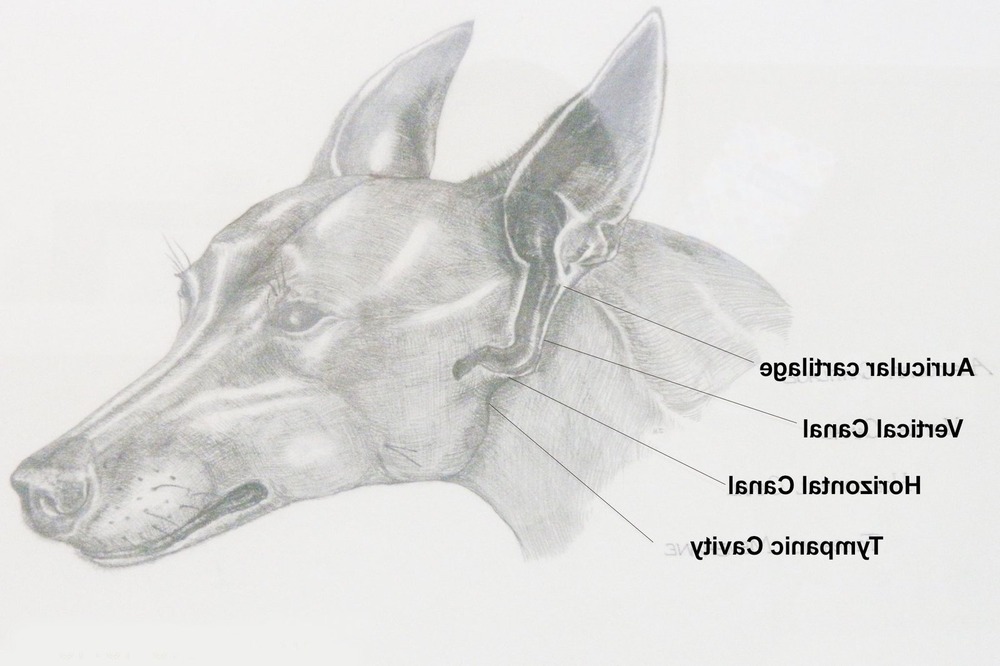
Most “ear trouble” in dogs starts in the outer ear canal. Vets often group these cases under otitis externa, which simply means inflammation of the external ear canal. That inflammation can be driven by infection, allergies, foreign material, or a mix of factors.2, 3
Some cases move deeper. Inflammation or infection can extend into the middle ear (otitis media) and sometimes the inner ear (otitis interna). This matters because deeper disease is more likely to be painful, recurrent, and linked with balance changes or reduced hearing.4
Common conditions you might hear mentioned
- Bacterial or yeast overgrowth: often linked with moist, inflamed ears and underlying skin or allergy issues.2
- Ear mites: more common in puppies and can cause intense itch and debris that looks like dark, crumbly wax.1
- Allergy-related ear disease: ears can be the first place allergies show up, especially if infections keep returning.1, 2
- Foreign bodies: grass seeds and plant material can lodge in the canal and trigger sudden, dramatic discomfort.1, 3
Why some dogs get ear trouble more often
Ear shape and airflow matter. Dogs with long, heavy ear flaps can have a warmer, more humid ear environment. Dogs with narrow canals or lots of hair around the opening may also trap moisture and debris more easily.1
Swimming and frequent bathing can contribute, not because water is “bad”, but because a persistently damp canal makes inflammation and secondary infection more likely. If your dog gets repeated flare-ups, vets often look beyond the infection itself and ask what is driving the inflammation in the first place, commonly allergies.2, 3
Symptoms and how vets work out what is going on

Many ear disorders look similar at home, even when the cause is different. Itching, head shaking, and ear redness can occur with mites, yeast, bacteria, allergies, or a foreign body. The practical goal is to notice what is new for your dog and whether it is getting better, staying the same, or escalating.2
Signs that deserve attention
- Head shaking or persistent ear scratching
- Odour, discharge, or ears that feel unusually greasy
- Redness, swelling, scabs, or pain when touched
- Head tilt, clumsiness, or obvious balance changes
- Not responding as usual to familiar sounds, especially alongside ear symptoms
Balance signs, facial weakness, or a pronounced head tilt can suggest deeper ear involvement (middle or inner ear), which is a good reason not to “wait and see”.4
What diagnosis usually involves
In clinic, vets typically examine the ear canal with an otoscope and then check debris under the microscope (cytology). Cytology is one of the most useful steps because it helps distinguish yeast from bacteria and shows the level of inflammation, which guides treatment choices.2, 3
If problems are chronic, recurrent, or not responding as expected, your vet may recommend culture and susceptibility testing, and in some cases imaging if there is concern about middle ear disease.1, 3, 4
Hearing disorders in dogs
Hearing changes can be gradual, sudden, partial, or complete. Some dogs are born with congenital deafness, while others develop hearing loss with age or as a consequence of chronic ear disease. What owners often notice first is not “deafness”, but small shifts, like a dog who no longer wakes to household noises, or who responds better when they can see you.5
It is also worth knowing that hearing can appear inconsistent when a dog is distracted, anxious, or in pain. That is why vets try to pair your observations with examination findings, and in some cases objective hearing tests.6
Common causes and contributors
- Congenital deafness in predisposed breeds, sometimes affecting one ear only (unilateral).8
- Age-related hearing loss, which is usually gradual and may be hard to spot early.8
- Complications of middle or inner ear disease, where hearing loss may occur alongside pain or vestibular signs.4
How hearing loss is tested
At home, informal checks can be misleading. A dog may ignore a sound because they are focused elsewhere, or respond to vibrations and movement rather than hearing. If hearing status really matters, for example when choosing training approaches or assessing a puppy in a predisposed breed, vets can refer for BAER testing.6
BAER (Brainstem Auditory Evoked Response) testing measures electrical activity in the auditory pathway after sound stimulation. It can determine whether a dog can hear in one or both ears, and it is commonly performed without sedation unless the animal is too unsettled for accurate recording.6, 7
Treatment and day-to-day management
Effective treatment depends on the cause, and the most common reason ear problems keep coming back is that only the infection was treated, not the reason the ear became inflamed in the first place. That is not a failure by the owner, it is simply how ear disease behaves in many dogs.2, 3
Treating ear infections and inflammation
For uncomplicated otitis externa, vets often combine ear cleaning with topical medication targeted to what is seen on cytology, for example yeast, bacteria, or both. In painful ears, managing inflammation is part of welfare as well as recovery, because a sore ear is hard to examine and hard to treat properly.2, 3
If deeper infection is suspected (middle or inner ear), treatment may involve longer courses of systemic medication and sometimes imaging, because middle ear disease can persist even when the outer canal briefly looks improved.4
Living well with a dog who cannot hear normally
Dogs with reduced hearing often do best with predictable routines and clearer visual communication. Many owners find it helpful to build a small set of consistent hand signals, then reinforce them the same way you would any cue.
- Use visual cues and touch thoughtfully, approaching in a way that avoids startling.
- Prioritise safety outdoors, for example secure fencing and a lead in unfenced areas.
- Consider management tools that get attention without relying on sound (for example a gentle vibration cue introduced carefully and positively, where appropriate).
When hearing loss is linked to ongoing ear disease, the hearing plan and the ear plan need to be addressed together, especially if discomfort is still present.4
Prevention and routine ear care
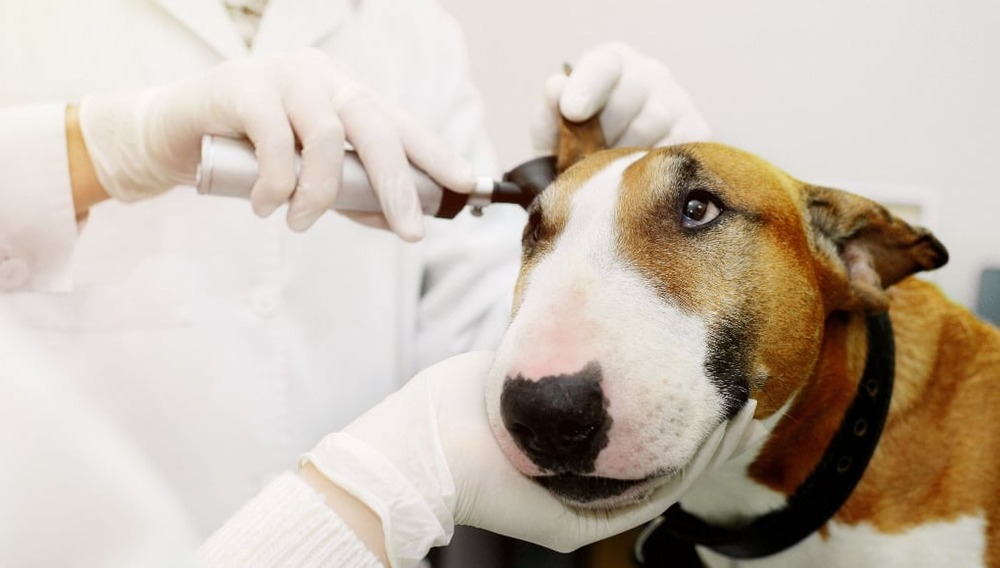
Prevention is rarely about doing more, it is about doing the right things at the right frequency for your dog. Some dogs never need routine cleaning. Others do well with a simple maintenance plan after their vet has confirmed the ear drum is intact and the canal is healthy enough for at-home care.2, 3
Practical habits that reduce flare-ups
- Check ears regularly for odour, redness, and discharge, especially after swimming or grooming.
- Keep ears dry after water exposure, and avoid forcing water into the canal during baths.2
- Use only vet-recommended ear products, and avoid home remedies that can irritate inflamed tissue or be unsafe if the ear drum is damaged.3
- If ear disease is recurrent, ask your vet about investigating underlying drivers, including allergies.1, 2
Cleaning tips that avoid common mistakes
A good ear clean is gentle and boring, not deep and vigorous. Vets usually recommend applying an appropriate cleaner, massaging at the base of the ear to loosen debris, then letting the dog shake and wiping only what you can see at the entrance with cotton wool. Pushing cotton tips down the canal risks compacting debris and can damage delicate tissue.2
Breeds that are more prone, and what that means in practice
Breed does not guarantee an ear problem, but it can tilt the odds. Floppy ear flaps, narrow canals, and some skin types can make it easier for inflammation to persist. Cocker Spaniels are frequently mentioned in veterinary resources for chronic ear disease, and other dogs with heavy ear leather or reduced ventilation may also need closer monitoring.1
For congenital deafness, breed associations and veterinary services commonly recommend BAER testing in breeds where inherited deafness is recognised, especially when making breeding or early training decisions.7, 8
Helpful adjustments for higher-risk dogs
- Make ear checks part of normal grooming, so handling stays calm and cooperative.
- Treat sudden one-sided discomfort as a possible foreign body, and seek vet care promptly.1, 3
- If ear problems keep recurring, consider a longer-term plan that includes skin and allergy assessment, not just repeat drops.1, 2
Final thoughts
Healthy ears tend to be quiet. They do not smell strongly, they are not repeatedly itchy, and your dog is not continually aware of them. When ears become a regular topic in day-to-day life, it is usually a sign that something underlying needs a clearer diagnosis and a more tailored plan.2, 3
If you take one practical idea away, let it be this: treat the cause, not just the flare-up. With steady observation, sensible ear care, and veterinary guidance when patterns change, most dogs can stay comfortable and confident, even if they are prone to ear disease or have reduced hearing.
References
- American College of Veterinary Surgeons: Otitis Externa (including causes, breed predispositions, diagnostics, and treatment)
- Merck Veterinary Manual: Otitis Externa in Animals (clinical signs, diagnosis, treatment, and maintenance care)
- University of Melbourne, Companion Animal Medical Guidelines: Ears (otitis externa diagnostics and treatment guidance)
- Merck Veterinary Manual: Otitis Media and Interna in Animals (signs, diagnosis, and treatment considerations)
- Merck Veterinary Manual (Pet Owner): Otitis Media and Interna in Dogs (signs including balance changes and deafness risk)
- LSU School of Veterinary Medicine: What is the BAER test?
- University of Florida College of Veterinary Medicine: What to Expect with BAER Testing
- The Kennel Club (UK): BAER testing and inherited deafness overview