

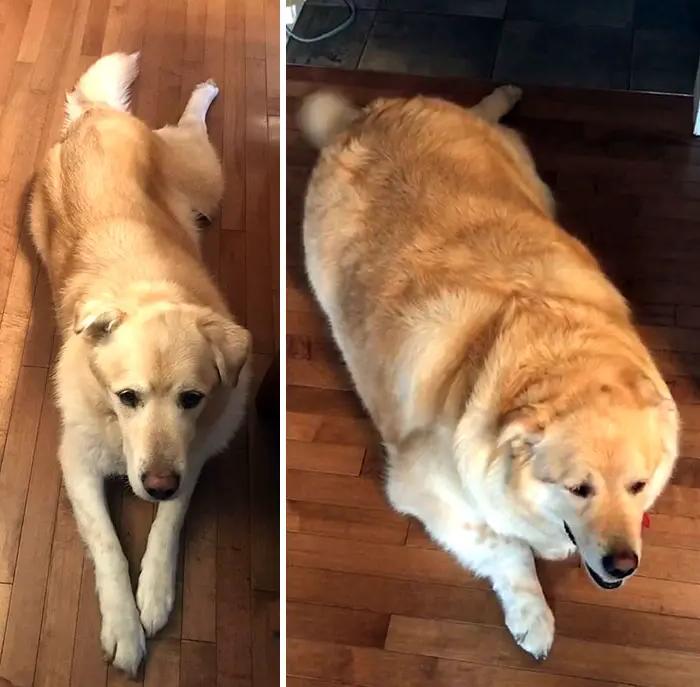
It often starts with something small: your dog is puffed earlier on the walk than they used to be, the lead feels a bit heavier in your hand, or you notice you are both a touch less keen to head out when the weather shifts.
Plenty of people assume weight loss needs big gym sessions or strict routines, but with dogs it is usually the opposite. Small, repeatable habits tend to matter more than occasional heroic efforts, especially when your dog’s joints, heat tolerance, and motivation are part of the equation.
Exercising together can be a gentle reset for both of you. The trick is to choose movement that suits the dog in front of you, pair it with sensible feeding, and pay attention to the quiet signs that say “this is too much” or “this is working”.
Why moving together works
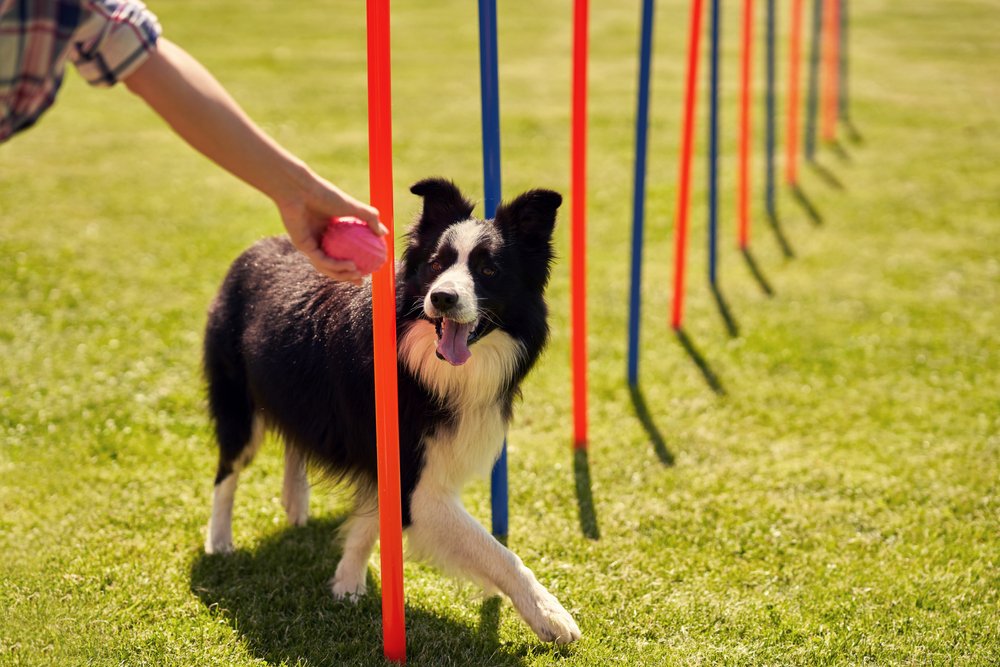
When you exercise with your dog, you are not only adding steps to your day. You are also building a routine that is harder to ignore, because your dog notices patterns. For many owners, that daily nudge is the difference between “I should walk” and actually doing it.
For dogs, regular activity supports heart health, muscle tone, and comfortable movement. For people, it tends to improve fitness in a way that feels more like time outside than formal training. Over weeks, those short sessions add up.
It also helps to remember that weight is not just a number on a scale. In practice, vets often look at body condition score, which is a hands-on way of checking fat cover and shape, because a dog’s “healthy” can vary by breed and build.1, 2
Picking activities that suit your dog
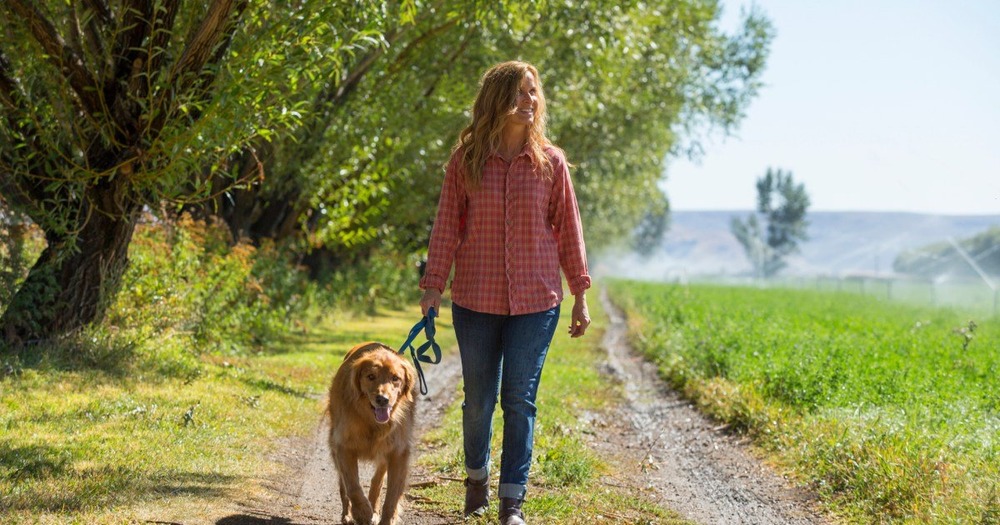
Walking is the backbone for most dogs, and it is underrated. A steady, purposeful walk, with time to sniff and decompress, is often the most sustainable way to increase activity without stirring up injuries.
If your dog is healthy and enjoys it, you can build towards short jog intervals, hill walking, or games that add gentle bursts of effort. Some dogs love structured games like fetch, but others do better with low-impact options such as food-scatter searches on grass or slow-paced trail walks.
It helps to make choices based on your dog’s body and life stage. Puppies need care with high-impact exercise while their joints are still developing, and older dogs often do better with shorter, more frequent sessions than one long outing. If you are unsure what is safe, a vet check is worth doing before you increase intensity.3
Ideas to rotate through
- Brisk neighbourhood walks with a few minutes of faster pace mixed in.
- Trail walks on softer ground, if your dog is steady on their feet.
- Fetch on grass with clear stop points, rather than “until they drop”.
- Simple backyard circuits: sit, down, touch, short recalls, then a wander and sniff.
Building a routine you can actually keep
Weight loss tends to happen when your weekly pattern changes, not when you push hard for a few days. A realistic routine is one you can repeat when you are busy, when it is drizzling, and when your dog is not particularly inspiring.
Start by choosing a baseline you can do most days. Even 15 to 25 minutes of walking is meaningful if it is consistent. Once that feels normal, you can add small “upgrades” such as one longer walk on weekends, or a few minutes of gentle jogging.
Variety keeps things interesting, but it does not need to be complicated. A new street, a different park, or a slightly different time of day can be enough to keep your dog engaged without turning your week into a project.
Safety matters more than intensity
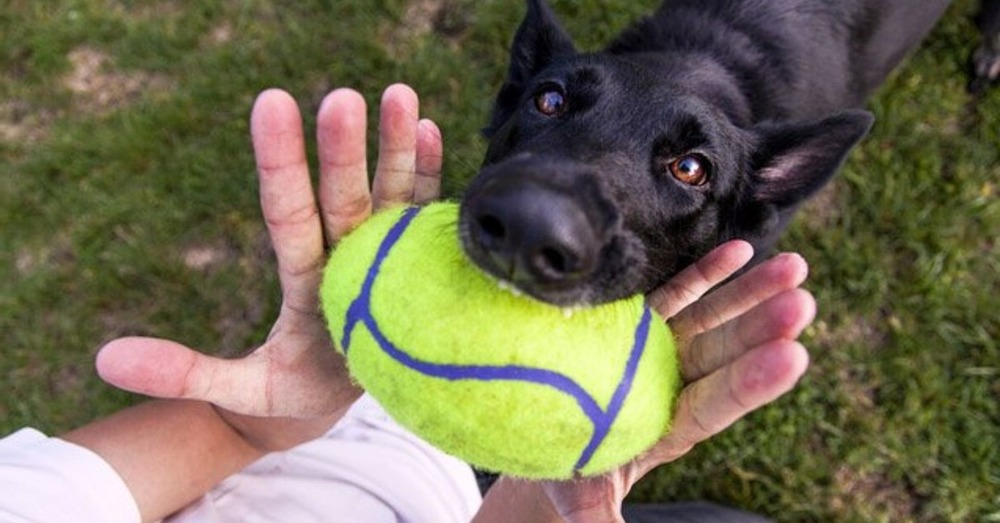
Dogs do not cool themselves the way we do, and they will often keep going past what is sensible if the outing is exciting. That is why the most important skill is noticing the early signs of trouble and being willing to stop.
Heat and hot surfaces are common traps in Australia. On warm days, aim for early morning or evening, favour shade, and avoid asphalt if it feels hot to your hand. If your dog shows heavy panting that keeps ramping up, drooling, weakness, vomiting, or seems unsteady, treat it seriously and cool them down while you contact a vet.4, 5
Practical safety basics
- Carry water and offer regular drinks, especially if you are increasing pace or distance.
- Use a well-fitted harness and lead that gives you control without restricting breathing.
- Build up gradually, particularly for dogs that are currently overweight or unfit.
- Be extra cautious with flat-faced breeds, very young or older dogs, and dogs with heart or breathing problems.6
Food, treats, and the quiet calorie creep
Exercise helps, but most canine weight loss still comes down to diet. That is not a moral point, it is simply how energy balance works. A few extra snacks can undo a surprising amount of walking, especially for small dogs.
A helpful starting point is to measure meals rather than guessing, and to decide what “treats” mean in your household. You can swap some treats for pieces of your dog’s regular food, or choose lower-calorie options, then keep the special snacks for training moments that genuinely need them.
If your dog is overweight, a vet can help set a safe target and check for issues that can complicate weight loss. Many clinics will talk you through body condition scoring, which is a practical way to track change over time.1, 7
Tracking progress without obsessing
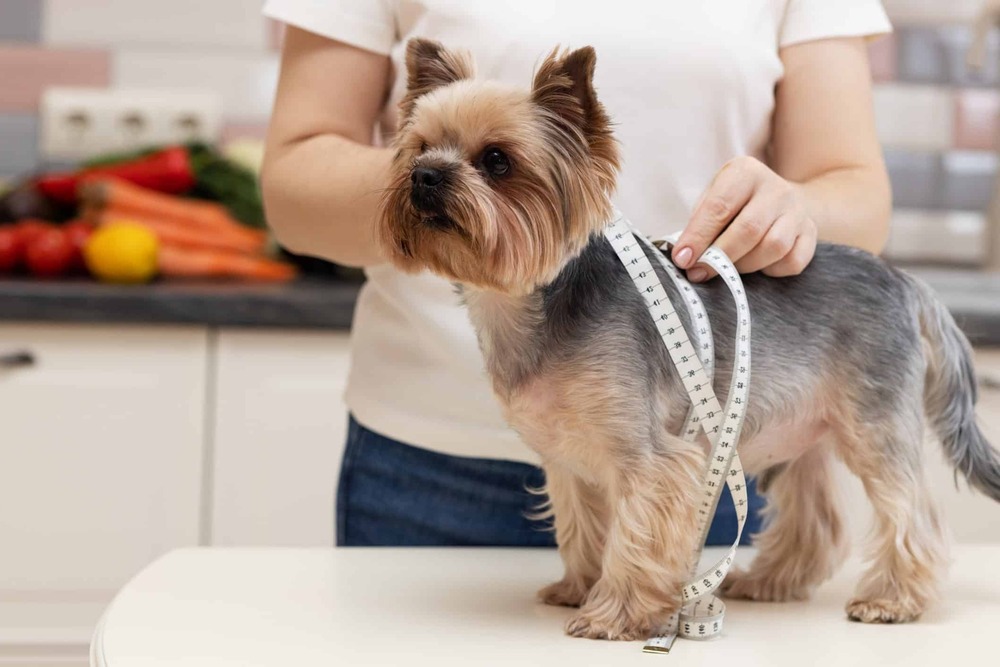
It is easy to miss progress when you see your dog every day. Photos from the side and above, taken once a month, can be more revealing than your memory. So can small functional changes, such as your dog choosing to trot again, or recovering faster after a hill.
If you like numbers, weigh-ins can help, but try to keep them calm and occasional. What you are really watching for is a trend, paired with a dog that is comfortable and keen to move.
For some dogs, muscle can increase as fat decreases, so the scale does not always tell the whole story. Using a consistent body condition scoring guide can keep your expectations grounded in what you can see and feel.2, 7
When things get tricky
Most setbacks are ordinary life: late meetings, school pickup, a run of hot days, or a dog who suddenly decides the neighbourhood is boring. Rather than trying to “make up for it”, it usually works better to protect your baseline and keep going.
If motivation is low, reduce the barrier. Put the lead by the door, aim for a short loop, and let it count. Consistency tends to return once the habit is rolling again.
If your dog’s needs change due to age, injury, or illness, the right adjustment is often less about doing nothing and more about finding a different form of movement. That is where vet guidance is particularly helpful, so you can stay active without aggravating pain.3
Closing thoughts
There is something quietly grounding about walking a dog day after day. You notice weather, small changes in fitness, and the way routine shapes behaviour. Over time, steady movement plus sensible feeding tends to shift weight in a way that is safer and more lasting than quick fixes.
If you keep it gradual, stay alert to heat and fatigue, and check in with your vet when you are unsure, you give both yourself and your dog the best chance of feeling lighter on your feet.
References
- RSPCA Knowledgebase: How do I tell if my dog is overweight?
- Agriculture Victoria: Dog condition score chart
- WSAVA: Global Nutrition Guidelines (including body condition score tools)
- RSPCA Australia: Keeping your pet safe during the heat
- RSPCA NSW: Heat stress (signs and first aid)
- RSPCA WA: Dogs in hot cars (heatstroke risk factors and what to do)
- FOUR PAWS Australia: Is your pet overweight? (Body Condition Score overview)
- Agriculture Victoria: Caring for animals during extreme heat
- RSPCA Pet Insurance: Heatstroke guide for cats and dogs