

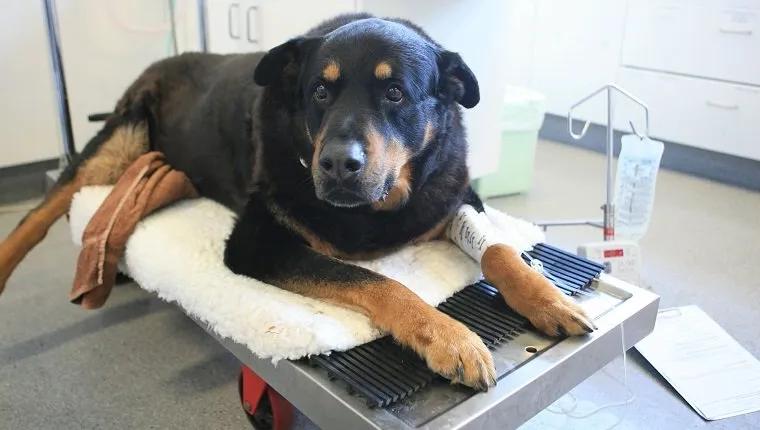
It can start with something small: a puppy that bleeds longer than expected after losing a baby tooth, a nail clip that seems to ooze for ages, or a dog that has an unexpectedly messy recovery from a routine procedure. Often, nothing looks “wrong” day to day, until there is a moment when bleeding seems out of proportion to the injury.
Von Willebrand disease (vWD) sits in that uncomfortable space between “my dog seems fine” and “why is this happening?”. It is an inherited bleeding disorder, and in many dogs it stays quiet until surgery, dental work, or a significant knock brings it to the surface.1, 2
Understanding vWD is less about panicking over every scratch, and more about planning ahead for bleeding risk. With the right testing and sensible precautions, many affected dogs live normal, active lives.2
Understanding von Willebrand disease in dogs
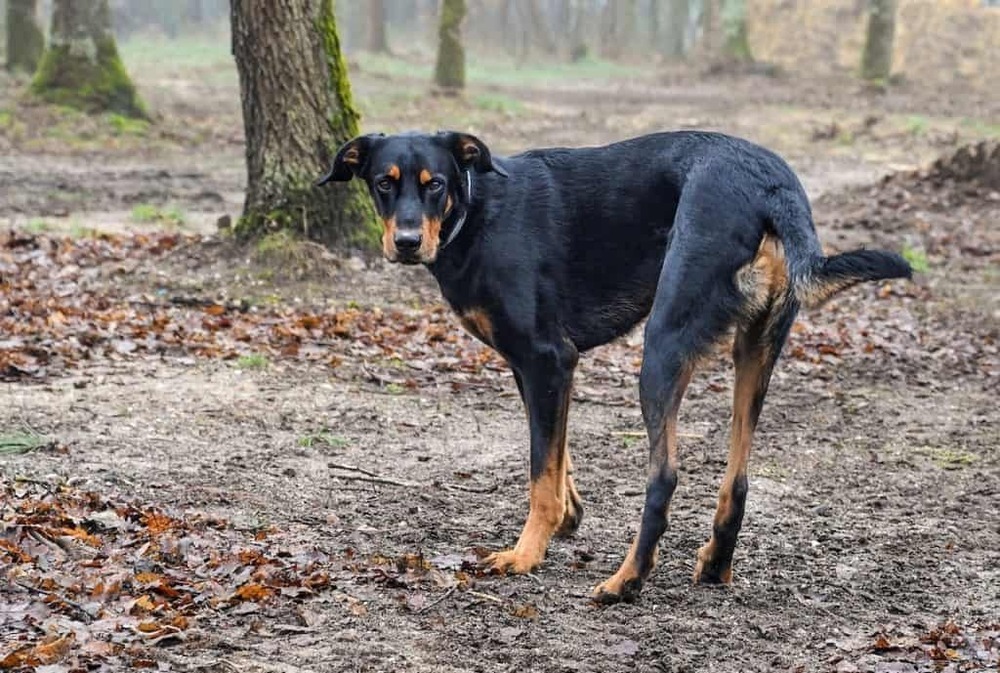
Von Willebrand disease is caused by a problem with von Willebrand factor (vWF), a blood protein that helps platelets stick to damaged blood vessels and also supports another clotting protein (factor VIII).3, 4 When vWF is too low or doesn’t work properly, a dog may form clots more slowly, especially in tissues that naturally bleed easily (gums, nose, urinary tract, gastrointestinal tract).1, 2
Vets often describe vWD by type. Type 1 is usually a partial deficiency and tends to be milder or more variable. Types 2 and 3 are more breed-specific and are generally linked with higher bleeding risk, with type 3 involving very low or absent vWF.1, 2
How it differs from other bleeding problems
Not every bleeding episode points to vWD. Some problems are due to low platelets, platelet dysfunction, toxin exposure (for example anticoagulant rodenticides), or other inherited clotting factor disorders such as haemophilia. vWD is one of the more common inherited causes, but it can look similar on the surface, which is why testing matters.4, 5
Breeds and inheritance, in plain terms
vWD has been reported across many breeds and mixed-breed dogs. Type 1 is seen in a wide range of breeds, including Doberman Pinschers, Shetland Sheepdogs, Poodles and others, while types 2 and 3 are more tightly linked to certain lines (for example, type 2 in German Wirehaired and Shorthaired Pointers, and type 3 in Scottish Terriers, Shetland Sheepdogs, Chesapeake Bay Retrievers and Kooikerhondje).1, 2, 3
Inheritance patterns are not identical across all types and breeds. In many situations, both males and females can carry and be affected, and some dogs may carry a variant with little to no obvious bleeding. That variability is one reason vWD can take owners by surprise.1, 2
Signs you might notice at home
Some dogs with vWD never have dramatic symptoms. Others show a pattern of bleeding that feels “a bit much” for the situation. Common signs include:
- Bleeding from the gums (for example with teething, chewing toys, or dental disease)
- Nosebleeds
- Easy bruising or small skin bleeds
- Blood-tinged urine, blood in vomit or stools, or very dark stools
- Prolonged bleeding after surgery, injury, or even injections in more severe cases2, 5
A dog can also become anaemic from blood loss, which may show up as weakness, reduced stamina, or pale gums. If you notice significant bleeding, collapse, or weakness, treat it as urgent and seek veterinary care promptly.2
How vets diagnose von Willebrand disease
Diagnosis usually involves a combination of history, physical exam, and targeted tests. Because bleeding can have many causes, a vet will often start by checking basics such as a complete blood count (including platelet numbers) and other clotting tests to rule out more common explanations.4, 6
Screening and confirmatory tests
A commonly used in-clinic screening test is the buccal mucosal bleeding time (BMBT), which looks at how long small controlled gum incisions take to stop bleeding. A prolonged result can raise suspicion, particularly in predisposed breeds, but it does not confirm vWD on its own.5, 6
To confirm and characterise risk, vets can measure vWF levels in blood (often reported as vWF antigen). Genetic (DNA) tests are also available for some breed-specific variants. In practice, DNA results and blood levels can be used together to help interpret a dog’s likely bleeding risk, especially before procedures such as desexing or dental work.1, 2
Why diagnosis can feel murky
One of the hardest parts is that a dog can have vWD and still sail through an early surgery without problems, then bleed more than expected later in life. Bleeding tendency is influenced by the type of vWD, the dog’s baseline vWF level, and what the body is being asked to handle at the time (a big dental, a traumatic wound, a second surgery).5
Treatment and planning for procedures
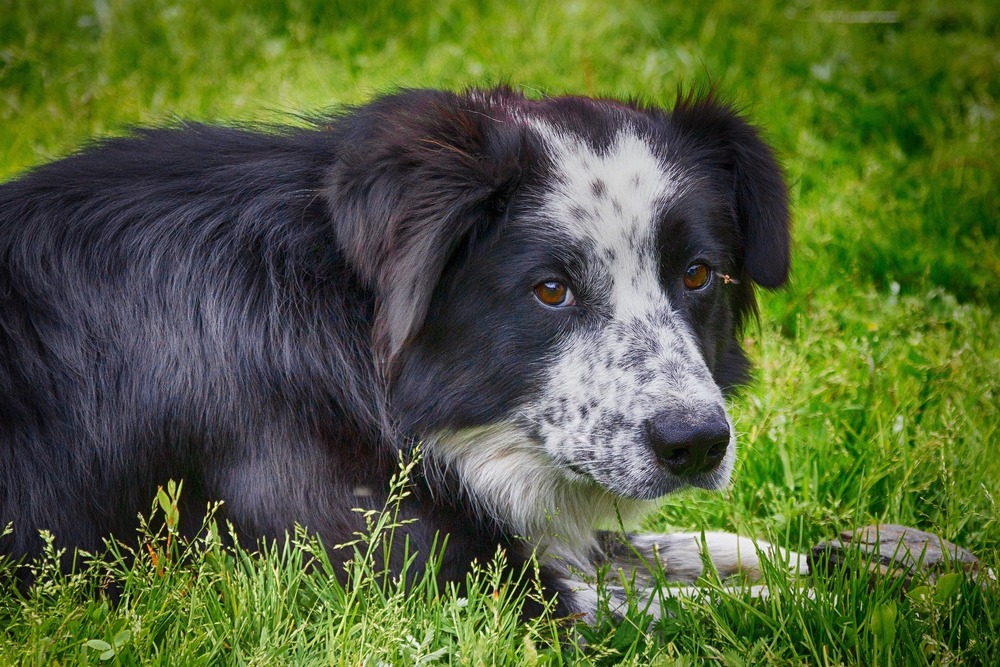
There is no single cure that permanently corrects vWD. Treatment is usually about preventing avoidable bleeding, preparing carefully for planned procedures, and responding quickly to significant bleeding episodes.2, 4
What might be used in a clinic
For some dogs (particularly some with type 1), a vet may use desmopressin (DDAVP) before surgery to temporarily increase circulating vWF, although response can be variable and it is not typically used as a routine, everyday medication.4, 5
If bleeding is severe or ongoing, transfusion support may be needed. This can include plasma products or whole blood, depending on what the dog needs and what is available.4, 5
Medication cautions to discuss with your vet
Some medicines can interfere with platelet function and may increase bleeding risk in a dog already prone to bleeding. The safest approach is simple: tell any vet who treats your dog that they have vWD (or are suspected of it) and ask before giving new medications, including over-the-counter products.5
Living well with a dog who has vWD
Most households settle into a rhythm. You do not need to wrap your dog in cotton wool, but you do become a bit more deliberate about what risks are worth taking.
Practical habits that tend to help include:
- Keeping play sensible, especially with mouthy games that can injure gums
- Using nail grinders or careful clipping, and stopping early if you are unsure
- Maintaining good dental care, since inflamed gums can bleed more readily
- Letting your vet know well ahead of any planned surgery or dental work so there is time for testing and a tailored plan2, 5
It also helps to be quietly prepared. Know where your nearest emergency vet is, and keep basic first aid supplies at home so you can apply pressure to a bleeding area while you organise veterinary advice.
Prognosis and what “normal life” can look like
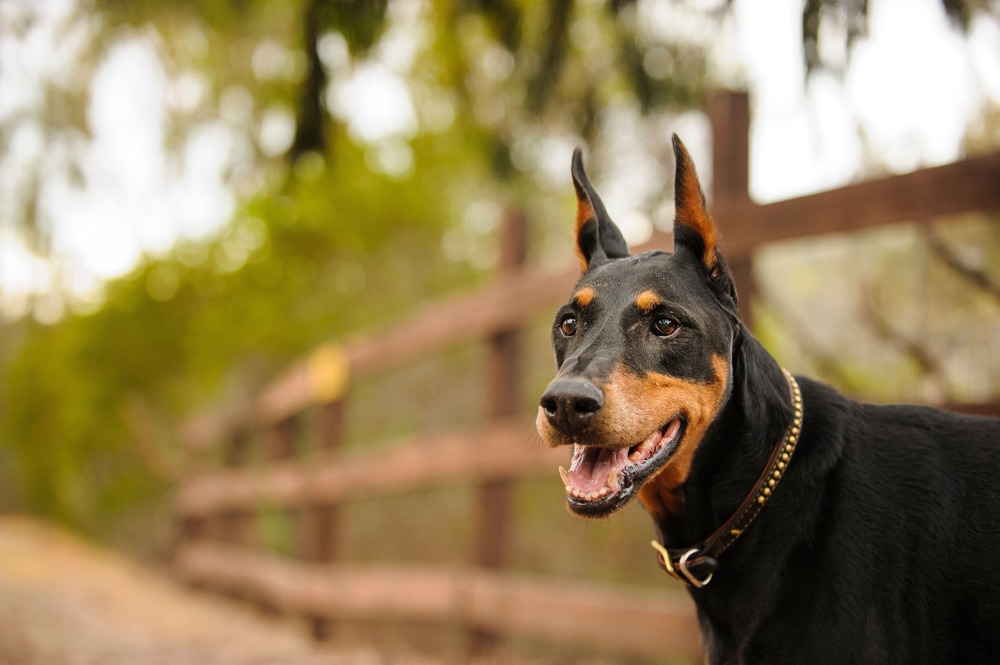
The outlook depends heavily on type and severity. Many dogs, especially those with milder forms and good planning around procedures, can have a normal lifespan and enjoy regular activities with only occasional adjustments.2
More severe forms carry greater risk of spontaneous bleeding and complications, and those dogs benefit from closer veterinary guidance and more conservative choices around surgery, high-impact activities, and situations where injuries are likely.1, 2
Breeding considerations and genetic testing
Because vWD is inherited, breeding choices have a real effect on how often it shows up in the next generation. Many veterinary and diagnostic organisations recommend using DNA testing (where available) and, in some situations, vWF blood testing to guide mate selection and reduce the chance of producing severely affected pups.1, 2
For breeders, the goal is usually not a simplistic “exclude every carrier immediately”, which can narrow a gene pool too far. Instead, it is often a measured approach: avoid producing affected puppies, make transparent decisions, and gradually shift towards clearer lines over generations, with veterinary genetic advice where needed.1, 2
If you are buying a puppy from a predisposed breed, it is reasonable to ask what testing has been done in the parents, what the results mean, and how the breeder handles vWD risk in their program.2, 7, 8
References
- Cornell University College of Veterinary Medicine (Animal Health Diagnostic Center): Canine von Willebrand Disease
- Cornell University College of Veterinary Medicine (Riney Canine Health Center): Von Willebrand Disease
- MSD Veterinary Manual (Dog Owners): Bleeding disorders of dogs (includes von Willebrand disease)
- MSD Veterinary Manual (Veterinary): Von Willebrand disease in animals
- VCA Animal Hospitals: Von Willebrand’s Disease in Dogs
- VCA Animal Hospitals: Von Willebrand’s Disease Testing
- University of California Davis Veterinary Genetics Laboratory: Von Willebrand Disease I (vWD Type 1) test
- University of California Davis Veterinary Genetics Laboratory: Von Willebrand Disease III (vWD Type 3) test